The 2026 USDA Beltsville Bee Lab Closure and What It Means for Beekeepers
USDA plans to close the Beltsville Bee Research Laboratory as part of a wider research-center shutdown, an active, disputed 2026 policy story, not settled history.

Honeybees and wild pollinators face documented pressures: pesticides, habitat loss and fragmentation, disease spillover and a changing climate. The articles here cover colony loss surveys and colony collapse, how pesticides affect bees and how registries such as DriftWatch and BeeCheck help avoid spray kills, and the wild species conservation lists actually track, such as the rusty patched bumble bee and Franklin’s bumblebee.
The section also covers practical sustainability for beekeepers: low-impact and zero-waste apiary practices, siting hives with the local ecosystem in mind, and new pollinator habitat on solar farms, golf courses, cemeteries and urban corridors.
Start here:
USDA plans to close the Beltsville Bee Research Laboratory as part of a wider research-center shutdown, an active, disputed 2026 policy story, not settled history.
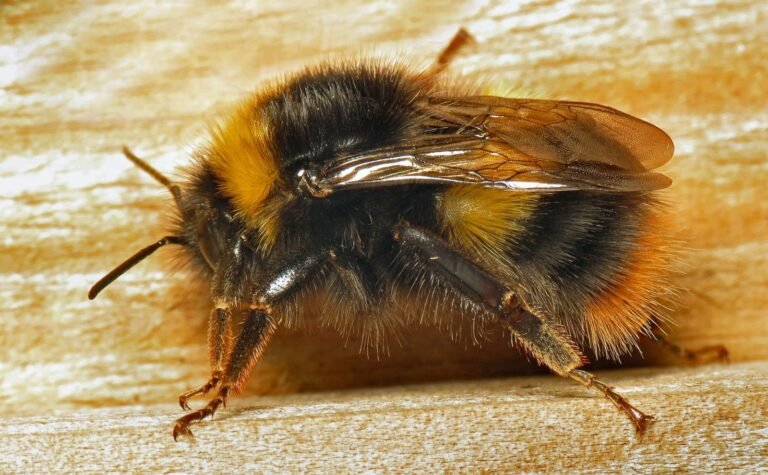
A 2026 University of Würzburg study reared nearly 15,000 hibernating bees and wasps under simulated spring conditions and found that while warmer springs wake them earlier, earlier emergence carries a real energy cost for some species.
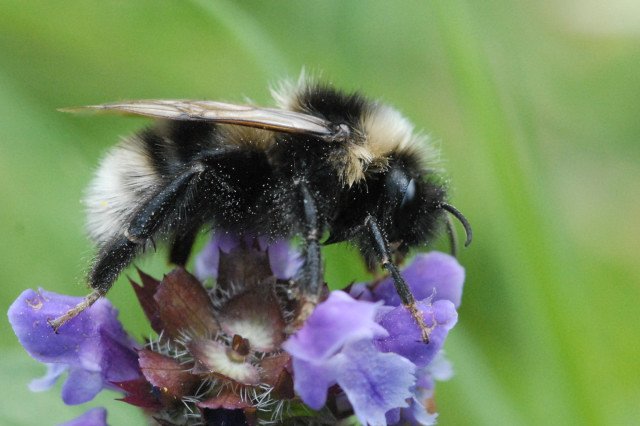
The 2026 European Red List of Bees, coordinated by the University of Mons and the IUCN, assessed 1,928 species and found roughly 1 in 10 now at risk of extinction — more than double the threatened count from ten years ago.
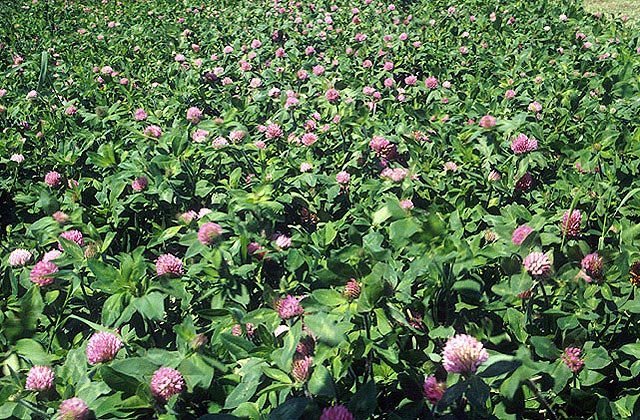
Published research supports parts of the case for regenerative farming helping bees — no-till protects ground-nesting habitat and flowering cover crops draw more pollinators — but the broader claim that no-till is automatically bee-friendly is not settled.
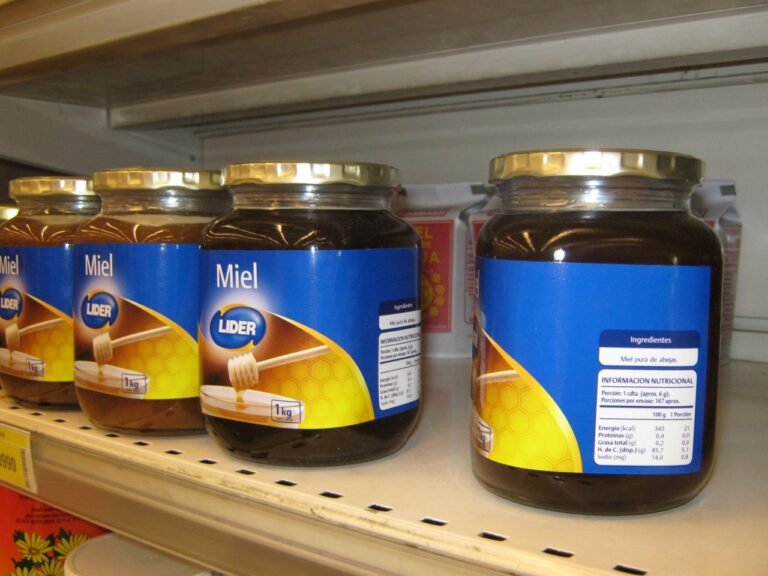
Plain glass with a metal lid remains the most sustainable honey packaging for small sellers, but recycled-content plastics, flexible pouches, and emerging water-soluble formats each solve a different part of the waste problem glass alone does not.
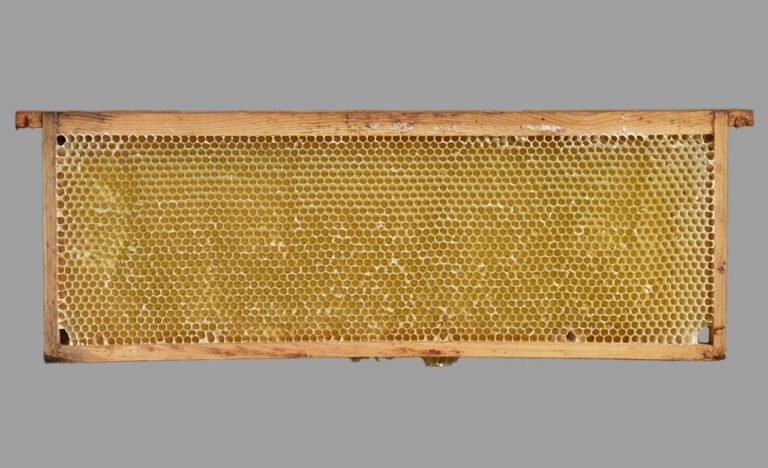
Most old beekeeping equipment can be cleaned, repaired, donated, or upcycled rather than thrown out — except comb or gear from a colony that died of an unknown or disease-related cause, which needs far more careful handling.
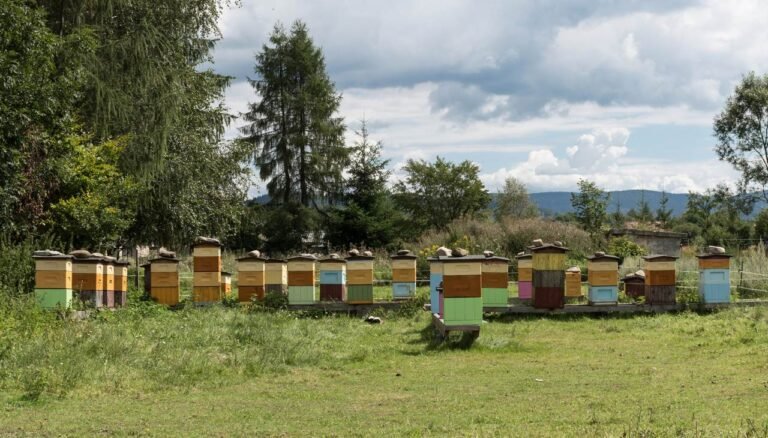
Regenerative apiary siting means rotating hive locations the way rotational grazing rests pasture — here is how to spot an over-taxed site and build a real rotation plan.
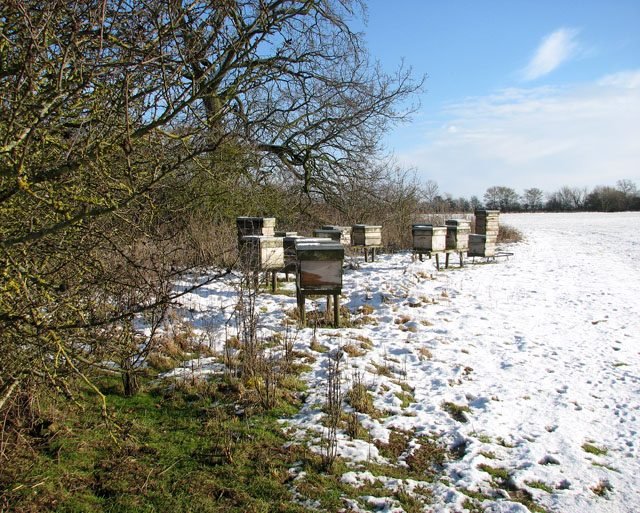
US beekeepers reported losing 39.9% of managed colonies between April 2025 and April 2026, per the annual Auburn University-led national survey.
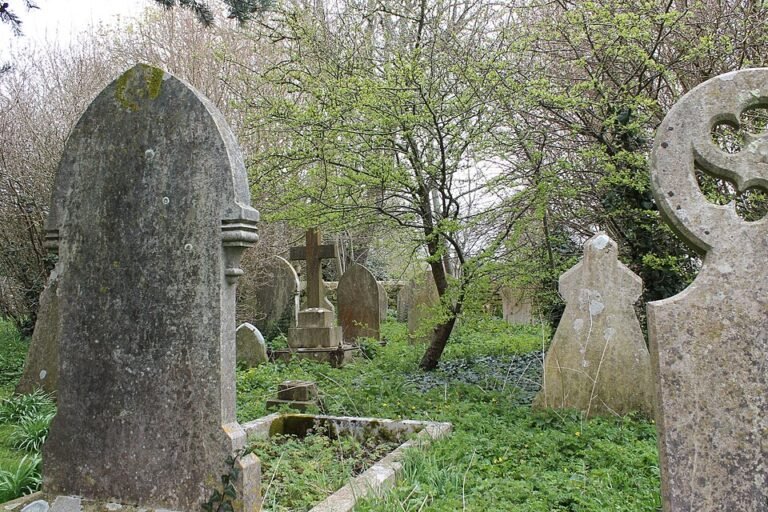
UK burial grounds preserve rare unimproved grassland by accident, and a growing movement — echoed at US cemeteries — is managing it for pollinators on purpose.

Over 1,650 U.S. golf courses participate in a certification program turning rough and out-of-play acreage into real, documented pollinator habitat.
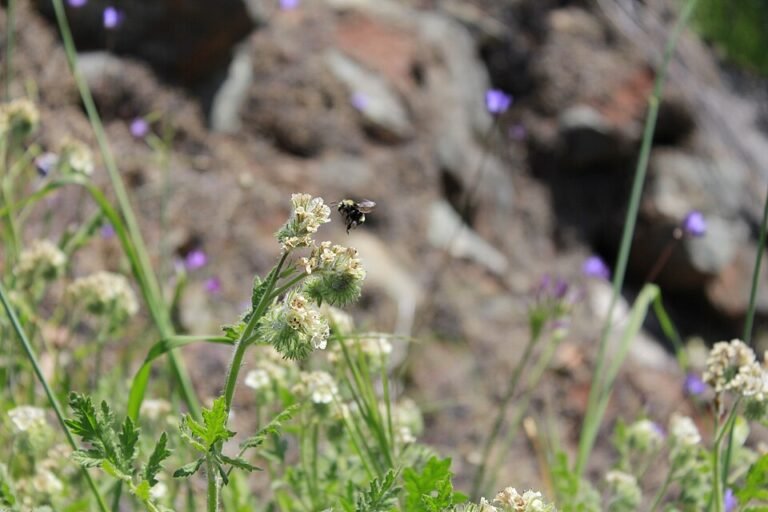
In 2013, a single pesticide application on blooming linden trees killed tens of thousands of bumblebees in Wilsonville, Oregon — here's what happened.
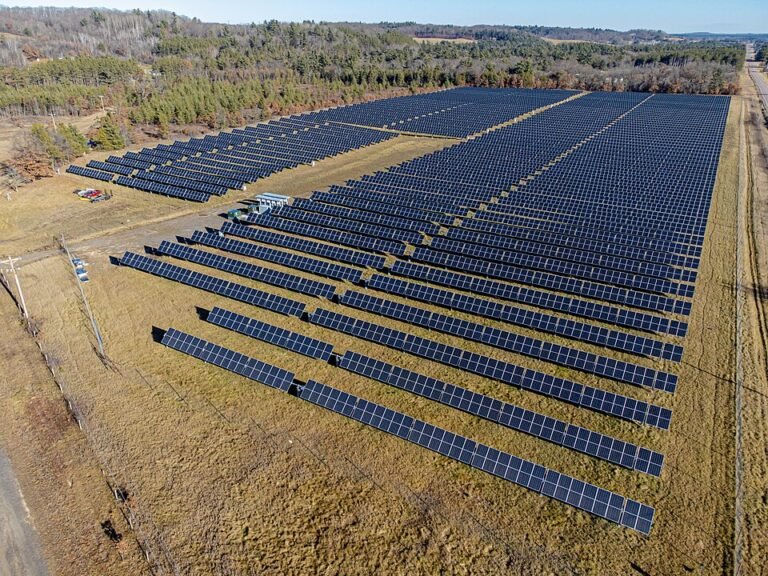
Research at Minnesota solar facilities found native bees increased 20-fold after native plantings replaced turf — how agrivoltaics creates real habitat.
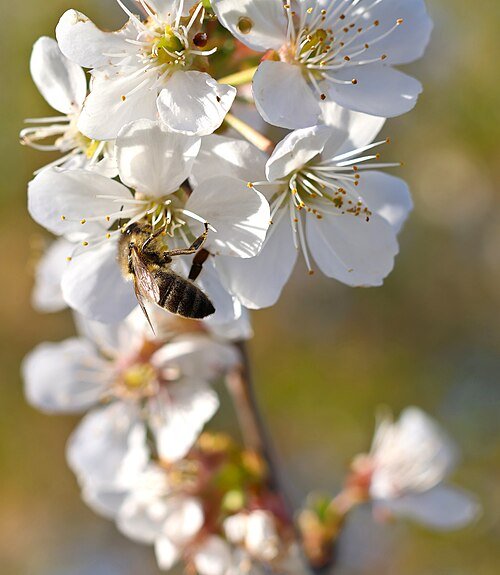
How ByBi's Pollinator Passage linked gardens, rooftops, and schoolyards across Oslo into one continuous bee corridor — and what makes the model work.
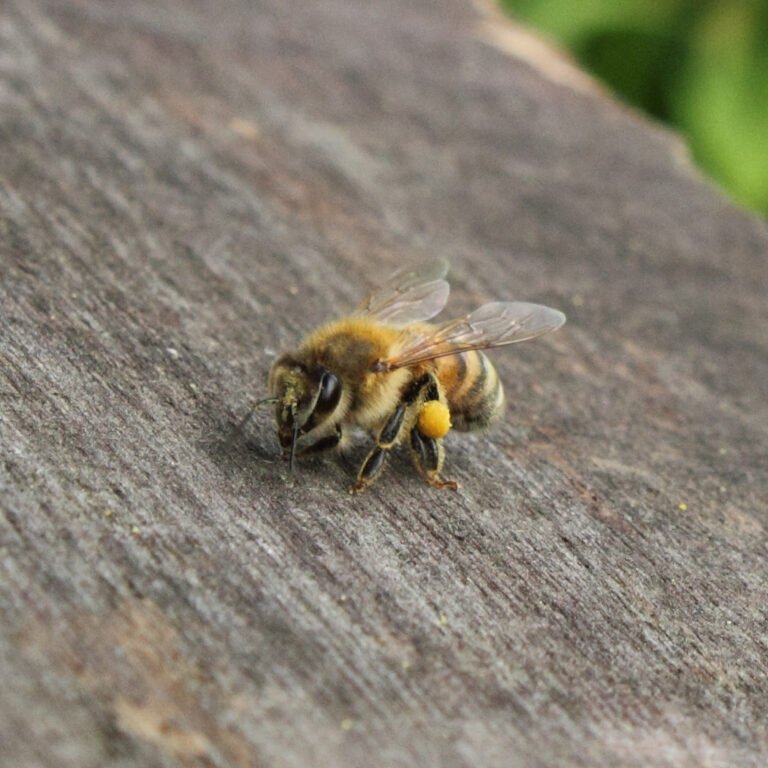
A small handful of islands have never recorded the Varroa mite — and in 2025, one of the oldest bee sanctuaries in the world came under real threat.
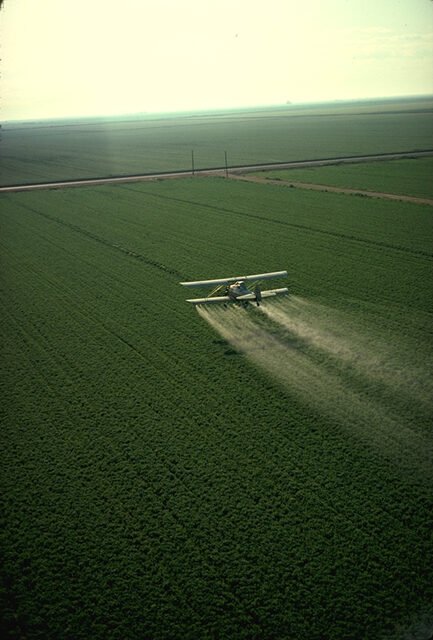
DriftWatch and BeeCheck let beekeepers and pesticide applicators see each other's locations on a shared map before a pesticide application happens. Here's how the voluntary registry actually works.
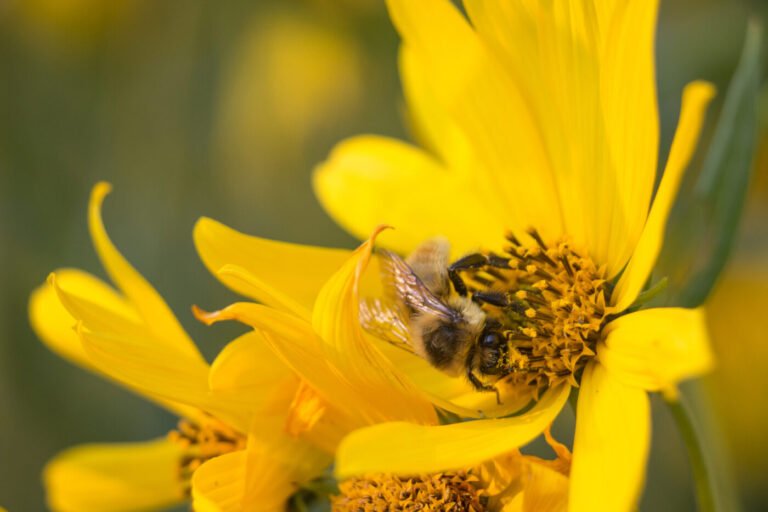
Animal pollination adds hundreds of billions of dollars to global food production every year. Here's the real IPBES figure, where it comes from, and what it does and doesn't tell us about pollinator decline.
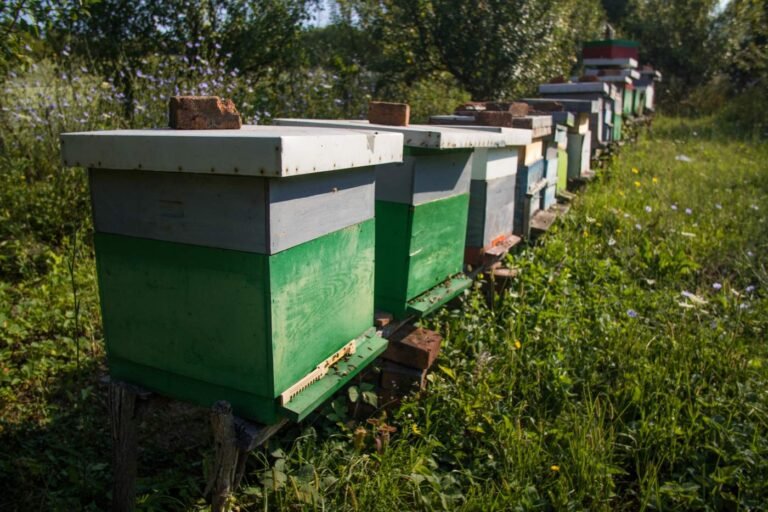
FAO-sourced data puts the global number of managed honey bee colonies at roughly 101.7 million in 2024. Here's the real regional breakdown and why this doesn't contradict pollinator decline.
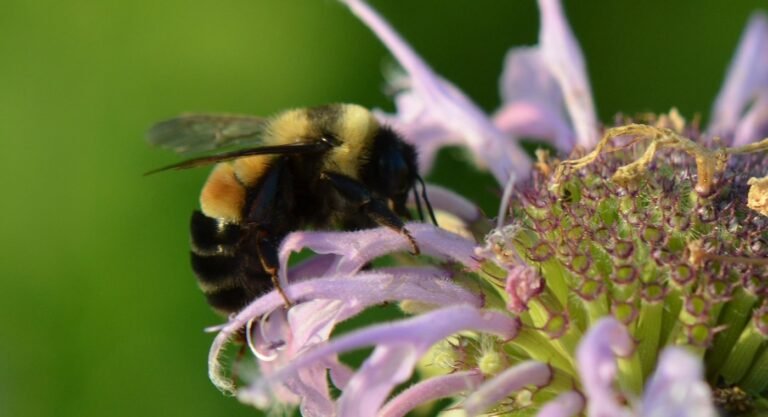
The rusty patched bumble bee's 2017 federal listing made it America's first endangered bumblebee - though Hawaii's yellow-faced bees actually got there first, six months earlier.
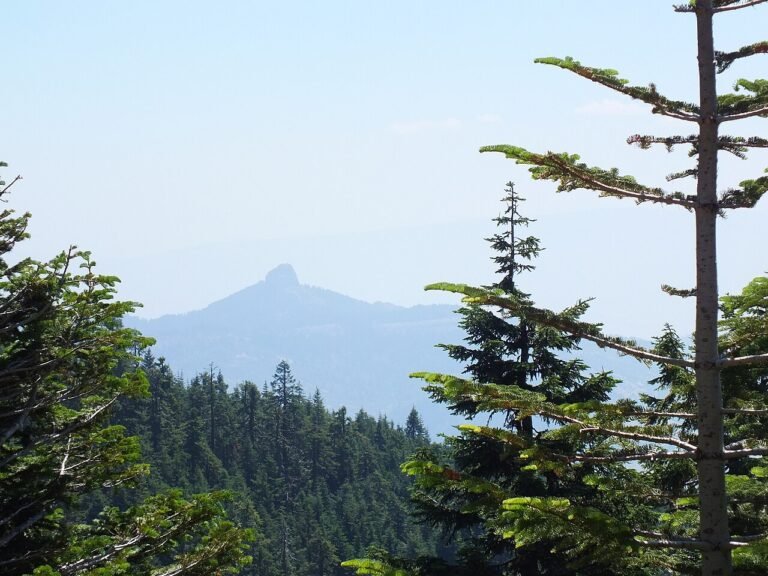
Franklins bumblebee has not been confirmed alive since 2006. What actually happened, and why a new study overturned the leading theory.

Tracing the "one in three bites" bee-pollination statistic back to its real source: a 1976 estimate, a 2007 peer-reviewed study, and what the research actually says versus the popular version.

Creating a sustainable apiary plan: a step-by-step guide to establishing a healthy and productive apiary. Start your beekeeping journey today.

Explore the past pesticide impact on U.S. beekeeping and understand its effects on bee populations.

Explore the 38 environmental benefits of beekeeping USA and discover how this practice supports ecosystem health and biodiversity.

Discover the best practices for sustainable beekeeping in the United States. Learn how to maintain healthy bee colonies and promote eco-friendly apiculture
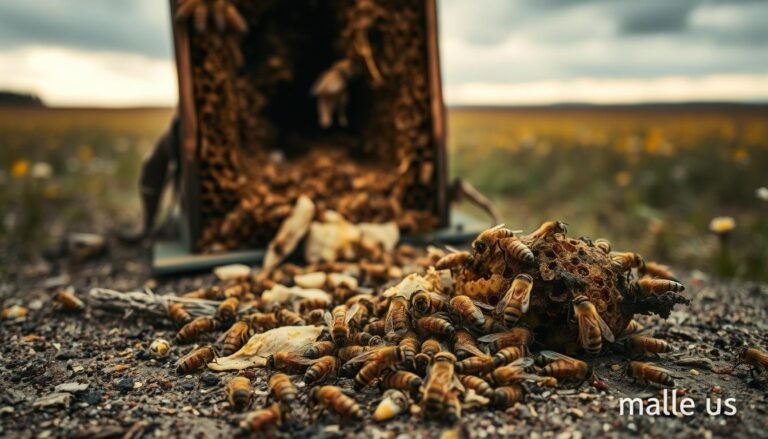
Explore the phenomenon of honeybee colony collapse USA, its causes, and the far-reaching consequences for the US ecosystem and economy.