U.S. beekeepers lost an estimated 39.9% of their managed colonies between April 2025 and April 2026, according to the annual U.S. Beekeeping Survey led by Auburn University in collaboration with Oregon State University and the Apiary Inspectors of America. After two brutal years of record losses, that number is actually a step back toward normal — which says something uncomfortable about what “normal” has come to mean for American beekeeping.
A Small Improvement Over Two Historically Bad Years
To put 39.9% in context: it follows losses of 55.1% in 2023–24 and 55.6% in 2024–25, the two worst years on record for the survey. This year’s figure is a genuine improvement over that stretch, but it’s still roughly in line with — or above — the level beekeepers have been contending with for more than a decade, not a return to anything that could honestly be called healthy.
| Survey period | Total colony loss |
|---|---|
| 2023–24 | 55.1% |
| 2024–25 | 55.6% |
| 2025–26 | 39.9% |
Winter losses accounted for the larger share of this year’s total, at 30.3% — about 10 percentage points above what beekeepers themselves consider an economically acceptable rate for their operations. More than 2,300 beekeepers managing roughly 219,000 colonies took part, representing about 13.2% of the USDA’s estimated 2.4 million managed honey-producing colonies nationwide.
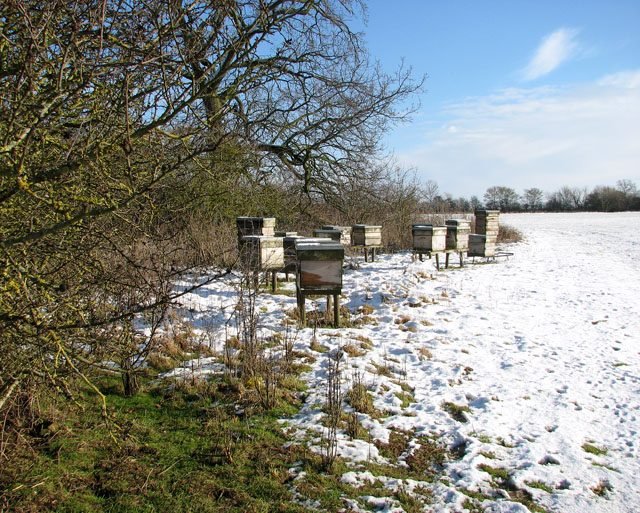
“Not a Victory — a Crisis in Slow Motion”
Reaction from beekeeping industry groups made clear that a smaller number than the past two years isn’t being read as good news. “Losing nearly 40% of managed colonies in a single year is not a victory — it’s a crisis in slow motion,” said Steven Coy, president of the American Honey Producers Association. Geoff Williams, director of Auburn University’s Bee Center and the survey’s lead researcher, pointed to the underlying pressures that haven’t gone away: “Beekeepers and their colonies are continually looking to overcome pressure caused by parasites and poor forage.”
Debbie Seib of the American Beekeeping Federation framed the survey’s ongoing value plainly: “The results produced from the U.S. Beekeeping Survey are critical in helping us understand the current status” — a reminder that the number itself matters less than the ability to track it consistently, year after year, against a stable methodology.
What This Means Alongside Other 2025 Numbers
The loss survey doesn’t operate in isolation from other figures released around the same time. USDA’s own honey production data for 2025 showed a 7% drop in honey-producing colonies and a 14% drop in total production — different measurements, using different methodology and a different colony population, but consistent with a year where colony health nationally was under real, measurable strain rather than isolated to specific regions or operations. For beekeepers weighing whether their own losses are typical, this site’s guide to the Bee Informed Partnership — a related survey effort — is a useful next step for benchmarking a specific operation’s numbers against the wider national picture.
Frequently Asked Questions
What percentage of honeybee colonies did the US lose in 2025-2026?
An estimated 39.9% total annual loss, with winter losses making up the larger share at 30.3%, according to the Auburn University-led U.S. Beekeeping Survey.
Is 39.9% better or worse than recent years?
It’s an improvement over the two prior years’ record losses of 55.1% (2023–24) and 55.6% (2024–25), though it remains above what beekeepers consider an economically sustainable loss rate.
How many beekeepers participated in the survey?
More than 2,300 beekeepers managing about 219,000 colonies, roughly 13.2% of the USDA’s estimated 2.4 million managed honey-producing colonies nationwide.
Who conducts this annual survey?
Auburn University’s Bee Center, in collaboration with Oregon State University and the Apiary Inspectors of America, with support from groups including the American Beekeeping Federation and American Honey Producers Association.