For a small honey seller, the most sustainable packaging choice is usually still plain glass with a metal lid — but it isn’t the only real option, and recycled-content plastics, flexible pouches, and emerging water-soluble single-serve formats each solve a different part of the plastic-and-waste problem glass alone doesn’t. This is a genuinely different question from cost or branding — it’s about which material choice actually reduces waste and plastic use, not just which one looks good on a shelf or ships the cheapest.
Key Takeaways
- Glass and metal lids remain the practical sustainability default: both are infinitely recyclable without quality loss, and glass jars see real second-life reuse by customers.
- Post-consumer recycled (PCR) plastic reduces virgin plastic use for sellers who need lighter, shatterproof packaging for shipping.
- Flexible stand-up pouches use meaningfully less material and generate less transport-related carbon than rigid bottles of the same capacity, according to manufacturer data.
- Water-soluble, edible single-serve packaging (like Decomer’s Honeydrops) is a real, shipping emerging category — genuinely different from a mainstream option, but worth knowing about.
- “Recyclable” and “actually gets recycled in your customer’s area” are two different claims — verify local recycling infrastructure before leaning on a recyclability claim in your own marketing.
Table of Contents
- Why Packaging Material Is a Real Sustainability Lever
- Glass: The Default for a Reason
- Recycled-Content and Reduced Plastics
- Flexible Pouches and Stand-Up Formats
- Water-Soluble and Biodegradable Packaging
- Paper and Fiber-Based Secondary Packaging
- Material Options at a Glance
- A Practical Starting Point for Small Sellers
- Avoiding Greenwashing in Your Own Packaging Claims
- Frequently Asked Questions
Why Packaging Material Is a Real Sustainability Lever
Most honey packaging guidance for small sellers focuses on cost per unit, shelf presentation, or which retail channel a container suits — useful questions, but different from the sustainability question this guide answers. Material choice affects three things independently of price: how much virgin material goes into each unit, whether the packaging is genuinely recyclable or compostable where your customers actually live, and how much waste (plastic, packaging fill, and transport emissions) the container generates before a customer ever opens it. A seller optimizing purely for shelf appeal or unit cost can end up with a container that scores poorly on all three, even if it looks “natural” or “eco” on the label.
Glass: The Default for a Reason
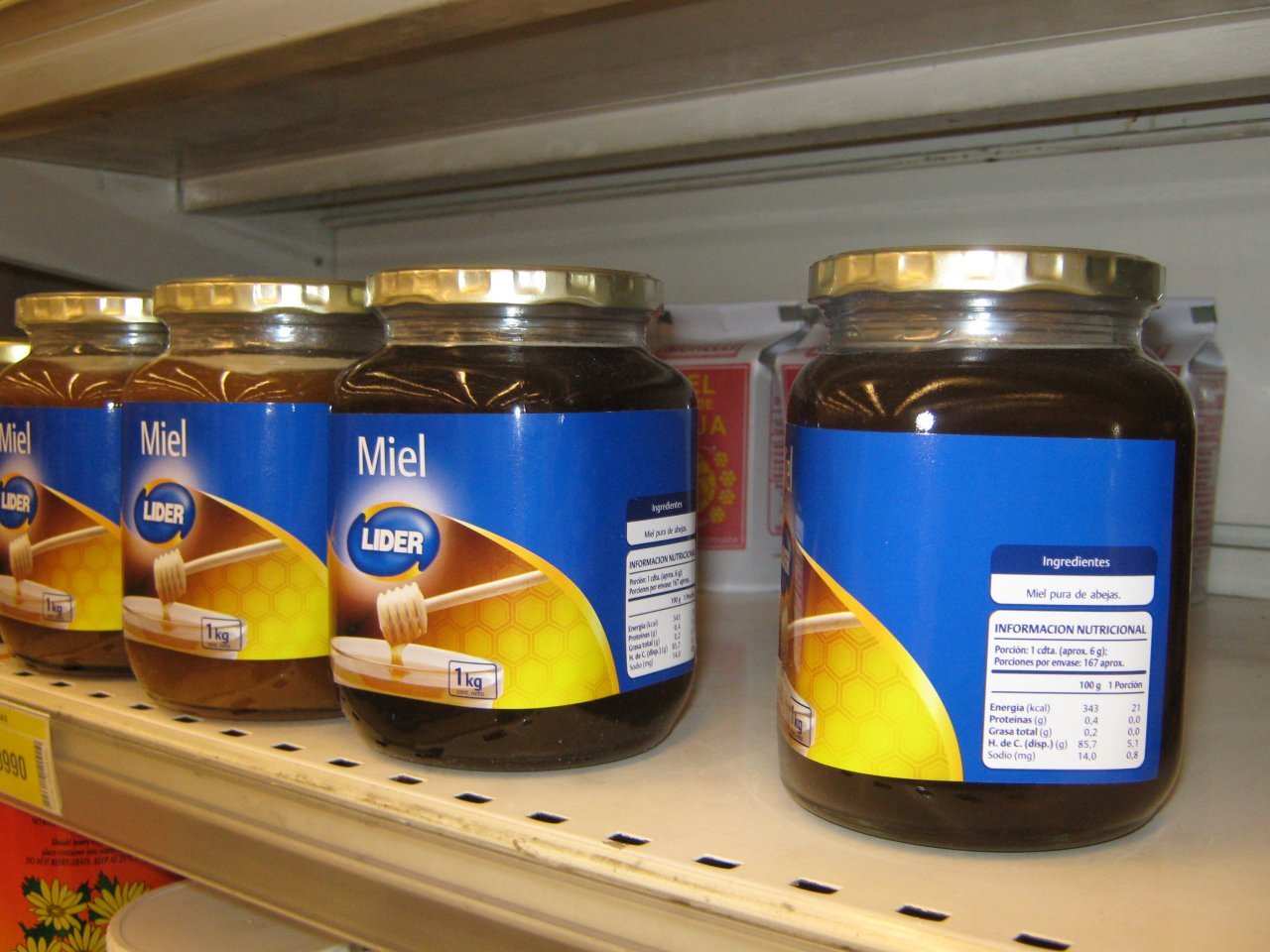
Glass remains the practical sustainability baseline for honey packaging for reasons that hold up under real scrutiny: it’s infinitely recyclable without any loss of material quality (unlike most plastics, which degrade in quality with each recycling cycle), it’s broadly accepted in curbside recycling programs across the US, and glass jars with screw-on lids see genuine reuse by customers for storage long after the honey is gone. The tradeoffs are real too — glass is heavier and more fragile in shipping, which raises both cost and breakage-related waste for sellers doing significant e-commerce volume, and it takes meaningfully more energy to produce and transport per unit than lighter alternatives. For a farmers-market or local-retail-focused seller doing little direct shipping, glass is usually the right default without much of a tradeoff at all.
Recycled-Content and Reduced Plastics
Where shipping durability genuinely matters, post-consumer recycled (PCR) plastic bottles are the more defensible plastic option over virgin plastic: PCR resin incorporates previously used plastic into new containers, reducing demand for newly produced material even though the container itself still eventually needs proper disposal. This isn’t a perfect substitute for glass on recyclability — most plastic degrades in quality across recycling cycles in a way glass doesn’t — but for sellers who’ve concluded that plastic is a practical shipping necessity, PCR content is a genuine, verifiable improvement over standard virgin plastic, and worth specifically requesting from a packaging supplier rather than assuming a “recyclable” label already implies it.
Flexible Pouches and Stand-Up Formats
Flexible stand-up pouches, including inverted-cap designs built specifically for honey, are a newer format aimed at reducing material use rather than switching material type entirely. Packaging manufacturer Glenroy’s STANDCAP inverted pouch, developed specifically for honey, is reported to use roughly 60% less plastic, about 70% less water, and around 50% less CO2 in production compared to a standard 16-ounce rigid honey bottle, along with meaningfully lower fossil-fuel use in transport due to its lighter weight and flatter shipping profile. Pouches also tend to empty more completely than rigid bottles, which reduces the amount of product wasted inside the container itself — a real, if secondary, sustainability benefit beyond the packaging material itself.
Water-Soluble and Biodegradable Packaging
The most genuinely novel option in this space isn’t a replacement for a honey jar at all, but a different product format entirely: Decomer Technology, an Estonian packaging startup, produces Honeydrops — small, water-soluble portions of honey encased in a completely edible film, designed to be dropped directly into tea or coffee and dissolved, eliminating packaging waste at the point of use rather than just reducing it.
“Honeydrops™ water-soluble honey packages make consuming honey in drinks more convenient.” — Decomer Technology / Honeydrops
This format won’t suit most small sellers’ existing product lines — it’s a genuinely different single-serve category, not a drop-in jar replacement — but it’s worth knowing about specifically because it represents packaging elimination rather than packaging optimization, a meaningfully different sustainability approach from every other option on this list.
Paper and Fiber-Based Secondary Packaging
The primary honey container isn’t the only packaging decision that matters — secondary packaging (the box, mailer, or wrap a jar or pouch ships in) is a genuine and often overlooked sustainability lever of its own. Molded fiber trays, corrugated cardboard shippers sized to the actual product rather than a generic oversized box, and paper-based void fill (crumpled kraft paper instead of plastic air pillows or foam peanuts) all reduce plastic use without touching the honey container itself. This matters disproportionately for sellers doing direct-to-consumer shipping, where oversized boxes and plastic void fill are a common, easily fixed source of unnecessary packaging waste that has nothing to do with the jar or pouch inside.
Material Options at a Glance
| Material | Recyclability | Best Fit | Main Tradeoff |
|---|---|---|---|
| Glass + metal lid | Infinitely recyclable, widely accepted curbside | Local/farmers-market sales, low shipping volume | Heavier, more fragile, higher shipping cost/breakage |
| PCR (recycled) plastic | Recyclable, quality degrades over cycles | Sellers needing shatterproof shipping | Still ultimately plastic; verify true PCR content with supplier |
| Flexible stand-up pouch | Varies by film; some recyclable programs, some not yet | E-commerce, direct-to-consumer shipping | Recyclability depends heavily on the specific film used |
| Water-soluble single-serve (e.g. Honeydrops) | Fully dissolves/edible — no waste stream at all | Single-serve, hospitality, tea/coffee use cases | Not a substitute for jarred retail honey |
Avoiding Greenwashing in Your Own Packaging Claims
A container being technically recyclable somewhere doesn’t mean it will actually get recycled by your specific customer — curbside programs vary enormously by municipality, and flexible pouches in particular are often not accepted in standard curbside recycling even when the film itself is technically recyclable through specialized drop-off programs. Before printing a “recyclable” or “eco-friendly” claim on your own label, verify what’s actually true for the packaging you’re using and, ideally, where most of your customers live — an overstated claim is both a real legal risk (the FTC’s Green Guides govern environmental marketing claims in the US) and a credibility risk with exactly the sustainability-conscious customers this kind of packaging is meant to appeal to.
For sellers weighing packaging against other business costs, this sustainability framing is deliberately separate from the cost- and channel-focused comparisons in this site’s honey jars and bottles buying guide and honey label printer and packaging supplies guide — both remain the right starting point for choosing a container on price and presentation grounds before layering a sustainability material choice on top.
A Practical Starting Point for Small Sellers
For a seller not ready to overhaul packaging all at once, the highest-impact, lowest-effort changes tend to come first: switching void fill and box sizing before switching the primary container, since that requires no new supplier relationship or label redesign at all. From there, moving to PCR-content plastic (if already using plastic) or requesting FSC-certified or recycled-content secondary packaging from an existing supplier are both changes that don’t require a new production run or packaging redesign. A full switch to a new primary container format — glass to pouch, or standard plastic to PCR plastic — is the highest-effort change, and worth planning around a natural inflection point like a label redesign or a new product line rather than a mid-season switch.
- Right-size shipping boxes and switch plastic void fill to paper-based alternatives first.
- If already using plastic bottles, ask your current supplier about PCR-content options before switching manufacturers entirely.
- Evaluate flexible pouches specifically for e-commerce/direct-ship product lines, not necessarily your full catalog.
- Verify any recyclability or sustainability claim against your actual customers’ local recycling access before printing it on a label.
Frequently Asked Questions
Is glass really more sustainable than plastic for honey packaging?
For most small sellers with modest shipping volume, yes — glass’s infinite recyclability and real customer reuse generally outweigh plastic’s shipping-durability advantage, unless e-commerce breakage becomes a significant, recurring cost.
What does “post-consumer recycled” plastic actually mean?
It means the plastic resin used to make the new container includes material recovered from previously used plastic products, reducing how much newly produced (virgin) plastic the container requires.
Are honey pouches actually recyclable?
It depends entirely on the specific film used — some flexible pouch materials are accepted only through specialized drop-off recycling programs, not standard curbside pickup, so check with your specific pouch supplier rather than assuming.
What is water-soluble honey packaging, and is it available to small sellers?
It’s an edible, dissolvable film technology (Decomer’s Honeydrops is a real commercial example) designed for single-serve honey portions dropped directly into a drink — currently a specialty format rather than a mainstream jar replacement most small sellers could adopt today.
Can I legally claim my honey packaging is “eco-friendly” on my label?
Only if the specific claim is accurate and substantiated for your actual packaging and its real end-of-life outcome — the FTC’s Green Guides govern environmental marketing claims, and an unsubstantiated “eco-friendly” or “recyclable” label is a real compliance risk, not just a marketing choice. The FTC’s own summary of the Green Guides is worth reading directly before finalizing any environmental claim on a product label.