Most old beekeeping equipment doesn’t belong in the trash: boxes, frames, and tools can usually be cleaned and reused, repaired, donated, or upcycled into something else entirely — the one real exception is comb or equipment from a colony that died of an unknown or disease-related cause, which should be handled far more cautiously than a simple deadout from starvation or a queen failure. This guide covers the actual repair-vs-retire decision, the biosecurity line that genuinely matters, and what to do with gear that’s done serving as beekeeping equipment but still has real life left in it.
Key Takeaways
- Most wooden hive components (boxes, frames, bottom boards, covers) can be cleaned, repaired, and reused for years — wood and metal hardware are the parts worth saving.
- The real caveat: never reuse frames or comb from a deadout with an unknown cause of death, or any sign of American Foulbrood, without expert inspection first. AFB spores can persist in equipment for decades.
- Equipment that’s genuinely done as beekeeping gear still has real second lives — planters, raised garden beds, solar wax melters, kindling, and small animal houses are all realistic uses for retired boxes and frames.
- Usable equipment you no longer need is often more valuable donated to a new beekeeper or local beekeeping association than sold piecemeal or discarded.
- This is a different question from how to safely recycle old beeswax comb, which covers the wax itself rather than the physical boxes, frames, and tools around it.
Table of Contents
- Repair or Retire? How to Decide
- The One Real Biosecurity Caveat
- Cleaning and Prepping Equipment for Reuse
- When It’s Done as Beekeeping Gear: Upcycling Ideas
- Donating Usable Equipment to New Beekeepers
- Reuse, Repair, Upcycle, or Donate: A Quick Reference
- A Practical Sorting Checklist
- Frequently Asked Questions
Repair or Retire? How to Decide
Wooden ware ages differently depending on what actually happened to it. A box with a cracked corner, a warped bottom board, or a frame with a broken top bar isn’t automatically trash — wood glue, exterior screws, and a replacement top bar or frame rest often cost less and take less time than ordering new equipment. The honest test is structural, not cosmetic: if a box can still hold its shape and support the weight of full frames without flexing, and a frame can still hold foundation or drawn comb securely, it’s a repair candidate. Equipment that’s genuinely done — wood that’s rotted through, boxes so warped they no longer seal against adjacent equipment, or frames with broken joints in more than one place — is better retired than patched repeatedly.
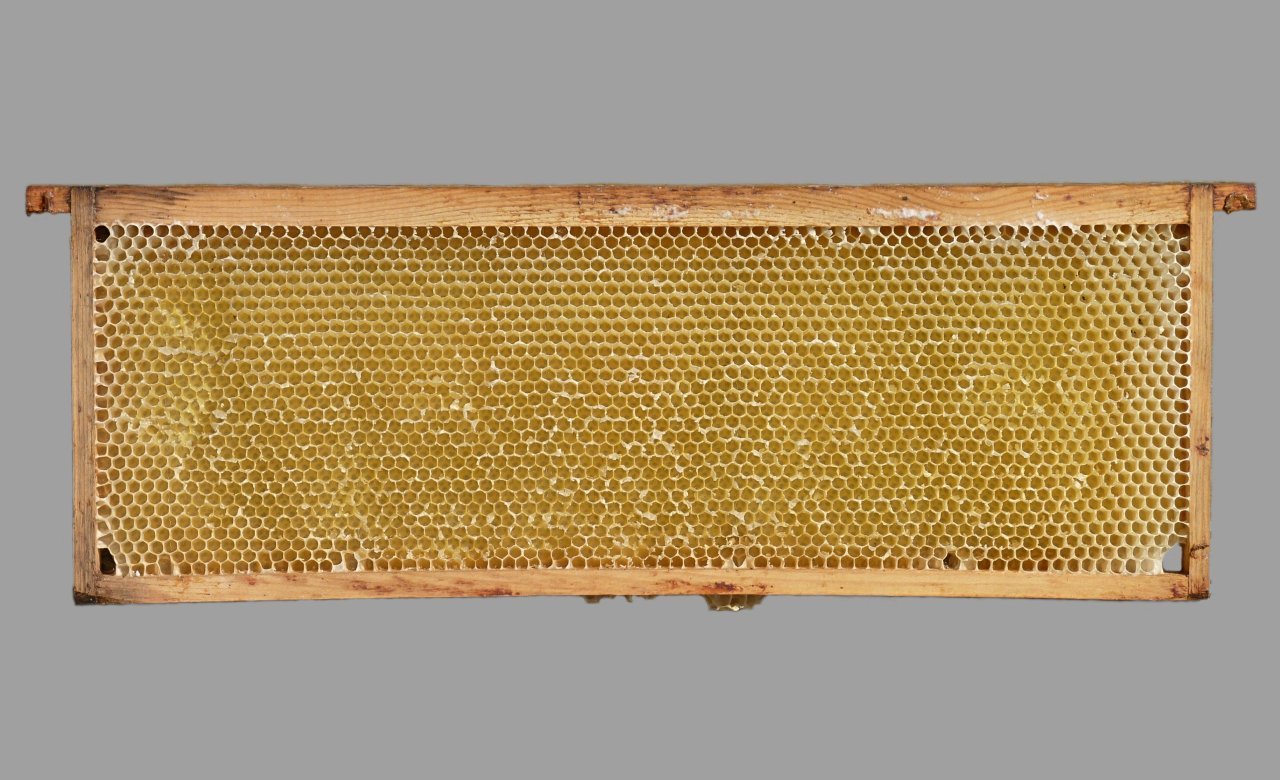
Brood frames also have a real service-life limit that has nothing to do with physical damage: cycling out drawn brood comb every four to six years, even from healthy colonies, is standard practice among experienced beekeepers, since dark comb accumulates cocoon residue, propolis, and trace pesticide residue over years of brood-rearing. A frame can look structurally fine and still be a good candidate for retirement from active brood use on age alone.
The One Real Biosecurity Caveat
The genuine risk in reusing old equipment isn’t the wood or the metal — it’s contaminated comb. American Foulbrood (AFB), per Penn State Extension, produces spores that survive in wax, wood, and equipment for decades, and there’s no reliable way for a home beekeeper to sanitize contaminated comb outside of irradiation or destruction by fire. The practical rule: discard (or have a state apiary inspector examine) any frames or drawn comb from a colony that died for an unknown reason, or that showed any sign of a foul odor, sunken or perforated brood cappings, or a ropy, discolored larval mass before it died. Equipment that came with a purchased nuc from an unknown or unverified source deserves the same caution.
This is also where “free secondhand equipment” from an online marketplace or an estate sale becomes a real judgment call rather than a straightforward bargain. Boxes and frames of unknown history — especially anything with old drawn comb still in it — should be inspected carefully, and when the cause of the previous colony’s loss can’t be confirmed, treated as a disease risk rather than a free upgrade.
Betterbee’s own published guidance on preparing old hive equipment for reuse draws the same line: examine equipment carefully and decide based on the actual cause of colony loss, not on age alone. David Burns, a longtime beekeeping educator, walks through exactly this decision — what’s worth keeping from a dead-out hive and what to discard — in the video below.
The core distinction he draws is the same one that matters most here: a deadout from starvation, a failed queen, or cold is generally safe to work with once cleaned, while a deadout with signs of disease — or one you can’t confidently explain — is not something to gamble on to save the cost of new frames.
Cleaning and Prepping Equipment for Reuse
Once you’ve ruled out disease as the cause of a colony’s loss, most equipment cleans up with straightforward mechanical work rather than chemicals:
- Scrape propolis and burr comb from box edges and frame side bars with a hive tool so boxes stack tightly and frames sit with proper bee space between them.
- Freeze drawn comb for at least 48–72 hours before storage if wax moth or small hive beetle activity is a concern in your climate — freezing kills eggs and larvae without chemical treatment.
- Scorch wooden ware lightly with a propane torch (a common, low-cost step many beekeepers use on boxes and frames from a known-healthy source) to remove residue and discourage pests, stopping well short of charring the wood.
- Store frames in closed hive boxes, not open bins, ideally with a screened or ventilated bottom, since sealed plastic containers trap moisture and encourage mold growth over an off-season.
- Rewire and refoundation frames going back into brood use rather than reusing old, brittle foundation, even if the wooden frame itself is completely sound.
When It’s Done as Beekeeping Gear: Upcycling Ideas
Equipment that’s structurally too far gone for hive use, or brood comb old enough to retire on principle, still has real second lives outside the apiary:
- Raised garden beds and planters. A deep box’s dimensions and open bottom make it a near-ready-made planter frame; stacking two retired boxes creates real raised-bed depth for root vegetables.
- Solar wax melters. An old hive box with a glass or clear acrylic lid, angled toward the sun, is one of the simplest functional solar wax melters a beekeeper can build from parts already on hand.
- Kindling and untreated firewood. Wood too rotted or cracked for any other reuse is still just untreated pine or cedar — a legitimate last stop before landfill, provided it wasn’t chemically treated.
- Bird houses, bat boxes, and small-animal shelters. A retired box’s basic shell, with the frame rests removed, adapts reasonably well to birdhouse or bat-box conversions with minor carpentry.
- Decorative and household use. Old frames make simple picture-frame-style displays for pressed flowers or photos, and retired boxes see regular use as rustic shelving or plant stands among hobbyist woodworkers.
None of these downstream uses require, or should involve, comb or wax with an unresolved disease history — the biosecurity caution above still applies to any wax residue left on equipment being repurposed, not just equipment going back into a hive.
Donating Usable Equipment to New Beekeepers
Structurally sound boxes, frames, and tools that you’ve simply outgrown or replaced are frequently worth more as a donation than as a private sale. New beekeepers taking a first-year class are consistently one of the highest-value audiences for secondhand gear, since starter equipment costs are a real barrier to entry, and a local beekeeping association or extension-affiliated beekeeping club is usually the fastest way to connect surplus equipment with someone who can use it. As with any secondhand equipment, disclose what you know about its history — including whether it came from a colony that died of a known, non-disease cause — so the new owner can make the same informed call you would want to make yourself.
Reuse, Repair, Upcycle, or Donate: A Quick Reference
| Equipment Condition | Recommended Path | Key Caveat |
|---|---|---|
| Structurally sound, from a known non-disease deadout | Clean, freeze if pest risk exists, reuse directly | Still inspect comb color and age before returning to brood use |
| Minor damage (cracked corner, loose joint) | Repair with glue/screws and reuse | Confirm the box still holds shape under full-frame weight |
| Unknown history or any disease signs | Do not reuse comb; have equipment inspected before any reuse | AFB spores can persist in wood/wax for decades |
| Structurally sound but surplus to your needs | Donate to a new beekeeper or local association | Disclose known history to the new owner |
| Too damaged for hive use, wood otherwise sound | Upcycle: planter, solar wax melter, birdhouse, kindling | Clear any old wax/comb residue first |
“Frames are cheap and considered disposable like paper diapers or plastic spoons. Hmm. Somehow I missed that part of bee school.” — Rusty Burlew, Honey Bee Suite
A Practical Sorting Checklist
- Confirm the cause of colony loss, if any, before touching comb — unknown or disease-suspected causes mean no reuse without inspection.
- Sort boxes and frames into reuse-as-is, repair, and retire piles based on structural condition alone.
- Clean and freeze anything going back into active use to address pest risk.
- Set aside genuinely surplus, sound equipment for a local beekeeping association or new-beekeeper donation.
- Route only equipment that’s truly done as beekeeping gear — and free of unresolved disease risk — into upcycling or disposal.
Frequently Asked Questions
Can I reuse frames from a hive that died over winter?
Usually yes, if the cause was cold, starvation, or a failed queen rather than disease — clean the frames, check comb condition, and freeze briefly if pests are a concern in your area before returning them to use.
How do I know if old comb is contaminated with American Foulbrood?
Warning signs include a foul, unusual odor, sunken or perforated cell cappings, and a discolored, ropy larval remnant in cells — but the safest move with any uncertain deadout is having a state apiary inspector examine it rather than guessing.
Is it safe to buy secondhand beekeeping equipment?
It can be, but treat unknown-provenance equipment — especially anything with old drawn comb still attached — with real caution, and ask the seller directly what happened to the colony it came from.
How often should brood comb actually be replaced?
Roughly every four to six years for frames in active brood use, even without visible damage, since dark comb accumulates cocoon residue and trace contaminants over time.
What can I actually make from an old hive box that’s too damaged to reuse?
Raised garden beds, planters, solar wax melters, birdhouses, and kindling are all realistic uses, provided any old wax or comb residue is cleared first.
Where’s the best place to donate usable beekeeping equipment?
A local beekeeping association or a beginner beekeeping class is usually the fastest way to get surplus equipment to someone who genuinely needs it, since starter costs are a real barrier for new beekeepers.