Last Updated September 14, 2026
Animal pollination adds an estimated $235 billion to $577 billion worth of annual global food production, according to the 2016 assessment by the Intergovernmental Science-Policy Platform on Biodiversity and Ecosystem Services (IPBES) — a figure covering more than three-quarters of the world’s food crop types, which depend at least partly on pollinators to produce a harvest at all. That’s not a marketing estimate from a beekeeping or agricultural group; it’s the headline number from the most rigorous international scientific assessment of pollinators ever conducted, and it’s the figure nearly every other “value of pollination” statistic in circulation ultimately traces back to.
Key Takeaways
- The IPBES Global Pollinators Assessment, released in February 2016 following a plenary in Kuala Lumpur, put the annual value of pollinator-dependent global crop production at $235 billion to $577 billion.
- More than 75% of the world’s leading food crop types benefit at least partly from animal pollination, but IPBES separately estimates only about one-third of global food volume actually depends on it — staple calorie crops like wheat and rice don’t.
- The same assessment modeled what’s at stake if pollinators keep declining: a potential $160–191 billion annual welfare loss to crop consumers and producers, plus another $207–497 billion in non-crop market losses.
- Much of that value is captured through an actual rental market: California’s almond industry alone trucks in roughly 1.7–1.8 million rented honey bee colonies each year, at fees that reached about $171 per hive by 2017.
- An earlier, narrower 2009 study calculated €153 billion in pollination-service value for the world’s major food crops in 2005 alone, equal to roughly 9.5% of total global agricultural food production value that year.
- IPBES assessment co-chair Simon Potts, of the University of Reading, has been explicit that Europe and North America have seen “severe declines” in some wild pollinator populations even as global managed honeybee hive counts have risen — the economic value and the conservation risk are two separate findings, not contradictory ones.
The video above is the IPBES Secretariat’s own summary of the 2016 Global Pollinators Assessment — the source document behind every dollar figure in this article — covering how the assessment was built and what it found about both the economic value of pollination and the risk to pollinators themselves.
Table of Contents
- The Headline Figure, and Where It Actually Comes From
- Why a $342 Billion Range, Not One Number
- How Much of the Food Supply Actually Needs Pollinators
- How the Value Actually Gets Captured: Inside the Pollination Rental Market
- An Earlier, Narrower Estimate: €153 Billion in 2005
- The Other Half of the IPBES Finding: Real Decline Risk
- Frequently Asked Questions
The Headline Figure, and Where It Actually Comes From
In February 2016, following a plenary meeting in Kuala Lumpur, Malaysia, IPBES released its first thematic assessment: a two-year, multi-author scientific review specifically focused on pollinators, pollination, and food production. Assembled by dozens of international experts synthesizing the existing peer-reviewed literature rather than presenting new original fieldwork, the assessment’s headline economic figure put the annual value of global crop production that depends at least partly on animal pollination at between $235 billion and $577 billion. This is the number virtually every credible “pollinators are worth billions” claim in circulation today ultimately cites, whether directly or through a secondary source, which makes it worth citing precisely rather than rounding it into a vaguer, less checkable statistic. The full assessment — 552 pages, edited by Simon G. Potts, Vera Imperatriz-Fonseca, and Hien T. Ngo — remains publicly available on IPBES’s own site, along with the Summary for Policymakers that most secondary reporting draws from.
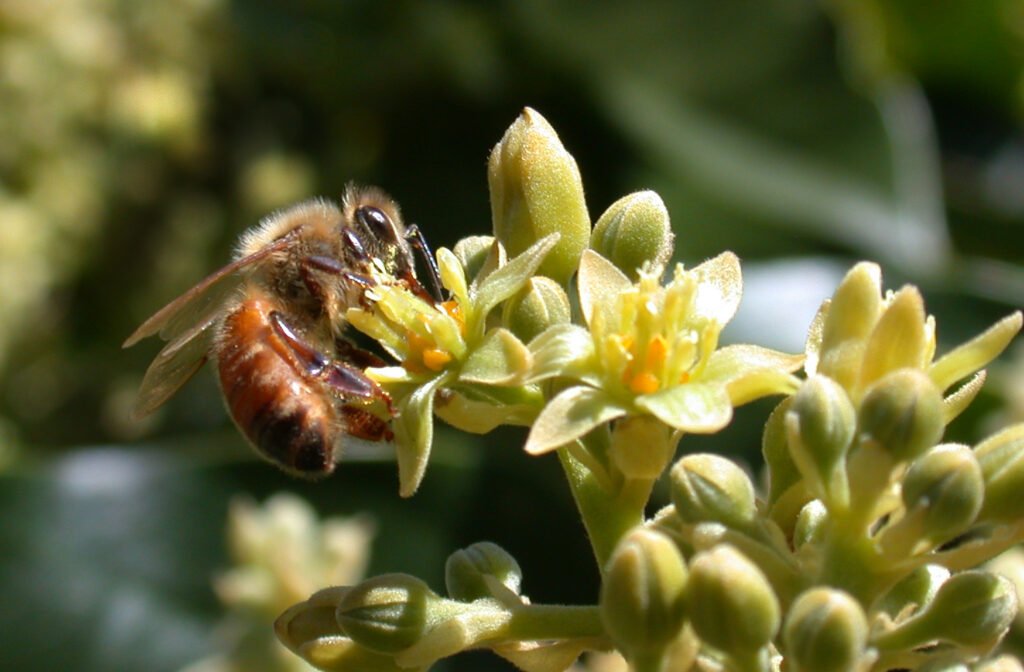
Avocado is one of the specific crop types IPBES counts among those that benefit from animal pollination. Photo: Andrew Mandemaker, CC BY-SA 2.5, via Wikimedia Commons.
Why a $342 Billion Range, Not One Number
The width of that range — over $340 billion between the low and high ends — sometimes gets read as evidence the figure is unreliable, but it actually reflects the assessment doing something more honest than a single confident-sounding number would: openly modeling real uncertainty. Pollination-dependent crop value has to be estimated across an enormous number of variables — which crops, in which countries, valued at which market prices, using which specific method for isolating the pollination-attributable share of a crop’s total value from all the other inputs (soil, water, labor, other agronomic factors) that also contribute to a harvest. Different reasonable methodological choices genuinely produce different totals, and IPBES’s assessed range represents the span those legitimate methodological differences produce, rather than sloppiness or guesswork.
How Much of the Food Supply Actually Needs Pollinators
The dollar figure sits alongside two other IPBES statistics that are just as important for understanding what’s actually at stake: more than 75% of the world’s leading food crop types benefit at least partly from animal pollination, and almost 90% of wild flowering plant species depend on animal pollinators to some degree for reproduction. It’s worth being precise about what that 75% figure does and doesn’t mean, since it’s frequently garbled in casual reporting: it describes the share of food crop types that benefit from pollination to some degree, not the share of total global food volume that would disappear without pollinators. IPBES’s own assessment addresses this directly, estimating that roughly one-third of global food volume produced benefits from animal pollination — a real number, but a much smaller one than the 75% crop-type figure, and this site has separately fact-checked the related “one in three bites of food” claim in more detail in this piece on where that specific statistic comes from and where it gets exaggerated. Staple caloric crops like wheat, rice, and maize are wind-pollinated or self-pollinating and don’t depend on animal pollinators at all, which is why the dollar-value figure, the 75% crop-type share, and the roughly one-third volume figure are three numbers worth citing together rather than any single one in isolation.
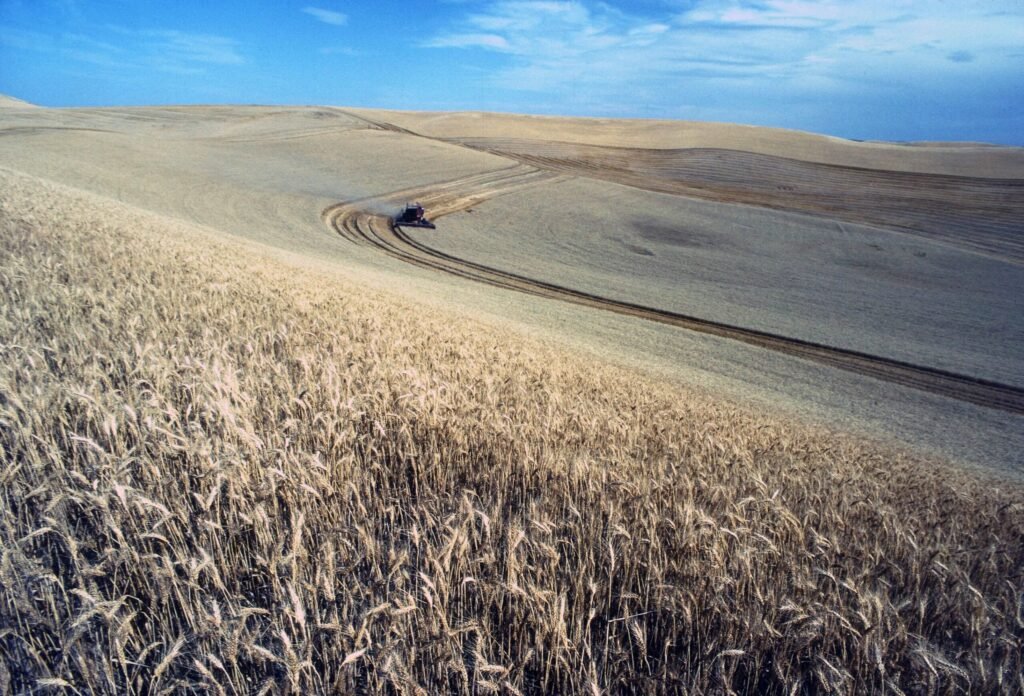
Wheat is wind-pollinated, not insect-pollinated — one reason the “75% of crop types” statistic doesn’t mean 75% of the world’s food supply. Photo: USDA, public domain.
How the Value Actually Gets Captured: Inside the Pollination Rental Market
The IPBES figure describes value that mostly shows up as better yields on crops that were going to be grown anyway — but for one crop, that value is captured through an actual, priced rental market that’s worth walking through, because it’s the clearest real-world illustration of what “the economic value of pollination” means in practice. California’s almond bloom is the single largest managed pollination event on Earth: according to Brittney Goodrich, an agricultural economist at Auburn University writing for The Conversation, roughly 1.7 million honey bee colonies — about 64% of all managed colonies in the United States at the time — were trucked into California for almond pollination in a single season, with growers typically renting about two hives per acre. Pollination fees for almonds averaged around $171 per hive by 2017, more than three times the going rate for pollinating most other crops, and almond pollination alone accounts for over a third of total US beekeeping industry revenue. California’s almond crop itself is valued at roughly $11 billion to the state’s economy, on land producing the large majority of the world’s almond supply. That’s the mechanism behind the abstract global dollar figure: growers who need pollination pay beekeepers directly for it, at a price the market has settled on because the yield benefit is real and measurable — and this site covers the operational side of that same market in more detail in how beekeepers actually price pollination contracts and what hive strength almond contracts typically require. It’s also, not coincidentally, why rented colonies are valuable enough to steal — hive theft around almond pollination season has become its own real crime problem in California, a direct side effect of just how much economic value a single truckload of hives represents during bloom.
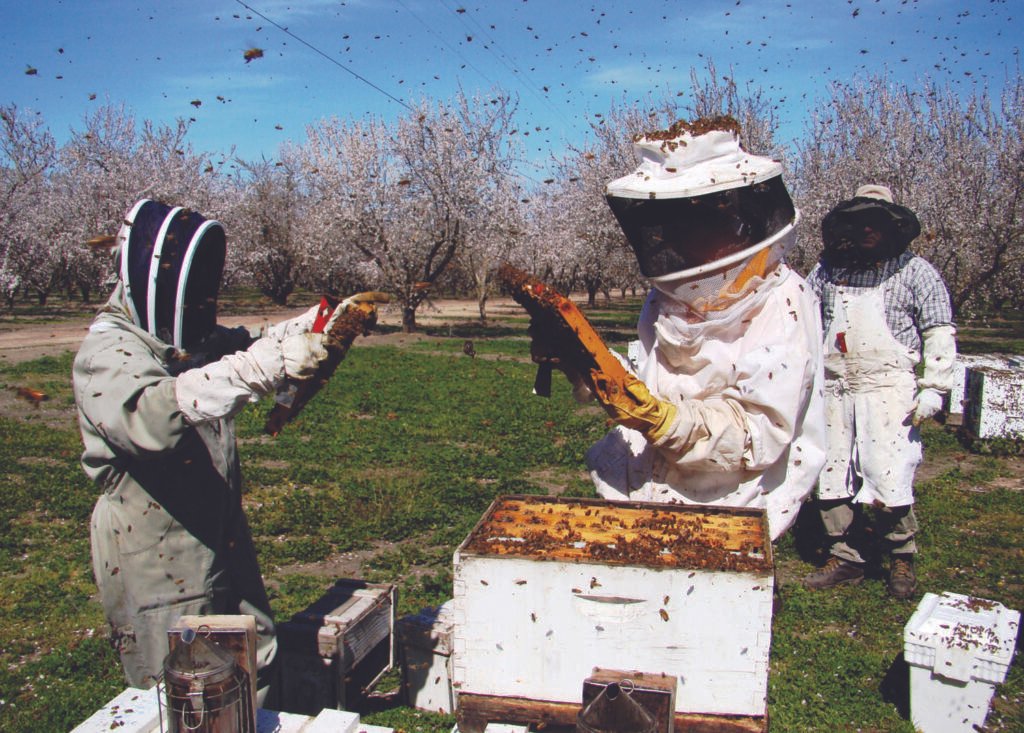
Beekeepers inspecting rented colonies during almond bloom — the single largest managed pollination event in the world by colony count. Photo: Louisa Hooven/Oregon State University, CC BY-SA 2.0, via Wikimedia Commons.
An Earlier, Narrower Estimate: €153 Billion in 2005
The IPBES figure wasn’t the first attempt to put a number on pollination’s economic value, and comparing it to the earlier work helps show how the estimate has evolved. A widely cited 2009 study by Gallai, Salles, Settele, and Vaissière, published in Ecological Economics, calculated the worldwide economic value of insect pollination for the world’s major food crops at €153 billion for the single year 2005, a figure the researchers noted was equivalent to roughly 9.5% of the total value of global agricultural food production that year. The full paper is openly archived and readable here. That earlier estimate covered a narrower crop set and used a different valuation methodology than the later IPBES assessment, so the two numbers aren’t directly comparable on a like-for-like basis — but the consistent takeaway across both is the same: pollination services are worth a meaningful double-digit percentage of global food production value, not a marginal rounding error.
| Study / Source | Year Published | Value Estimated | Scope |
|---|---|---|---|
| Gallai et al., Ecological Economics | 2009 | €153 billion (for 2005) | World’s major food crops, ~9.5% of global agricultural food production value |
| IPBES Global Pollinators Assessment | 2016 | $235–$577 billion annually | Global crop production benefiting from animal pollination |
| U.S. Fish and Wildlife Service, citing federal research | 2026 | ~$34 billion annually | U.S. pollinator contribution to crop yield and quality |
| California almond industry (Goodrich/Auburn University) | 2017 season | ~$11 billion | Single U.S. state, single crop, dependent on rented pollination |
Reading these figures side by side also shows why isolated numbers get misquoted so often in casual coverage: they’re measuring different scopes (global vs. national vs. one state’s single crop), different years, and different methodologies, so citing one figure as though it contradicts another is usually a category error rather than a real discrepancy.
The Other Half of the IPBES Finding: Real Decline Risk
It would be misleading to cite the dollar figure without the assessment’s other central finding, which is genuinely a warning rather than good news. The same IPBES assessment modeled the flip side of the value figure: if pollinator decline continues, it projected a potential annual net loss of $160–191 billion in economic welfare to crop consumers and producers worldwide, plus a further $207–497 billion in losses to non-crop markets (forestry, food processing, and related sectors that also depend on pollinated inputs). Those aren’t abstractions layered on top of the headline number — they’re the assessment’s own estimate of what erodes if the pollinator populations generating that value keep shrinking.
IPBES assessment co-chair Simon Potts, an ecologist at the University of Reading, has pointed out that Europe and North America have experienced severe declines in a number of wild pollinator populations even during a period when global managed honeybee hive numbers were rising overall — a distinction covered in more detail in this site’s look at how many honey bee colonies actually exist worldwide. The assessment separately found roughly 9% of European bee and butterfly species are already threatened with extinction, a figure Potts himself cautioned “is probably an underestimate” given how much data on wild pollinator population trends is still genuinely incomplete. Read together, the two findings aren’t in tension: pollination services are worth an enormous, well-documented sum, and the pollinators providing a meaningful share of that value are, in specific regions and species, under real and possibly underreported pressure at the same time — a dynamic this site also tracks in the context of rising demand for rented pollination services in U.S. agriculture and what’s driving that demand higher over time.
“Europe and North America have experienced severe declines” in a number of wild pollinator populations, and the 9% of European bee and butterfly species already assessed as threatened with extinction “is probably an underestimate.”
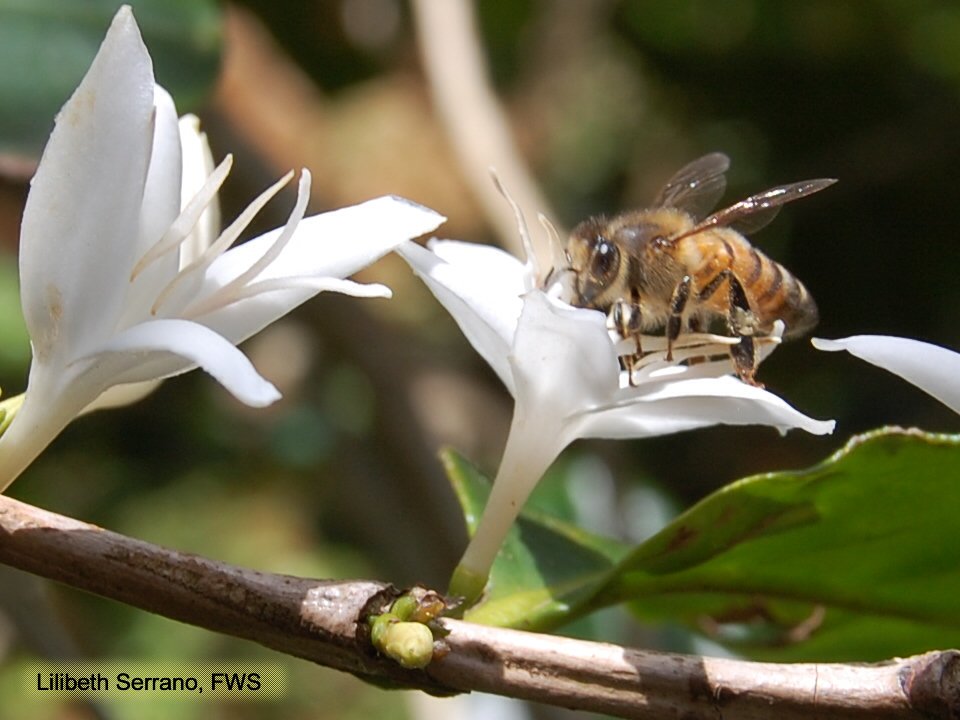
Coffee is among the export cash crops — alongside cocoa and, shown earlier, almonds and avocados — that IPBES identifies as economically important and pollination-dependent, particularly for producer economies in the developing world. Photo: U.S. Fish and Wildlife Service, public domain.
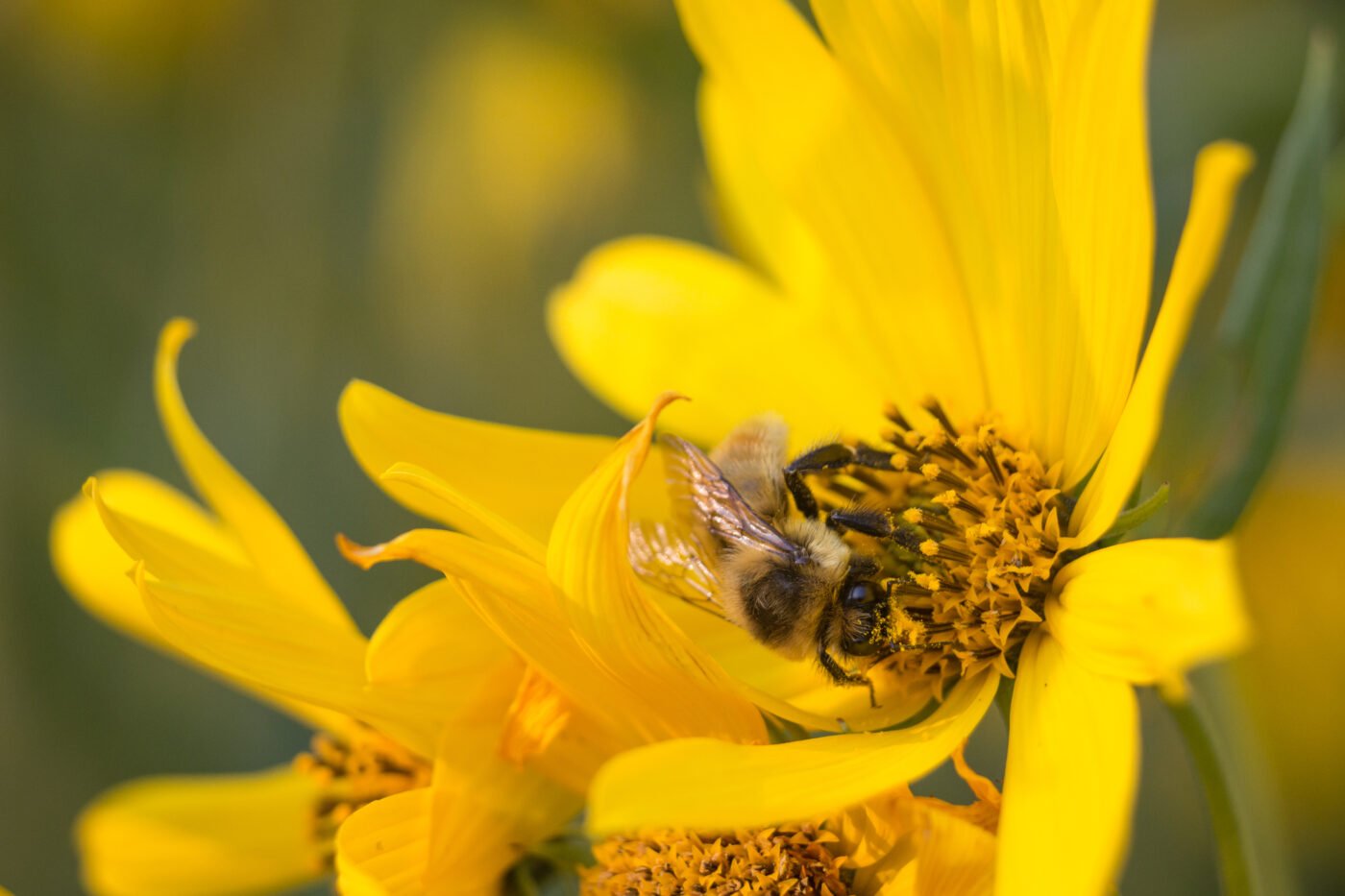
The crop categories behind these figures aren’t limited to fruit and tree nuts, either. Gallai et al.’s 2009 breakdown found edible oilseed crops — sunflower among them — represented one of the largest single categories of pollination-attributable value, alongside fruits and vegetables.
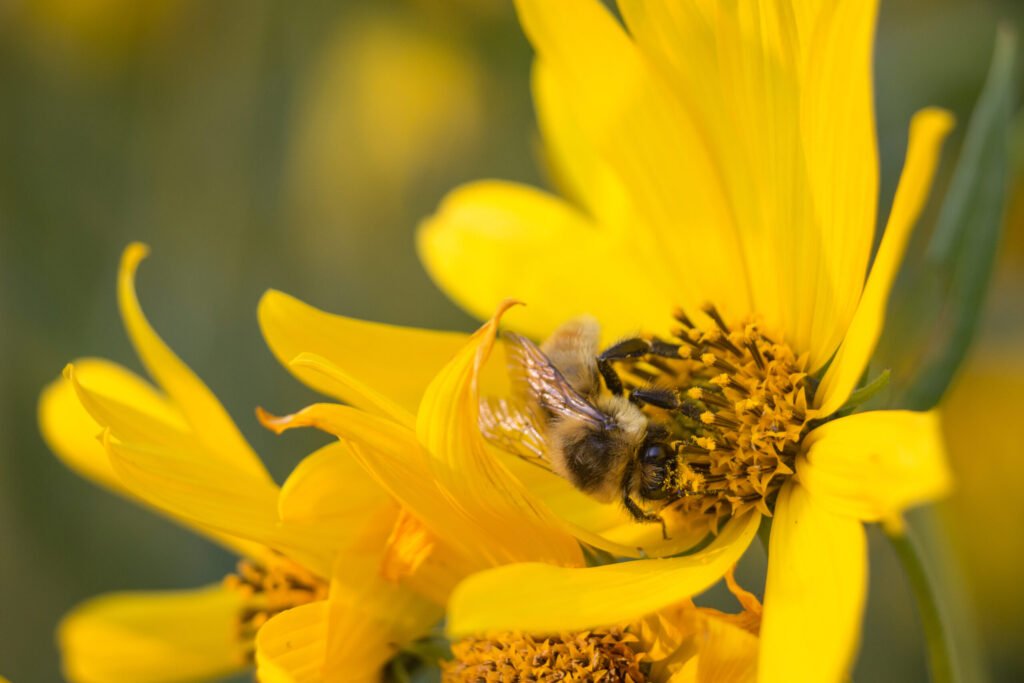
Edible oilseed crops like sunflower are one of the crop categories that make up a large share of the pollination-value estimates. Photo: NPS/Neal Herbert, public domain.
Frequently Asked Questions
What is the actual dollar value of pollination worldwide?
The IPBES Global Pollinators Assessment (2016) put the annual value of pollinator-dependent global crop production at $235 billion to $577 billion.
What percentage of food crops need pollinators?
More than 75% of the world’s leading food crop types benefit at least partly from animal pollination, though staple caloric crops like wheat, rice, and corn are largely wind-pollinated or self-pollinating and aren’t included in that dependency. IPBES separately estimates only about one-third of global food volume actually depends on animal pollination.
Who produced the $235-577 billion estimate?
The figure comes from the Intergovernmental Science-Policy Platform on Biodiversity and Ecosystem Services (IPBES), an international scientific body, in its 2016 Global Pollinators Assessment.
Does rising global honeybee hive numbers mean pollinators aren’t actually declining?
No. Global managed honeybee colony counts have risen overall, but this doesn’t reflect the status of wild pollinators — IPBES specifically documents severe declines in various wild bee and butterfly populations in Europe and North America occurring at the same time.
Why do different sources cite different pollination-value figures?
Earlier and later studies used different crop sets, years, and valuation methodologies — for example, a 2009 study calculated €153 billion for 2005 alone using a narrower approach than the broader 2016 IPBES assessment — so figures from different studies aren’t always directly comparable.
How much do farmers actually pay to rent bees for pollination?
It varies a lot by crop, but almond pollination — the largest managed pollination market in the US — averaged around $171 per hive by 2017, more than three times the typical rate for most other crops, according to agricultural economist Brittney Goodrich of Auburn University.
What happens economically if pollinators keep declining?
The same IPBES assessment that produced the $235–577 billion figure also modeled the downside: a potential $160–191 billion annual welfare loss to crop consumers and producers, plus another $207–497 billion in losses to non-crop markets, if pollinator decline continues.