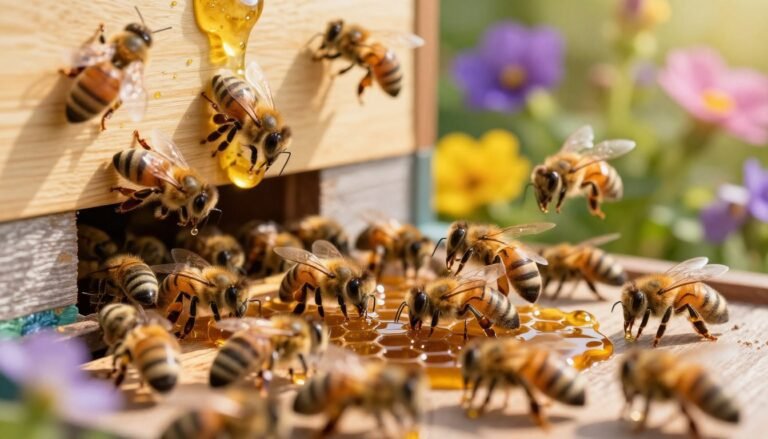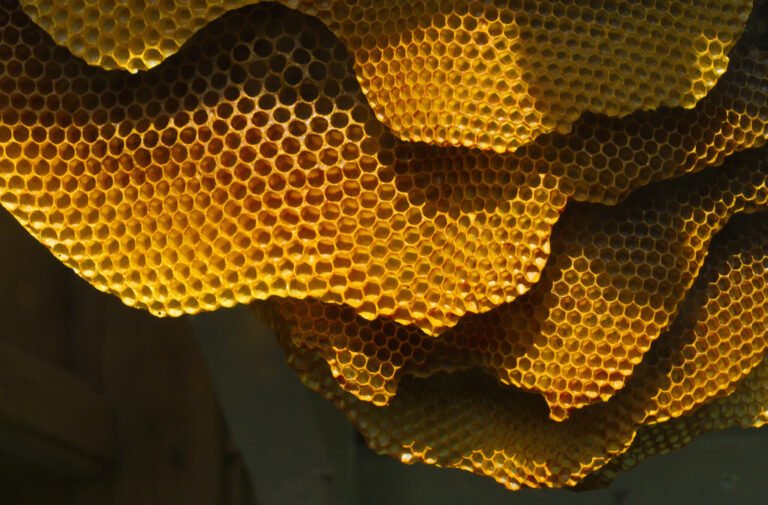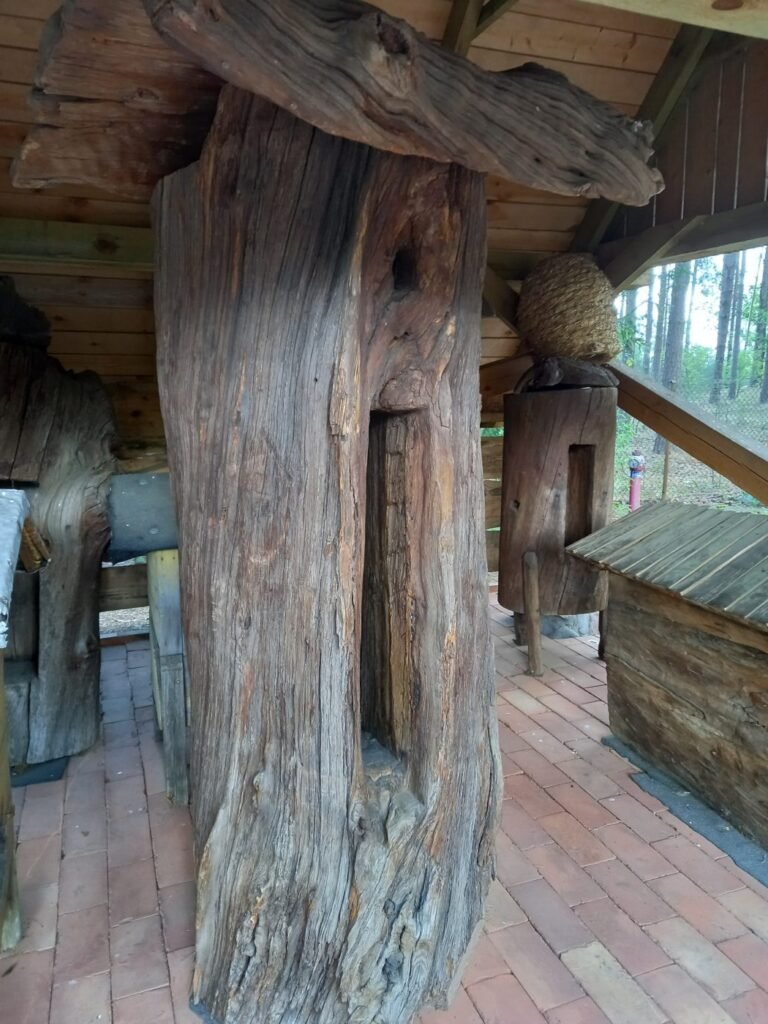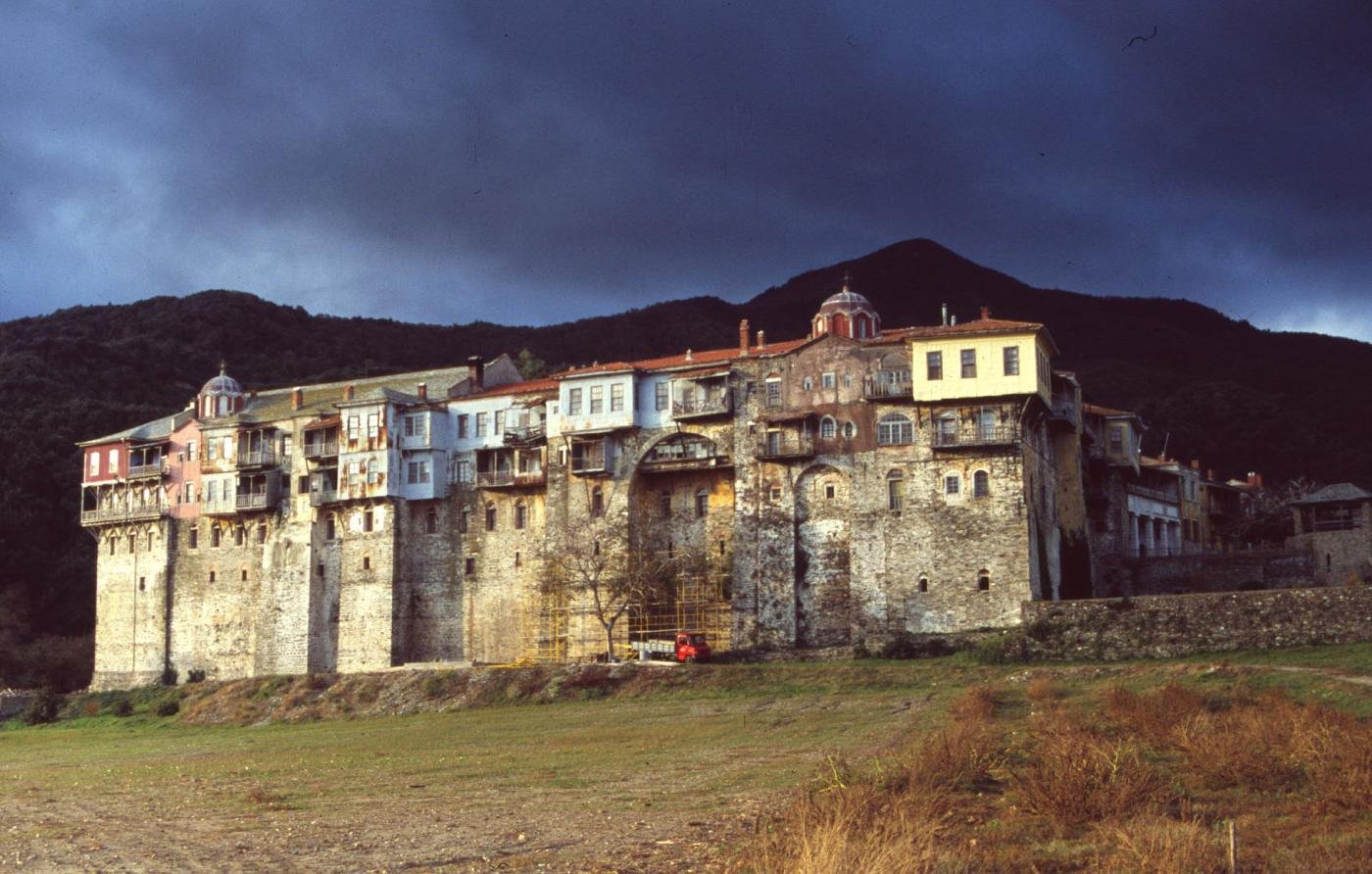
Mount Athos, the self-governing peninsula in northern Greece that has housed Eastern Orthodox monasteries for over a thousand years, is also home to a working beekeeping tradition — monks at Athos’s twenty monasteries keep bees and produce honey, including a distinctive dark chestnut-blossom honey, as part of the same small-scale agricultural self-sufficiency that has sustained monastic life there since the Byzantine era. It’s a genuinely different kind of monastic beekeeping story than Buckfast Abbey’s famous 20th-century breeding program — Athos’s tradition is older, Orthodox rather than Catholic, spread across multiple independent monastic communities rather than one abbey, and tied directly to the fasting calendar that shapes what monks eat throughout the year.
Key Takeaways
- Mount Athos is an autonomous monastic republic on a peninsula in northeastern Greece, home to twenty Eastern Orthodox monasteries under the spiritual authority of the Ecumenical Patriarchate of Constantinople.
- Beekeeping is one of several small-scale agricultural activities — alongside wine, olive oil, and produce — that individual Athonite monasteries have maintained for centuries as part of their economic and dietary self-sufficiency.
- Honey plays a specific dietary role tied to the Orthodox fasting calendar: on fasting days, when meat, dairy, and often fish are excluded, honey is one of the foods monks can still rely on for calories and sweetness.
- Individual monasteries, including Vatopedi and others, sell their own-produced honey — including a distinctive dark, chestnut-blossom honey typical of the peninsula’s forest cover — as part of supporting the monastery financially.
- Unlike Buckfast Abbey’s Brother Adam, who ran a deliberate, documented bee-breeding research program, Athonite beekeeping is a continuous practical tradition rather than a single named breeding project — a genuinely different model of “monks and bees” within the same broader category.
Table of Contents
- What Mount Athos Actually Is
- Why Monasteries Keep Bees
- The Honey Itself
- How This Differs From Buckfast Abbey
- Frequently Asked Questions
What Mount Athos Actually Is
Mount Athos is a mountainous peninsula in the Chalkidiki region of northern Greece that has functioned as a self-governing monastic state since the Byzantine period, under Greek sovereignty but with its own long-standing administrative autonomy and under the spiritual authority of the Ecumenical Patriarchate of Constantinople. Twenty monasteries — along with numerous smaller sketes, cells, and hermitages — house monks living under Eastern Orthodox monastic rule, some tracing their founding back close to a thousand years. Access to the peninsula is tightly restricted (women are barred entirely, and male visitors need advance permits), which has helped preserve both the religious character of the site and its traditional, low-mechanization approach to agriculture, including beekeeping.
Why Monasteries Keep Bees
Beekeeping at Athos fits into a broader pattern of monastic self-sufficiency that has shaped how Orthodox monasteries have fed and financially sustained themselves for centuries: growing their own produce, pressing their own olive oil, making their own wine, and keeping bees for honey and wax. Honey carries particular dietary importance because of the Orthodox liturgical fasting calendar, which restricts meat, dairy, and often fish and oil on a large number of days across the year, including all of Great Lent. On those fasting days, honey remains one of the few concentrated, calorie-dense foods monks can still eat, making apiculture a practical dietary asset rather than a purely commercial or hobbyist pursuit.
The Honey Itself
Athos’s dense forest cover — including extensive chestnut woodland — shapes what the peninsula’s bees forage on and, in turn, what the finished honey tastes like. Chestnut-blossom honey from Mount Athos is typically described as notably dark, less sweet, and slightly more bitter than lighter floral honeys, with a distinctive, full-bodied aroma that beekeepers and honey buyers associate specifically with chestnut forage. Individual monasteries — Vatopedi among them — produce and sell their own honey directly, alongside other monastery-made products like wine and incense, as one of the ways Athonite communities generate income to support the monastery without relying on external funding.
How This Differs From Buckfast Abbey
Readers of this site’s existing profile of Buckfast Bees and Brother Adam’s breeding program will recognize the general shape of “a monastery known for its beekeeping” — but the two traditions differ in almost every specific. Buckfast is a single English Benedictine abbey where one monk, Brother Adam, ran a deliberate, decades-long, scientifically documented breeding program aimed at producing a specific hybrid bee strain resistant to disease. Athos is a cluster of twenty independent Eastern Orthodox monasteries where beekeeping has continued as an ordinary part of monastic agricultural life for centuries, without a single named breeding program or a specific bee strain associated with it. One tradition produced a globally distributed genetic line of bees; the other has simply kept bees, generation after generation, as one part of a much older self-sufficiency model largely unchanged by modern commercial breeding. General information on the Athonite monastic community and its way of life is maintained by the official Athos information portal at mount-athos.org.
Frequently Asked Questions
Do the monks at Mount Athos actually keep bees?
Yes. Beekeeping is one of several small-scale agricultural traditions maintained by individual Athonite monasteries, alongside wine, olive oil, and other produce, as part of the peninsula’s long-standing self-sufficiency.
Why is honey important in Orthodox monastic life?
The Orthodox Church’s fasting calendar restricts meat, dairy, and often fish and oil on many days throughout the year. Honey remains permissible on fasting days, making it a practical, calorie-dense food source within those dietary rules.
What does Mount Athos honey taste like?
Monasteries on Athos are particularly known for chestnut-blossom honey, drawn from the peninsula’s extensive chestnut forests — typically dark, less sweet, and slightly more bitter than lighter floral honeys, with a pronounced aroma.
How is this different from Buckfast Abbey’s beekeeping?
Buckfast is one Benedictine abbey where a single monk ran a documented, decades-long bee-breeding research program. Athos is twenty separate Orthodox monasteries where beekeeping has continued as ordinary agricultural practice for centuries, without a comparable formal breeding program.
Can anyone visit Mount Athos to see this firsthand?
Access is tightly restricted — women are not permitted on the peninsula at all, and male visitors need an advance permit and must follow strict conduct rules, reflecting Athos’s status as an active religious community rather than a general tourist site.