
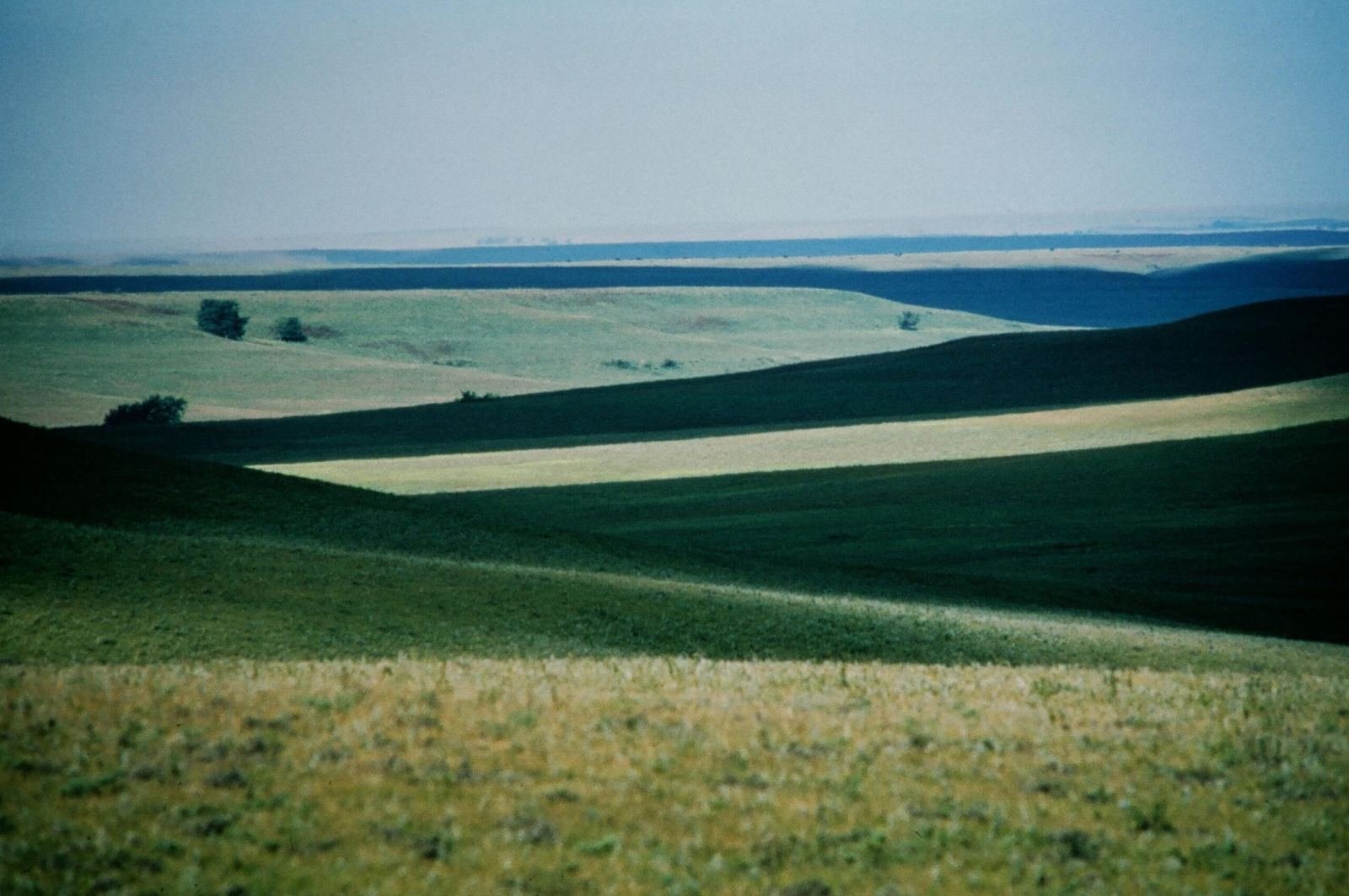
Beekeeping in a continental climate — the Great Plains and much of the interior United States, from the Dakotas down through Kansas and Oklahoma — means managing colonies through the widest temperature swings and the strongest sustained wind of any U.S. region, on top of a nectar flow that’s often short, intense, and followed by a long summer dearth rather than a steady season-long trickle. It’s a genuinely different set of constraints from the humid Southeast, the arid Southwest, or the mild Pacific coast this site has already covered climate-by-climate — the defining challenge here isn’t heat, humidity, or drought alone, it’s the range between extremes and the wind that comes with open, unbroken terrain.
Key Takeaways
- A continental climate is defined by extreme seasonal and even daily temperature swings — Chicago, in the same broad climate band as the Great Plains, can see roughly -30°C wind chills in winter and 40°C heat waves in summer.
- Honey bees fly efficiently between about 10–40°C, with optimal foraging around 20–30°C; below 10°C they cluster and stop foraging entirely, which happens often and abruptly in this region.
- Sustained wind above roughly 1.6–6.7 m/s measurably reduces foraging efficiency — a much bigger day-to-day factor here than in more sheltered climate zones.
- Regional forage (sweet clover, alfalfa, sunflower) tends to produce one strong, concentrated nectar flow rather than a season-long spread, followed by a real summer dearth.
- The University of Nebraska–Lincoln runs an actual Great Plains Master Beekeeping program, confirming this is a genuine, established regional beekeeping category — not an invented framing.
Table of Contents
- What Makes a Climate “Continental”
- Temperature Swings and What They Do to a Colony
- Wind: The Other Great Plains Variable
- The Short, Intense Nectar Window
- Managing the Compressed Spring-to-Fall Window
- A Real Regional Resource
- Frequently Asked Questions
What Makes a Climate “Continental”
Continental climates dominate the interior of North America, from the Great Plains states — the Dakotas, Nebraska, Kansas, Oklahoma, and parts of neighboring states — up through the Upper Midwest and into the northeastern states. What sets a continental climate apart from the climate zones this site has already covered, like the arid Southwest or the Mediterranean-type California coast, isn’t any single extreme so much as the sheer range between extremes: the same location can plausibly see a wind chill near -30°C in January and a heat wave near 40°C in July, with far less of the moderating ocean or large-lake influence that keeps coastal and Pacific Northwest climates comparatively narrow-banded year-round. That range, not just the cold or the heat individually, is what a beekeeper in this region is actually managing around.
Temperature Swings and What They Do to a Colony
According to a peer-reviewed review of short-term weather impacts on honey production, honey bees fly efficiently across a fairly narrow band, roughly 10–40°C, with the most efficient foraging happening between about 20–30°C. Below roughly 10°C, bees cluster tightly inside the hive to conserve heat rather than fly, which shuts down foraging immediately regardless of what’s blooming outside. In a continental climate, the practical problem isn’t a single hard winter — it’s how often and how abruptly the colony crosses that 10°C threshold in both directions during spring and fall, sometimes within the same week, which makes the shoulder seasons far less predictable to manage than in a climate with a gentler ramp between winter and summer.
Wind: The Other Great Plains Variable
Wind speeds above roughly 1.6–6.7 meters per second measurably reduce foraging efficiency, and sustained wind at that level or higher is a routine, not occasional, condition across the open, largely unbroken terrain of the Great Plains — a bigger day-to-day factor here than in most other U.S. beekeeping regions. The standard regional response, reflected in siting guidance documented for South Dakota beekeepers, is to place hives with a windbreak to the west and north and let the ground slope gently to the east and south, so entrances face away from the prevailing wind rather than into it. That windbreak isn’t a one-time setup decision either: as trees and shrubs leaf out or die back with the season, their effectiveness as a windbreak changes, and beekeepers in this region generally need to reassess windbreak placement as the growing season progresses rather than treating it as solved once at initial siting.
The Short, Intense Nectar Window
Rather than a long, gradually shifting sequence of blooms, much of the Great Plains nectar flow is concentrated into a shorter, more intense window built around a small number of dominant regional crops and forage plants: sweet clover, alfalfa, and — especially further south — sunflower, which in good conditions can produce on the order of 30–50 kg of honey per hectare planted. Because sweet clover is biennial and alfalfa and sunflower bloom on their own compressed schedules, the region’s honey flow tends to arrive as one strong, concentrated push rather than a season-long trickle, followed by a real summer dearth once that bloom window closes — a materially different management rhythm than a climate with several overlapping bloom sources spread across more of the year.
Managing the Compressed Spring-to-Fall Window
The same temperature volatility that makes spring and fall unpredictable also compresses the practical management calendar. A late, abrupt warm-up can bring colonies out of cluster and into rapid spring buildup within days rather than the gradual multi-week ramp a milder climate allows, which means spring inspections need to start on temperature cues (consistently above roughly 10°C) rather than a fixed calendar date, and swarm-prevention checks can’t be pushed back the way they might be in a slower-warming region. The same volatility runs in reverse each fall: an early hard freeze can arrive before a colony has finished converting fall feeding into capped winter stores, so feeding earlier and more aggressively once nighttime temperatures start dropping into the single digits Celsius is a safer default here than in climates with a longer, gentler cool-down. Because the region’s main nectar flow is itself compressed into a shorter window, as covered above, colonies also have less margin to recover from a late spring or an early fall than they would in a climate offering a longer working season to make up the difference.
A Real Regional Resource: Great Plains Master Beekeeping
This isn’t an invented regional framing — the University of Nebraska–Lincoln, through its Institute of Agriculture and Natural Resources, runs an actual Great Plains Master Beekeeping (GPMB) program, offering structured online modules and hands-on training at teaching apiaries under the stated mission of “beekeepers making better beekeepers” through evidence-based practice. Its existence as a standing, university-backed regional program is itself confirmation that Great Plains/continental-climate beekeeping is treated as a genuinely distinct regional category within the beekeeping education world, not just a gap between other, better-known climate zones.
Frequently Asked Questions
What states count as “continental climate” for beekeeping purposes?
Primarily the Great Plains states — the Dakotas, Nebraska, Kansas, Oklahoma — extending into parts of the Upper Midwest and Northeast, anywhere lacking a large moderating body of water and experiencing wide seasonal and daily temperature swings.
Why is wind such a bigger deal here than in other climates?
The Great Plains’ open, largely unbroken terrain offers little natural wind shelter, so sustained wind speeds capable of measurably reducing bee foraging efficiency are a routine daily condition rather than an occasional weather event.
Do I need a windbreak if I already have some trees near my hives?
Existing trees help, but effectiveness changes through the season as they leaf out or lose leaves, so it’s worth reassessing windbreak coverage as the growing season progresses rather than assuming it’s a one-time setup task.
Why does the honey flow feel so short in this region compared to other climates?
Regional forage is concentrated in a smaller number of dominant bloom sources — sweet clover, alfalfa, sunflower — that bloom on their own compressed schedules, producing one strong push rather than a season-long spread, followed by a real summer dearth.
Is Great Plains beekeeping really different enough to be its own category?
Yes — enough that the University of Nebraska–Lincoln runs a dedicated Great Plains Master Beekeeping program specifically for it, distinct from general Midwest or cold-climate beekeeping guidance.


