Beekeeping in the humid Southeast trades one set of problems for another: instead of a hard winter, the defining challenge is managing moisture and a pest that barely exists as a concern anywhere else in the country. The small hive beetle, now firmly established across the region, actively causes honey and pollen to ferment through a yeast it carries in its own waste — a genuinely regional problem with a specific, traceable origin story most “humid climate” beekeeping advice never mentions. Add hurricane season’s real, physical risk to an apiary, and Southeast beekeeping ends up being defined less by heat itself and more by everything humidity and Gulf-adjacent weather bring with it.
Key Takeaways
- The small hive beetle (Aethina tumida) is native to South Africa and has been established in the Southeast since its first confirmed U.S. detection near Charleston, SC in 1996, followed by severe Florida damage reports in 1998 — it’s a genuinely regional pest pressure, not a minor nuisance found everywhere.
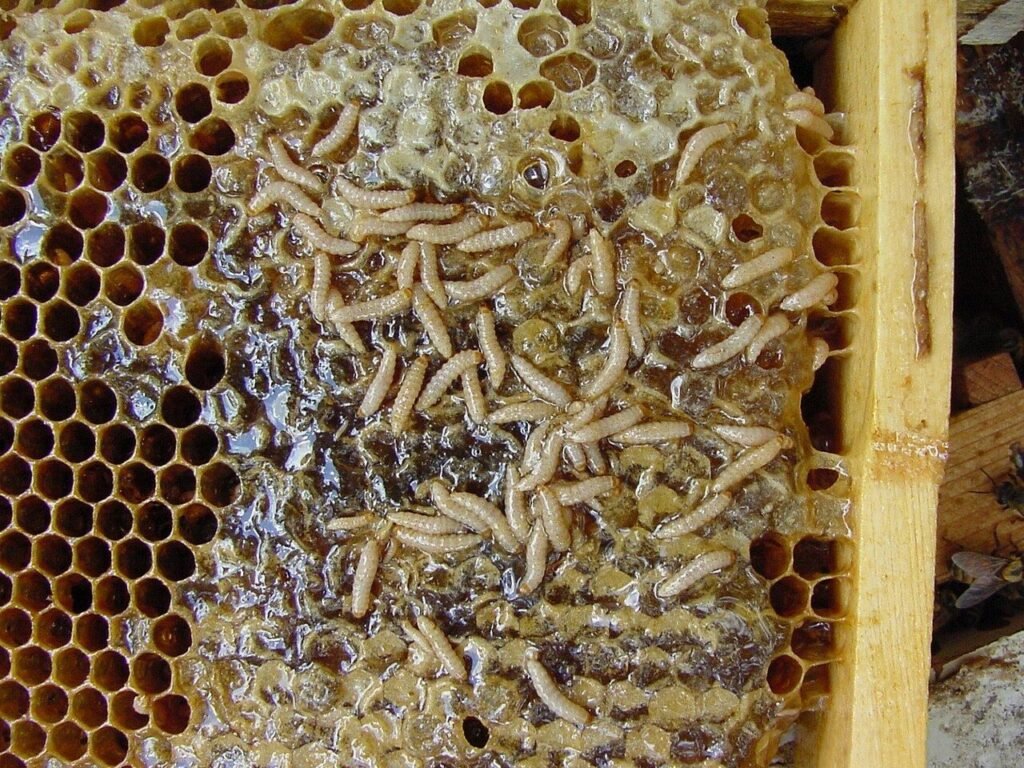
- Small hive beetle larvae don’t just eat honey, pollen, and brood — they defecate a yeast (Kodamaea ohmeri) into honey that causes it to ferment and “slime out,” ruining comb and honey stores in a way few other pests do directly.
- Ventilation, not insulation, is the core hive-management principle in humid climates — screened bottom boards, upper entrances, and elevated hive stands all reduce the condensation and stagnant moisture that mold, chalkbrood, and small hive beetles all favor.
- The Southeast’s long, warm growing season is a genuine advantage most other regions don’t get — nectar and pollen availability stretches close to year-round in much of the region, supporting stronger, more consistent honey production than shorter-season climates.
- Hurricane preparedness is a real, physical part of Southeast beekeeping specifically: securing hives with ratchet straps, anchoring stands, and moving apiaries to higher ground ahead of a storm are standard regional practice, not generic advice.
Table of Contents
- What Makes the Humid Southeast Different for Bees
- Moisture Management: Ventilation Over Insulation
- The Small Hive Beetle: A Genuinely Regional Pest
- Chalkbrood, Nosema, and Honey Fermentation Risk
- The Upside: A Near Year-Round Forage Season
- Hurricane Season: A Real, Physical Risk to the Apiary
- Where to Get Local Support
- Frequently Asked Questions
What Makes the Humid Southeast Different for Bees
Across Florida, Georgia, the Carolinas, Alabama, Mississippi, and the Gulf Coast, heat is rarely the beekeeping problem on its own — it’s heat combined with persistently high humidity, which changes what actually goes wrong inside a hive. Where a dry-climate hive mainly needs help holding onto moisture, a Southeast hive needs help getting rid of it. Trapped moisture condensing inside a hive box creates the exact conditions mold, certain brood diseases, and one specific, well-established pest all thrive in.
Moisture Management: Ventilation Over Insulation
The core adjustment for Southeast hive management is airflow, not warmth retention. Screened bottom boards let humid air move through rather than pool at the bottom of the hive. An upper entrance gives rising warm, moist air somewhere to escape besides condensing on the inner cover. Elevating hive stands off the ground improves airflow underneath and keeps the hive further from ground-level humidity and standing water after the region’s frequent heavy rain. None of this is about cooling the hive down the way shade and ventilation do in a dry desert climate — it’s specifically about preventing moisture from accumulating inside the box in the first place.
The Small Hive Beetle: A Genuinely Regional Pest
Most U.S. regions deal with Varroa mites as their primary pest concern. The Southeast has that too, but layers on a second, more regionally specific problem: the small hive beetle (Aethina tumida), native to sub-Saharan Africa, where it coexists relatively harmlessly with the Cape honey bee. It was first confirmed in the United States near Charleston, South Carolina in 1996, believed to have arrived via cargo ship, and by May 1998 a beekeeper in St. Lucie County, Florida had documented severe colony damage — the first record of the beetle causing serious harm in the Western Hemisphere. It spread from South Carolina through Georgia into Florida and has remained an established, ongoing pressure across the warm, humid Southeast ever since, in a way it simply isn’t for beekeepers in most colder or drier regions.
What makes the small hive beetle particularly damaging isn’t just that larvae eat brood, pollen, and honey — it’s that beetles defecate a yeast, Kodamaea ohmeri, directly into honey, which ferments it and causes what beekeepers call “sliming out”: a foul-smelling, fermented mess that can force a beekeeper to discard comb entirely rather than salvage it. Warm, wet soil (which the beetle’s larvae need to pupate in) is exactly what much of the Southeast provides in abundance, which is a large part of why the pest has never really gone away here the way it has in drier regions where it also occasionally turns up.
Chalkbrood, Nosema, and Honey Fermentation Risk
Small hive beetles aren’t the only humidity-favored problem. Chalkbrood, a fungal brood disease, and nosema, a gut pathogen, both spread more readily in damp, poorly ventilated hives than in drier climates. There’s also a honey-specific risk worth planning around at harvest time: uncapped honey with excess moisture can ferment in the comb before it’s ever extracted, which is why many Southeast beekeepers pull and dry supers of uncapped honey rather than leaving them in a humid hive longer than necessary, and why checking moisture content before extraction matters more here than in a dry climate where honey naturally cures faster.
The Upside: A Near Year-Round Forage Season
The same warmth and humidity that create moisture and pest challenges also support one genuine advantage: a long, often near-continuous flowering season across much of the region, compared to the sharply bounded single growing season of a colder climate or the compressed two-window pattern of a desert climate. That translates to more consistent nectar and pollen availability across more of the year, and often stronger overall honey production, as a real trade-off against the added disease and pest management work.
Hurricane Season: A Real, Physical Risk to the Apiary
This is a genuinely regional consideration that simply doesn’t apply to most of the country: coastal and near-coastal Southeast apiaries face real hurricane risk for several months of the year. Standard regional practice, drawn from guidance published by USDA Climate Hubs and university extension programs in the region, includes securing hive bodies and lids with ratchet straps (both vertically around the stack and horizontally to a driven t-post or rebar anchor), moving hives to higher ground ahead of expected flooding, and tilting hives slightly so trapped water can drain rather than submerging the entrance. A submerged or entrance-blocked hive during a flood event can drown an entire colony, which makes this a genuine loss-prevention step, not an abundance-of-caution afterthought, for anyone keeping bees along the Gulf or Atlantic coast.
Where to Get Local Support
The University of Florida IFAS Honey Bee Research and Extension Laboratory is one of the region’s most active resources, running the Master Beekeeper Program, an annual Bee College, and applied research specifically relevant to Southeast conditions, including small hive beetle management and hurricane preparedness guidance. Most Southeast states also have their own extension apiculture programs and state beekeeping associations worth connecting with directly for conditions specific to your county or coastline.
Florida registration and inspection details are in the Florida beekeeping law guide.
Frequently Asked Questions
Why is the small hive beetle such a big deal in the Southeast specifically?
It’s been established in the region since the late 1990s (first confirmed near Charleston, SC in 1996, with severe Florida damage documented by 1998), and the Southeast’s warm, wet soil is ideal for the beetle’s larvae to pupate in, making it a persistent, ongoing pressure here in a way it isn’t for most colder or drier U.S. regions.
What does the small hive beetle actually do to a hive?
Beyond eating brood, pollen, and honey directly, its larvae defecate a yeast into honey that causes fermentation and a foul “sliming out” of the comb, often forcing beekeepers to discard affected comb entirely.
Should a Southeast hive be insulated like a cold-climate hive?
No. The priority here is ventilation to remove excess moisture, not insulation to retain warmth. Screened bottom boards, upper entrances, and elevated hive stands are the core adjustments.
Is honey harvested in humid climates at more risk of fermenting?
Yes, if it’s extracted before it’s fully cured. Uncapped honey with excess moisture can ferment in the comb, which is why many Southeast beekeepers dry uncapped supers before extraction rather than leaving them in a humid hive.
How should beekeepers prepare hives for hurricane season?
Secure hive bodies and lids with ratchet straps (vertically and horizontally to an anchor point), move hives to higher ground ahead of expected flooding, and tilt hives slightly so water can drain rather than submerging the entrance.
Is there any upside to beekeeping in a humid climate?
Yes — a long, often near-continuous flowering season across much of the Southeast supports more consistent forage availability and often stronger overall honey production compared to shorter-season climates.
For more background on this, see University of Florida IFAS Extension.
Related Reading
Image credits: Photo: Bald Cypress swamp and Spanish Moss at First Landing State Park, Virginia Beach, VA. Photo by Lago Mar, licensed CC BY-SA 3.0, via Wikimedia Commons.