Last Updated September 15, 2026
Along U.S. shorelines, milder microclimates and sea breezes can extend bloom periods and create distinctive honey profiles. These areas offer longer forage windows, but they also bring salt spray, higher winds, and storm exposure that demand planning.
Practical measures matter. Secure hives against gusts, favor corrosion-resistant hardware, and provide onsite fresh water where natural sources are scarce. Sites across sand, marsh, or tidal creeks often need carts or boats for access.
This activity touches sensitive shorelines and forests, so conservation, permits, and community engagement are as important as production. Fast-moving storms and habitat change require contingency planning and local support.
What follows will take an evidence-informed view of site selection, gear choices, water provisioning, storm readiness, and how coastal apiaries can support local livelihoods while respecting protected areas and mangroves.
Key Takeaways
- Coastal areas can extend bloom windows but add salt, wind, and storm risks.
- Use corrosion-resistant gear and secure hive placement for durability.
- Plan for water access, site logistics, and emergency storm protocols.
- Balance productive hives with conservation and regulatory compliance.
- Local mentors and conservation groups help build resilience and support.
Table of Contents
Beekeeping in coastal ecosystems today: blooms, bees, and local context
Moderated seaside climates stretch flowering calendars, giving hives access to staggered nectar sources across many months.
Longer bloom windows mean wildflowers, salt-tolerant shrubs, and nearby crops flower at different times. This sequencing supplies steady forage that helps colonies maintain brood cycles and steady foraging through much of the year.
Longer blooming seasons and diverse nectar sources along U.S. coasts
Plant diversity—from dune flowers to maritime forest trees—creates distinctive honey flavors. Producers can position premium varietals by tracking which blooms dominate each season.
Lower pest and disease pressures with natural ventilation and milder climates
Natural ventilation and milder temperatures reduce moisture and heat stress. That can lower pressures from wax moths and small hive beetles, though routine monitoring remains essential for colony health and biosecurity.
Distinct coastal honey profiles and healthier bee colonies through varied flowering
Well-ventilated hives, screened bottom boards, and forage mapping help match hive strength to available nectar. Pair these steps with outreach to local gardeners and farmers to extend flowering continuity across neighborhoods and farms.
- Practical benefit: steadier honey production and better overall health metrics.
- Management tip: combine forage maps with regular hive strength checks to avoid overextension.
- Community role: partner with gardeners and growers to increase pollinator-friendly plantings and water access.
For evidence on traditional and local practices that shape coastal nectar flows, see coastal nectar sources.
Adapting to the shore: practical challenges for hives and beekeepers
Shoreline apiaries demand practical fixes for salt, wind, and sudden storms to keep colonies safe.
Wind, salt, and weather: Place hives behind natural windbreaks such as tree lines or dunes. Angle entrances away from prevailing gusts and raise stands to reduce surge and pooling. Use screened bottom boards for steady ventilation while shielding brood from direct spray.

Gear choices and storm-readiness
Salt rapidly wears metal and wood. Paint boxes, fit stainless fasteners, or use plastic frames to extend equipment quality. Keep ratchet straps, anchor points, and stable stands ready for squalls.
Access, water, and compliance
Scout legal routes, time service visits with tides, and plan carts or small boats to move supplies. Provide clean troughs or floating dishes so bees use safe freshwater and avoid neighbors’ taps.
| Issue | Practical step | Benefit |
|---|---|---|
| Salt corrosion | Paint boxes, stainless screws, plastic frames | Longer equipment life, lower replacement cost |
| Wind & storms | Windbreaks, elevated stands, ratchet straps | Reduced hive loss and brood disturbance |
| Access limits | Route scouting, carts, tide-aware scheduling | Smoother maintenance trips and faster response |
| Freshwater scarcity | Install troughs and floats | Safer bee foraging, fewer neighbor conflicts |
Compliance and resilience: Check local ordinances, apiary registration, and setback rules before siting. Stage spare gear, fuel, and straps, and rehearse consolidation or relocation steps before storm season to maintain support and resilience.
Mangroves as opportunity hubs: livelihoods, conservation, and climate resilience
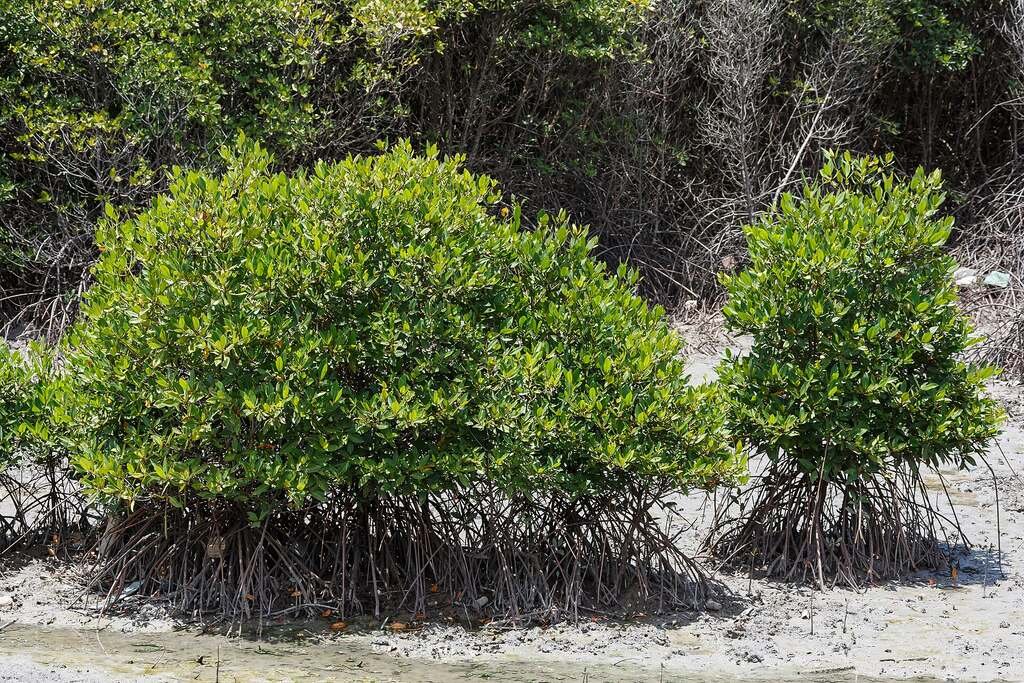
Flowering mangrove trees provide rich nectar pulses that stabilize honey yields across the year.
Video summary: This report covers community-led mangrove restoration in Kenya, showing the same conservation dynamic driving the Gambia and Guatemala beekeeping case studies below — healthy mangroves supporting both nectar flows and coastal livelihoods.
From West Africa to Central America, mangroves link community well-being with restoration and income.
From Gambia to Guatemala: how mangrove flowers sustain nectar flows and bee health
Mangrove flowering often peaks during dry months when inland plants are scarce. That seasonal nectar keeps colonies active and helps maintain steady honey production for a full year.
Women-led enterprise and training: honey, beeswax balms, and value-added products
In southern Gambia, FAO’s GRACE initiative and the Freedom From Hunger Campaign equipped six villages with hives and training. Women learned hive care, harvesting, and processing, then turned beeswax into soaps and balms that sold locally.
Result: extra household income paid school fees and bought daily essentials.
Pollination services, biodiversity gains, and shoreline protection through restoration
Bees visiting mangrove flowers aid pollination that supports forest regeneration. Restoring mangrove stands, planting propagules, and protecting regeneration improve shoreline protection and biodiversity.
Market access, product quality, and year-round income that supports communities
In Guatemala’s Río Sarstún project, residents trained by Fundación Mundo Azul on extraction, bottling, and branding created Ki’il Sarstoon honey to reach new markets. Quality steps and association links help sustain income and reinforce mangrove protection.
| Benefit | Practical action | Community outcome |
|---|---|---|
| Nectar during dry months | Site apiaries near flowering mangroves | Steadier honey yields and healthy colonies |
| Women-led value chains | Training for wax processing and packaging | Increased household income and autonomy |
| Restoration co-benefits | Plant propagules, protect regeneration, adopt efficient stoves | Shoreline protection, less wood pressure, better fisheries |
Conservation pays: when honey and beeswax become reliable revenue, mangrove protection gains local backing.
For projects and to help save mangroves, consider supporting groups that work on restoration and market links, or save mangroves now.
Conclusion
Smart placement, durable gear, and local partners make shore-based beekeeping productive and resilient.
Prioritize corrosion-resistant fixings, screened bottom boards, reliable freshwater, and clear storm plans to protect hive health and steady honey yields.
Lessons from mangrove projects show training, branding, and quality control boost income and support forest restoration. Women-led groups and eco-guards often drive lasting stewardship and local benefits.
Start with a site assessment, map floral resources, plan access, and connect with local associations and extension resources. Continuous review of placements and gear helps colonies weather climate shifts while linking livelihoods and conservation.
FAQ
What are the main benefits of keeping hives near shorelines?
Placing hives near shorelines often means longer flowering seasons and a wider variety of nectar sources. That diversity supports stronger colonies, produces distinct honey flavors, and creates opportunities for year-round income through honey and value-added products like beeswax balms. Coastal flowering plants, including mangrove species, also support local biodiversity and help sustain pollination services for nearby crops.
How do wind, salt spray, and storms affect hive placement and equipment?
Wind and salt spray can damage hive materials and reduce colony comfort. Use corrosion-resistant hardware, orient hive entrances to block prevailing winds, and create windbreaks with fencing or vegetation. Elevate hives on stands to improve ventilation and reduce salt splash. Have a storm-readiness plan to anchor equipment and protect bees during extreme weather.
How do mangrove forests contribute to honey production and local livelihoods?
Mangroves provide abundant, seasonal nectar that sustains bee colonies in many tropical and subtropical regions, from West Africa to Central America. They support unique honey varieties and create income opportunities for coastal communities through honey sales, beeswax products, and ecotourism. Restoring and protecting mangroves also strengthens shoreline resilience against erosion and storm surge.
What legal or permitting issues should be considered before placing hives on coastal lands?
Check local ordinances, state apiary laws, and protected-area rules. Some coastal reserves and mangrove areas require permits or restrict hive placement to protect wildlife. Coordinate with municipal authorities, landowners, and conservation groups to ensure compliance and secure access to appropriate sites.
Can pollination services from coastal hives boost local crop yields?
Yes. Managed colonies near agricultural fields and shore-adjacent gardens increase pollination of fruits, vegetables, and forage crops. That delivers tangible gains in yield and diversity, linking apiculture-based livelihoods with broader food security and ecosystem health.
How do restoration and mangrove protection projects work with beekeepers?
Restoration projects often partner with local beekeepers to plant or protect flowering species, giving bees sustained forage while reinforcing community incentives for conservation. These collaborations can include training, nursery development, and market support to ensure both habitat recovery and reliable livelihoods.
How does climate variability affect coastal colony management and planning?
Climate variability shifts flowering times, nectar flows, and storm frequency. Maintain flexible management: stagger colony strength across sites, build emergency plans for extreme weather, diversify income streams, and support habitat restoration to increase ecological resilience for both bees and people.