Reviewed by Michael R. · How we review
Beekeepers in the United States face clear challenges when a dearth follows dry weather. This intro outlines why drought-linked nectar loss harms honey bees and what practical steps protect colony health across the year.
Seasonal shifts change foraging returns, hive weight, and queen laying. Quick, calm responses save stores and cut robbing risk.
Immediate support focuses on reliable water with safe landings, trimmed inspections to lower stress, and right-sizing boxes so smaller populations can defend themselves. Feed only when needed, placing syrup inside the hive to avoid attracting robbers.
Longer-term work means tracking local weather patterns, planting late-season plants like asters and sunflowers, and keeping clear records so you time interventions to local dearths. This guide ties field-tested tactics to real drought realities for steady, practical management.
Key Takeaways
- Protect the hive and preserve stores with calm, efficient action.
- Provide shallow, dependable water with safe landing spots.
- Limit inspections and avoid exposed or community feeders.
- Feed inside the hive only when populations or stores are low.
- Prepare ahead with forage planning and local weather records.
Table of Contents
- Understanding Dearth and Drought: What They Mean for Honey Bees
- Recognizing Drought-Induced Dearth in Your Hives
- Managing Bees During Drought Conditions: Immediate Actions
- Smart Feeding Strategies Without Triggering Robbing
- Seasonal Management in the United States: Spring, Summer, Fall, Winter
- Long-Term Preparation: Forage, Records, and Colony Strength
- Conclusion
- FAQ
Understanding Dearth and Drought: What They Mean for Honey Bees
A dearth is a blunt drop in available nectar that forces colonies to stretch foraging range and expend more energy. This shortage limits daily returns and stresses the colony’s budget for brood and stores.
Types and timing of dearth in the beekeeping year
There are three common types of dearth. Summer dearth often runs July–September after spring blooms and before fall flowers. Winter dearth arrives with plant dormancy. A drought-induced dearth can strike at any time when lack of rain makes flowers stop producing nectar.
How weather and plant bloom cycles reduce nectar flow
Hot, dry weather and low rainfall force plants to conserve water. They cut nectar secretion and shorten bloom periods. As a result, foraging ranges extend and trips take longer, lowering net gain per trip.
“Tracking local months and years of bloom data helps predict gaps and target water and forage sources early.”
Keep concise records and local calendars to anticipate dearth windows and protect hive health.
Recognizing Drought-Induced Dearth in Your Hives
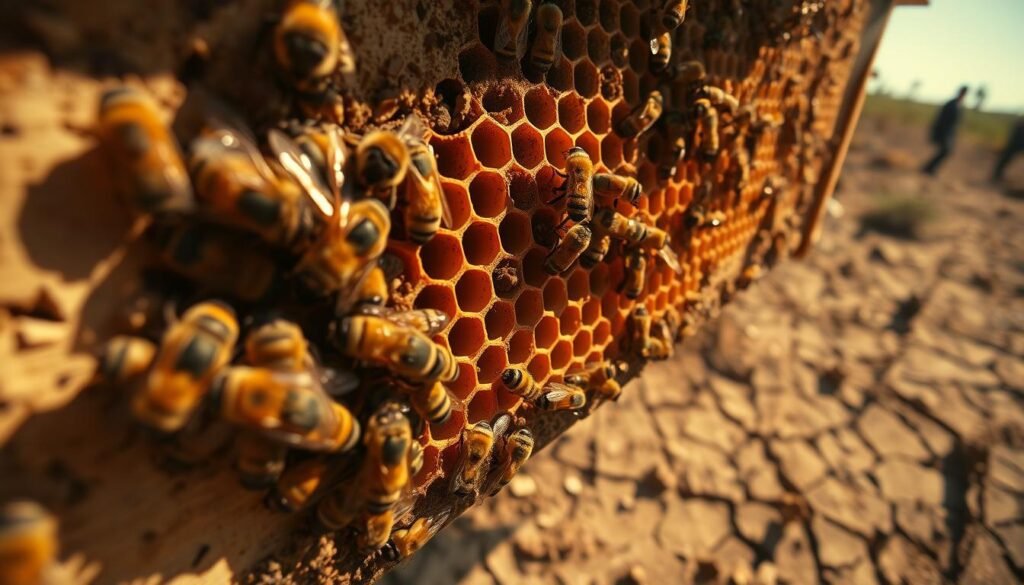
Early warning signs are mostly behavioral and visible at the entrance. Early signs include fewer returning foragers with pollen loads and longer flight times as the search for nectar stretches farther. Watch for increased defensiveness: faster stings and bees following people past the landing board.
Behavioral shifts to watch
Note changes in daily activity: sluggish foraging returns, fewer pollen baskets, and louder, agitated buzzing at the hive mouth. These are often the first clues a colony is cutting costs to preserve stores.
Entrance and in-hive clues
Robbing shows as fighting at the entrance, dead bees on the landing, and bees slipping through cracks. Inside, look for stopped comb drawing, reduced fresh nectar, and a shrinking brood area.
“Compare several hives in the yard; drought-driven dearth usually hits all colonies in an apiary in the same year.”
Quick checks and scales
Experienced beekeepers lift the back of the hive for a quick weight sense. Pair that with a hive scale to track daily honey loss.
| Sign | What to look for | Action |
|---|---|---|
| Flight changes | Longer trips, fewer pollen loads | Record time-stamped activity; limit disturbances |
| Defensive behavior | Faster stings, following | Reduce inspections; tighten entrance |
| Hive weight | Noticeably lighter on lift | Install scale; plan feeding if needed |
| Brood and drones | Fewer eggs, reduced or absent drones | Assess queen health and colony population |
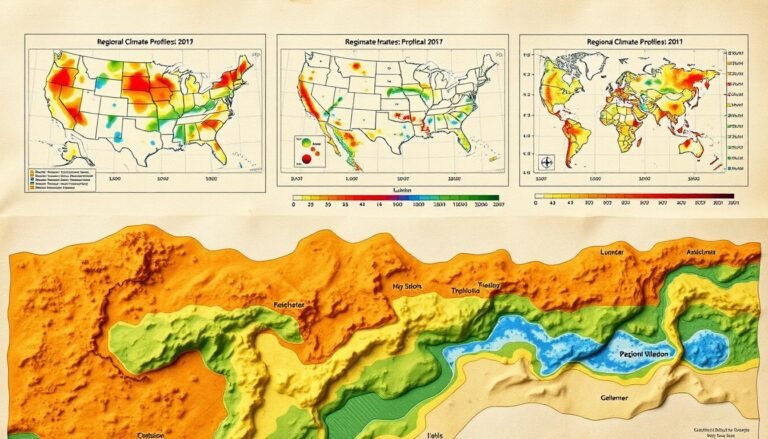
Keep concise, time-stamped notes of activity and combine visual checks with objective weights. This helps you spot patterns faster next year and act before stores collapse. For regional planning and broader tactics, see beekeeping in different climates.
Managing Bees During Drought Conditions: Immediate Actions
Begin by supplying safe water, shrinking exposed space, and moving only when essential to preserve heat and calm.
Provide reliable water and safe landings
Set out shallow containers such as bowls, bird baths, trays, or pans with stones, wood pieces, or moss for landings. Place these near the hive but not at the entrance to cut drifting and reduce traffic.
Refill daily. Consistent water stops bees from seeking unsafe sources and keeps foragers focused on nectar collection.
Reduce and streamline inspections
Limit checks to essentials. Work quickly and calmly to keep brood temperature steady and lower alarm pheromone release.
Do tasks in cooler, calm weather and at the same time of day to reduce drifting and confusion.
Consolidate boxes and frames
Remove lightly covered frames and compress equipment to match the colony footprint. This concentrates bee density where brood and stores need protection.
For extremely weak units, combine hives rather than leave spare boxes that waste resources and invite robbing.
Right-size entrances and improve ventilation
Reduce the entrance to a single narrow opening the colony can guard. Close gaps and use a screened inner cover if extra airflow is needed without opening access points.
- Quick checklist: shallow water, reducers, screened covers, and a refill schedule.
- Avoid: exposing honey or comb outside; even brief exposure can trigger robbing.
- Tip: align actions with local weather and time for the least disturbance.
For more practical yard routines and summer tips, see this guide to summer hive care.
Smart Feeding Strategies Without Triggering Robbing
Careful feeding can support weak hives without inviting robbers if you follow strict thresholds.
Feed only when necessary. Offer food when a colony shows low honey stores, the queen slows or stops laying, or the population is stressed. Document the signs and the time you start so you can judge results.
Mix a 1:1 sugar syrup by weight to mimic nectar. Give small, frequent doses that match natural foraging patterns. This reduces spoilage and keeps activity steady.
Place feeders inside the hive. Glass jar feeders with tiny pinholes or internal frame feeders limit scent spread and cut robbing risk. Keep entrances reduced and equipment tight while feeding.
Avoid common mistakes: never leave wet frames or open honey outside. Do not use community feeders or large exposed trays. Check syrup often and discard at the first sign of fermentation.
| When to Feed | How to Feed | What to Avoid |
|---|---|---|
| Low stores, slow queen, stressed colonies | 1:1 syrup, inside jar feeders, small regular doses | Overfeeding, fermenting syrup, exposed frames outside |
| If lifting shows light hive weight | Feed a little each visit; monitor activity | Community feeders and open trays |
| Weak populations in early dearth | Combine frames into super; feed inside | Widened entrance or loose equipment |
Keep notes of feeding times and hive responses. For questions on preventing robbing and best practices, see this robbing Q&A for practical guidance.
Seasonal Management in the United States: Spring, Summer, Fall, Winter
Seasonal timing steers what you add, move, or leave in the yard across the year. Plan work so inspections, space changes, and feeding match local months and floral sources.

Spring
Add space for spring flow to prevent congestion and support rapid brood expansion. Match boxes to population so the queen has room and eggs develop into a strong workforce.
Summer
Anticipate summer dearth by increasing ventilation and keeping multiple water stations. Reduce entrances to curb robbing and watch shifting foraging behavior as nectar sources change.
Fall
Capitalize on fall flow to build honey stores and support late brood that overwinters well. In some regions a second harvest is viable—leave adequate reserves for winter survival.
Winter
Expect minimal activity; disturb hives sparingly and conserve resources. Monitor hive weight and ensure ventilation without drafts so bees rely on stored honey through cold months.
Coordinate tasks with local calendars and consult seasonal guides like seasonal beekeeping tasks to align timing with your region.
Long-Term Preparation: Forage, Records, and Colony Strength
Long-term resilience starts with plantings that fill late summer and fall nectar gaps. Targeted preparation helps sustain foraging sources and keeps honey stores steady through lean months.
Planting for gaps:
Late-summer and fall plant choices
Design forage with asters, goldenrod, and sunflowers to bridge dearth windows. These flowers provide reliable nectar and extend bloom into late season.
Scatter plantings across yards and neighbors’ properties to diversify bloom timing. Wider distribution creates stable sources and reduces pressure on any single site.
Records and mentorship
Keep multi-year records of bloom timing, colony performance, and interventions. Notes on weather, water access, and honey yields sharpen future choices and timing.
Join local groups and link with beekeepers who share sources and practical tips. Local mentorship shortens the learning curve and improves regional management.
- Prepare colonies by prioritizing nutrition, pest control, and correct hive configuration before known lean periods.
- Expand landscape water—shallow trays and bird baths—so bees find consistent hydration near forage.
- Reassess genetics and practices each season to refine your beekeeping program over years.
For regional planning and technical guides, consult resources on colony growth and seasonal management and a curated list of beekeeping resources.
In dry spells, a reliable water source matters even more; see how to build a bee waterer.
Conclusion
A clear plan that protects stores, conserves worker energy, and keeps hive security tight is the best defense in lean months.
Provide reliable water, tighten entrances, and limit checks so the colony keeps heat and focus on survival. Right-size boxes and combine weak units rather than stretch limited resources.
Feed sparingly with 1:1 syrup inside the hive and never expose frames or honey outdoors. These steps reduce robbing and help honey stores last until blooms return.
Build long-term resilience with late-season plantings and local collaboration. Keep records, seek local advice, and use practical guides like expansion tips to refine timing and actions.
With the right steps at the right time, hives recover and are ready to surge when nectar flows resume.
FAQ
What is the difference between a dearth and a drought for honey bee colonies?
A dearth is a seasonal or local drop in nectar and pollen availability; a drought is a prolonged lack of rainfall that intensifies and lengthens dearths. Both reduce forage, but droughts often cause more widespread floral failure and longer stress on colony food reserves and brood production.
When do dearths typically occur in the beekeeping year?
Dearths usually show up in late summer and sometimes in early spring, depending on regional bloom cycles. The timing varies by plant types and weather. In many U.S. regions a “summer dearth” follows the main spring flow and precedes late-summer or fall blooms.
What behavioral changes signal that a colony is under forage stress?
Look for reduced foraging trips, fewer pollen loads returning to the hive, increased guard activity and defensiveness, and more bees milling at the entrance. These shifts indicate workers are spending longer searching for scarce resources.
What entrance and in-hive signs show drought impact?
Signs include lighter hive weight, empty or sparsely filled frames, decreased brood area, fewer drones, and evidence of robbing like torn comb or aggressive traffic at the entrance. Brood patterns may thin as the queen slows egg laying.
How can I quickly check hive food reserves without a full inspection?
Use a quick heft test by lifting the back of the hive briefly to judge weight, or install a basic hanging scale to track daily or weekly changes. Significant steady weight loss signals low stores and need for intervention.
What immediate steps should I take when I detect drought-related stress?
Provide clean water with safe landings, reduce inspection time to conserve energy, consolidate boxes and frames to match colony size, and right-size entrances to improve defense. These actions reduce colony energy expenditure and limit robbing risk.
How should I set up a safe water source for colonies?
Offer shallow water with landing areas—floating cork, stones, or mesh—to prevent drowning. Place water near the apiary but not right at the hive entrance to limit disturbance. Refill daily in hot, dry periods and keep the water clean.
When is it appropriate to feed sugar syrup or pollen substitutes?
Feed when stores run low, the queen reduces egg-laying, or brood is failing due to lack of pollen. Also feed during dearths if local forage is absent. Match feeding to colony strength so weaker colonies receive more support.