Reviewed by Michael R. · How we review
Extreme heat can stress a colony as much as a hard winter — comb can soften and collapse, foragers can die of heat exhaustion, and a hive that can’t shed heat fast enough will send bees “bearding” outside just to survive the afternoon. Honey bees work hard to hold the brood nest near 95°F (35°C), and once outside temperatures climb into the 95–100°F+ range, that job gets much harder.
The good news is that most heat stress is preventable with a handful of straightforward changes: smart hive placement, real airflow, a reliable water source nearby, and a few adjustments to how the hive itself is built and oriented.
This guide covers the practical steps that make the biggest difference — shade, ventilation, water, insulation and reflective covers, and entrance orientation — plus how to spot heat stress early and what to do during a heat wave.
Key Takeaways
- Bees cool the hive by fanning and evaporating water, so a nearby water source is as important as shade.
- Partial afternoon shade (not full-day shade) balances cooling with healthy foraging activity.
- Cross-ventilation — a bottom entrance plus a vented or screened top — lets hot air escape without bees having to fan constantly.
- Light-colored or reflective hive exteriors reduce radiant heat load far more than added insulation does in summer.
- Heavy bearding, a sudden drop in foraging, and wax softening are early warning signs that call for immediate action.
Table of Contents
- Why Extreme Heat Puts a Colony at Risk
- How to Protect Hives from Extreme Heat: Site Selection and Shade
- Ventilation: Letting Hot Air Escape
- Water: The Most Overlooked Cooling Tool
- Insulation, Reflective Covers, and Hive Materials
- Entrance Orientation and Reducing Crowding Stress
- Monitoring and What to Do During a Heat Wave
- Conclusion
- FAQ
Why Extreme Heat Puts a Colony at Risk
A hive is a dark metal-and-wood box sitting in full sun for much of the day, which means it heats up faster than the surrounding air.
Bees regulate hive temperature actively, not passively. Workers fan air across the entrance, spread droplets of water on the comb to cool it by evaporation, and — when things get bad enough — abandon brood-rearing tasks entirely just to keep the nest from overheating. All of that costs energy and water that would otherwise go toward foraging and brood care.
What happens when a hive can’t keep up:
- Comb failure: beeswax softens near 95°F and can sag or collapse under the weight of honey and brood above roughly 104°F.
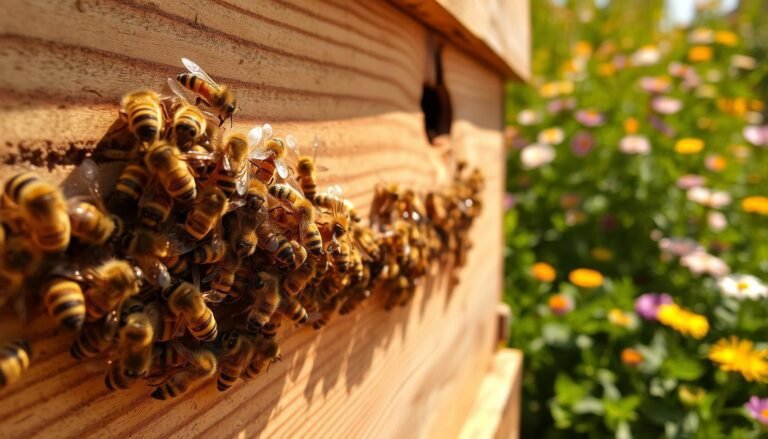
- Bearding: large numbers of bees cluster outside the entrance and on the front of the hive to reduce crowding and heat inside.
- Forager losses: bees collecting water or nectar in extreme heat are at higher risk of heat exhaustion, especially on long flights with no shade along the way.
- Reduced brood viability: sustained heat above the brood nest’s comfort range can affect developing brood, so colonies under heat stress often show patchier brood patterns for weeks afterward.
For more on recognizing this early, see Signs of Heat Stress in Honeybees and the underlying research on how heat waves affect brood viability.
How to Protect Hives from Extreme Heat: Site Selection and Shade
Where a hive sits does more to control its temperature than almost anything added to the box afterward.
Choose partial, not full-day, shade
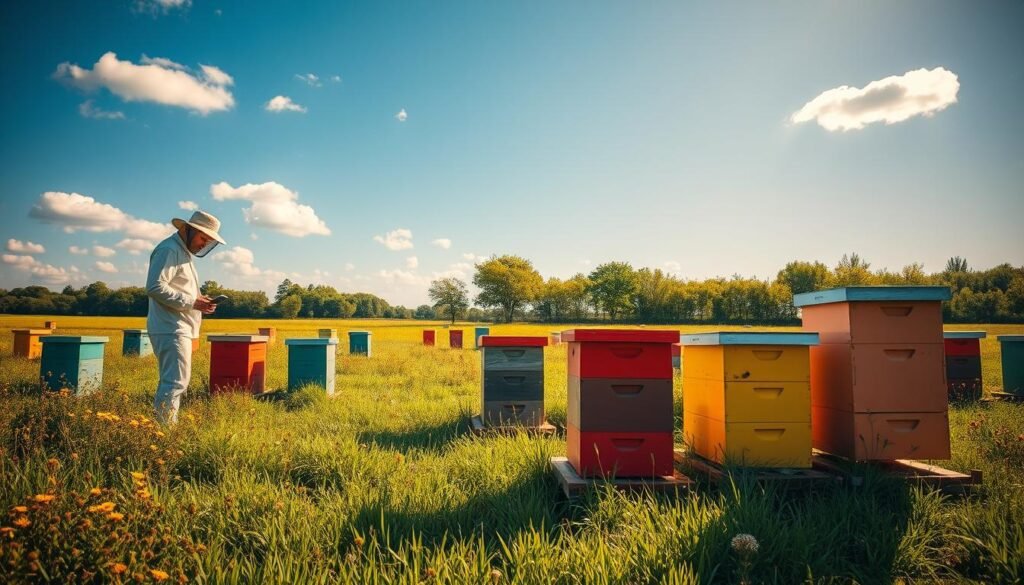
Aim for morning sun and afternoon shade. Bees benefit from early sun to warm the hive and start foraging, but shade during the hottest part of the afternoon — roughly 1 to 5 p.m. — cuts the peak heat load significantly. Hives left in full sun all day tend to run hottest; hives in deep, all-day shade can stay damp and struggle with ventilation and pest pressure instead.
Use natural or built shade structures
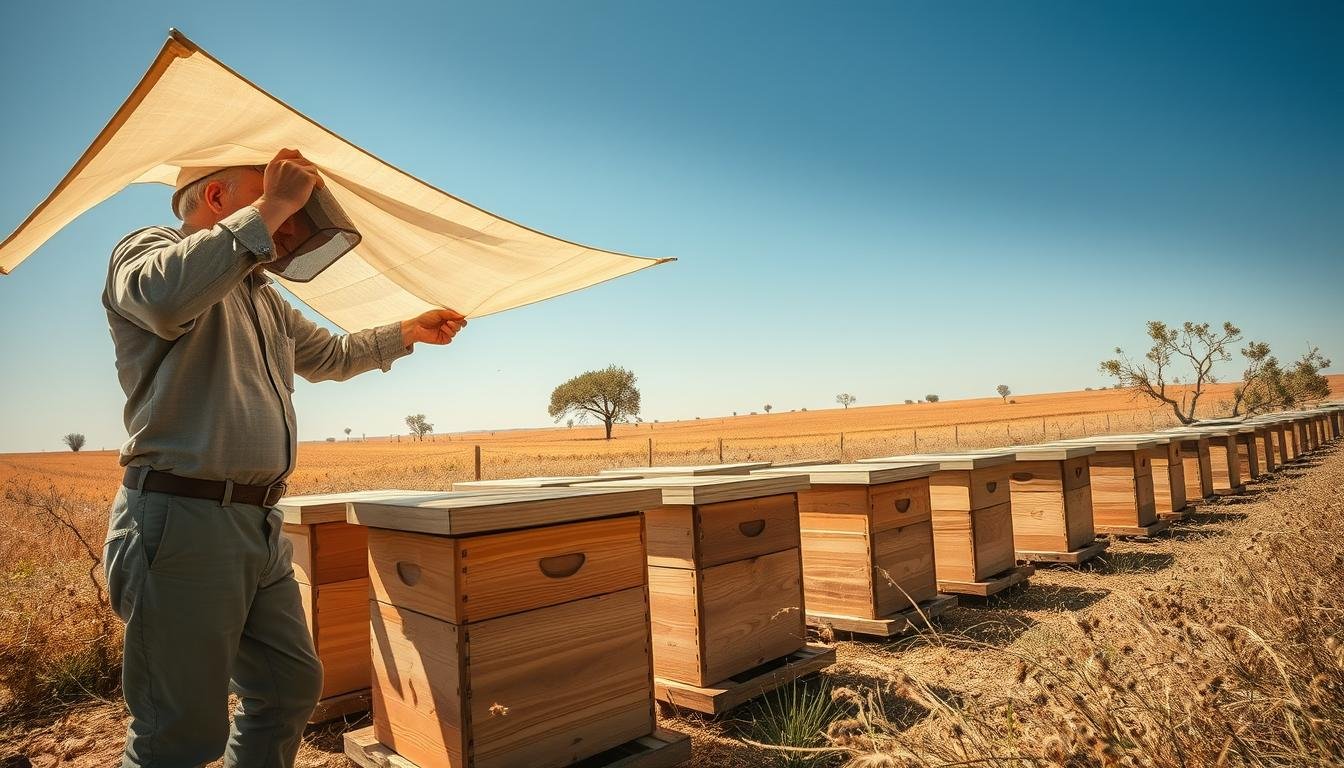
Deciduous trees, shrub lines, and shade cloth rated for 30–50% light reduction all work well. Portable shade cloth or a simple lean-to panel is often the fastest fix for an existing apiary that wasn’t planned around shade. For a deeper comparison of materials and setups, see Using Shade Structures for Climate Protection and Hive Shade Cover Options for Hot Climates.
Plan placement before the heat arrives
New apiaries in hot regions should factor summer sun angles into hive placement from the start, not retrofit shade later. See Best Hive Placement to Maximize Honey Flow for a full walkthrough of orientation, airflow, and sun exposure together.
Ventilation: Letting Hot Air Escape
A hive that can only vent through a single small entrance forces bees to fan constantly just to move air. Giving heat a second way out makes an enormous difference on the hottest days.
Cross-ventilation basics
Pair a bottom entrance with a top vent. Hot air rises naturally, so a screened or vented inner cover, an upper entrance notch, or a shim with mesh lets heat escape at the top while cooler air draws in at the bottom — without bees needing to fan around the clock.
| Method | How it helps | Best used with |
|---|---|---|
| Screened inner cover | Vents hot, humid air from the top of the hive | Most climates in summer |
| Ventilated bottom board | Improves airflow across the brood chamber floor | Hot, dry climates |
| Slatted rack | Buffers airflow and reduces bearding at the entrance | Hives prone to heavy bearding |
| Entrance reducer removed | Maximizes entrance airflow during heat waves | Strong, healthy colonies only |
See Beginner’s Guide to Hive Ventilation & Humidity, Screened Inner Cover for Summer Ventilation, and Ventilated Bottom Boards for Hot Climates for setup details, plus Best Ventilation Methods for Summer Hives for a full comparison.
Don’t over-ventilate a weak colony
Extra vents remove some of the bees’ ability to control their own internal climate, and they give small hive beetles and robbers more points of entry. Reserve maximum ventilation for strong, populous colonies, and dial it back for smaller nucs and new splits.
Water: The Most Overlooked Cooling Tool
Bees cool the hive largely by evaporation — carrying water in, spreading it on comb, and fanning air across it. Without a close, reliable water source, that cooling system breaks down no matter how good the shade and ventilation are.
Put water within easy flight range
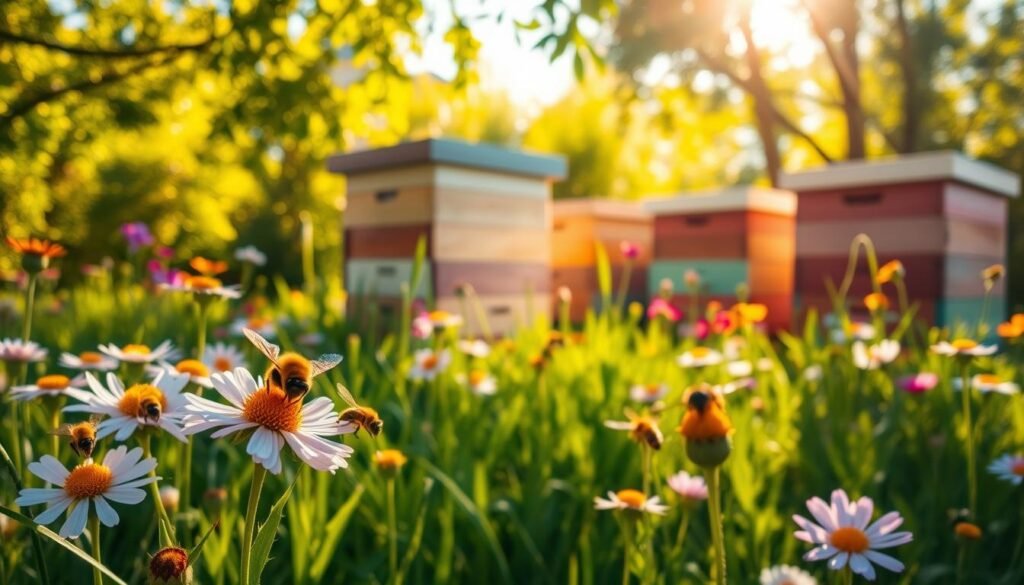
Place a dedicated waterer within about 50–100 feet of the hives. Bees that have to fly far for water spend more energy and time on trips, and a shared source closer to home reduces the temptation to visit a neighbor’s pool or a livestock trough instead.
Give bees a safe landing spot
Bees drown easily in open water, so any waterer needs floating material — cork, mulch, sponge, or marbles — or a gently sloped edge bees can land on without submerging. Refill often in extreme heat, since demand rises sharply during a heat wave.
For step-by-step setups, see How to Build a Bee Waterer and Why Bees Need a Reliable Water Source.
Insulation, Reflective Covers, and Hive Materials
In winter, insulation keeps heat in. In summer, the goal flips — the priority is keeping radiant heat out.
Light colors beat added insulation in summer
Paint or wrap hive exteriors in white or other light, reflective colors. Dark-colored hives absorb far more radiant heat from direct sun. A reflective or light-colored outer cover — sometimes a simple sheet of foil-faced board or a light-colored telescoping cover — can measurably lower internal hive temperature on the hottest days without blocking airflow.
Skip heavy foam insulation in hot climates
Thick foam or wrap insulation, useful for winter cold, traps heat inside during summer instead of shedding it. In hot climates, prioritize reflective covers and shade over insulation, and remove any winter wrapping well before temperatures climb.
Entrance Orientation and Reducing Crowding Stress
Small adjustments to how bees enter and exit the hive can ease congestion during the hottest, busiest hours of the day.
Face entrances away from the harshest afternoon sun
An entrance facing east or southeast catches gentle morning sun to start the day’s foraging, while avoiding the most intense, direct afternoon sun that a south- or west-facing entrance receives in many regions.
Give bearding bees room
Heavy bearding on the hottest days is often normal behavior, not a crisis on its own — but a slatted rack or a wider landing area can reduce entrance crowding and make it easier to tell when bearding is routine versus a sign the colony is overheating. See How to Reduce Bearding in Hot Climates for more detail on telling the two apart.
Watch entrances for robbing pressure
Heat waves often coincide with nectar dearths, which raises robbing risk right when colonies are already stressed. Keep entrances appropriately sized for colony strength during a heat wave rather than opening them fully on weaker hives.
Monitoring and What to Do During a Heat Wave
Check for early warning signs rather than waiting for obvious distress. Watch for unusually heavy bearding that starts earlier in the day than normal, a sharp drop in foraging traffic during peak sun hours, or any softening or sagging of comb visible during a brief inspection.
- Top up water sources first — this is the fastest way to relieve heat stress.
- Add or improve afternoon shade if none is available.
- Open entrances and add ventilation for strong colonies only.
- Avoid moving or heavily inspecting hives during the hottest hours; save inspections for early morning.
- Hold off on adding supers of dark comb in direct sun, since it holds heat longer than light comb.
“On the hottest days, the fastest relief is almost always more water and more shade — ventilation and hive changes matter, but they work on a slower timescale.”
For where to site hives in the first place, see sun vs shade for beehives.
Conclusion
Protecting a hive from extreme heat comes down to a few practical habits repeated consistently through summer: give the colony afternoon shade, real cross-ventilation, water within easy reach, light-colored or reflective covers instead of heavy insulation, and an entrance oriented away from the harshest sun.
None of these changes require special equipment or a big budget, and most can be added to an existing apiary in an afternoon. Watch for early signs of heat stress, keep water topped up during heat waves, and the colony should come through summer strong and ready for the next nectar flow.
FAQ
At what temperature does a beehive start to be at risk from heat?
Colonies generally begin showing stress signs like heavy bearding once outside temperatures climb past about 95°F (35°C), especially with several consecutive hot days. Risk to comb integrity rises further once internal hive temperatures approach 104°F (40°C), the point at which beeswax begins to soften and can sag under the weight of honey and brood.
Is bearding always a sign of a problem?
Not necessarily. Light-to-moderate bearding in the late afternoon on hot days is normal behavior that helps a colony reduce crowding and heat inside the hive. It becomes a concern when it starts much earlier in the day, involves nearly the entire colony, or is paired with a drop in foraging activity or visible comb sagging.
Should I add insulation to my hive in summer?
Generally no. Heavy insulation is a winter tool for retaining heat; in summer it traps heat inside the hive instead of letting it escape. A better summer strategy is a light-colored or reflective outer cover combined with shade and good ventilation, with winter insulation removed before hot weather arrives.
How much shade does a hive need in hot weather?
Partial shade during the hottest part of the afternoon, roughly 1 to 5 p.m., strikes the best balance. Full-day shade can leave a hive too damp and reduce foraging time, while full-day sun raises the risk of overheating, so morning sun with afternoon shade is the usual target.
How close does a water source need to be to the hive?
Ideally within about 50 to 100 feet. Bees use water to cool the hive by evaporation, and a source that close reduces flight time and energy spent on water trips, especially during a heat wave when demand for water rises sharply.
Can too much ventilation hurt a colony?
Yes, particularly for smaller or weaker colonies. Extra vents reduce the bees’ own ability to regulate internal climate and can give pests like small hive beetles more points of entry. Reserve maximum ventilation for strong, populous colonies, and use lighter ventilation for nucs and new splits.
What’s the fastest way to help a hive during a sudden heat wave?
Top up water sources first, since that gives bees an immediate way to cool the hive through evaporation. Add temporary shade if none exists, avoid inspecting or moving hives during peak heat, and open entrances further only on strong colonies that can handle the increased airflow and pest exposure.