Reviewed by Sofia T. · Last Updated September 23, 2026 · How we review
In hot climates, a ventilated (screened) bottom board is a sound choice, but mostly for reasons other than the one it is usually sold on. Its real strengths are moisture control in humid heat, a modest reduction in Varroa, easy mite monitoring and an option for beetle trays. Its reputation as a hive cooler is weaker than most product pages suggest. A USDA study in Tucson, Arizona, found that switching between screened and solid floors in early summer had no measurable effect on hive temperature. Shade, water and colony strength do more for heat than the floor does.
Key Takeaways
- USDA-ARS researchers in Tucson found that opening or closing a screened bottom board in early summer did not change hive temperature or daily weight change. The colonies regulated their own climate either way.
- A 2020 meta-analysis of seven studies found screened floors significantly reduce Varroa populations, but they are a supplement to mite treatment, not a substitute.
- The biggest hot-climate benefit is in humid heat, where extra airflow helps moisture escape. In dry heat the case is weaker.
- The downsides are pest access (ants, small hive beetle, wax moth debris), chilled brood on cool nights and in spring, and false confidence about mites.
- Get heat management from shade, water and upper ventilation first. Treat the bottom board as a mite and moisture tool.
Table of Contents
What a Ventilated Bottom Board Is
A ventilated or screened bottom board replaces the solid wooden floor of a Langstroth hive with a panel of mesh, usually #8 hardware cloth (eight openings per inch). The mesh is small enough that bees cannot pass through it, but mites and debris fall through. Most designs include a slot underneath for a removable insert. The insert can be a solid board to close the floor, or a sticky or gridded sheet to catch fallen mites for counting.
That removable insert is what makes the board adjustable. With it out, the floor is fully open. With it in, the hive behaves much more like one on a solid floor. Most of the practical advice below is really about when to pull the insert.
For the general solid-versus-screened comparison, including the winter question, see our guide to solid vs. screened bottom boards. This article focuses on summer and hot climates.
Does It Actually Cool the Hive?
The most useful research on this comes from exactly the kind of climate the question is about. In 2020, William Meikle and colleagues at the USDA-ARS Carl Hayden Bee Research Center ran twelve colonies on screened bottom boards in Tucson, Arizona. From late June to mid-July, they swapped which hives had the screen open and which had it closed every four days, while logging temperature, CO2 and hive weight. Their results were published in Apidologie (2022):
- Hourly hive temperature, daily temperature swings and hourly weight changes were not significantly affected by opening or closing the screen.
- Average CO2 was actually higher, by more than 200 ppm, when the screen was open. This is a reminder that bees manage airflow actively, and more holes do not automatically mean more air exchange.
“…at least in early summer in Arizona, whether hives had screened and solid bottom boards had little effect on colony behavior.”
Meikle, Barg and Weiss, USDA-ARS Carl Hayden Bee Research Center, Apidologie 53:51 (2022)
A healthy colony holds its brood nest at about 34 to 36°C (93 to 97°F) through fanning, water evaporation and clustering. It does this whether or not it has a screened floor. The study does not show screened boards are useless in heat. It shows they are not a thermostat, and that a strong colony copes on either floor.
Pros in Hot Climates
Moisture control in humid heat
In hot, humid weather, colonies evaporate a lot of water: nectar being ripened, plus water foragers bring in for cooling. An open floor gives damp air another way out and stops condensation from pooling on the floor. This is where screened boards earn their keep in places like the Southeast. Our humid Southeast guide covers the wider moisture picture.
A modest cut in Varroa
Mites that fall off bees, from grooming or by accident, land on a solid floor and can climb back on. With a screen, they drop out of the hive. A 2020 meta-analysis in Insects pooled seven studies covering 145 colonies. It found significantly lower Varroa populations in colonies with screen floors, even though most individual studies were too small to show it on their own. Useful, but it is a supplement. Keep testing with an alcohol wash.

Monitoring and beetle trays
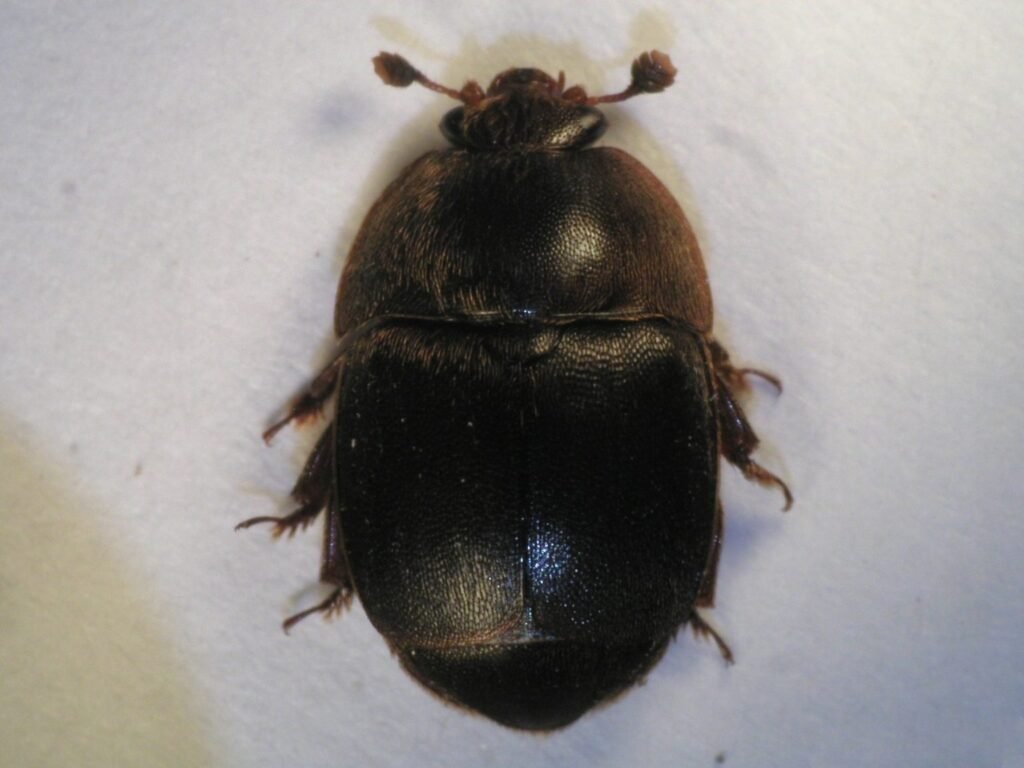
The insert slot doubles as a monitoring tray for mite drop and debris. In small hive beetle country, some screened floors are built to hold a tray of oil beneath the mesh, which catches beetles and larvae that fall through. See our comparison of small hive beetle traps.
Cleaner floors
Wax cappings, dead bees and debris fall through instead of piling up on a solid floor, where they give wax moth and beetle larvae somewhere to hide. In hot weather those pests breed fast, so a floor that does not collect debris helps.
Cons in Hot Climates
- It does not replace shade or water. Given the Tucson results, a beekeeper who opens the screen and skips shade has not solved much. Watch for signs of heat stress regardless of floor type.
- Pest access from below. Ants, earwigs and beetles can shelter in the space under the mesh. On the ground, fire ants and other ants will investigate an open floor, so a hive stand helps.
- Cool nights and spring chill. Many hot climates have large day-to-night swings, and high deserts can drop sharply after sunset. A small colony on an open floor has to work harder to keep brood warm on those nights. In spring, an open floor can contribute to chalkbrood, a disease that follows chilled brood.
- Dust and wind. In dry, windy sites, an open floor lets dust and gusts in under the brood nest. Face hives away from prevailing wind or close the insert on those days.
- False confidence about mites. A modest reduction is not control. Colonies on screened floors still need regular mite counts and treatment when thresholds are crossed.
Recommendations by Climate Type
“Hot climate” covers very different conditions. This is how we would set up the floor in each:
| Climate | Screened board? | Insert setting in summer | Main reason |
|---|---|---|---|
| Hot and humid (e.g. Gulf Coast, Southeast) | Yes, strongly | Out, or an oil tray in beetle areas | Moisture escape, beetle and debris control |
| Hot and dry, low desert | Optional | Out in peak heat. Close for dust storms and cool nights | Mite drop and monitoring. Cooling benefit is small |
| High desert, big day-night swings | Optional | In at night for small colonies | Avoid chilling brood. Mite benefit still applies |
| Northern summer heat waves (e.g. Northern Plains) | Yes, seasonally | Out in July and August, in spring and fall | Humid heat spells in midsummer, cold springs and winters |
The last row is our own setup in eastern North Dakota. Our summers are short but can bring humid spells in the 90s°F, while April and May nights still drop near freezing. We keep inserts in through spring buildup, pull them during the midsummer heat and nectar flow, and put them back in fall. For winter, see our guide to winterizing hives in northern states.
What to Do First in a Heat Wave
If your hives are struggling with heat, work through these before relying on the floor:
- Shade. Afternoon shade is the single biggest help. Our guide to hive shade covers for hot climates compares options.
- Water within a short flight. Colonies cool the nest by evaporating water, so a reliable, safe water source close by matters more in heat than almost anything else.
- Upper ventilation. A small upper entrance or a screened inner cover lets hot air rise out of the hive, working with the bees’ own airflow.
- Room. Give crowded colonies another box before a heat wave. Some bearding is normal, but constant bearding can mean too little space. See how to reduce bearding in hot climates.
- Then the floor. Pull the insert on a screened board, especially in humid heat.
Our broader guide on protecting hives from extreme heat covers emergency steps for extreme temperatures.
Frequently Asked Questions
Should I leave the screened bottom board open all summer in a hot climate?
In hot, humid areas, generally yes. In dry or high-desert climates with cool nights, leaving it open is fine for strong colonies. Close it at night or during dust storms for small ones.
Do screened bottom boards lower hive temperature?
Not measurably, according to the best field data we know of. USDA researchers in Tucson found no significant change in hive temperature when screens were opened or closed in early summer. Bees regulate brood temperature themselves. Shade and water help them more.
How much do screened bottom boards reduce Varroa mites?
A 2020 meta-analysis of seven studies found a significant reduction in Varroa populations, but the effect is not large enough to replace monitoring and treatment. Think of it as one small layer in an integrated mite plan.
Is a screened bottom board good for small hive beetle areas?
It can be, if it is designed to hold an oil tray under the mesh to catch beetles and larvae. A plain open screen on its own does little against beetles and gives them shelter underneath if debris builds up.
Can bees overheat on a solid bottom board?
A strong, well-shaded colony with water nearby and upper ventilation copes with heat on a solid floor. The Tucson study found no temperature difference. Crowding, full sun and no water are the bigger risks.
What about a slatted rack instead?
A slatted rack sits between the floor and the brood box and gives the colony a buffer space that some beekeepers like in hot weather. It can be used with either floor type. See our slatted rack vs. screened bottom board comparison.
Conclusion
In hot climates, a ventilated bottom board is worth having for moisture control, a small mite reduction and easy monitoring, especially in humid heat. Just do not count on it to cool the hive. The Tucson data suggest that job belongs to the bees, helped by your shade, water, upper ventilation and space.