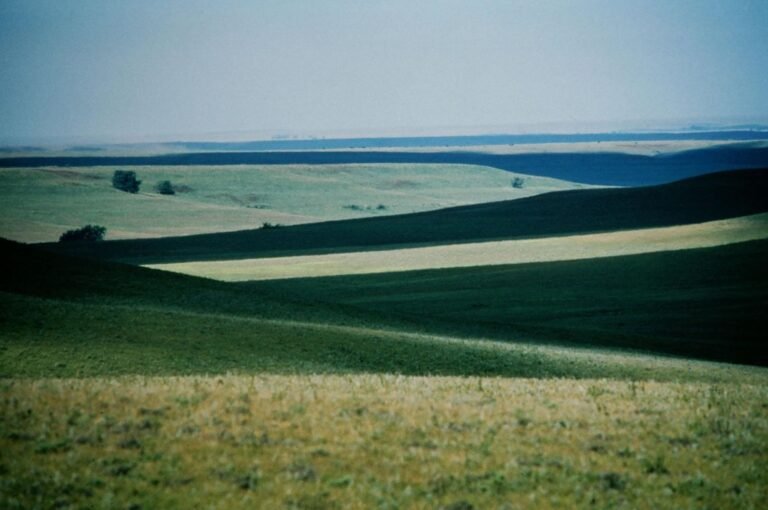
Beekeeping in Continental Climates: The Great Plains
Beekeeping in the Great Plains means wide temperature swings, near-constant wind, and a short, intense nectar window. Real siting, timing, and seasonal guidance.

Beekeeping advice is mostly written for a temperate climate with a real winter and a summer flow, and it fails quietly elsewhere. West of the Cascades the enemy is wet, not cold, so ventilation matters more than wrapping. On the California coast the hard season is a dry stretch from roughly May to October. In Hawaii there is no winter, so brood never stops, mites never get a broodless break, and mite treatment timing must be worked out locally.
The regional guides take one climate each and work through its nectar calendar, pest pressure and winter, or lack of one. Cold-winter, short-summer country in the Upper Midwest and Mountain West is defined less by how cold it gets than by how few weeks bees have to build up and store; the Great Plains add constant wind and a short, intense flow; the desert Southwest runs on shade, water and a long summer dearth; high altitude compresses everything further.
One piece covers indoor overwintering, where commercial operations move whole apiaries into dark, cooled buildings held a few degrees above freezing, a habit that began in empty potato cellars. Read your own region first, then borrow from the neighbors.
Start here:
Beekeeping in the Great Plains means wide temperature swings, near-constant wind, and a short, intense nectar window. Real siting, timing, and seasonal guidance.
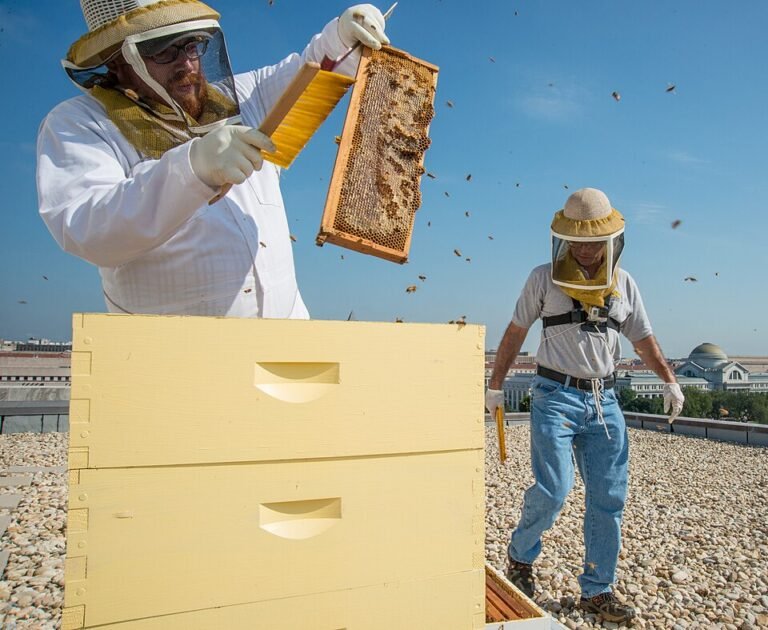
Some commercial beekeepers move thousands of hives indoors each winter rather than leaving them outside — here's why, and where the practice began.
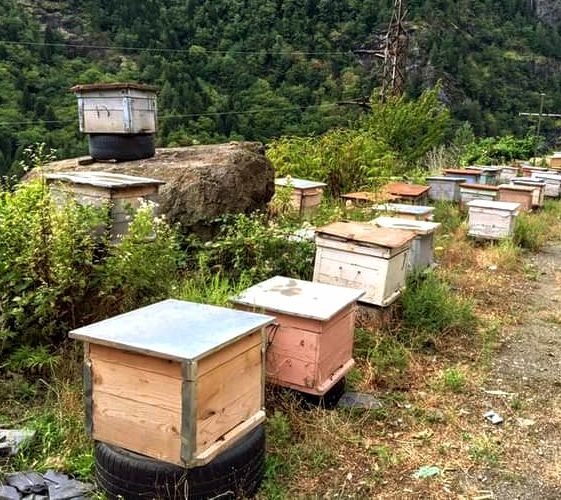
Mountain beekeeping works, but a shorter season, thinner air, and colder nights mean hive placement, winter feeding, and local genetics matter more than at lower elevations.
Hawaii and other frost-free US climates run on a completely different beekeeping calendar than anywhere with a real winter - here's what actually changes.

Beekeeping in the Upper Midwest and Mountain West is defined less by how cold winter gets and more by how little time bees have to get ready for it. A…

Beekeeping in the humid Southeast trades one set of problems for another: instead of a hard winter, the defining challenge is managing moisture and a pest that barely exists as…

Beekeeping works in the hot, arid Southwest, but it’s a genuinely different discipline from beekeeping in a temperate climate — the core challenge isn’t cold winters, it’s a long summer…

The defining fact of backyard beekeeping along the California coast isn’t cold or heat — it’s a six-to-eight-month dry season that starts around May and doesn’t reliably break until October…

Beekeeping west of the Cascades comes down to one variable almost every other U.S. region doesn’t have to manage as its primary threat: persistent winter and spring moisture, not cold.…
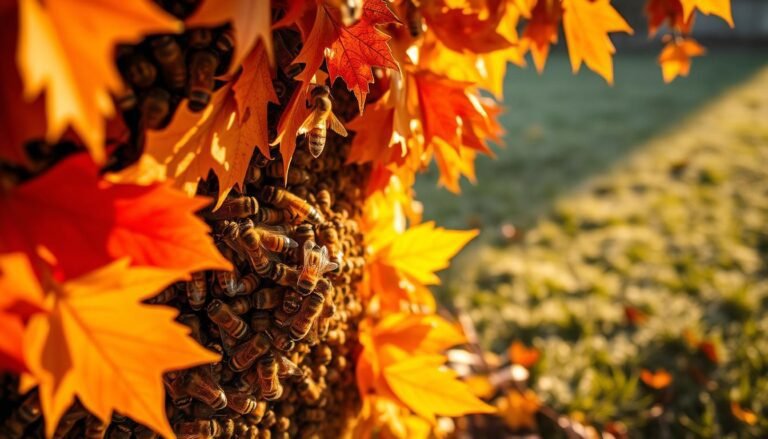
Discover the key signs your bees are preparing for winter and find out what to do to help your bees thrive during winter.
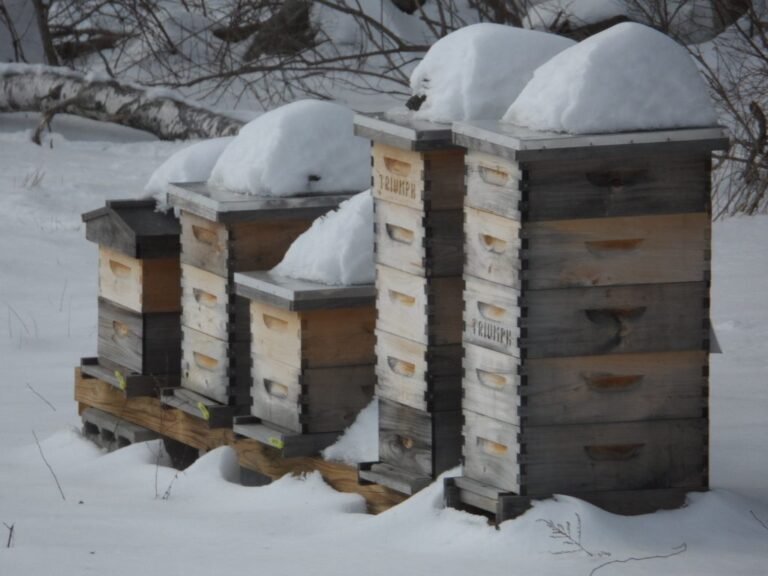
How to reduce moisture inside winter hives: find where the water is, fix a wet hive from the top without breaking the cluster, and stop drips over the bees.

Rain rarely kills bees; lost flight days, damp brood and failed queen mating do. A season-by-season plan for siting, feeding and disease control in wet climates.
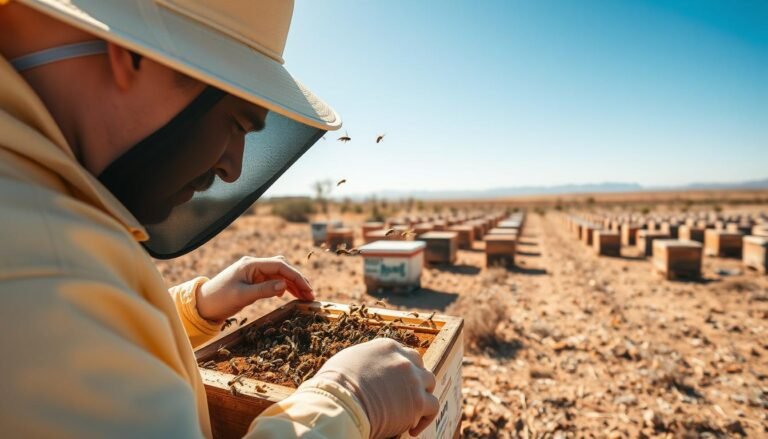
Discover how to successfully manage bees during drought conditions. Our guide provides actionable advice for beekeepers.

Get expert advice on how to protect hives from extreme heat. Our guide provides actionable tips to safeguard your beehives and ensure their well-being in high temperatures.

Mastering beekeeping in windy conditions: learn how to manage colonies effectively and keep your bees thriving.
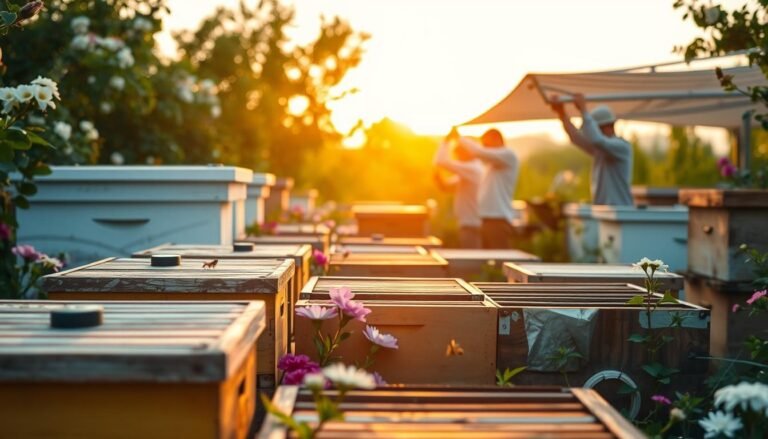
Discover expert hive temperature management tricks to optimize hive health. Learn effective techniques for maintaining ideal temperatures and promoting a thriving bee colony
Learn about how climate change affects nectar flows and discover strategies to protect pollinators and ecosystems. A comprehensive guide.
Discover 25 expert tips on how to reduce bearding in hot climates. Learn effective strategies to minimize bearding issues in our comprehensive guide.

Learn the 26 best ventilation methods for summer hives. Our expert guide provides tips and techniques for optimal beehive ventilation and bee health.
Analyze the impact of droughts on beekeeping in the USA with our trend report on beekeeping during droughts USA, exploring challenges and solutions.
Maximize your hive's potential with our expert guide to 50 seasonal hive care for U.S. regions. Future-proof your beekeeping practices.
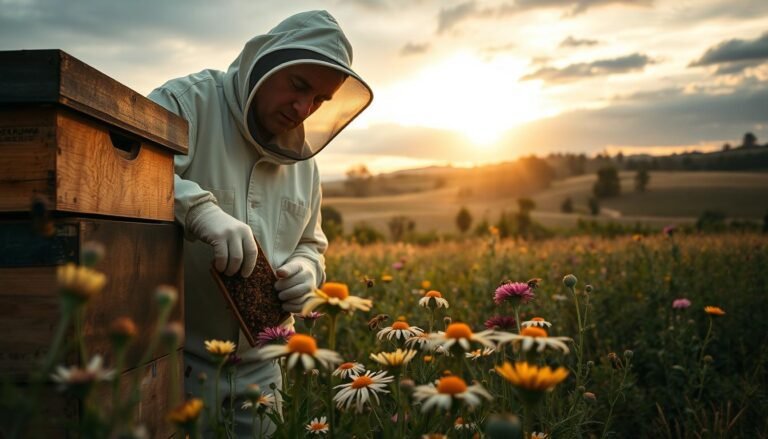
Stay informed about the future climate change effects on U.S. beekeeping. Insights into the challenges facing U.S. beekeepers due to climate change.
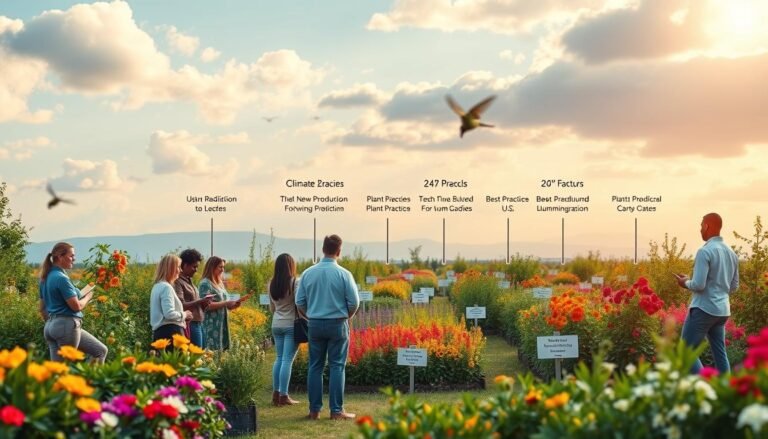
Get expert tips on managing nectar flows in U.S. climate zones. Improve your nectar flow management with our comprehensive how-to guide.
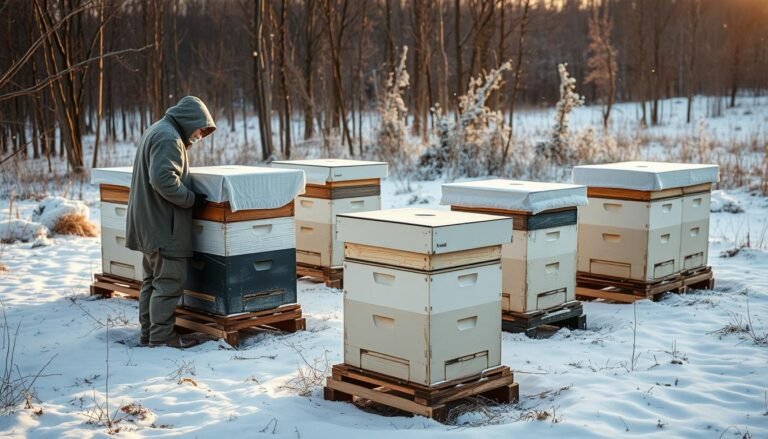
Northern hives need low mites by August, at least 75 pounds of stores, and a top entrance, moisture or foam board and wrap by November. Dates from NOAA normals and what Iowa and Illinois studies found.
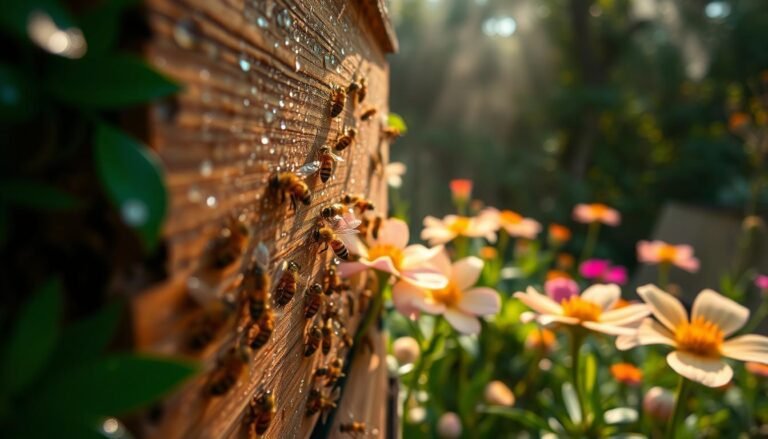
Discover the top 10 beekeeping tips for humid climates to keep your bees thriving. Expert advice for beekeepers in tropical regions.