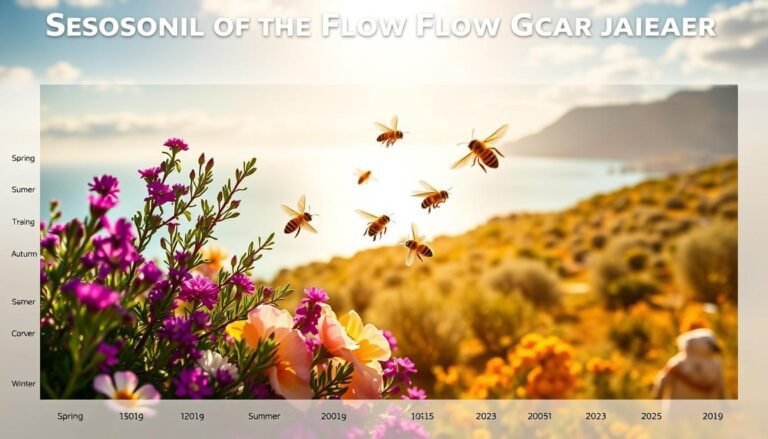
Seasonal Nectar Flow Calendar (Greece / Mediterranean) Guide
Discover the ultimate seasonal nectar flow calendar (Greece / Mediterranean) for beekeepers and nature enthusiasts. Learn about nectar-rich flora and optimal beekeeping practices.

Beekeeping advice is mostly written for a temperate climate with a real winter and a summer flow, and it fails quietly elsewhere. West of the Cascades the enemy is wet, not cold, so ventilation matters more than wrapping. On the California coast the hard season is a dry stretch from roughly May to October. In Hawaii there is no winter, so brood never stops, mites never get a broodless break, and mite treatment timing must be worked out locally.
The regional guides take one climate each and work through its nectar calendar, pest pressure and winter, or lack of one. Cold-winter, short-summer country in the Upper Midwest and Mountain West is defined less by how cold it gets than by how few weeks bees have to build up and store; the Great Plains add constant wind and a short, intense flow; the desert Southwest runs on shade, water and a long summer dearth; high altitude compresses everything further.
One piece covers indoor overwintering, where commercial operations move whole apiaries into dark, cooled buildings held a few degrees above freezing, a habit that began in empty potato cellars. Read your own region first, then borrow from the neighbors.
Start here:
Discover the ultimate seasonal nectar flow calendar (Greece / Mediterranean) for beekeepers and nature enthusiasts. Learn about nectar-rich flora and optimal beekeeping practices.
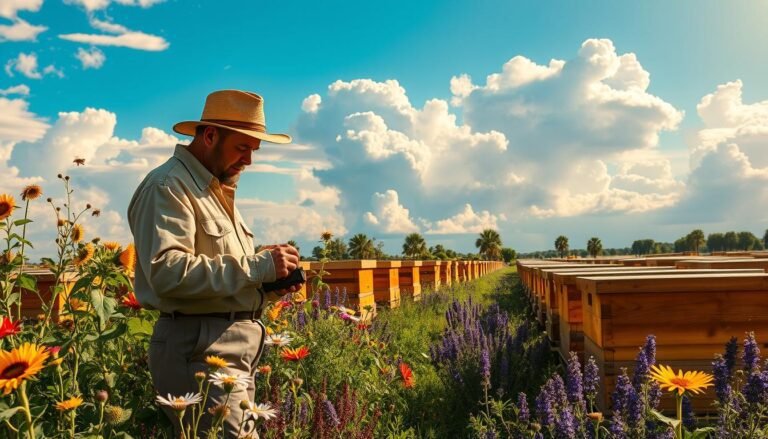
Get started with bees & climate change: adapting your apiary. Our step-by-step guide helps you build a climate-resilient apiary and safeguard your bees.
Understand the relationship between microclimates and hive productivity. Get expert advice on managing beehives in varying microclimates for better honey production.
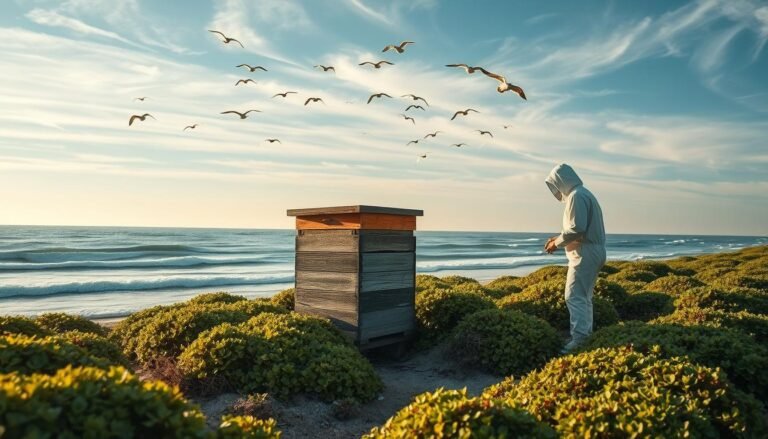
Discover the challenges and opportunities of Beekeeping in coastal ecosystems. Learn how beekeepers adapt to unique coastal conditions.
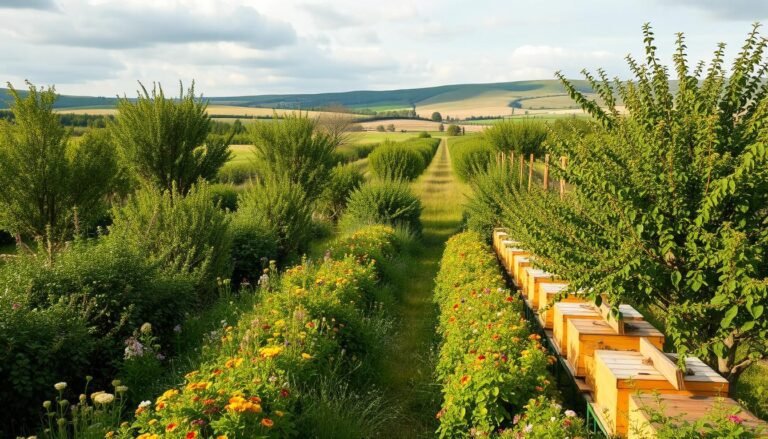
Learn effective windbreak strategies for apiaries to protect bees and boost honey production. Discover how to create a safe environment for your bees.
Explore the current Shifts in floral resources due to climate change and understand the broader ecological impacts in our trend report.
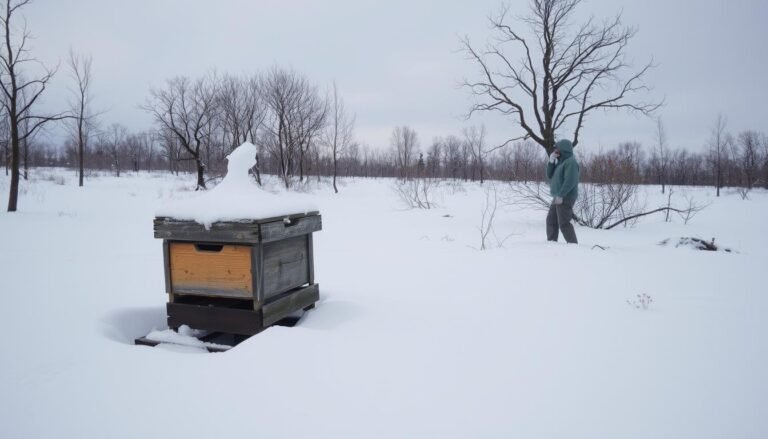
Discover the best Extreme cold beekeeping strategies for cold climates. Our how-to guide provides actionable tips and best practices for beekeepers in extreme cold.
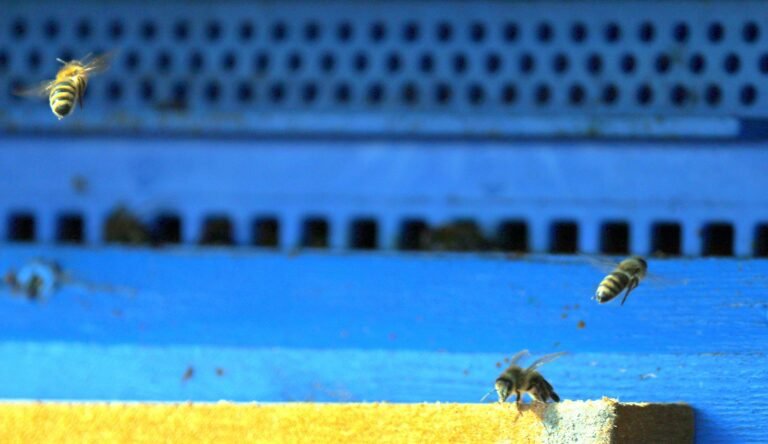
Spring doesn't arrive on the same date every year. Learn how to read local conditions and adjust apiary inspections, feeding, and swarm prevention for an early or late spring.

Get started with hive design for desert environments. Our comprehensive guide covers essential considerations for beekeepers in desert regions.
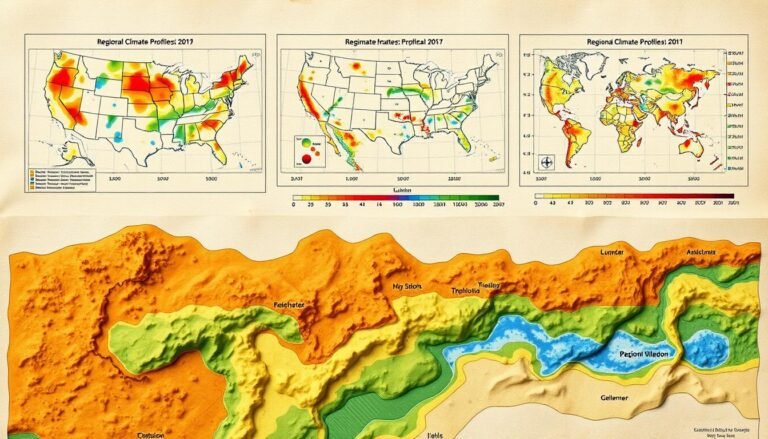
Get the ultimate guide to Regional climate profiles for beekeepers. Understand regional climate impacts on bee health and optimize beekeeping strategies.

Get insights into How extreme heat waves impact brood viability through our comprehensive trend analysis and report.

Discover the effects of Changing bloom calendars and bee starvation on bee populations. Our guide provides practical solutions to support these vital pollinators.
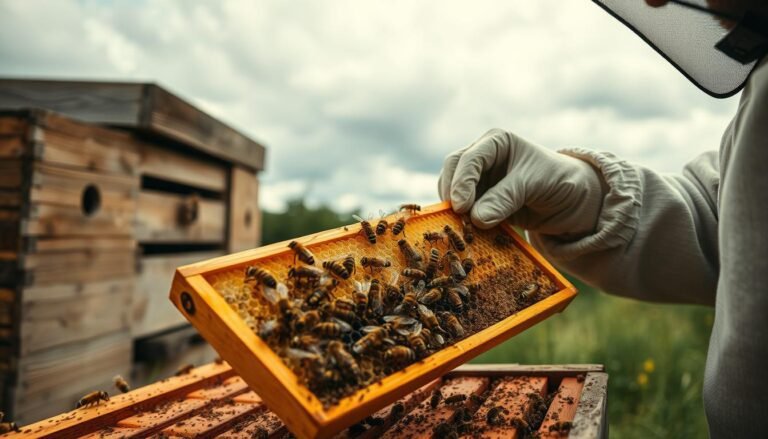
Learn how to safeguard your bees with our expert guide on preparing bees for unpredictable seasons. Get tips and strategies for beekeeping success
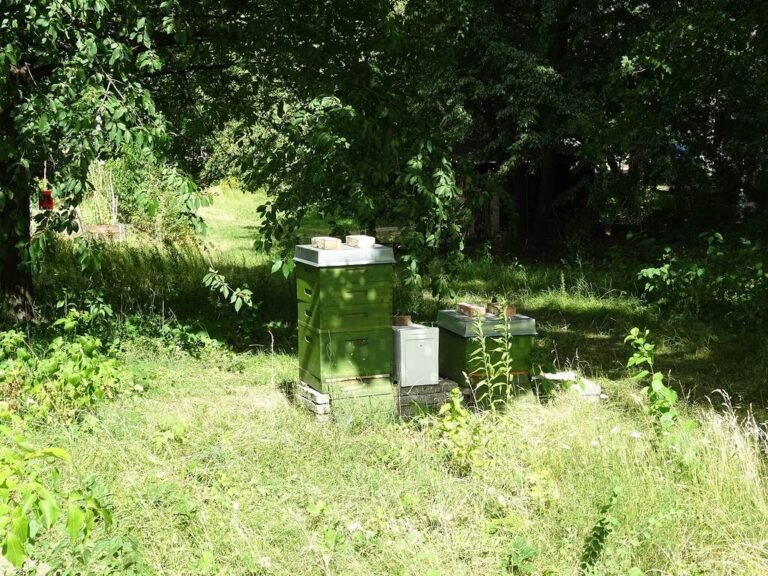
How shade structures protect beehives from summer heat: afternoon shade vs full sun, small hive beetle trade-offs, shade cloth frames, shade boards, lean-tos, trees, and regional differences.
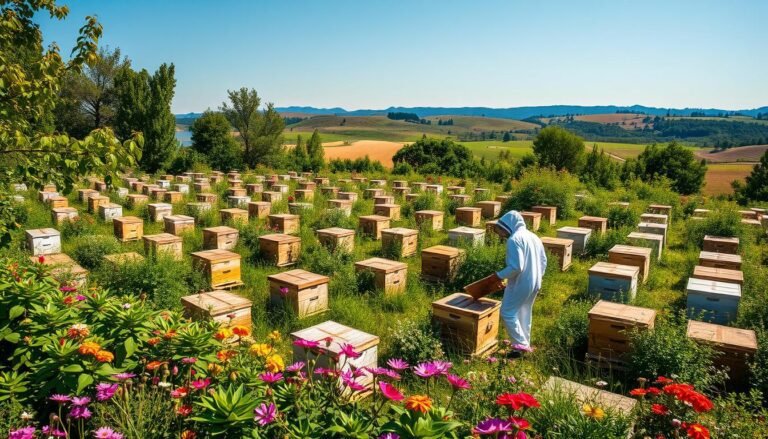
Discover the best Climate-based hive placement strategies for beekeepers. Get expert guidance on optimizing hive locations for maximum yield.
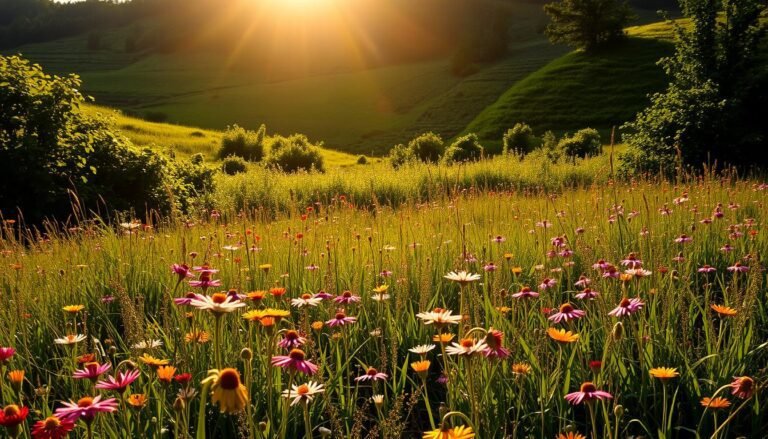
Explore how shifts in nectar flow due to global warming impact pollinators and ecosystems. Understand the consequences of changing environmental conditions.

Learn climate-resilient beekeeping practices to boost bee health. Discover expert tips and techniques for successful beekeeping
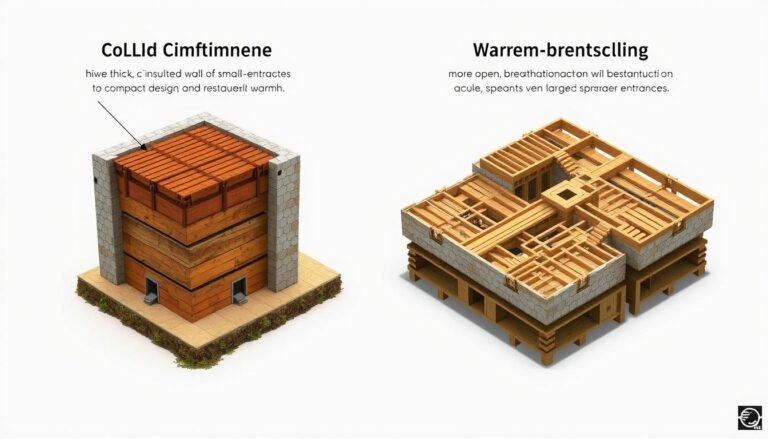
Learn the key differences in Cold-climate vs warm-climate hive design tweaks for optimal beekeeping. Discover how to adapt your hive design to your local climate.
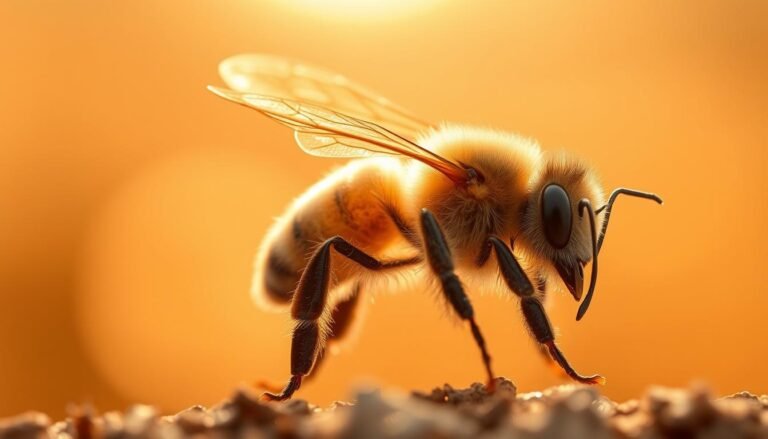
Learn to identify Signs of heat stress in honeybees and discover effective methods to mitigate its impact on your beehives. Get expert advice now.
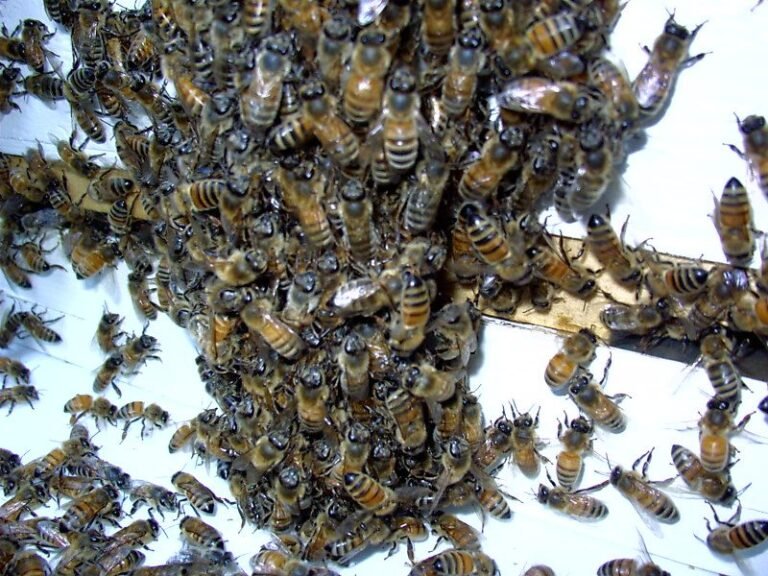
Bees regulate hive temperature on their own, but placement, ventilation, and insulation choices make that job easier. Learn the practical methods for supporting temperature control.

A cluster of bees can survive temperatures well below freezing by vibrating their flight muscles to generate heat, but that same cluster can starve just inches from untouched honey stores…

A colony wintering in Minnesota clusters tightly and burns through 60-90 pounds of stored honey just to survive to spring, while a colony in coastal California may forage and rear…