Reviewed by Thomas B. · How we review
Spring does not arrive on the same date every year, and a beekeeping calendar built around the calendar instead of the colony can leave a beekeeper badly out of sync. An early, warm spring can push a colony into swarm mode weeks before a beekeeper expects it, while a late, cold spring can leave a hive dangerously short on stores right when a rigid schedule says feeding should have already stopped.
Reading local conditions rather than a fixed date is the real skill behind good spring timing. This guide covers how to recognize whether a given year is running early or late, and how to adjust inspections, feeding, and swarm prevention accordingly. For a broader month-by-month framework to adapt from, see our essential spring beekeeping checklist for beginners.
Because forage timing and hive timing move together, this also touches on adjusting pollinator-friendly plantings so they bloom when colonies actually need them most.
Key Takeaways
- Local frost dates and nectar flow onset matter far more than the calendar date.
- An early spring can trigger earlier swarming and requires earlier inspections.
- A late, cold spring extends the period when colonies are vulnerable to starvation.
- Watching bloom and forager activity is a more reliable signal than the calendar for timing key tasks.
- Pollinator plantings can be adjusted to reduce gaps during unusually early or late seasons.
Table of Contents
- Reading Whether Spring Is Running Early or Late
- Managing an Early Spring
- Managing a Late, Cold Spring
- Adjusting Feeding Around Spring Timing
- Swarm Prevention Timing
- Timing Pollinator Plantings to Match
- Conclusion
- FAQ
Reading Whether Spring Is Running Early or Late
The most reliable signals come from the bees and the local landscape, not a calendar page. Average last-frost dates are a useful baseline, but they are averages, and any given year can run one to several weeks off from that baseline in either direction.
Practical cues to watch include when early bloomers like maples, willows, and dandelions actually open in your area compared to a typical year, how early foragers are bringing in visible pollen loads, and how quickly cleansing flights pick up on warm days. Tracking these signals year to year builds a far more useful personal calendar than any generic regional guide.
This ties into the broader seasonal rhythm covered in our seasonal checklist from spring to winter, which frames spring as one part of a continuous cycle rather than an isolated block of tasks.
Managing an Early Spring
An unusually early, warm spring accelerates colony buildup, which sounds positive but brings its own risks.
- Earlier first inspections: Move up the first full inspection to match earlier cleansing flights and brood expansion rather than waiting for a fixed date.
- Earlier swarm prevention: Rapid population growth in a warm early spring can trigger swarm preparations well ahead of the usual window; see how to tell if your hive is preparing to swarm for the signs to watch.
- Risk of a late cold snap: A warm early spring can still be followed by a hard frost that kills off early bloom a colony has already come to rely on, so keep emergency feed on hand even after buildup looks strong.
Managing a Late, Cold Spring
A late, slow-warming spring extends the period when colonies are running on stored reserves rather than fresh nectar, which is when starvation risk peaks.
- Extended feeding window: Do not assume feeding can stop on a fixed date; continue supplemental feeding until natural forage is reliably available, referencing How to Detect Early Hive Starvation in Bees if buildup seems slow.
- Delayed inspections in persistent cold: Opening a hive too early in marginal temperatures can chill brood; wait for a stretch of milder days before a full inspection.
- Slower expected buildup: Colonies may simply be smaller heading into the main flow in a late year, which is worth factoring into expectations for splits or early honey supers.
Adjusting Feeding Around Spring Timing
Feeding decisions should follow observed conditions rather than a preset stop date. In an early, fast-developing spring, feeding can often be tapered sooner as natural forage becomes reliable. In a late or cold spring, colonies may need continued syrup or pollen substitute well past when a calendar-based plan would have called for stopping.
Checking actual stores directly, rather than assuming based on the date, remains the most reliable approach either way; our guide on detecting early signs of starvation covers what to look for during a quick check.
Swarm Prevention Timing
Swarm season timing shifts along with everything else. An early spring can mean swarm preparations begin noticeably sooner than the typical regional timeline, so the usual swarm-season checklist needs to be pulled forward rather than followed by date.
Regular hive checks focused on space and queen cell activity during the buildup period matter more than any specific calendar week; see our best practices for preventing swarming for the core prevention steps to apply as soon as buildup accelerates.
Timing Pollinator Plantings to Match
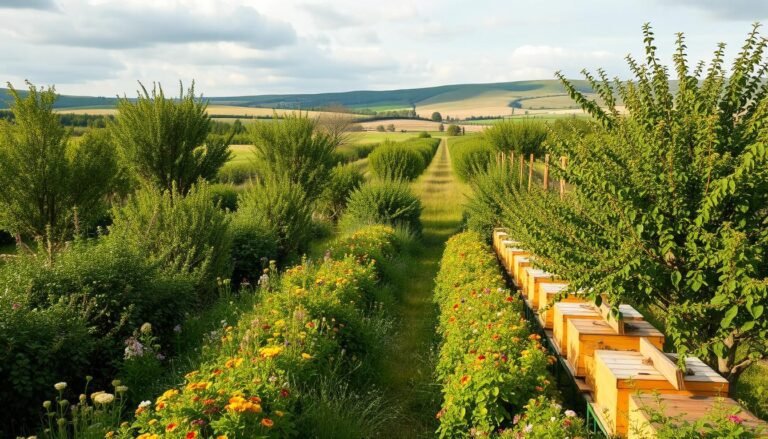
Because forage availability and colony needs move together, adjusting pollinator-friendly plantings for an early or late year helps reduce the gap between when bees need forage and when it is actually available.
In an early spring, prioritizing plants that bloom in the first warm stretch helps cover colonies before the main nectar flow arrives. In a late, cold spring, later-blooming successive plantings help extend forage further into a compressed season. Our guide on building a pollinator garden at home covers plant selection in more depth.
Mississippi State University Extension’s guide to colony growth and seasonal management of honey bees lays out what a colony needs at each point in the year, useful context for adjusting plans around an unusually early or late spring.
Conclusion
Treating spring as a set of observable conditions rather than a fixed date on the calendar is what separates responsive beekeeping from reactive beekeeping. Watching bloom timing, forager activity, and actual hive stores lets a beekeeper adjust inspections, feeding, and swarm prevention to match the year that is actually happening rather than the year a generic schedule assumes.
Over several seasons, tracking these signals for a specific location builds a far more useful personal calendar than any regional average ever could.
FAQ
How do I know if spring is running early or late in my area?
Compare the timing of early bloomers, first significant pollen loads coming into the hive, and cleansing flight activity against your typical timing from previous years, rather than relying on the calendar date alone.
Should I stop feeding on a specific date each spring?
No. Feeding should continue until natural forage is reliably available and stores are checked directly, since a fixed stop date can leave colonies short during a late, cold spring.
Does an early spring increase swarming risk?
Yes, often. Rapid population growth during an early, warm spring can push colonies into swarm preparations earlier than the typical regional timeline, so inspections and prevention steps should move up accordingly.
What’s the biggest risk during a late, cold spring?
Starvation is the primary risk, since colonies spend more time relying on stored reserves before natural forage becomes consistently available.
Can a warm early spring still be followed by a damaging frost?
Yes, and this is a real risk. A hard frost after an early warm spell can wipe out bloom a colony has already come to depend on, so keeping emergency feed available even after strong buildup is a sensible precaution.
Further Reading
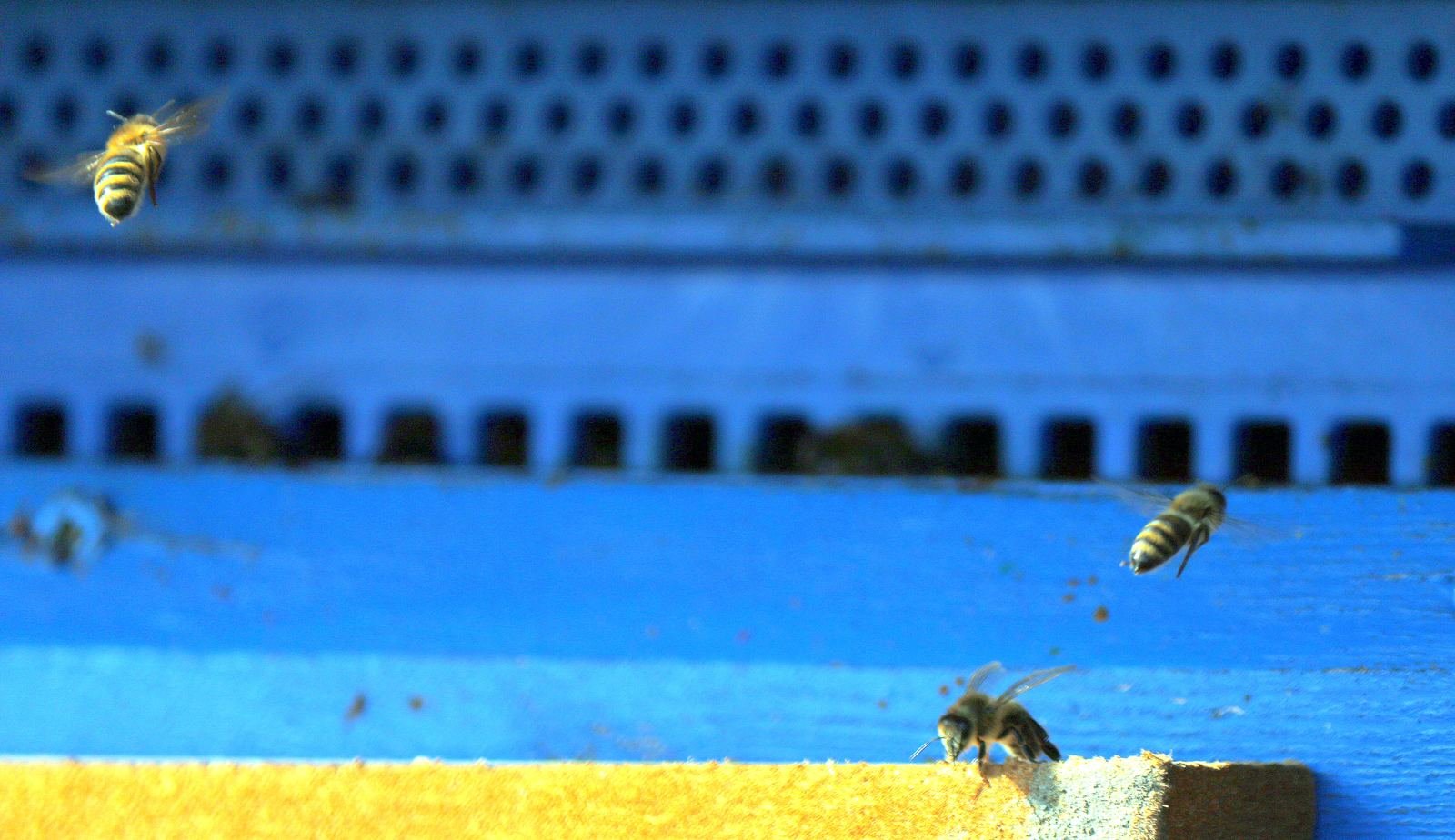
Image credits: Photo: Bees at a hive entrance at the pedagogical bee trail in Kirchlauter. Photo by Nemracc, licensed CC BY-SA 4.0, via Wikimedia Commons.