Last Updated September 16, 2026
Early hive starvation shows up at the entrance and in the brood nest days or weeks before a colony collapses: robbing and fighting at the door, a box that hefts light, larvae sitting dry in their cells, and a queen that has quietly stopped laying. Catch those cues while the colony is merely hungry and a quick, correctly placed feed fixes it; miss them and you find a silent cluster with bees head-down in empty cells.
This guide is written for U.S. beekeepers. It covers when starvation risk peaks through the year, how to read the signs from outside and inside the hive, what actually causes shortfalls, and how to feed by season. It also covers the trap that kills more well-provisioned colonies than empty hives do: honey that is present but unreachable.
Key Takeaways
- Watch the entrance first: robbing, fighting, torn cappings, and unusual defensiveness often appear before any in-hive shortage is visible.
- Heft the hive and count frames of capped honey next to the brood; total stores matter less than accessible stores.
- Dry larvae, undersized new workers, cannibalized brood, and a queen that stops laying are the in-hive signals of nutritional stress.
- Feed 1:1 syrup in spring buildup, 2:1 in fall, and fondant or dry sugar in winter when liquid feed is too cold or wet for the cluster to use.
- Mississippi State Extension recommends at least 60–65 lb of honey or stored syrup above the cluster going into late autumn; northern apiaries need more.
- A prolonged cold spell can pin the cluster in place, so bees can starve inches from capped honey — position stores directly above or beside the cluster before winter.
Table of Contents
- Why early hive starvation happens and when to watch most closely
- How to detect early hive starvation
- Key signs your bees are running out of food
- Isolation starvation: when bees starve inches from honey
- Root causes: forage, weather, and nutrition quality
- Immediate actions to prevent colony starvation
- Season-by-season prevention plan for U.S. beekeepers
- FAQ
Why early hive starvation happens and when to watch most closely
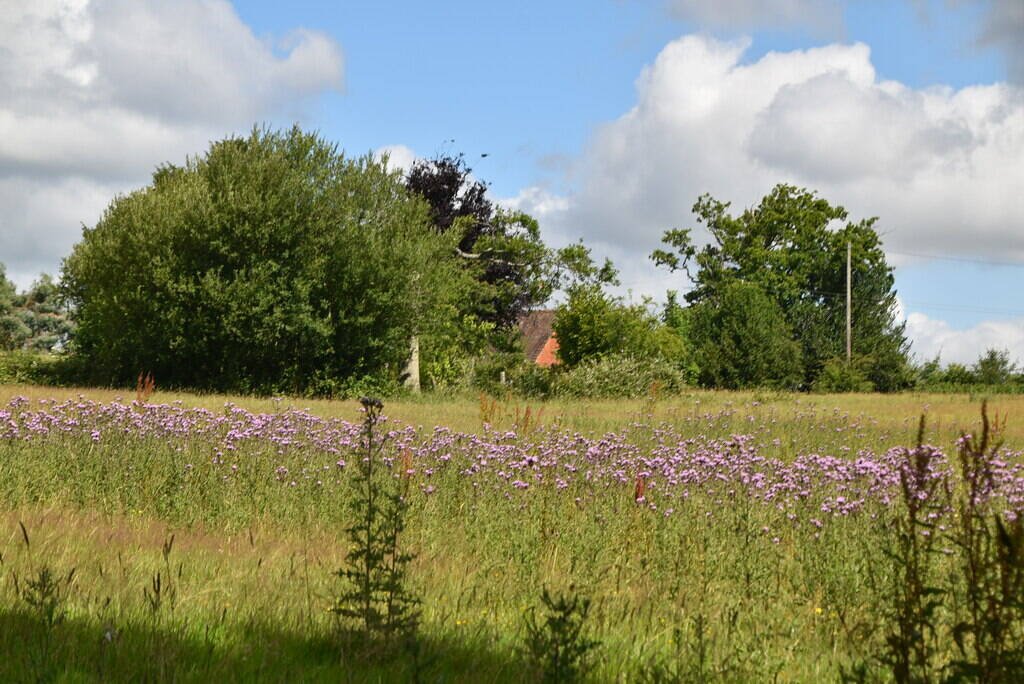
Periods of scarce bloom create predictable stress points for colonies across most U.S. landscapes. Dearths form after spring blooms fade and before later flows start, and a colony that was gaining weight in May can be burning reserves by late June.
Summer gaps and nectar dearths
Summer gaps arise when one bloom cycle ends and the next has not started. Incoming nectar can stop almost overnight, and a populous colony with a large brood nest is the one that runs short fastest — it has the most mouths to feed. Prolonged rain, drought, or an abrupt cold snap grounds foragers and accelerates the drawdown.
Late winter and early spring risk windows
Late winter is the classic starvation season. Brood rearing restarts in January or February in much of the country, consumption climbs sharply, and the cluster still cannot travel far on cold days. Colonies that looked heavy in November are routinely found dead in March with honey still in the outer frames.
When honey is present but inaccessible to the brood nest
Capped honey in an upper box or an outer frame is only useful if the cluster can reach it. In cold weather the bees will not break cluster to cross empty comb, so stores need to sit directly above or beside the brood nest. Frame placement in fall, not total weight, decides whether that honey gets used.
Practical steps: track your local bloom calendar, note when the last major flow ends, and increase inspection and weight checks in those windows. Regional practice varies enormously — a Gulf Coast apiary and a Minnesota apiary have almost opposite risk calendars — so it is worth reading how beekeeping changes by climate before setting your own schedule.
How to detect early hive starvation
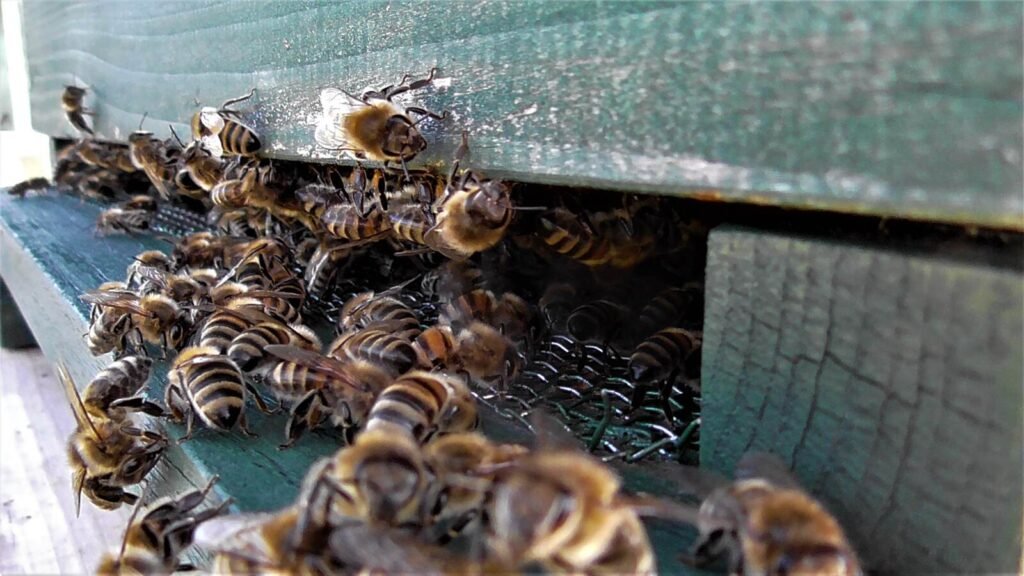
You can spot pressure on a hive from the entrance before lifting a single frame. Watch flight levels, note whether returning bees carry pollen, and look for either frantic or unusually quiet activity. Robbing signs — torn cappings on the landing board, wrestling bees, heavy guard action — are the most common outward sign of scarcity in the yard.
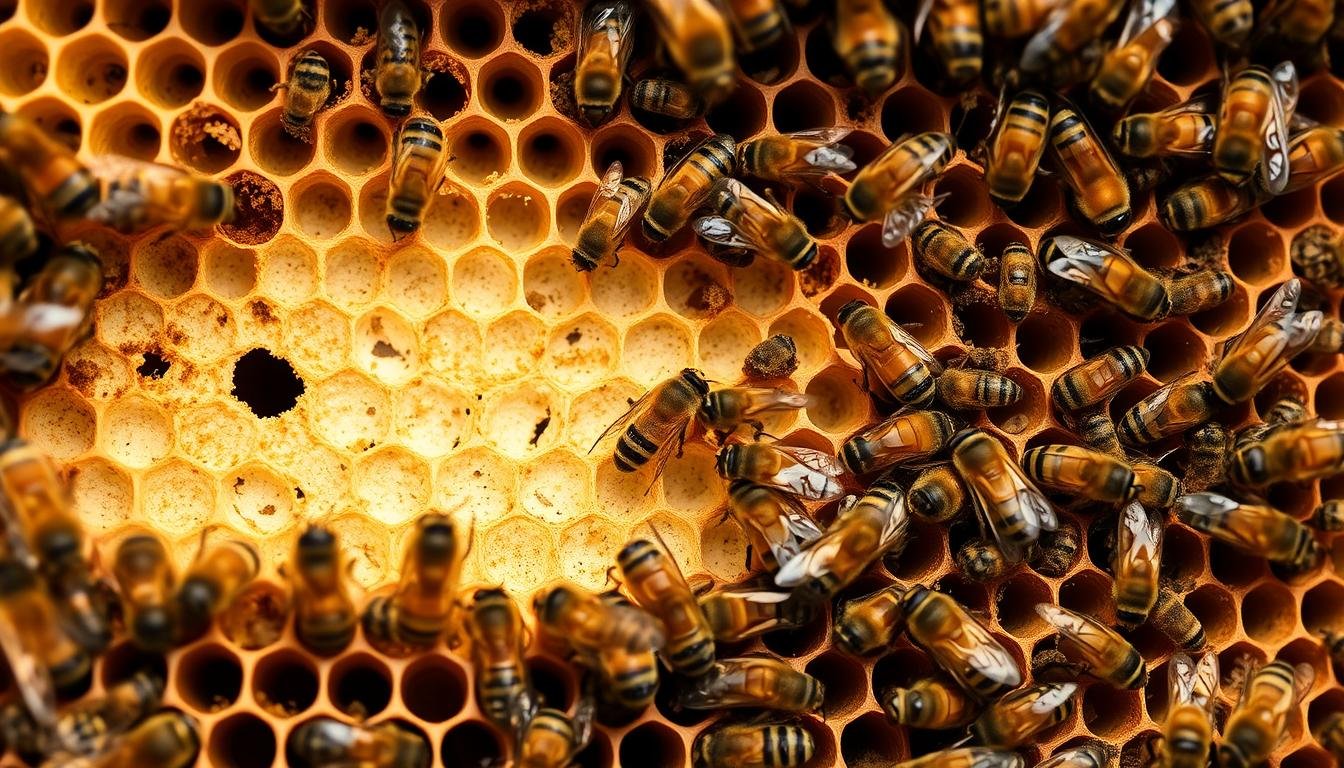
Betterbee’s post-mortem walkthrough shows what a starvation deadout actually looks like — bees head-first in empty cells, a small cluster, no honey within reach — which is the clearest way to learn what you are trying to catch before it happens.
Inside the hive: read the food band and the brood
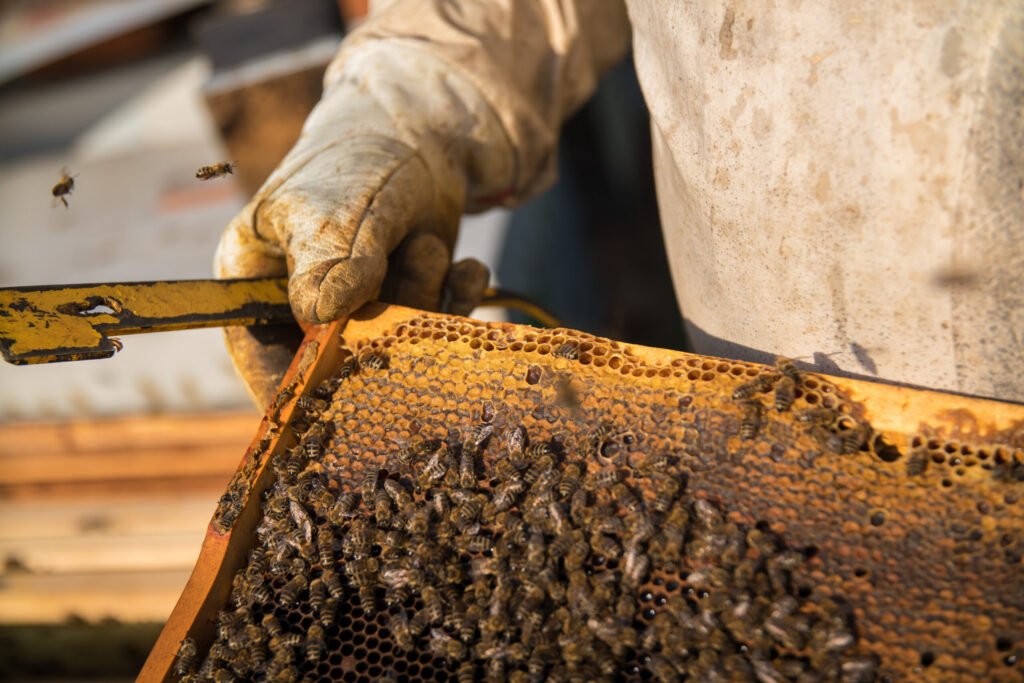
Open the hive when weather allows and inspect the frames around the brood nest. Look for a continuous band of open nectar and capped honey arching above the brood. A brood frame with no food band above it is the single most useful early warning. Dry brood — larvae without a visible pool of jelly around them — points to a protein shortage and rising risk.
Heft, weigh, and count frames
Hefting gives a quick read on stores: lift the back of the hive an inch and classify it as light, right, or heavy relative to its neighbors. A scale under the hive is better because it shows the trend. Count frames of capped honey too: three full deep frames (roughly 20–30 lb) will buffer a short gap, but a strong colony rearing brood can go through that in two or three weeks.
- Assess temperament: an unusually hot colony in a dearth is often rationing inside.
- Look for undersized newly emerged bees and a contraction in the queen’s laying pattern.
- Log weight, frames of honey, and brood area every check so you can act on the trend rather than on a single reading.
Key signs your bees are running out of food
A sudden change at the entrance often gives the first clear sign. Watch for chaos, defensive posture, and damaged cappings that point to robbing or rationing inside the hive.

Robbing behavior and unusually mean bees
Hives become targets when surrounding nectar drops. Sustained fights at the entrance, wax debris on the landing board, and erratic zig-zag flights are hallmark signs of robbery. Robbing focuses on nectar and honey, not pollen. Reduce entrances on weak hives and cut access routes quickly — our guide to identifying robbing early covers how to tell robbing from normal orientation flights.
Nectar shortage and rapidly declining stores
Compare weight and frame stores across inspections. A quick fall in available honey shows consumption running ahead of intake. If the hive lost noticeable weight in a week with no harvest, the colony is eating its reserves.
Cannibalization, undersized workers, and the queen stopping laying
Bees will eat young larvae to conserve resources when protein and carbohydrate both run short. Undersized workers emerging from poorly fed larvae and a sudden slowdown in the queen’s laying are clear starvation indicators — the colony is deliberately shrinking its future to survive the present.
Absconding in severe cases
As a worst-case outcome, a colony under sustained scarcity, robbing pressure, and pest load may leave the site entirely. Treat persistent defensiveness, robbing, and shrinking stores together as a case that needs action the same day.
Isolation starvation: when bees starve inches from honey
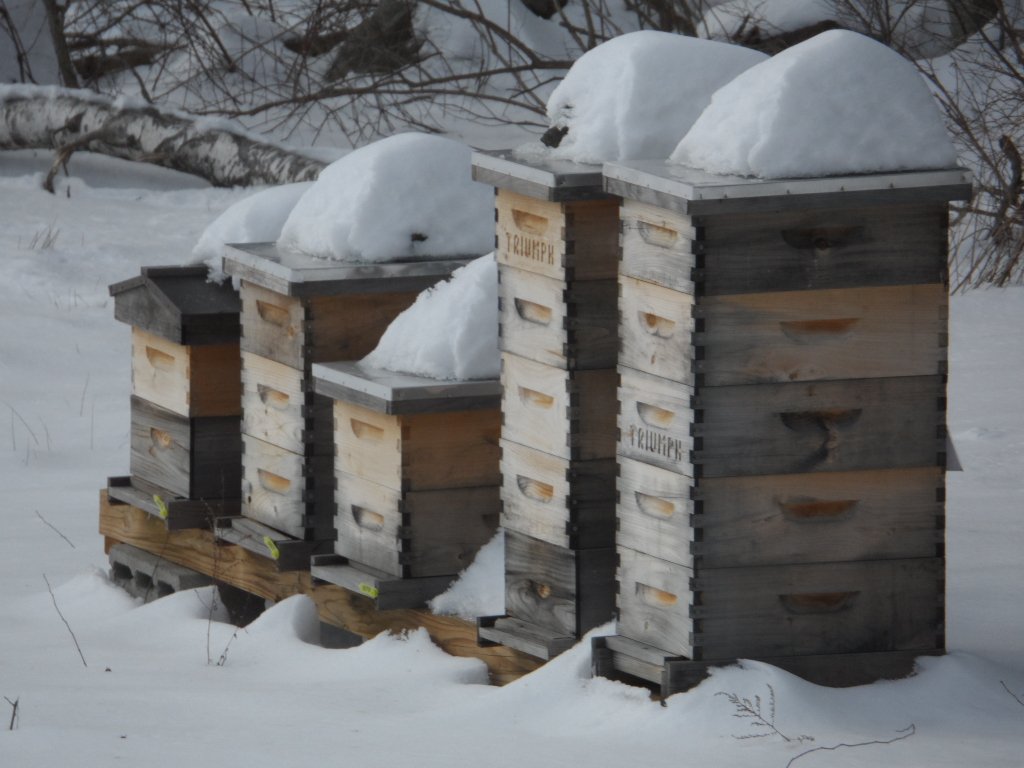
The most frustrating deadout is the one with honey still in the box. In winter the colony contracts into a tight cluster and moves across the comb only during warm spells; the Mid-Atlantic Apiculture Research and Extension Consortium (MAAREC) puts the threshold for clustering at about 57°F. If the cluster eats its way to the edge of its stores and a long cold snap arrives before it can shift, it simply stops.
“An extremely prolonged cold spell can prohibit cluster movement, and the bees may starve to death only inches away from honey.”
The defense is layout, not quantity. Going into winter, arrange capped honey directly above the cluster (in a two-box setup, the top box should be the heavy one) and beside it, not in the outer frames of a box the bees have already vacated. Mississippi State University Extension’s colony-management guidance gives a concrete target for the Deep South; colder states need proportionally more.
“The ideal situation is to have at least 60 to 65 pounds of honey or stored syrup positioned above the cluster of bees in late autumn.”
Hefting cannot detect isolation starvation — a hive with 30 lb of honey on the wrong side of the box hefts fine. On mild winter days, lift the inner cover and check where the cluster sits relative to the remaining capped honey. If the cluster is at the top bars with nothing above it, put fondant or dry sugar on the top bars that day. For how the cluster manages its own heat and why that limits movement, see our piece on thermoregulation in winter clusters.
Root causes: forage, weather, and nutrition quality
Sharp shifts in local weather cut foraging hours and force colonies to use stores faster than usual. Prolonged rain, drought, or sudden cold lowers nectar secretion and shortens safe flight time, so consumption rises while intake drops.
Prolonged rain, drought, and sudden temperature drops
Bad weather reduces both nectar production and foraging windows. Colonies burn internal resources and may exhaust nearby stores during a two-week wet spell in what should be a flow.
Monocultures, pollen diversity, and colony resilience
Monoculture landscapes can offer heavy nectar for a short period but poor pollen variety. Varied pollen supplies the amino acids, lipids, and sterols developing larvae need; poor diversity weakens brood, shortens worker lifespan, and leaves the colony less able to ride out a lean period.
Supplement limits: why substitutes are a complement, not a replacement
Commercial pollen substitutes help bridge gaps, but they do not fully replicate the sterol and micronutrient profile of natural pollen. Use them short-term to protect brood rearing, and prioritize real forage diversity where you can influence it.
| Factor | Effect | Practical step |
|---|---|---|
| Weather shocks | Less foraging, faster drawdown | Track forecasts and pre-position food near the brood |
| Monoculture | Poor pollen quality | Plant diverse forage; advocate locally for pollinator plantings |
| Supplement limits | Incomplete nutrition for brood | Use substitutes short-term; prioritize natural pollen |
| Large brood nest in a dearth | Consumption outruns intake | Feed early; avoid stimulating late-season brood you cannot support |
Immediate actions to prevent colony starvation
A few targeted interventions rescue most colonies caught early. Start with a quick assessment of stores, brood needs, and robbing pressure in the yard, then match the feed and its placement to the season.

Choose the right feed
Use 1:1 sugar syrup (by weight) in spring to stimulate comb drawing and buildup. Use 2:1 syrup in fall to build stores with less evaporation work for the bees. In winter, avoid liquid feed. Cold syrup chills the cluster and adds moisture to the hive; offer fondant, sugar bricks, or dry granulated sugar so the cluster can access calories without those side effects. When making syrup, dissolve sugar in hot water and stir — never boil or scorch it.
| Season | Feed | Why |
|---|---|---|
| Spring buildup | 1:1 syrup, plus pollen patties if natural pollen is scarce | Mimics a light flow; stimulates brood and comb building |
| Summer dearth | 1:1 or 2:1 syrup inside the hive, entrance reduced | Maintains brood without triggering robbing |
| Fall | 2:1 syrup until the target weight is reached | Builds winter stores the bees can cap quickly |
| Winter | Fondant, sugar bricks, or dry sugar on the top bars | No chilling, no added moisture, sits directly above the cluster |
Feeder options and placement
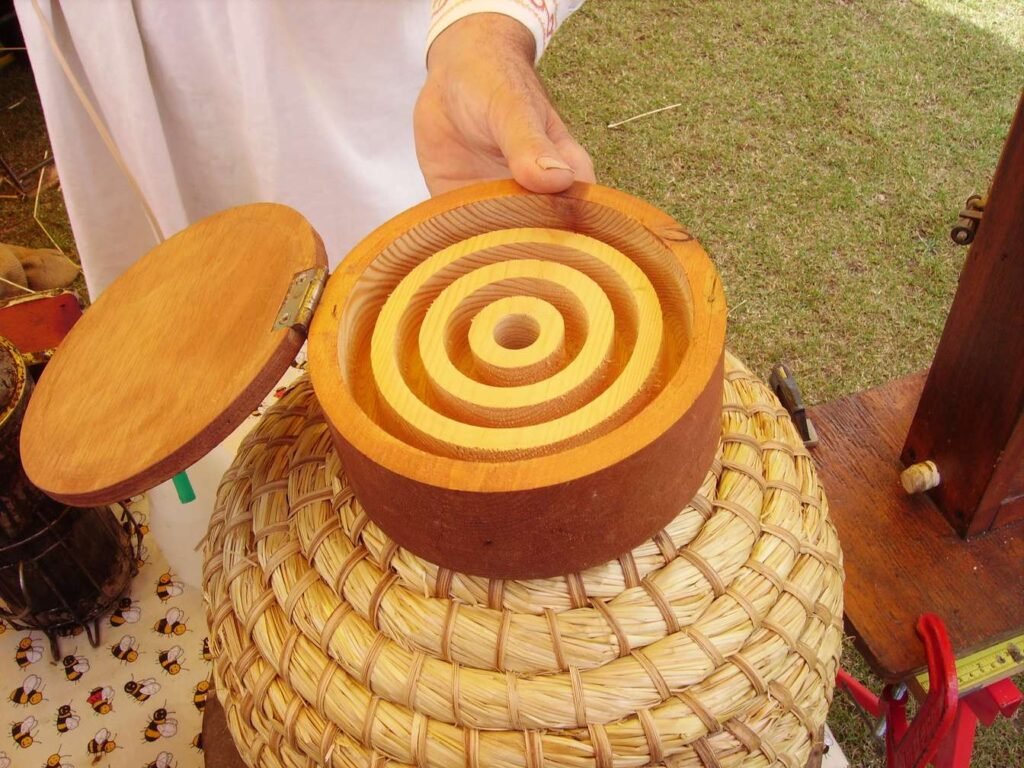
Place internal feeders close to the brood so the cluster can reach food without cold travel. Hive-top and frame feeders keep syrup inside the hive; entrance feeders advertise it to every colony in the yard. Pair any dearth feeding with entrance reducers or robbing screens — see feeding bees without causing robbing for the setup that keeps neighbors out.
Patties and protein support
Offer pollen patties when larvae show poor jelly or dry brood, and keep them on until natural pollen is coming in again. Patties can attract small hive beetles in warm regions, so use half-patties and replace them often. Our guide to feeding pollen patties covers placement and timing.
Balancing resources between hives
Move capped honey frames from a heavy hive to a light one, brushing bees off first, and avoid overfilling the brood nest with honey that blocks the queen. Reassess after 48–72 hours and note volumes fed, feeder type, and consumption for next year’s plan.
Season-by-season prevention plan for U.S. beekeepers
A written season plan keeps stores near the brood and avoids last-minute scrambles. Adjust the dates to your region’s bloom calendar — the seasonal beekeeping calendar is a good starting framework.
Spring and early summer: inspection cadence and syrup timing
Inspect every 7–10 days during rapid buildup. Colonies routinely run light in April and May when brood rearing outpaces the early flow. Keep 1:1 syrup on hand and feed as needed until natural flows stabilize, and give the queen room so incoming nectar does not backfill the brood nest.
Late summer into fall: target stores and manage the brood nest
Assess frames for capped honey and weigh the hive. Use 2:1 syrup in late summer to build reserves. Position feed and honey so food sits directly above the brood nest. Mississippi State’s 60–65 lb target applies to the Deep South; northern operations typically aim considerably higher — often 80 lb or more of honey per hive — so check your own state extension’s figure. Fall is also when a heavy varroa load mimics starvation symptoms, so test for mites before assuming a shrinking colony is simply hungry.
Winter strategies: solid sugar and minimizing heat loss
Enter winter with fondant, sugar bricks, or dry sugar placed above the cluster for easy access. Compare the options in candy boards vs. sugar bricks, or use the simplest route, the Mountain Camp dry-sugar method. Avoid opening hives on cold days; check quickly on mild ones, note weight trends, and refill emergency feed when consumption shows risk. Full winter prep is covered in how to winterize beehives.
- Keep stores accessible to the cluster and move frames only when the bees will reach them.
- Record weight and honey frame counts each check for trend spotting.
- Minimize openings in winter and refill emergency feed before it runs out, not after.
Conclusion
Pair entrance observations with quick frame reads, log weight and stores at every check, and feed by season with the food placed where the cluster can reach it. Those three habits catch nearly every early starvation case in time. The one thing not to trust is total hive weight alone — a heavy hive with honey on the wrong side of the cluster is still a hive at risk.
FAQ
What are the first signs at the apiary that a colony may be running low on food?
Reduced forager traffic, bees clustering on the landing board, robbing by neighboring colonies, torn cappings on the entrance board, and a sudden rise in defensiveness. These cues usually precede visible in-hive shortages and mean it is time to heft and inspect.
When should U.S. beekeepers watch most closely for starvation?
Summer nectar dearths, extended rainy periods, late-winter cold snaps, and the early-spring window when brood demand climbs faster than forage. Late winter into early spring is the single highest-risk period in most of the country.
How do I check stores without tearing the hive apart?
Lift the inner cover and look at the top bars: in winter you should see capped honey above the cluster. In season, pull one frame beside the brood nest and check for a food band arching over the brood. A gap of empty comb between brood and stores is the red flag.
Is hive weight a reliable gauge of food reserves?
Mostly, with one exception. Hefting or weighing tracks total stores well, and weight trends over days beat any single reading. It cannot detect isolation starvation, where honey sits on the far side of the box from a cold-bound cluster — for that you have to look at where the cluster is.
What brood signs indicate nutritional stress?
Spotty brood, larvae without a visible pool of jelly, cannibalized or removed larvae, undersized newly emerged workers, and a queen whose laying contracts sharply outside of normal seasonal slowdowns.
What should I feed in an emergency, and when?
In warm weather, 1:1 or 2:1 sugar syrup inside the hive with the entrance reduced. In cold weather, fondant, sugar bricks, or dry granulated sugar on the top bars directly above the cluster. Never feed liquid syrup when nights are near freezing.
When are pollen patties helpful, and when should I avoid them?
Use them when larvae look dry or natural pollen has stopped coming in during brood rearing. Avoid them if the colony is so weak that stimulating more brood would deepen the shortage, if small hive beetles are a problem, or when natural pollen is plentiful — bees will ignore them and beetles will not.