
Reviewed by Elena P. · Last Updated September 24, 2026 · How we review
Feed pollen patties to a new colony only when it cannot collect enough pollen on its own, usually during cold or wet weeks after installation or before spring bloom is under way. Put a small piece, a quarter to a half of a one-pound patty for a package, directly on the top bars over the cluster. Replace it when it has been eaten and remove leftovers after about a week. Stop as soon as foragers are bringing in plenty of pollen or the bees ignore the patty. A patty is a bridge for nurse bees, not a replacement for real pollen.
A pollen patty is a soft dough of pollen substitute (sometimes with real pollen added) and sugar syrup, pressed between sheets of waxed paper. This guide covers when a new package or nuc needs one, how to place it and when to stop. For choosing between brands, see our pollen substitute patty comparison.
Key Takeaways
- A package arrives with no stored pollen, so its first brood depends on what foragers bring in, or on a supplement.
- Research shows adult bees eat patties but do not store them as bee bread or feed them directly to larvae, so patties support nurse bees without replacing pollen.
- Feed a patty when foragers are grounded by weather or few bees are carrying pollen; skip it when pollen is pouring in.
- Place it on the top bars directly over the cluster, where nurse bees can reach it without leaving the brood.
- Give only what the colony eats in about a week, so leftovers do not mold or feed small hive beetles.
- Keep feeding syrup separately; a patty is protein, not the colony’s main energy source.
Table of Contents
- Why a New Colony Runs Short of Protein
- What Patties Can and Cannot Do
- Does Your New Colony Need a Patty?
- How to Place a Patty in a New Hive
- How Much, How Often and When to Stop
- Patties, Dry Substitute or Frames of Pollen?
- Mold, Beetles and Other Risks
- Frequently Asked Questions
Why a New Colony Runs Short of Protein
Bees get carbohydrate from nectar and syrup, and nearly all of their protein, fat, vitamins and minerals from pollen. Nurse bees eat pollen, mostly as fermented bee bread, and turn it into the glandular food they feed to larvae. No pollen means no brood food, and no brood food means no new bees.
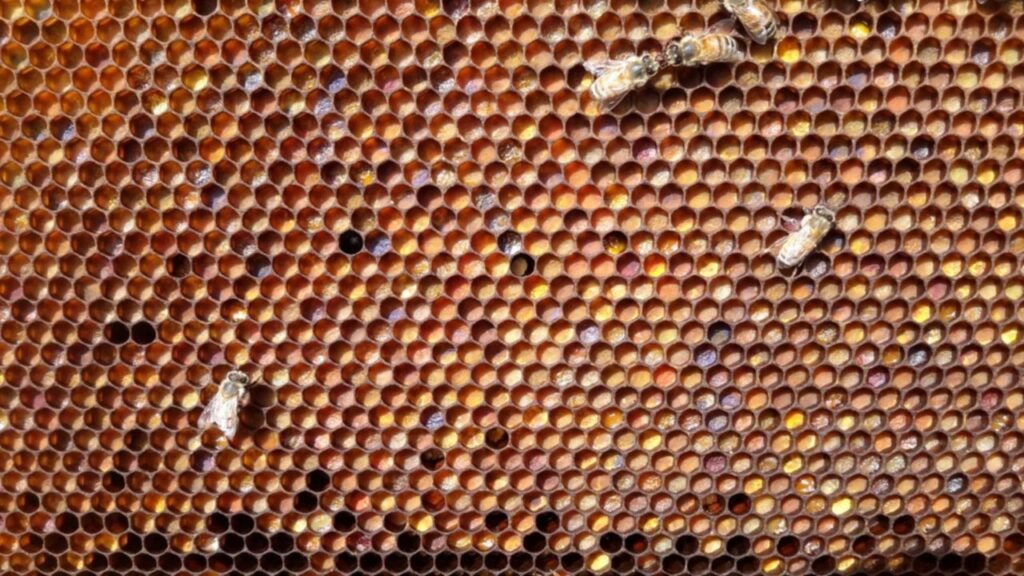
A package starts with none of this in reserve. It has no comb and no bee bread, just adult workers, a queen and whatever syrup you provide. Every larva the new queen produces in the first weeks has to be fed from pollen collected after installation. A nuc is better off because it usually arrives with some bee bread packed around the brood, but a small nuc can still run through it quickly.
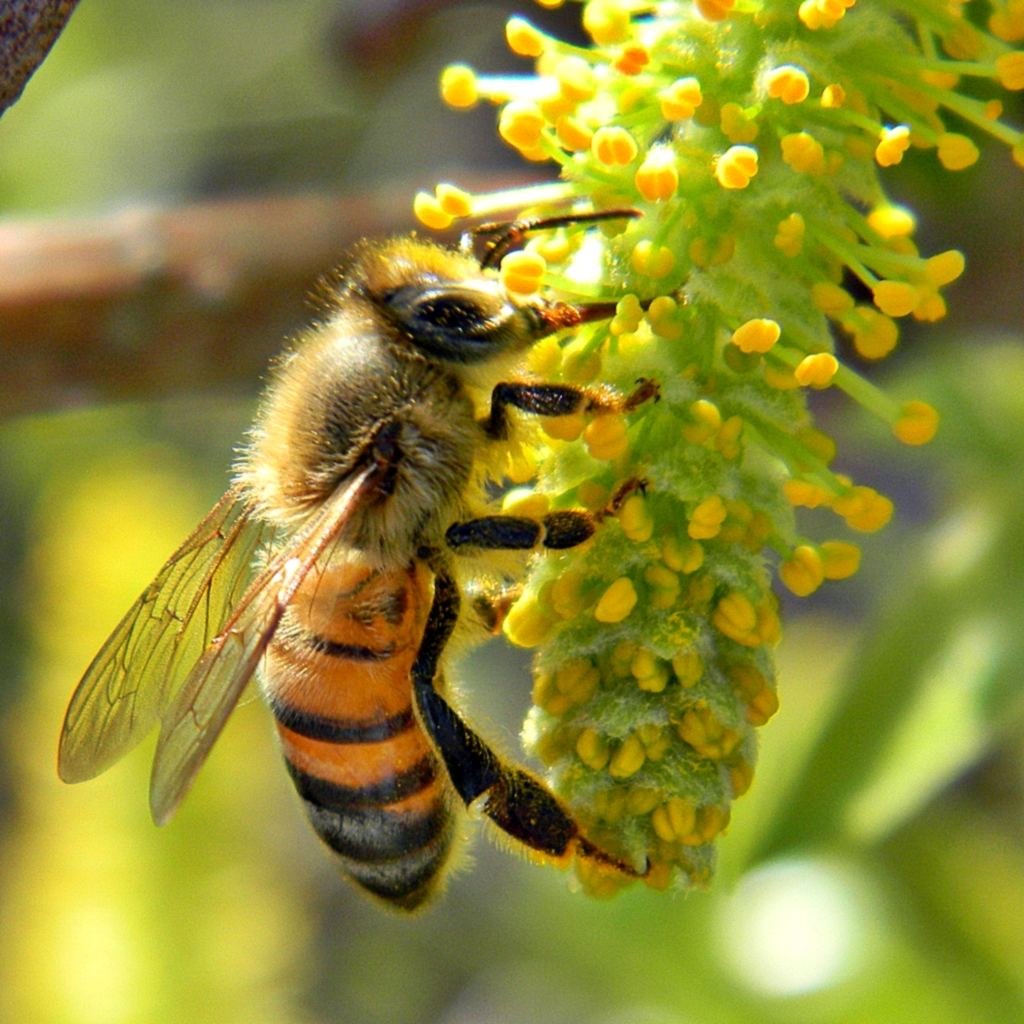
In eastern North Dakota and western Minnesota, packages usually go in during late April or May. Willows, maples and then dandelions provide early pollen, so the gap is usually weather rather than a lack of flowers: a cold, windy or rainy week can keep foragers home just as the first brood needs feeding. That is the situation a patty is best suited to. Our guide to installing package bees in cold spring weather covers the rest of cold-week care.
What Patties Can and Cannot Do
A University of Florida study dyed three commercial pollen substitute patties and traced where they went in 44 colonies. The bees did eat them, but the researchers found that adults likely do not feed patty directly to larvae and do not store it the way they store pollen.
Collectively our data suggest that honey bee colonies use pollen substitute patties. However, patties likely do not replace the function of natural pollen entirely in terms of larval provisioning and long-term storage as bee bread.
Field work by commercial beekeeper and researcher Randy Oliver points the same way from a different angle. In his feeding trials, colonies that had good natural pollen got no apparent benefit from pollen substitute.
Practical application: there was no apparent benefit to feeding pollen sub when there was adequate pollen of high nutritive value naturally available.
Put together, a patty helps a new colony most when real pollen is temporarily out of reach, and least when bloom is strong and flying weather is good. It fills a gap; it does not replace real pollen.
Does Your New Colony Need a Patty?
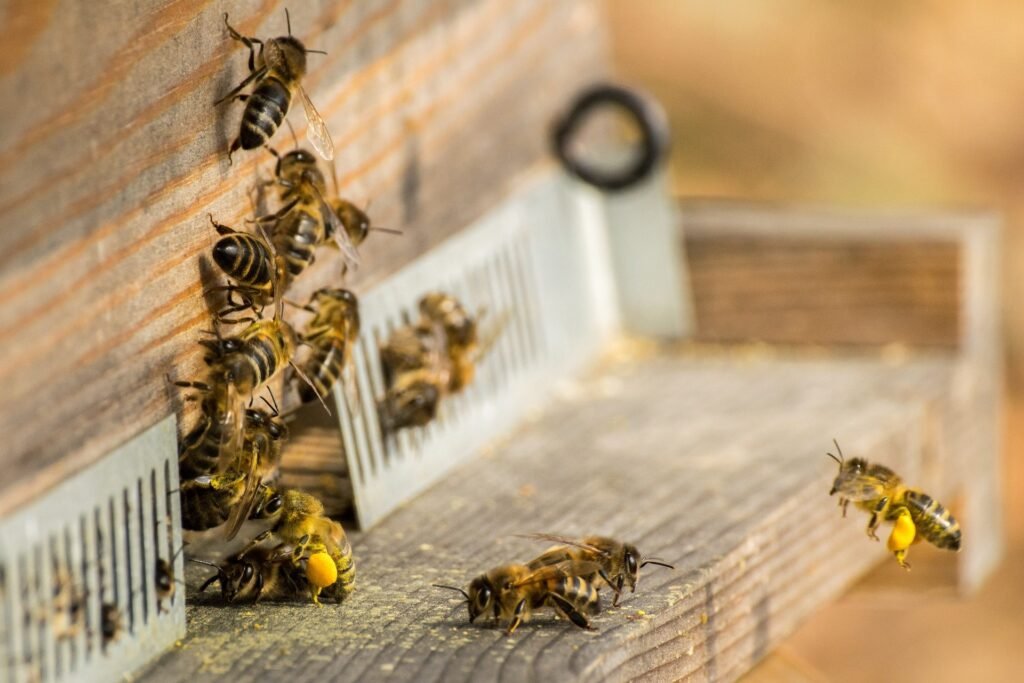
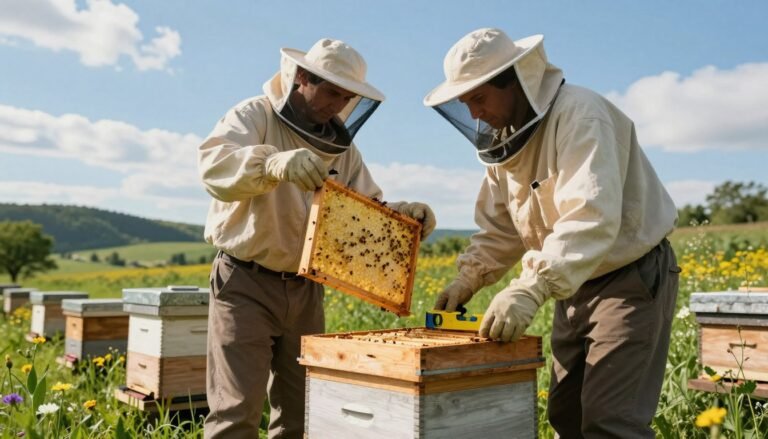
Watch the entrance for ten minutes on a flying day and look at the comb around the brood during your next short inspection.
| What you see | Patty? | Why |
|---|---|---|
| Many foragers carrying pollen loads; cells of packed pollen next to the brood | No | Natural pollen is covering the need |
| Cold, wet or windy week; bees not flying | Yes, a small piece | Nurse bees are raising brood with no incoming pollen |
| Package installed before local bloom is under way | Yes | Nothing to collect yet |
| Few foragers with pollen; almost no pollen cells in the comb | Yes | The colony is living hand to mouth |
| Larvae sitting in very little food instead of a milky pool | Yes, and check the queen and brood | Oliver describes this as “dry brood,” a sign of protein shortage |
| Nuc arriving with frames of bee bread in good weather | Usually no | It has reserves and foragers |
If brood looks patchy rather than underfed, the cause may not be food at all. Compare it with our guide to what a healthy brood pattern looks like, and see brood collapse during a dearth for how to separate food problems from queen problems.
How to Place a Patty in a New Hive
- Cut it to size. Many commercial patties weigh about a pound. For a package covering four or five frames, a quarter to half is plenty to start.
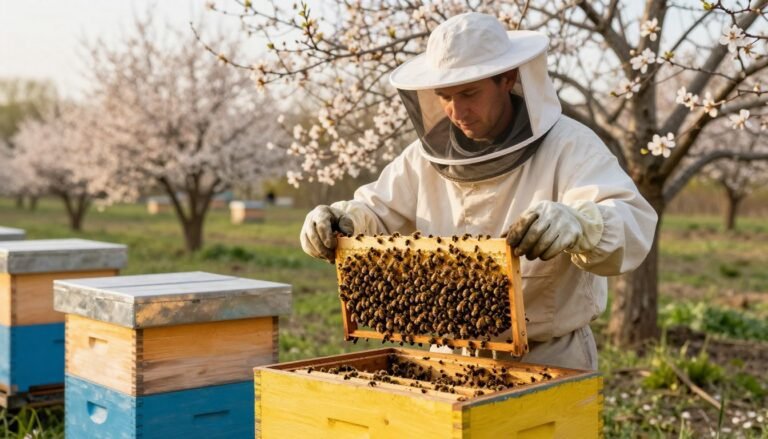
- Find the cluster. Lift the cover and see which frames the bees are on. The patty must sit directly over them; on a cold night the bees will not leave the cluster to reach food a few frames away.
- Handle the paper. Leave the waxed paper on the top side to slow drying. Peel back or score the underside so the bees can reach the dough, then lay it on the top bars, dough side down.
- Make room for it. A patty adds about half an inch. If the inner cover will squash it, add a shallow shim or spacer rim under the inner cover.
- Work around the feeder. If you feed syrup from a pail or jar over the inner-cover hole, place the patty on the top bars beside the hole rather than under the feeder. Our guide to pail feeder setup covers the pail itself.
- Close up quickly. The whole job should take a minute or two.
Do not put dry pollen substitute or patties outside the hive for a new colony. Open feeding draws bees from every hive nearby, and the small colony is the one that suffers. See our guide on protecting new colonies from robbing.
How Much, How Often and When to Stop
Blake Shook of The Bee Supply recommends feeding only what the bees will fully consume in 7 to 10 days, and gives this rule of thumb: “A hive that has about one deep box full of bees should eat a one-pound patty in about seven days” (When and How Much to Feed Pollen Patties). Scaling that down for a new colony gives a sensible starting point:
| Colony size | Starting amount | Check |
|---|---|---|
| Package on 3 to 5 frames | About a quarter to half of a one-pound patty | After 7 days |
| Five-frame nuc, or a package on 6 to 8 frames | About half a patty | After 7 days |
| Full deep of bees | One patty | After about 7 days |
These are starting points, not targets. Adjust by what you find at the next check:
- All gone: give the same amount again, or a little more if the colony is growing.
- Partly eaten, still soft: leave it and check again in a few days.
- Dry, moldy or untouched after a week: remove it. If flying weather is good and pollen is coming in, stop feeding patties altogether.
Most new colonies in the northern plains need patties for a few weeks at most. Once dandelions and fruit bloom are in full swing and the weather settles, the bees usually lose interest in patties, which is a sign to stop. Keep syrup going separately until the colony has drawn its comb; see our complete feeding guide.
Patties, Dry Substitute or Frames of Pollen?
Patties are not the only way to give a colony protein. For a new colony, though, the choice is fairly clear.
| Option | How it is fed | Fit for a new package or nuc |
|---|---|---|
| Pollen substitute patty | Inside the hive, on the top bars over the cluster | Best choice: nurse bees reach it without flying, even in cold weather |
| Dry pollen substitute powder | Outside, in a sheltered container away from the hives | Poor: small colonies have few foragers to collect it, and open feeding draws robbers |
| Frame of bee bread from another colony | Placed next to the brood nest | Excellent if you have a healthy colony to take it from |
| Trapped or purchased real pollen | Mixed into a homemade patty | Good if the pollen is from your own healthy hives or is irradiated |
Dry powder feeding suits large apiaries in early spring, when strong colonies have plenty of foragers to fly to it. A new package does not, and it is the colony most likely to be robbed if you start open feeding nearby. If you keep other colonies, moving one frame of stored pollen next to a package’s brood is often the simplest protein boost of all.
Mold, Beetles and Other Risks
- Small hive beetles. A study by Charles Stuhl found that adult small hive beetles survive and reproduce on commercial pollen substitutes (Florida Entomologist, 2017). Beetle pressure is highest in warm southern regions, but beetles can arrive with packages and equipment anywhere, so the one-week rule matters everywhere.
- Mold and drying. A patty that sits for weeks over a small cluster dries into a brick or grows mold. Small, frequent pieces avoid both.
- Disease risk from real pollen. Patties that contain real pollen from unknown colonies can carry pathogens. Use commercial products from a reputable source, or pollen from your own healthy colonies.
- Squashed or displaced patties. A patty crushed flat under the inner cover can smear across the top bars; a shim prevents this.
After the first few weeks, the next thing to watch is whether the queen and brood are on track. Our guides on checking for eggs after package installation and preventing package absconding cover the first-month milestones.
Once the colony is established, the timing question changes; see when to feed pollen patties to an established colony.
Frequently Asked Questions
When should I put a pollen patty on a new package?
Add one at installation or the first check if bloom has not started or the forecast is cold and wet. If foragers are already bringing in plenty of pollen, you can skip it.
Where do you put a pollen patty in a new hive?
Directly on the top bars over the cluster, under the inner cover. Nurse bees need to reach it without leaving the brood, especially on cold nights.
Do you take the paper off a pollen patty?
Leave the top sheet on to keep the patty moist, and peel back or score the bottom sheet so the bees can reach the dough. The bees will remove the paper as they eat.
How much pollen patty should a nuc get?
Start with about half of a one-pound patty and check it after a week. Increase the amount if it is gone, and remove it if it is untouched or drying out.
When should I stop feeding pollen patties to a new colony?
Stop when foragers are bringing in plenty of pollen, when the bees leave a patty untouched for a week, or once the colony is well established on drawn comb in good weather.
Can pollen patties attract small hive beetles?
Yes. Beetles can feed and breed in patties that sit too long. Give only what the colony will eat in about a week and remove leftovers.
Bottom Line
A new colony needs protein to raise its first brood and starts with none stored. When weather or timing keeps real pollen out of reach, a small patty on the top bars over the cluster keeps nurse bees supplied. Keep portions small, check weekly and stop once real pollen is coming in. If you are still preparing for installation, see our guide to installing package bees.

.jpg)
