Reviewed by Thomas B. · Last Updated September 24, 2026 · How we review
To prevent package bees from absconding, make the new hive look like a nest worth staying in before the queen is free to leave. Install the package in a single box with a small entrance near the bottom, give it at least one frame of used drawn comb if you can, feed syrup inside the hive from the first day, and keep the queen confined until the workers are building comb. Then leave the colony alone for four or five days. Nearly all package absconding happens in that first week, and nearly all of it comes down to the colony deciding the box is not a home yet.
This guide focuses on prevention during installation and the first week. For installation steps, see our complete guide to installing package bees.
Key Takeaways
- A package behaves like a swarm: its scouts are still judging whether your box is a good home.
- Research on nest-site choice shows swarms prefer a cavity of about 40 litres with a small, low entrance and old comb. A single deep box with a reduced entrance and drawn comb matches that closely.
- Keep the queen from leaving until the workers have started building comb, by delaying her release or with a queen excluder under the brood box.
- Feed from day one. Comb building is what anchors the colony, and syrup drives comb building.
- Stay out of the hive for four to five days except to refill the feeder.
- Remove any queen excluder once eggs appear.
Table of Contents
- Why Packages Abscond: A Package Is a Swarm
- What Scout Bees Look For, and How to Match It
- The First-Week Setup, Step by Step
- Site Problems That Push Bees Out
- Warning Signs in the First Week
- If the Bees Start to Leave
- Frequently Asked Questions
Why Packages Abscond: A Package Is a Swarm
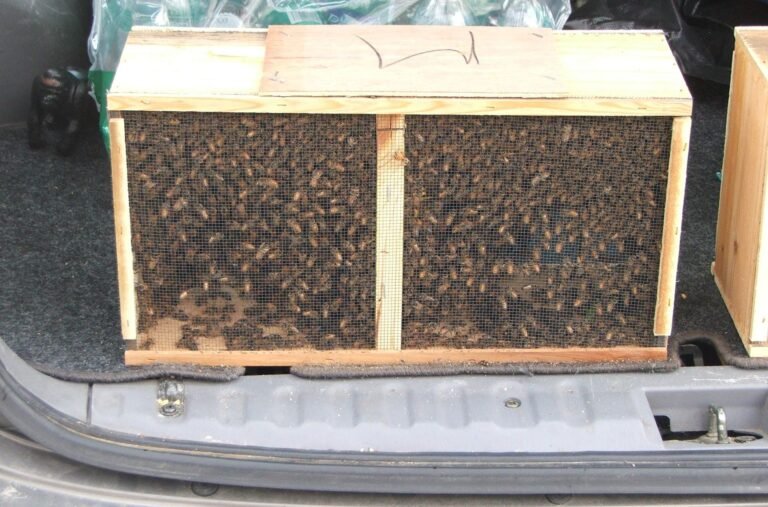
A package is several thousand worker bees shaken from other colonies, plus a caged queen they have known for only a few days. It has no comb, no brood and no stored food. Biologically it resembles a swarm, and a swarm’s first job is to find and commit to a home.
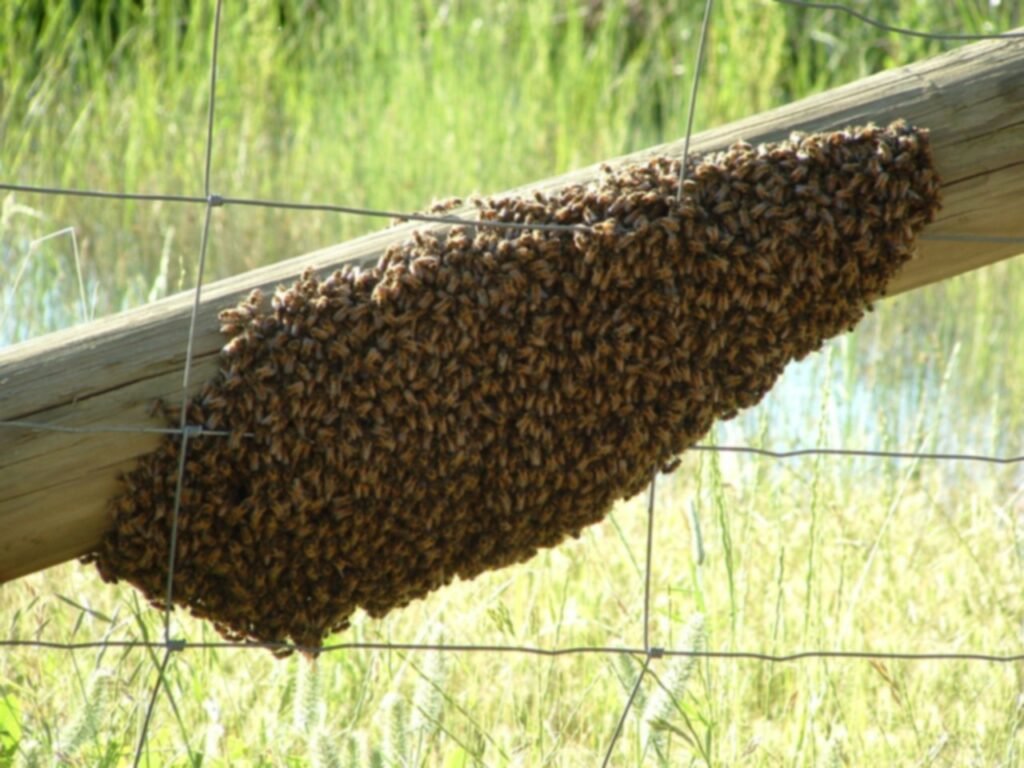
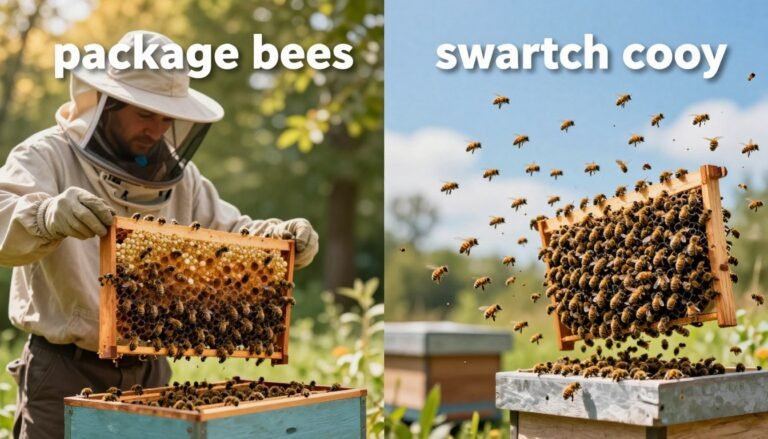
That is why the first days matter so much. An established colony is anchored by brood and stores. A package is anchored only by its queen and whatever comb it has started building. If the queen is free to leave before the workers have invested in comb, and the box does not appeal, the whole colony can fly off together. That is absconding: the entire colony leaves, as opposed to swarming, where part of the colony leaves and the rest stays with brood and queen cells to raise a new queen.
Absconding is not common in European honey bees. Rusty Burlew of Honey Bee Suite points out that bees rarely abscond from used equipment, which is why it is mainly a problem for new beekeepers with brand-new boxes (My bees left! How to prevent absconding).
Nucs rarely abscond for the same reason. A nuc arrives with drawn comb, brood, stores and a laying queen, which are exactly the anchors a package lacks. If absconding worries you, that is one practical argument for starting with a nuc; our guide to the first inspection after installing a nuc covers what to check once it is in the box.
What Scout Bees Look For, and How to Match It
Thomas Seeley and Roger Morse tested what swarms prefer by offering them nest boxes that differed in one feature at a time (Seeley and Morse, 1978, Insectes Sociaux). Their results translate directly into how to set up a package hive.
| Swarm preference (Seeley and Morse) | How a typical new hive compares | What to do |
|---|---|---|
| Cavity around 40 litres, over 10 or 100 litres | One 10-frame deep holds roughly 40 litres inside; two deeps is much more | Install in a single deep; add the second box later |
| Small entrance (12.5 cm², about 2 sq in) over a large one (75 cm²) | A fully open 10-frame entrance is roughly 70 cm² | Use an entrance reducer |
| Entrance at the bottom of the cavity | An open inner-cover notch adds a top entrance | Close upper entrances |
| Entrance facing south over north | Depends on your yard | Face the entrance south or east where you can |
| Previously occupied cavities with old comb | New boxes smell of wood, paint or plastic | Add drawn comb and air out new equipment |
| Nest high off the ground (5 m over 1 m) | A hive stand is well below that | Nothing practical; the other features matter more |
Seeley and Morse found no preference for cavity shape, dryness or draftiness in those tests, so there is little point in over-engineering beyond these basics. The entrance size finding matches standard practice with new colonies: a small entrance is also easier to defend, which our guide to protecting new colonies from robbing covers in detail.
The First-Week Setup, Step by Step
- Prepare the equipment early. Paint only the outside of the boxes, and do it two or three weeks ahead so the smell has time to fade. Let new plastic frames and foundation air out too.
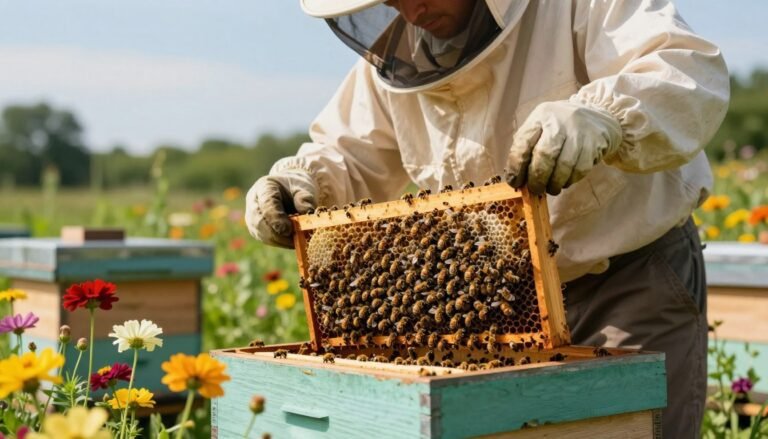
- Add drawn comb. Even one frame of clean, used drawn comb from a healthy colony gives the queen somewhere to lay immediately and makes the box smell occupied. If you are unsure about old comb, see can you install a package on old drawn comb.
- Add a frame of open brood if you have another colony. Young brood is a strong anchor; bees rarely abandon it.
- Install in the late afternoon or evening. The bees settle overnight instead of flying around a strange yard in the heat of the day.
- Feed syrup inside the hive from day one. Plain 1:1 syrup in a pail, jar or frame feeder keeps the colony drawing comb even in bad weather. Our guide to pail feeder hole size and lid setup shows how to stop drips.
- Keep the queen in until comb building starts. This is the most important step. You can leave the candy plug in place so the release takes a few days, or delay the release and free her by hand once you see new comb. A queen excluder under the brood box is the other option; remove it as soon as eggs appear.
- Reduce the entrance and close any upper openings.
- Leave them alone. The Mid-Atlantic Apiculture Research and Extension Consortium’s package feeding guidance puts it plainly: “Leave the hive alone for at least 4 to 5 days, except to refill the feeder as needed.”
On step 6, Rusty Burlew’s advice is direct:
Do not let the queen self-release. Instead, wait until the workers have started to build comb and then release her by hand.
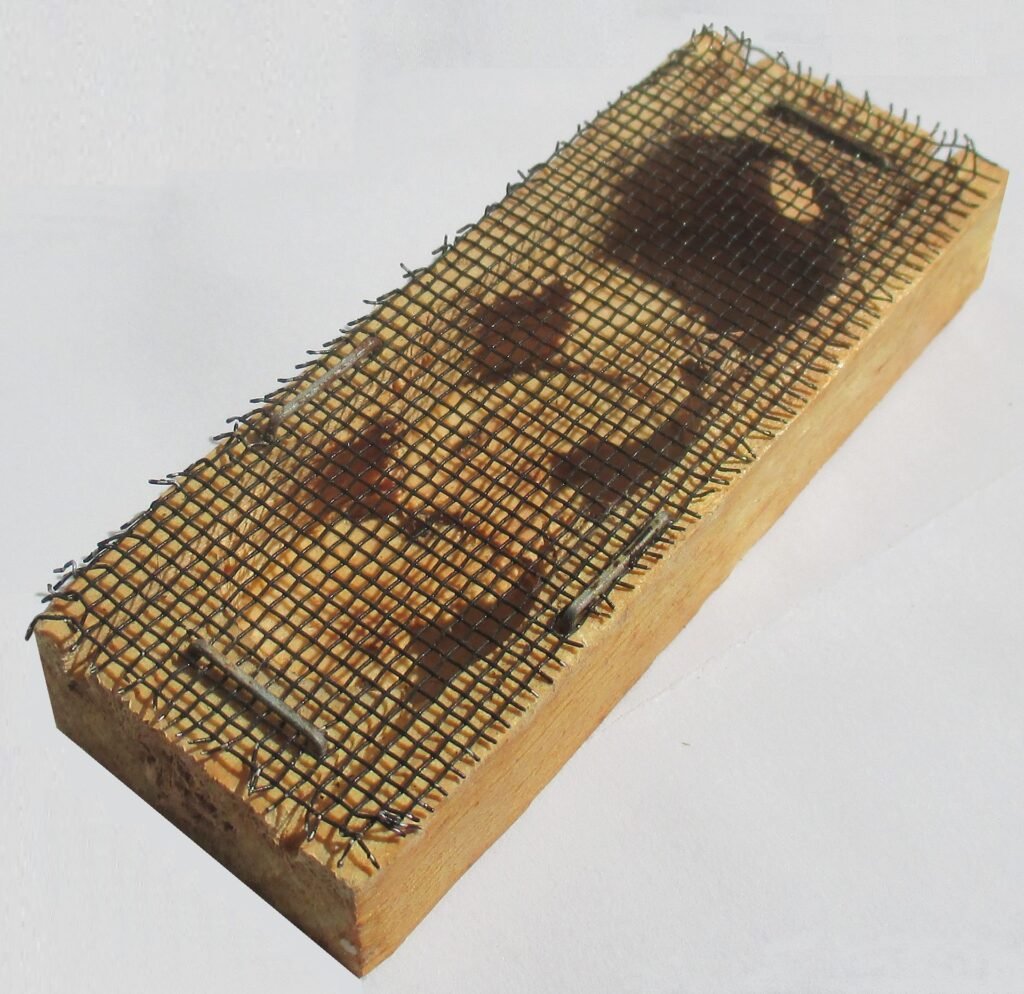
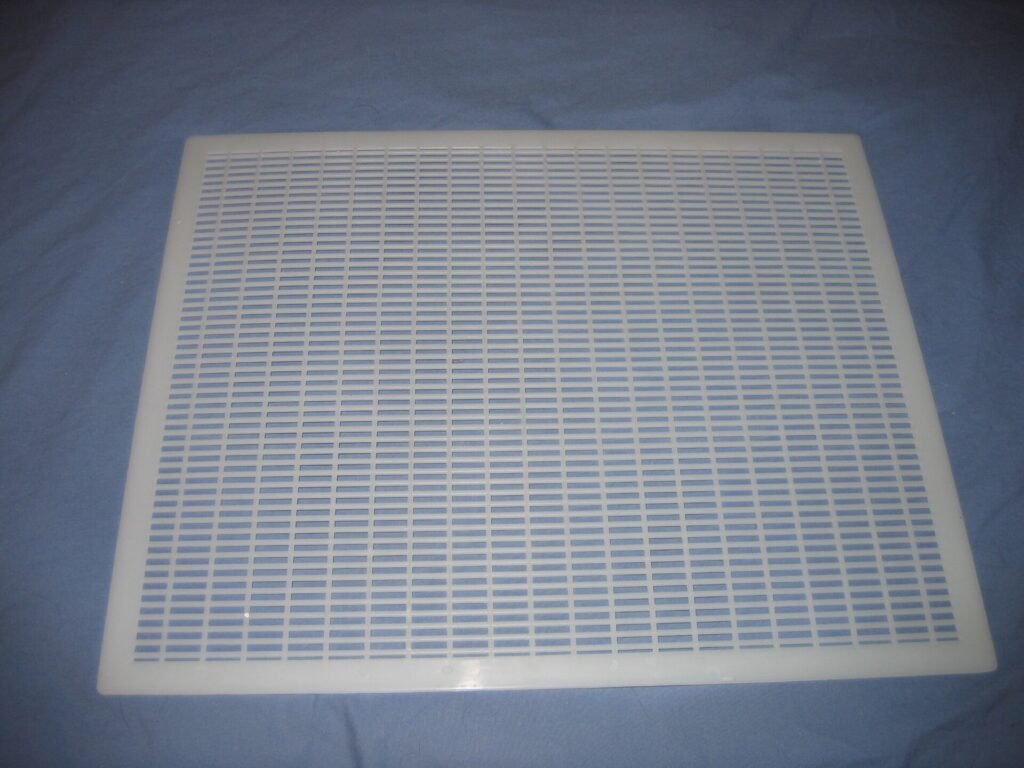
Delaying release is a trade-off. A queen held too long can be stressed or poorly accepted, so check the cage at about day 3 to 5 and release her as soon as comb is under way. Our comparison of direct and slow queen release explains the options. If you use an excluder under the box instead, do not leave it on for weeks: drones cannot pass through it, and it becomes a trap for them as soon as the colony starts raising drones.
Site Problems That Push Bees Out
A good box in a bad spot can still lose its bees. The common site problems are simple ones.
- Overheating. A package in a box in full afternoon sun on a warm day, with a small entrance and a closed top, can get hotter than the cluster can handle. Northern springs are mostly cool, but hot afternoons do happen in late May. Give afternoon shade where you can, and widen the entrance on a hot day.
- Wet or flooding ground. In the Red River Valley, spring flooding and saturated clay are real concerns. Keep hives on stands, above ground that holds water.
- Constant disturbance. Mowers, dogs, livestock rubbing on stands, or a beekeeper opening the hive every day all add stress. The package needs quiet more than attention.
- Ants and pests. Ant trails into a new hive can drive a package out. Keep stand legs clear of grass and debris.
- Predators. Skunks and raccoons working the entrance at night keep a new colony on edge, and a bear can wreck a hive outright. Where they are a problem, guard or fence the hive before the package goes in.
- A swarm trap next door. A baited swarm trap near a new package offers its scouts an attractive alternative. It makes sense to keep bait hives well away from newly installed colonies.
Warning Signs in the First Week
| What you notice | What it may mean | What to do |
|---|---|---|
| Bees clustered on the outside of the box or under it | Box too hot, too smelly or not accepted yet | Shade the hive, check ventilation, confirm the queen is inside |
| Almost no new comb after 3 or 4 days | No feed, too cold, or colony not committed | Check the feeder works; keep the queen confined |
| Syrup untouched | Feeder not reachable from the cluster | Move the feeder directly above or beside the cluster |
| Queen cage empty, little comb, restless bees | Queen free before the colony settled | Find the queen; add a queen excluder under the box |
| A loud cloud of bees pouring out mid-day | Absconding in progress | Watch where they cluster (next section) |
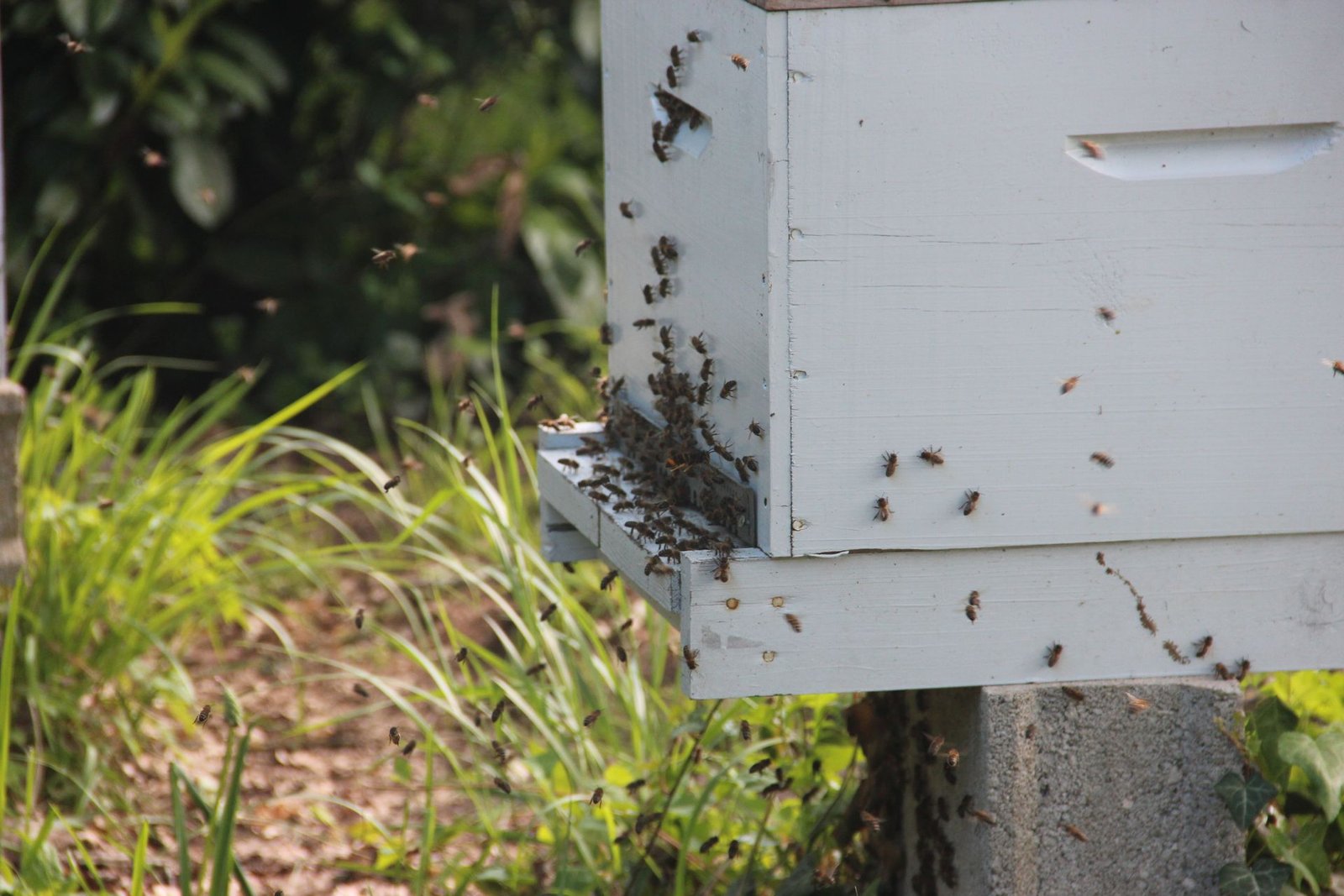
Do not confuse these with orientation flights: short bursts of bees hovering in front of the hive, facing it, while they learn its position. Package bees do this on their first warm days in a new location, and it means they are learning where home is, not leaving. Bees bearding on the front of the hive on a hot evening is also usually about heat.
If the Bees Start to Leave
An absconding colony usually settles in a cluster nearby before moving on, often within sight of the hive. You may have a short window.
- Find the cluster and check that the queen is in it. If the queen is still in the hive, the bees will usually return on their own.
- Collect the cluster into a box or bucket and shake it into the hive in the evening, just as you would a swarm.
- Fix the cause before you close up. Add drawn comb if you have it, check the feeder, shade the hive if it was hot, and close any upper openings.
- Put a queen excluder under the brood box until the queen is laying, then remove it.
- If the bees are gone, clean up syrup and comb so the empty hive does not attract robbers, and look closely at what the box offered before you install again.
Once the colony stays, the next milestones are eggs and comb. Our guide to checking for eggs after package installation covers the day-7-to-10 check, and installing package bees in cold spring weather covers the extra care a cold week demands.
Frequently Asked Questions
Why did my package bees leave the hive?
Most often because the queen was free before the workers had built comb, and the box did not appeal as a nest: new smells, no comb, a large entrance, overheating or frequent disturbance. Package absconding is almost always a first-week problem.
Does a queen excluder stop package bees from absconding?
A queen excluder under the brood box keeps the queen from leaving, so the workers generally stay with her. It is a short-term tool; take it out once eggs appear, or drones will be trapped once the colony starts raising them.
How long should I keep the queen caged to prevent absconding?
Until the workers are clearly building comb, which is usually two to four days. Check at about day 3 to 5, and release her by hand if she is still caged once comb is under way.
Does drawn comb really help keep a package?
Yes. Nest-site research shows swarms favor cavities that were occupied before, and a frame of used comb gives the queen cells to lay in right away. Laying and brood tie the colony to the hive.
Can package bees abscond after the first week?
It is much less likely once the queen is laying and there is brood to care for. Later departures are usually swarms, or a colony collapsing from pests, disease or starvation rather than true absconding.
Should I feed a new package to stop it absconding?
Yes. Syrup lets the bees build comb even when weather prevents foraging, and comb building is what commits a package to its new hive. See our guide on when and how to feed bees.
Bottom Line
A package stays when the box looks like a home and the queen cannot leave before the colony has invested in it. Use one box, a small low entrance and some drawn comb, feed from day one, keep the queen in until comb is under way, and leave the hive alone for the first four or five days. By the time you see eggs, the risk of absconding is largely behind you.
Image credits: Photo: GuillaumeG, CC BY-SA 3.0, via Wikimedia Commons.