Table of Contents
- Why Compare Specific Brands
- MegaBee
- Bee Pro
- Ultra Bee
- AP23
- Side-by-Side Comparison
- Why Protein Percentage Isn’t the Whole Story
- When Substitutes Make Sense vs. Real Pollen
- Feeding Amounts and Timing
- Cost Comparison
- Mixing Your Own Patties from Powder
- Palatability: Will Bees Actually Eat It?
- Storing Unused Product
- Effect on Brood Rearing: What to Watch For
- Can You Combine or Switch Between Brands?
- Considerations for Larger Operations
- Pest and Robbing Risks While Feeding
- Feeding a New Package or Nuc vs. an Established Colony
- Common Mistakes
Why Compare Specific Brands
Our guides on feeding pollen patties to a new colony and best pollen sources for strong colonies cover the general practice and biology; this guide compares four specific, widely used commercial pollen substitute products by ingredient approach, protein source, and practical tradeoffs, since “should I feed a pollen substitute” and “which specific product should I buy” are genuinely different questions with different answers.
MegaBee
MegaBee is formulated without soy or brewer’s yeast — two ingredients common in many other pollen substitutes but sometimes associated with digestive issues in bees when used as a primary long-term protein source — instead building its protein profile from other plant-based ingredients specifically selected to closely match natural pollen’s amino acid composition. It’s sold as a powder that beekeepers typically mix into patties themselves rather than as pre-made patties, which adds a preparation step but also lets you control patty size, thickness, and mix consistency directly.
Bee Pro
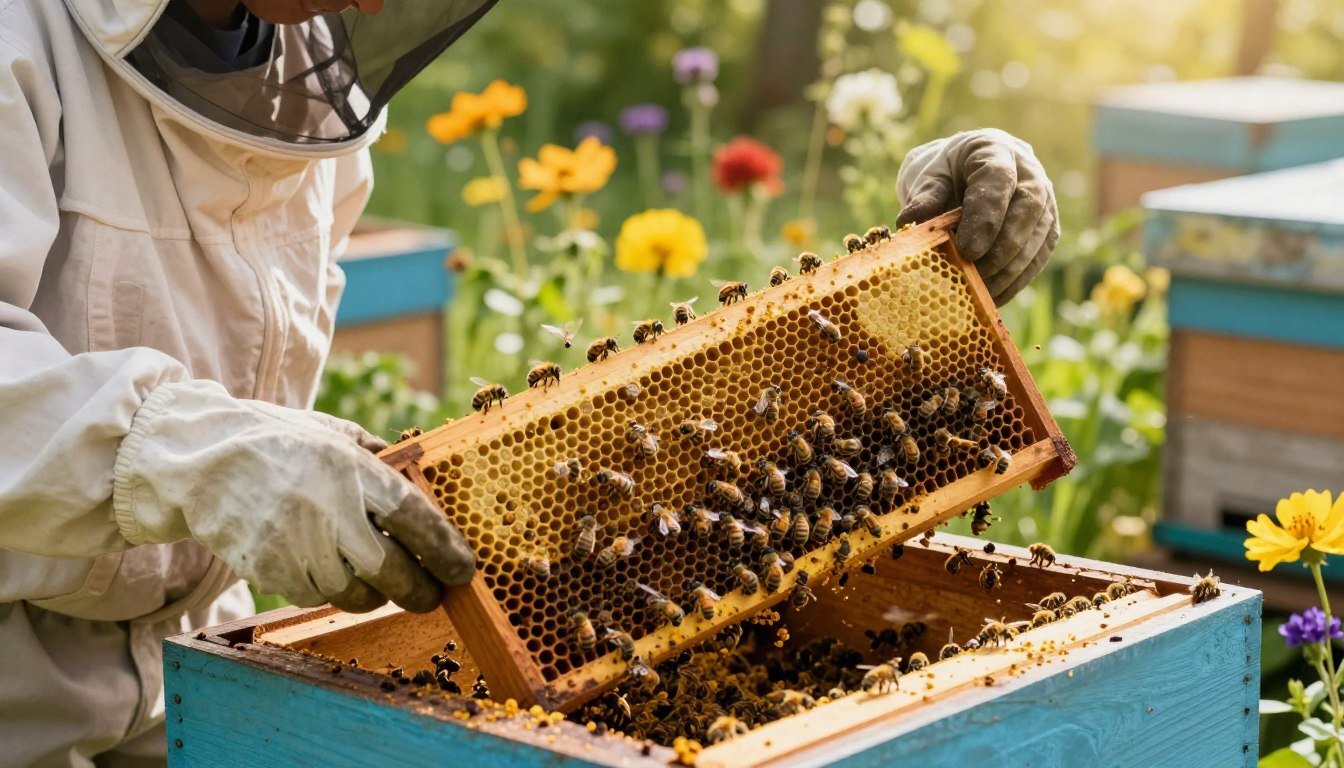
Bee Pro is one of the longest-established commercial pollen substitutes on the market, widely used across commercial and hobbyist operations alike, generally built around a soy-flour-based protein source. Its long market history means there’s a substantial base of real-world beekeeper experience and informal performance comparisons available, which some beekeepers value as a track record, even though it doesn’t mean it necessarily outperforms newer formulations on paper.
Ultra Bee
Ultra Bee positions itself around a specific amino acid profile engineered to closely mirror natural pollen, marketed with particular attention to supporting brood-rearing performance during buildup periods when colonies need substantial protein input. It’s available as both a ready-to-use patty and a powder for DIY mixing, giving more format flexibility than a powder-only product for beekeepers who want a pre-made option without a mixing step.
AP23
AP23 is a formulation that includes a real pollen component blended with substitute protein sources, rather than being a 100% substitute — the idea being that even a modest percentage of actual pollen improves palatability and nutritional completeness compared to a fully synthetic substitute, since bees are documented to sometimes reject substitute-only patties they don’t recognize as readily as anything containing real pollen. This makes it a middle-ground option between a pure substitute and feeding stored natural pollen directly, at a cost point that reflects the real-pollen component.
Side-by-Side Comparison
| Product | Format | Key Distinguishing Feature |
|---|---|---|
| MegaBee | Powder (DIY mixing) | No soy or brewer’s yeast |
| Bee Pro | Powder (DIY mixing) | Long market track record, soy-based |
| Ultra Bee | Patty or powder | Amino-acid profile engineered for buildup |
| AP23 | Patty | Contains a real-pollen component |
Why Protein Percentage Isn’t the Whole Story
Marketed protein percentage alone is a misleading way to compare these products, since amino acid composition — not just total protein content — determines how well bees can actually use the protein for brood-rearing and gland development. A product with a lower headline protein percentage but a more complete amino acid profile closely matching natural pollen can outperform a higher-percentage product built on a less balanced protein source. This is genuinely difficult for a beekeeper to evaluate from packaging alone, which is part of why real-world colony performance (buildup speed, brood pattern quality) matters more than the number on the bag.
When Substitutes Make Sense vs. Real Pollen
Pollen substitutes are most useful during genuine pollen dearth — early spring before natural forage is available, or a summer dearth period — when natural pollen simply isn’t accessible in sufficient quantity, not as a routine year-round replacement for natural forage. When real pollen is available in the environment, bees generally prefer it and substitutes become a secondary, supplemental option rather than the primary protein source, since no substitute fully replicates natural pollen’s complete micronutrient profile.
Feeding Amounts and Timing
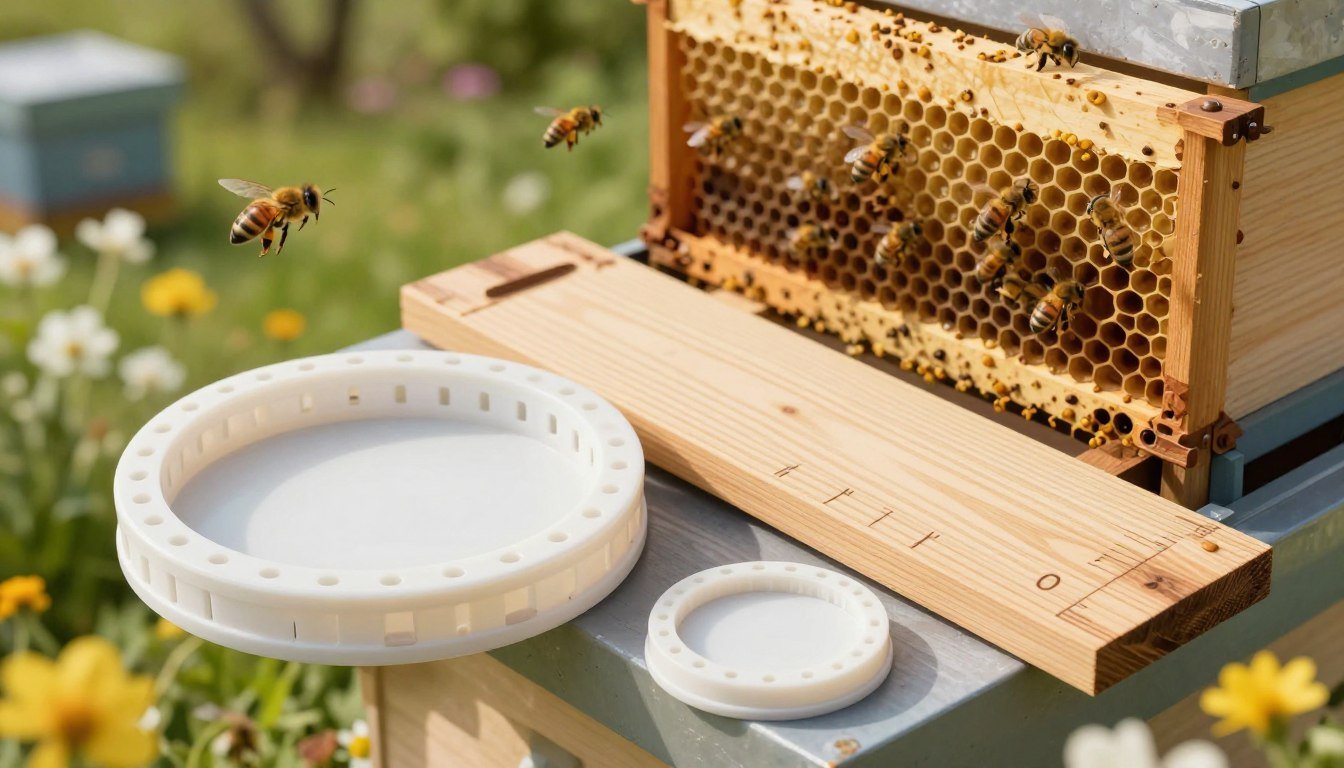
Follow each product’s specific feeding guidance for patty size and frequency relative to colony strength, generally starting feeding ahead of anticipated buildup periods (early spring in most U.S. climates) rather than reactively once a colony is already showing signs of protein stress. Remove any uneaten patty remnants before it molds or attracts pests, and don’t leave a patty in place indefinitely once natural forage becomes reliably available, since over-reliance on substitute feeding when real pollen is accessible offers limited additional benefit.
Cost Comparison
Powder-based products (MegaBee, Bee Pro) are generally the most cost-effective per pound since you’re paying for raw ingredients and mixing patties yourself, while ready-made patty products (AP23, and Ultra Bee’s patty option) carry a labor-savings premium for the convenience of skipping the mixing step. AP23’s inclusion of real pollen typically makes it the most expensive of the four, reflecting the cost of sourcing that component alongside the substitute base. For a large operation feeding many colonies, the labor savings of mixing your own patties at scale from powder can outweigh the modest per-unit cost difference; for a hobbyist with one or two hives, the convenience of a ready-made patty may be worth the premium.
Mixing Your Own Patties from Powder
For MegaBee and Bee Pro, mixing typically involves combining the powder with sugar syrup to a workable dough-like consistency, then forming it into flat patties between wax paper for easy handling and storage. Follow each product’s specific mixing ratio rather than guessing, since too much syrup produces a patty that’s too soft and prone to fermenting or dripping, while too little produces a dry, crumbly patty bees have more trouble working. Mixed patties not used immediately store well in a freezer, letting you batch-prepare a season’s supply in one mixing session rather than mixing fresh every time you feed.
Palatability: Will Bees Actually Eat It?
A pollen substitute’s nutritional profile on paper doesn’t guarantee bees will actually consume it readily — palatability varies genuinely between products and even between batches, and a patty bees ignore provides zero nutritional benefit regardless of its formulation quality. If a colony is leaving a specific product’s patty largely untouched after a reasonable trial period, don’t assume the colony doesn’t need supplemental feeding; consider trying a different product or format, since a real palatability mismatch is a documented, recurring issue across this product category rather than a rare edge case.
Storing Unused Product
Powder-based products generally store well in a cool, dry, sealed container for an extended period before use, similar to other dry bee-feeding supplies. Pre-mixed patties, whether store-bought or DIY, keep best frozen if not used within a short window, since the moisture content that makes a patty workable also makes it prone to mold and fermentation at room temperature over time. Label mixed or opened product with the date, since tracking freshness matters more for this category than for many other beekeeping supplies.
Effect on Brood Rearing: What to Watch For
The real-world signal that a pollen substitute is doing its job is an active, expanding brood pattern during the feeding period — check brood frames during routine inspections for solid, consistent laying rather than a spotty or stalled pattern, which can indicate the colony still isn’t getting adequate protein regardless of what’s in the feeder. Because brood development takes roughly three weeks from egg to emerged adult, give a feeding program at least that long before judging whether it’s working, rather than expecting an immediate visible change within days of starting supplemental feeding.
Can You Combine or Switch Between Brands?
There’s no inherent problem with switching between brands, or even feeding different products to different colonies in the same apiary to compare real-world performance under your own conditions — this is actually a reasonable way to form your own informed opinion beyond marketing claims, since colony response can vary by local conditions in ways generic product reviews don’t capture. Avoid mixing two different substitute powders together in a single batch without a clear reason, though, since combining products with different formulations can produce an unpredictable amino acid balance rather than a genuine improvement over either product used on its own.
Considerations for Larger Operations
Commercial and semi-commercial beekeepers feeding many colonies benefit most from powder-based products purchased in bulk, since per-pound cost drops meaningfully at larger order quantities compared to buying small pre-made patty packages. Standardizing on one product across an operation also simplifies feeding-schedule planning and record-keeping compared to managing multiple different products, though some larger operations deliberately trial a second product on a subset of colonies each season specifically to keep evaluating whether a formulation change would improve results before committing the whole operation to a switch.
Pest and Robbing Risks While Feeding
An open pollen patty can attract small hive beetles and other pests looking for an easy food source, so placement matters — most beekeepers place patties directly on top bars under the inner cover rather than in an exposed location, reducing pest access compared to leaving substitute feed openly accessible. During a robbing-prone period (typically nectar dearth), feeding pollen substitute doesn’t carry the same robbing risk that syrup feeding does, since it’s not a liquid sugar source bees from other colonies would be drawn to rob, but still monitor for unusual activity around a feeding colony as a general precaution.
Feeding a New Package or Nuc vs. an Established Colony
A newly installed package or nuc, without established forager infrastructure or stored reserves, often benefits from supplemental pollen substitute feeding even outside a strict dearth period, simply because the colony hasn’t yet built up its own foraging and storage capacity — this is a genuinely different situation from an established, well-provisioned colony, where substitute feeding is more specifically tied to seasonal dearth timing. Our guide to feeding pollen patties to a new colony covers this specific scenario’s timing and amounts in more detail.
Common Mistakes
Choosing based on marketed protein percentage alone, ignoring amino acid composition and real-world performance, is the most common evaluation mistake. Feeding a substitute year-round regardless of natural forage availability wastes money and offers limited additional nutritional benefit once real pollen is accessible. Leaving old, molding patty remnants in the hive rather than removing and replacing them creates a genuine pest and mold risk that undermines the feeding effort entirely.
Whichever brand you choose, timing matters more; see when to start and stop pollen patties.
Sources
Ingredient composition and formulation approach reflect publicly available manufacturer product information for each named brand, alongside general USDA/university extension guidance on honey bee nutrition and pollen substitute use. See the USDA Agricultural Research Service’s Honey Bee Breeding, Genetics and Physiology Research Unit for additional authoritative detail.
FAQ
Is a higher protein percentage always better?
No — amino acid composition matters more than total protein percentage for how well bees can actually use the protein, so a lower-percentage product with a more complete amino acid profile can outperform a higher-percentage one. For a closer look at how amino acid profiles actually differ across pollen sources, see this site’s pollen amino acid profile comparison.
Do pollen substitutes fully replace natural pollen?
No — no current substitute fully replicates natural pollen’s complete micronutrient profile; substitutes are best used during genuine pollen dearth, not as a year-round replacement when natural forage is available.
Which product is easiest for a beginner to use?
A ready-to-use patty format (like Ultra Bee’s patty option or AP23) skips the DIY mixing step that powder-based products like MegaBee and Bee Pro require, making it a simpler starting point for a first-time user.
Why does AP23 contain real pollen if it’s a “substitute”?
Blending in a real-pollen component improves palatability and nutritional completeness compared to a fully synthetic substitute, since bees sometimes reject substitute-only patties less readily than anything containing real pollen.
Can I switch pollen substitute brands mid-season?
Yes — there’s no inherent problem switching between brands, and some beekeepers deliberately trial different products on different colonies to compare real-world performance under their own conditions.
How long does a pollen patty last once opened?
An opened patty should generally be used within a reasonably short window or frozen for longer storage, since its moisture content makes it prone to mold and fermentation at room temperature over time.