Last Updated September 17, 2026
For most backyard beekeepers, the best solar wax melter is a simple insulated box with a clear lid, a sloped tray, and a collection pan — either a ready-made unit from a major supplier, such as Mann Lake’s wooden model (about $300) or Dancing Bee Equipment’s Canadian-made unit (CA$325), or a home-built version made from an old cooler or a wooden box and a pane of glass that performs nearly as well for a fraction of the cost. What separates a good solar melter from a frustrating one is not the brand name but four things: how well it seals and holds heat, how clear and well-angled the glazing is, whether the tray filters debris before the wax reaches the pan, and whether it is bee-tight. This guide explains how solar rendering works, what to look for, how the ready-made options actually compare on verified specifications, and how to get clean, light wax out of a unit once you have one.
Key Takeaways
- A solar wax melter is a glazed, insulated box that uses the greenhouse effect to melt beeswax (melting point roughly 62–65°C / 144–149°F) on a sunny day with no fuel or electricity.
- Glazing clarity, insulation, and a tight seal matter more than size or brand; a leaky unit stalls on marginal days that a well-sealed one handles.
- Verified ready-made options: Mann Lake’s Wooden Solar Wax Melter (plexiglass lid, untreated wood, ships unassembled, about $300) and Dancing Bee Equipment’s Solar Wax Melter (78 x 56 x 40 cm, Canadian wood, CA$325); Dadant and Betterbee also carry solar melters.
- Both manufacturers recommend painting the unit black, and neither is meant to live outdoors year-round — bring it in for winter.
- Cappings wax gives the best yield and lightest color; old brood comb yields much less and leaves a residue called slumgum. Never render comb from a colony with suspected American foulbrood in your everyday melter.
- Keep the melter bee-tight, filter through mesh or a paper towel, put a little water in the collection pan so the block releases, and store finished wax sealed against wax moths.
Table of Contents
- How a Solar Wax Melter Works
- Why Solar Rendering Suits a Backyard Apiary
- What to Look For in a Solar Wax Melter
- Ready-Made Solar Wax Melters Compared
- Buy or Build? The DIY Option
- Using a Solar Melter Well: Positioning, Timing, and What to Melt
- Wax Quality, Color, and Filtering
- Cleaning, Storage, and Protecting Finished Wax
- Common Mistakes
- FAQ
How a Solar Wax Melter Works
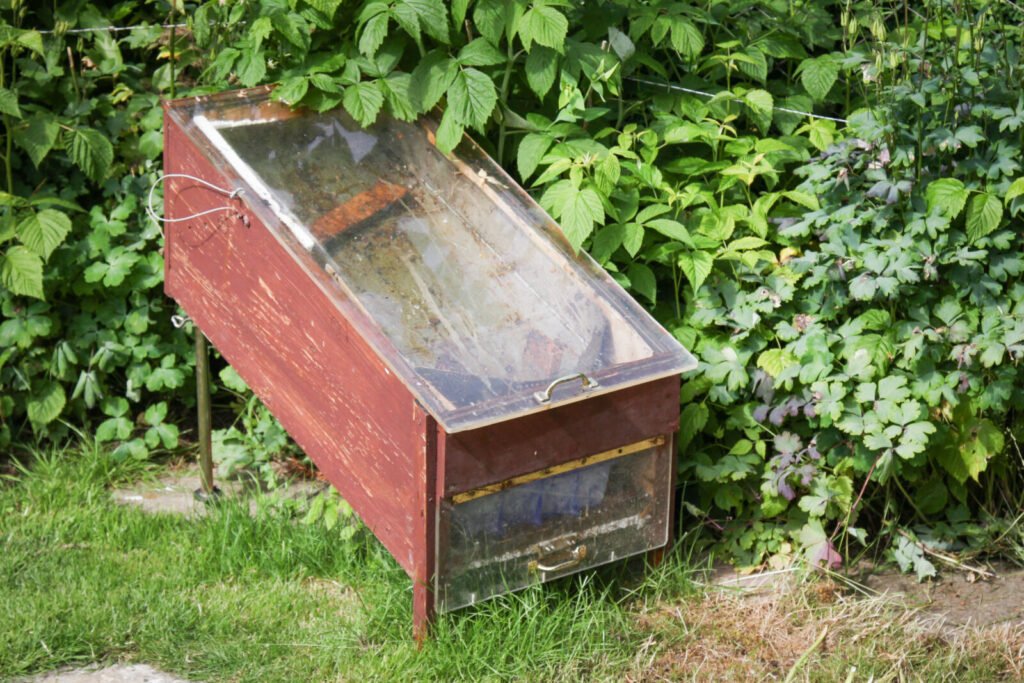
A solar melter is a small greenhouse. Sunlight passes through a glass or acrylic lid, is absorbed by the dark interior, and the trapped heat raises the temperature inside the box well past the melting point of beeswax. Comb scraps and cappings sit on a slanted tray; as they melt, liquid wax runs down the slope, through a coarse filter, and into a pan or mold below, leaving cocoons, propolis, and debris behind on the tray. The University of Florida’s IFAS Extension describes the basic apparatus in its solar-rendering guide: bits of wax, old comb, and hive scrapings are placed on a slanted, usually metal, tray inside a box that is covered tightly with a glass top and oriented toward the sun, and the wax melts and drips off the tray into a collector pan. Painting the inside black, the same guide notes, helps the box absorb as much radiation as possible.
“The melter should always be bee tight; honey bees are usually attracted to the odor of melting wax.”
Because the heat is gentle and dry — no boiling water, no direct flame — solar rendering produces some of the cleanest, lightest-colored wax of any home method, and it removes the fire and scorching risks that come with stovetop melting.
Why Solar Rendering Suits a Backyard Apiary
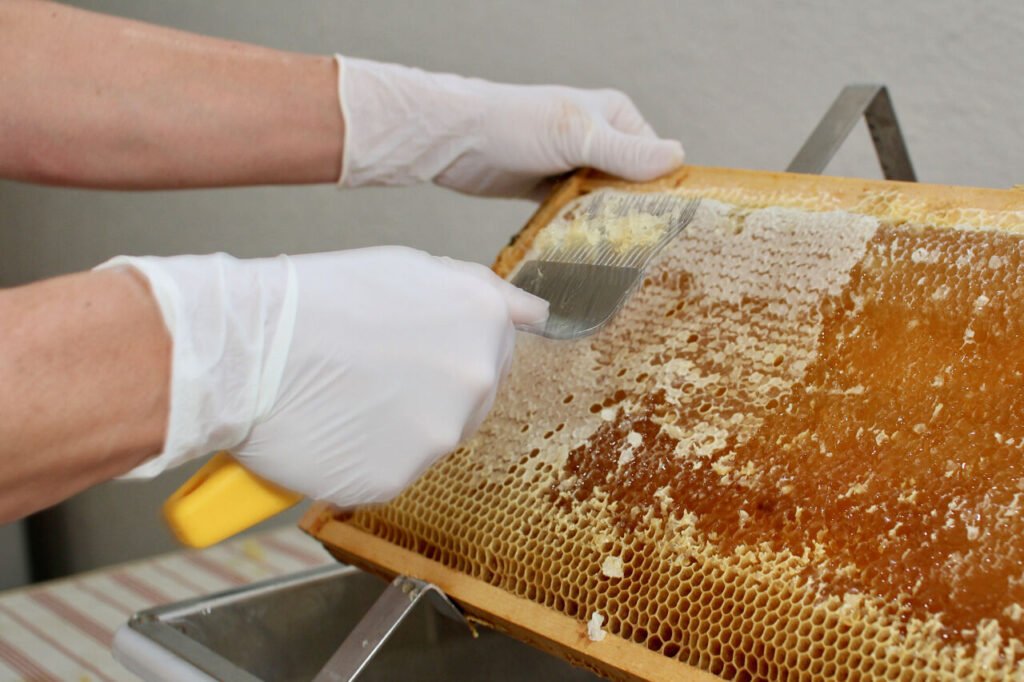
A hobby apiary produces wax in small, irregular batches: a handful of cappings after each extraction, burr comb scraped during inspections, a few old frames culled each season. A solar melter fits that rhythm. There is nothing to light or plug in, it can sit in a corner of the yard processing a batch while you do other work, and it costs nothing to run. The tradeoffs are equally simple: it depends on sun, so it is seasonal in most of the United States and slow in cloudy or cool climates, and its capacity is modest. If you regularly render dozens of frames of dark old comb, or live somewhere with short, gray summers, a steam or electric melter is the more dependable tool; our solar versus steam wax melter comparison weighs the two.
What to Look For in a Solar Wax Melter
Whether you buy or build, the same handful of design details decide how well a unit performs.
| Feature | Why it matters | What to look for |
|---|---|---|
| Glazing | Light transmission drives heating | Clear glass or acrylic (plexiglass); double glazing or an air gap helps on cool days; keep it clean |
| Seal and insulation | A leaky box loses heat as fast as it gains it | Snug lid with a gasket or close-fitting rim; thick wood or foam insulation; no gaps (also keeps bees out) |
| Tray and filter | Debris that reaches the pan means re-rendering | Sloped metal tray with a mesh, screen, or paper-towel filter stage before the outlet |
| Collection pan | Determines block shape and how easily it releases | Removable pan or mold; add a little water so the cooled block pops out |
| Capacity | Too small means many batches; too large sits empty | Match to your seasonal wax volume; mid-size suits most backyard apiaries |
| Interior finish | Dark surfaces absorb more heat | Black interior, or paint it yourself (both major manufacturers recommend this) |
| Stand and angle | Tilting toward the sun raises interior temperature | Adjustable legs or a stand that lets you face south and tilt roughly to your latitude |
| Materials | Outdoor exposure degrades wood and seals | Weather-resistant wood (cedar, cypress) or sealed pine; plan to store it indoors off-season |
Ready-Made Solar Wax Melters Compared
The specifications below were checked on the manufacturers’ own product pages in September 2026; prices change, so treat them as a snapshot.
Mann Lake Wooden Solar Wax Melter
Mann Lake, one of the largest U.S. beekeeping suppliers, sells a wooden solar wax melter listed at $299.99. It comes with a plexiglass lid, a melting tray, and a collection pan, ships unassembled (the legs attach with a screwdriver), and measures roughly 13 x 24 x 39 inches at about 33 pounds. Two details from the listing are worth knowing before you buy: it is built from untreated wood and, in Mann Lake’s own words, is “not intended for extended outdoor conditions,” so it should be stored under cover when not in use; and a filter to separate debris as the wax melts is sold separately. Mann Lake also recommends painting the unit black to raise its efficiency and says a batch typically takes a few hours of direct sun.
Dancing Bee Equipment Solar Wax Melter
Dancing Bee Equipment, an Ontario manufacturer, makes a Canadian-built solar wax melter listed at CA$325. It measures 78 x 56 x 40 cm, is built from Canadian wood with a plastic top, and the maker describes it as suited to melting cappings and blocks of wax and to cleaning queen excluders. Like Mann Lake, Dancing Bee recommends painting the unit black for best performance. For U.S. buyers it is mainly relevant near the border or for anyone who wants a slightly larger unit; shipping and exchange rates decide whether it makes sense.
Dadant, Betterbee, and regional suppliers
Dadant & Sons and Betterbee both list solar wax melters in their catalogs, and a number of smaller regional woodenware shops build cypress or pine units to order. Their designs follow the same pattern — wooden box, glazed lid, sloped tray, pan — so judge them on the feature table above rather than on brand: seal quality, glazing, and whether a filter stage is included.
| Model | Verified specs | Listed price (Sept. 2026) | Best for |
|---|---|---|---|
| Mann Lake Wooden Solar Wax Melter | Untreated wood, plexiglass lid, tray + pan, ships unassembled, about 13 x 24 x 39 in, 33 lb; filter sold separately | $299.99 | U.S. hobbyists wanting a known supplier and easy parts |
| Dancing Bee Solar Wax Melter | Canadian wood, plastic top, 78 x 56 x 40 cm, made in Canada | CA$325 | Canadian and northern-border buyers; slightly larger tray |
| Dadant / Betterbee / regional makers | Same basic design; check glazing, seal, and filter | Varies | Buyers who prefer a local shop or a specific wood |
| DIY (cooler or box + window) | Whatever you build; performance depends on seal and glazing | Often under $50 | Budget-conscious beekeepers comfortable with a weekend project |
Buy or Build? The DIY Option
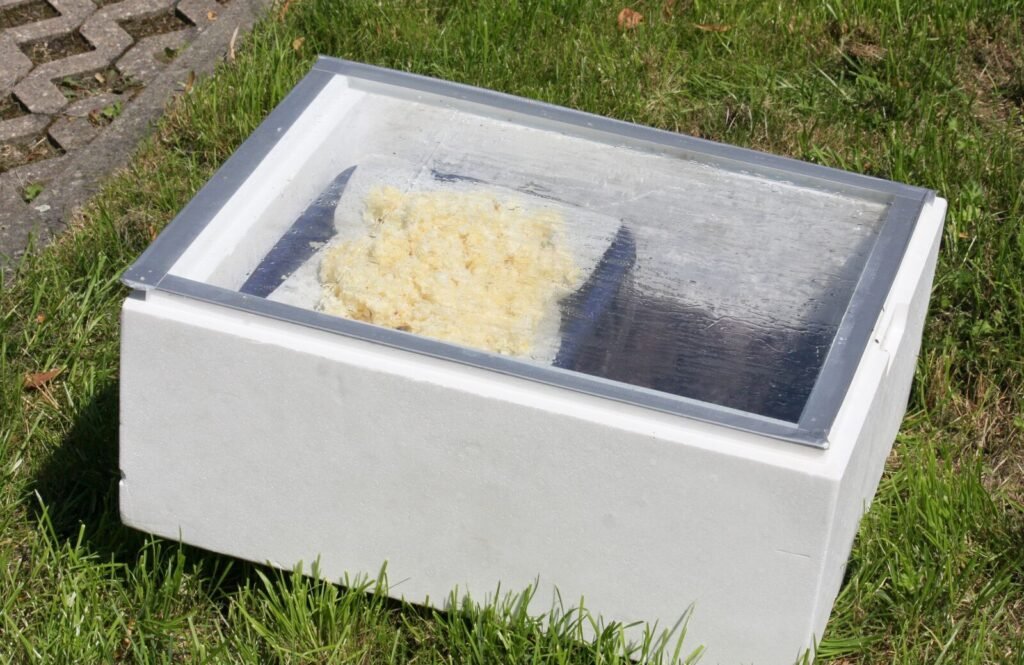
A functional solar melter can be built in an afternoon from an old picnic cooler or a plywood box, a pane of glass or acrylic, a baking sheet bent to a slope, and a loaf pan. Line or paint the interior black, cut a lid that seals tightly over the glazing, screen every gap so bees cannot get in, and set the whole thing on bricks so it can be tilted toward the sun. Built with reasonable attention to sealing and glazing angle, a DIY unit reaches the same temperatures as a commercial one; what you give up is convenience, a tidy fit, and consistency.
- Buy if you want a ready-to-use unit, do not have tools or time, or want a supplier to replace a cracked lid or warped tray.
- Build if cost matters most, you enjoy a weekend project, and you are willing to iterate on the seal after the first batch.
- Either way, plan to store the unit indoors over winter; freeze-thaw cycles and rain shorten the life of wood and seals.
Using a Solar Melter Well: Positioning, Timing, and What to Melt

Positioning and angle
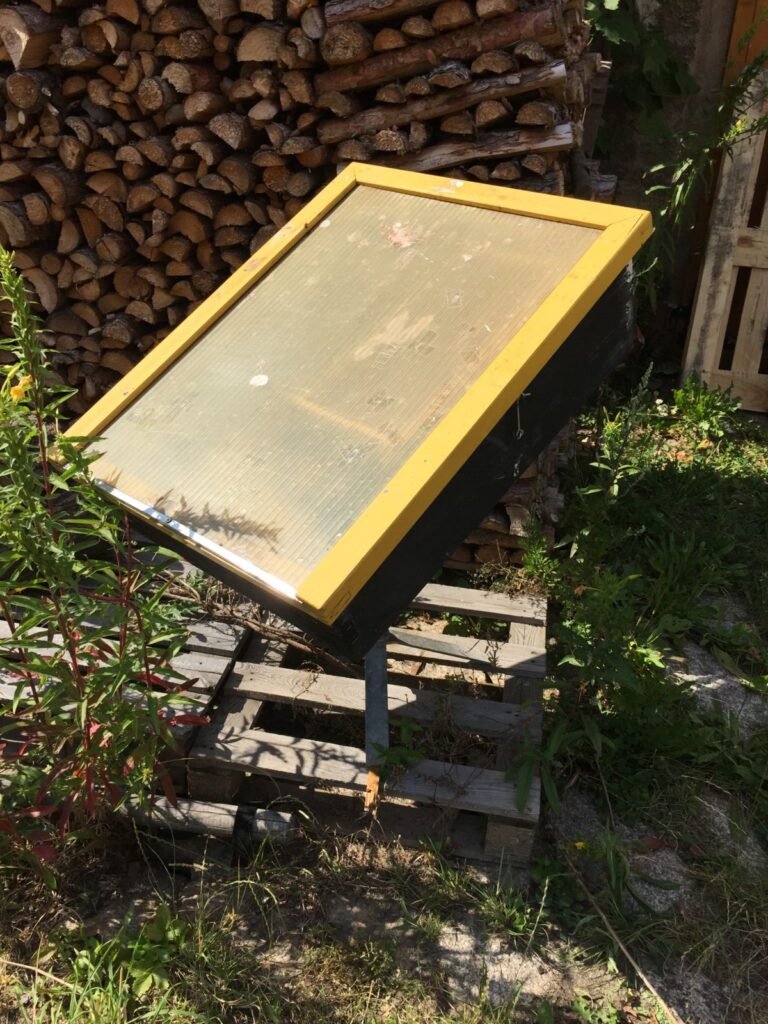
Face the glazing south (in the northern hemisphere) and tilt it roughly to your latitude so the sun strikes it squarely at midday; if the unit has adjustable legs, re-aim it once or twice through the day for a faster batch. Set it on a stable, non-flammable surface away from foot traffic, and out of the wind, which strips heat from the box.
Timing
Solar melting wants warm, clear, still days; expect a few hours of direct sun for a modest batch and a full day for a heavier load or a cooler day. In most of the U.S. that means late spring through early fall. Cloudy, cool, or short-day conditions stall the process and leave half-melted wax holding moisture, so wait for a good window rather than forcing it.
What to melt, and what not to
- Cappings from extraction are ideal: fresh, nearly pure wax with the highest yield and lightest color. Rinse or drain the honey off first, or let the bees clean them.
- Burr comb and scrapings render well; propolis and debris stay on the tray.
- Old brood comb yields far less wax by weight, darkens the batch, and leaves a black residue (slumgum) that must be scraped off. It is worth rendering, but do it separately from cappings.
- Comb from a colony with suspected American foulbrood should not go in your everyday melter. Solar temperatures do not reliably kill AFB spores; follow your state apiary inspector’s guidance, which usually means destroying the comb.
- Frames and plastic foundation do not belong inside; cut comb off the frame first.
Wax Quality, Color, and Filtering

Gentle solar heat is the reason solar-rendered wax is prized: it rarely scorches, so cappings wax comes out pale yellow and clean enough for candles, cosmetics, and foundation with minimal further work. Filtering is where most of the remaining quality comes from. A layer of window screen or hardware cloth on the tray catches the coarse material; a paper towel, cheesecloth, or fine mesh between tray and pan catches the fine particles. Put a little water in the collection pan so the cooling block releases cleanly and any remaining honey settles beneath the wax. If a block still shows sediment on its underside, scrape it off and re-render once through a fine filter. For a more detailed process, see our guide to rendering cappings wax cleanly.
Cleaning, Storage, and Protecting Finished Wax
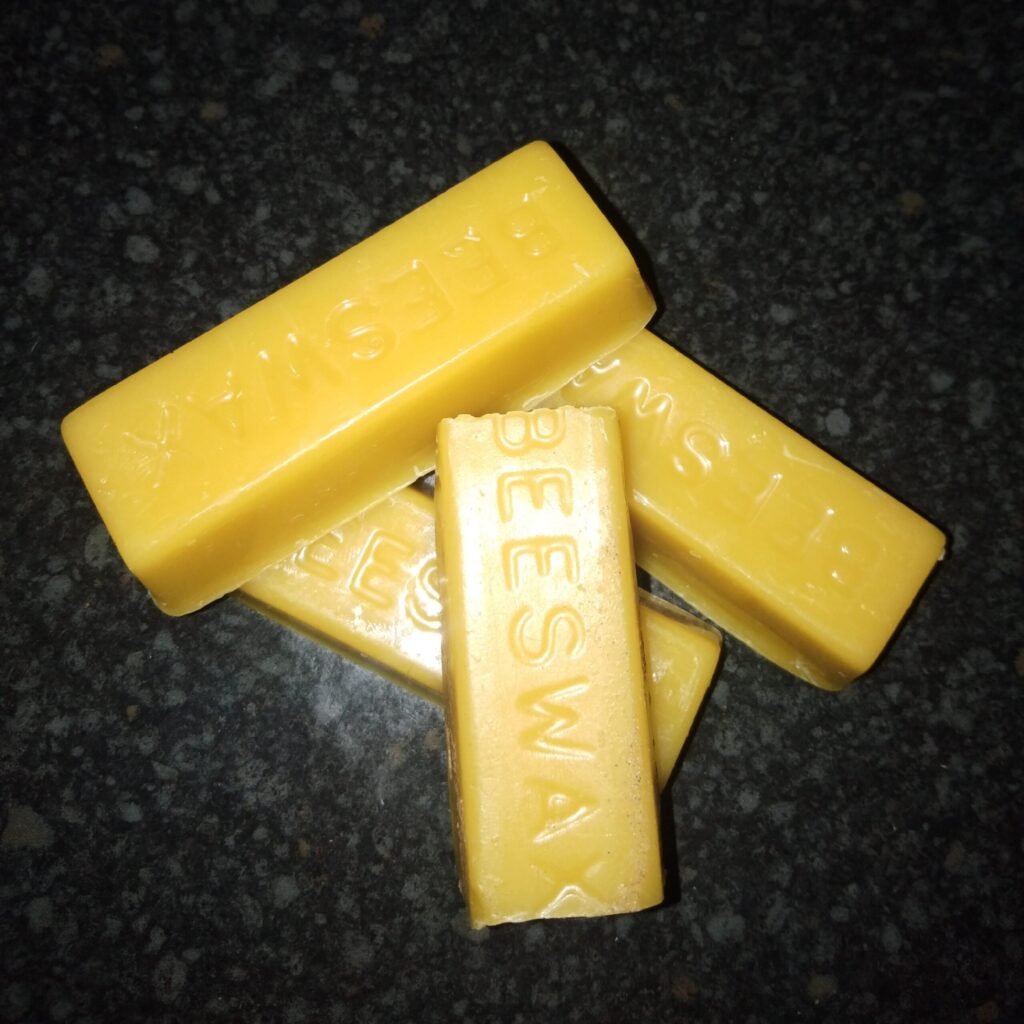
Scrape the tray while it is still warm after each batch and wipe the glazing, since a film of wax or grime on the glass cuts light transmission and quietly reduces performance over a season. Check the lid seal and any gaskets each spring. At the end of the season, clean the unit, let it dry, and store it under cover; both major manufacturers are explicit that their wooden units are not built for permanent outdoor exposure. Store finished wax blocks in a sealed container or bag — wax moths are drawn to beeswax and will ruin an unprotected block — and label blocks by source (cappings versus old comb) so the lightest wax is reserved for candles and cosmetics. For general handling and safety around melting equipment, see our guide to beeswax extraction equipment.
Common Mistakes
- Buying on price alone without checking the seal and glazing, which decide real-world performance.
- Leaving a wooden unit outdoors year-round and then blaming the design when the lid warps.
- Skipping the filter stage and wondering why every block needs a second rendering.
- Mixing dark brood comb with clean cappings in one batch, which darkens the whole block.
- Leaving the lid ajar or a gap unscreened, which turns the melter into a robbing magnet on a hot day.
- Expecting a solar unit to perform in a cloudy, short-summer climate where a steam or electric melter is the right tool.
Conclusion
Pick a solar wax melter on seal, glazing, filter stage, and bee-tightness, not on the label; keep it aimed at the sun and stored indoors off-season; and feed it clean cappings for the lightest wax. Whether that is Mann Lake’s ready-built box or a cooler with a window on top, the sun does the rest.
The video above from The Honey Company shows a full solar-rendering cycle — loading cappings, the wax running through the filter, and the finished block — in a commercial wooden unit.
FAQ
What temperature does a solar wax melter reach?
Beeswax melts at roughly 62–65°C (144–149°F), and a well-sealed, black-interior solar melter in full sun comfortably exceeds that on a warm day. Exact temperatures depend on sun angle, ambient temperature, wind, and how tightly the unit seals.
How long does it take to melt wax in a solar melter?
Mann Lake’s guidance for its unit is a few hours of direct sunlight for a typical batch; a heavy load, cooler air, or intermittent cloud can stretch that to a full day. Preheating the box before loading and tilting it toward the sun both shorten the cycle.
Is a DIY solar wax melter as good as a commercial one?
It can be. Seal and glazing quality matter more than the maker, so a carefully built cooler-and-window unit reaches the same temperatures as a commercial box. What you give up is convenience, consistent fit, and replacement parts.
Can I leave a solar wax melter outside all year?
Not the wooden ones. Mann Lake states its untreated-wood unit is not intended for extended outdoor conditions, and Dancing Bee’s is likewise wood. Store the melter under cover when not in use and bring it indoors for winter.
Can I render old brood comb in a solar melter?
Yes, but expect a low yield, darker wax, and a layer of slumgum to scrape off the tray. Render old comb separately from cappings, and never render comb from a colony with suspected American foulbrood in your regular melter.
Why is my solar-rendered wax dirty or dark?
Usually a missing or coarse filter, dark old comb in the batch, or wax that sat half-melted through a cool spell. Add a fine filter between tray and pan, separate cappings from brood comb, and re-render dirty blocks once through cheesecloth.
Will a solar wax melter attract bees?
Yes, strongly; the UF/IFAS solar-rendering guide stresses that the melter should always be bee-tight because honey bees are attracted to the smell of melting wax. Screen every gap and keep the lid closed during operation.