There’s no single best place to sell honey — the right channel depends on how much honey you actually produce, how much time you want to spend on marketing versus beekeeping, and how much of your margin you’re willing to trade away for convenience. Etsy, farmers markets, food co-ops, and wholesale buyers each take a genuinely different cut, demand a different amount of upfront effort, and reach a completely different customer, and most established small producers end up using more than one at once rather than picking a single “best” option.
Key Takeaways
- Etsy charges a $0.20 listing fee, a 6.5% transaction fee, and roughly 3% + $0.25 payment processing per sale — plus a mandatory 12-15% offsite ads fee once a shop passes $10,000 in annual sales.
- Typical farmers market stall fees run $20-60 per market day, though some markets instead charge a percentage of gross sales (commonly 9-10%) with a flat-fee minimum.
- Food co-ops generally buy honey wholesale outright rather than on consignment, and — per the Neighboring Food Co-op Association — typically charge no shelving fees to local suppliers, unlike a retail slotting-fee model.
- Wholesale buyers pay the least per pound (the 2025 US average wholesale honey price was $3.05/lb per USDA data) but require the least time investment and no direct customer-facing marketing at all.
- Most small-to-mid-size producers use two or three of these channels simultaneously — Etsy or a farmers market for full retail margin on part of a harvest, wholesale to absorb the rest.
Selling on Etsy: Real Fees, Real Reach
Etsy gives a honey seller genuine national (or international) reach without needing a physical presence anywhere, which is its clearest advantage over every other channel here. The tradeoff is a stack of per-sale fees that add up faster than sellers often expect: a $0.20 listing fee each time an item is listed or sells, a 6.5% transaction fee on the full amount the buyer pays including shipping, and a payment processing fee of roughly 3% plus $0.25 per transaction in the US. Full current rates are published in Etsy’s own seller fee policy. Once a shop crosses $10,000 in sales over the past 365 days, Etsy also applies a mandatory Offsite Ads fee — 15% on sales under that threshold, 12% above it — to purchases that Etsy’s own external advertising drove, which sellers can’t fully opt out of at that sales volume.
Add those up on a modest order and the total bite is real: a $20 jar of honey with $6 shipping nets roughly 11-12% in combined listing, transaction, and processing fees before accounting for offsite ads. That’s still often less than a farmers market’s percentage-of-sales model at high volume, and Etsy requires no physical presence, no weekend mornings spent at a booth, and no local population cap on your customer base — a genuine tradeoff between fee structure and reach rather than a simple “cheaper” or “more expensive” answer.
Farmers Markets: Direct Relationships, Real Recurring Costs
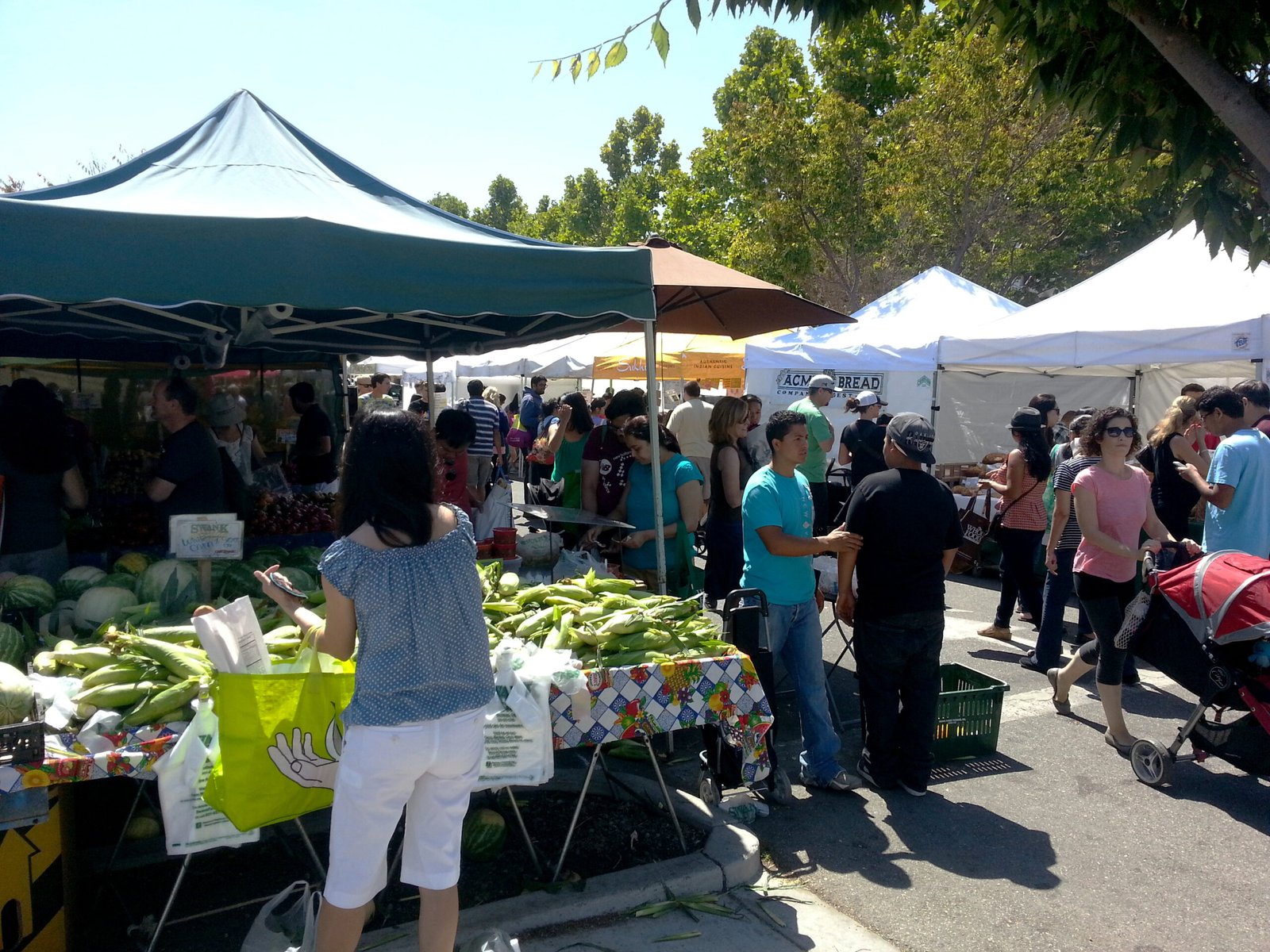
Farmers markets remain the classic direct-to-consumer channel for small honey producers, and this site’s own detailed guide to selling raw honey at US farmers markets covers the practical mechanics of doing it well. On pure economics, stall fees typically run $20-60 per market day depending on the market’s size and reputation, though some markets instead charge a percentage of gross sales — commonly around 9-10%, with a flat-dollar minimum, whichever is higher — rather than a flat booth rate. Add the real upfront cost of a table, canopy, scale, and signage, plus the actual time cost of staffing a booth for several hours every market day, and farmers markets demand meaningfully more ongoing labor than Etsy does per dollar of revenue.
What farmers markets offer in exchange is a genuinely different kind of value: face-to-face customer relationships, the ability to charge a real premium for local provenance and a personal story, and instant cash-in-hand sales with no shipping logistics or online storefront to maintain. For a producer who genuinely enjoys the direct sales conversation and lives near an active weekly market, this can out-earn Etsy per hour of effort even after the stall fee — but it doesn’t scale the way an online listing does, since a booth can only serve however many customers physically show up in a few hours.
Local Co-ops: Wholesale Simplicity, No Shelving Fees
Selling into a local food co-op looks more like a small wholesale relationship than a retail one. According to the Neighboring Food Co-op Association’s own guidance for local vendors, co-ops generally buy products outright at a wholesale price rather than taking them on consignment, and — notably — co-ops typically don’t charge shelving fees to suppliers, unlike the slotting fees common in conventional grocery retail. What a co-op actually wants before carrying a product is straightforward but real paperwork: proper federal, state, and local licensing, a UPC barcode, liability insurance, and product samples alongside packaging and marketing materials — plus genuine product consistency and reliable availability once you’re on the shelf, since a co-op is stocking your honey the same way it stocks any other regular grocery item.
The appeal here is reduced ongoing effort compared to a market booth — you deliver honey periodically and the co-op handles the actual retail sale — in exchange for a lower per-jar return than you’d get selling face-to-face. It’s a genuinely good middle option for a producer with more honey than a farmers market booth can move, but not yet enough volume to interest a large wholesale buyer.
Wholesale: The Lowest Margin, the Least Effort
Selling wholesale — to a packer, distributor, or retailer buying in bulk — pays the least per pound of any channel here, but demands the least marketing effort and no direct customer interaction at all. This site’s own coverage of the 2025 USDA honey production data reported a national average wholesale price of $3.05 per pound that year, a useful real benchmark against whatever price a wholesale buyer offers locally. Wholesale makes the most sense for producers with genuine volume — enough honey that farmers markets and Etsy couldn’t realistically move it all — and for anyone who would rather focus their time on beekeeping itself than on retail sales, packaging, and marketing.
Beekeeper Jake Moore, of Moore Honey Farm in Texas, walks through how his operation actually splits its honey between retail-facing sales and other outlets in the video above — a useful real-world look at how a working beekeeping business balances multiple channels rather than relying on just one.
Side-by-Side Comparison
| Channel | Typical fees/cut | Reach | Upfront cost | Your control |
|---|---|---|---|---|
| Etsy | $0.20 listing + 6.5% transaction + ~3%+$0.25 processing; 12-15% offsite ads above $10k/year | National/global online | Low (no physical setup) | High — you set price, branding, listing content |
| Farmers markets | $20-60/day flat, or ~9-10% of gross sales | Local only, foot traffic | Moderate (table, canopy, scale, signage) | High — direct pricing and customer relationship |
| Local co-ops | Wholesale purchase price; typically no shelving fees | Local, one storefront per co-op | Low-moderate (permits, UPC, insurance) | Moderate — co-op controls shelf placement and retail price |
| Wholesale/distributor | Lowest per-pound price (~$3.05/lb national 2025 average) | Widest, but indirect | Low (no retail packaging/marketing needed) | Low — buyer sets terms and volume needs |
Which Channel Actually Fits Your Situation
A hobbyist with a few dozen jars a year to sell will usually do best starting with a farmers market or Etsy shop, where retail-level pricing on a small volume genuinely matters to the bottom line and the fees, while real, are manageable at that scale. A producer scaling into hundreds of pounds a year benefits from adding a local co-op relationship or a wholesale buyer to move volume that farmers markets and an Etsy shop alone can’t realistically absorb — and most serious small operations, as the Jake Moore example above shows, end up blending two or more of these channels rather than committing to just one. Before choosing any of them, it’s also worth checking your state’s cottage food and honey-labeling rules, since legal requirements can differ meaningfully between an online sale, a farmers-market sale, and a wholesale transaction.
Frequently Asked Questions
What are Etsy’s actual fees for selling honey?
A $0.20 listing fee per item, a 6.5% transaction fee on the total sale including shipping, and roughly 3% + $0.25 for payment processing in the US — plus a mandatory 12-15% Offsite Ads fee on qualifying sales once a shop passes $10,000 in trailing annual sales.
How much does a farmers market stall cost?
Typically $20-60 per market day for a standard stall, though some markets instead charge roughly 9-10% of gross sales with a flat-dollar minimum, whichever is higher.
Do food co-ops charge fees to carry local honey?
Generally no shelving fees, according to the Neighboring Food Co-op Association — co-ops typically buy products outright at wholesale price rather than charging suppliers to be on the shelf, though they do require standard licensing, UPC codes, and liability insurance.
What’s the current wholesale price for honey?
The US national average wholesale honey price was $3.05 per pound in 2025, according to USDA NASS data — the lowest per-pound return of the four channels compared here, but with the least marketing effort required.
Should I only sell through one channel?
Most established small producers use two or three channels at once — for example, retail-priced sales through a farmers market or Etsy for part of the harvest, and wholesale or co-op sales to move the remaining volume.