Bartering honey for someone else’s eggs, produce, or labor is one of the oldest homestead traditions there is, but it’s not actually outside the tax system the way people assume — the IRS treats the fair market value of anything you receive in a barter as taxable income, exactly as if you’d sold the honey for cash. That doesn’t make bartering a bad idea for a homestead; it just means the “no money changed hands, so it doesn’t count” assumption is wrong, and worth knowing before you build a regular trade relationship with other vendors at a farmers market or a neighborhood swap.
Key Takeaways
- The IRS is explicit that bartered goods and services are taxable income at fair market value, for both sides of the trade, whether or not a formal barter exchange is involved.
- Honey is often classified as a raw agricultural commodity rather than a processed cottage food — Mississippi and Florida both build lighter-touch exemptions around this — which in many states means fewer restrictions on informal sales and trade than people expect.
- Most farmers markets restrict formal barter with customers (health department and sales-tax rules generally require a cash/card transaction) but allow, and often encourage, informal vendor-to-vendor trading after hours.
- Pricing a barter fairly means valuing both sides at their real retail equivalent, not at what either party would charge a friend — this avoids resentment and keeps a trade relationship sustainable.
- Homestead swaps and produce co-ops are generally a more reliable place for structured barter than a public-facing farmers market stall.
Table of Contents
- The Tax Reality of Bartering Honey
- Where Bartering Honey Sits Legally
- Vendor Trading at Farmers Markets vs. Customer Sales
- Pricing a Fair Trade
- Homestead Swaps: The More Reliable Barter Venue
Bartering as a general practice has enough going on for a homestead that it’s worth hearing a longer take on it directly — The Small Town Homestead’s podcast episode below covers the broader case for bartering on a homestead, beyond just honey specifically.
The conversation covers why bartering still works as a homestead economic strategy even in a cash economy — the same underlying logic that applies specifically to trading honey, covered in detail below.
The Tax Reality of Bartering Honey
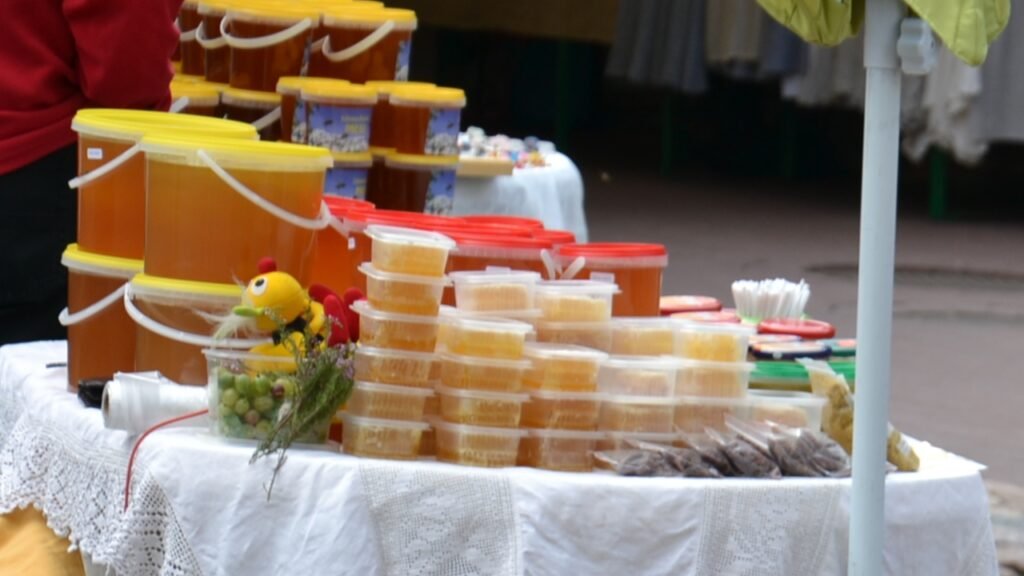
The IRS is direct about this in its own published guidance: bartering “produces taxable income,” and the fair market value of whatever you receive in trade counts as income in the year the trade happens, whether or not any cash was involved. A formal barter exchange — an organized network that facilitates trades among members — is required to issue Form 1099-B and report transactions to the IRS. A casual, direct trade between you and another farmers market vendor doesn’t go through that formal reporting path, but the underlying tax obligation doesn’t disappear just because no paperwork was generated at the moment of the trade.
“Barter dollars or trade dollars are identical to real dollars for tax reporting,” and “the fair market value of property or services received through barter is taxable income” for everyone involved
For most backyard and small-scale homestead beekeepers trading a few jars of honey here and there, this is a low-stakes, low-volume reality rather than a reason to avoid bartering altogether — but if trading becomes a regular, sizable part of how you move honey (a running arrangement with several other vendors, say), it’s worth tracking the fair market value of what you’re trading the same way you’d track a cash sale, since that’s genuinely what the IRS expects. If you’re also selling honey for cash and haven’t nailed down the basics of doing that legally, our beginner’s guide to selling honey legally is a useful companion piece to this one.
Where Bartering Honey Sits Legally
Separate from the tax question is the question of whether you’re even allowed to sell or trade honey informally in the first place. Honey generally has an easier path here than many other homestead products: it’s commonly treated as a raw agricultural product rather than a processed cottage food, which in a lot of states means it falls outside cottage food licensing requirements entirely, or qualifies under a lighter-touch exemption. Mississippi State University Extension confirms Mississippi took exactly this approach, formally classifying honey as a “raw agricultural commodity” (RAC) specifically to exempt it from cottage food industry rules. Florida runs it slightly differently but lands in a similarly lenient place: UF/IFAS Extension’s guide to bottling, labeling, and selling honey confirms small-scale honey producers there are exempt from needing a license or permit under the state’s cottage food law, and can sell direct to consumers from home, a roadside stand, or a farmers’ market, as long as they stay under the state’s sales cap and follow labeling rules.
Rules genuinely differ by state, so this is a case where checking your own state’s department of agriculture guidance directly matters more than any general rule stated here — our cottage food laws and selling honey guide and state-by-state beekeeping laws guide are both good starting points before assuming you need a commercial license just to trade a few jars.
| Trade item | Typical barter fit with honey | Notes |
|---|---|---|
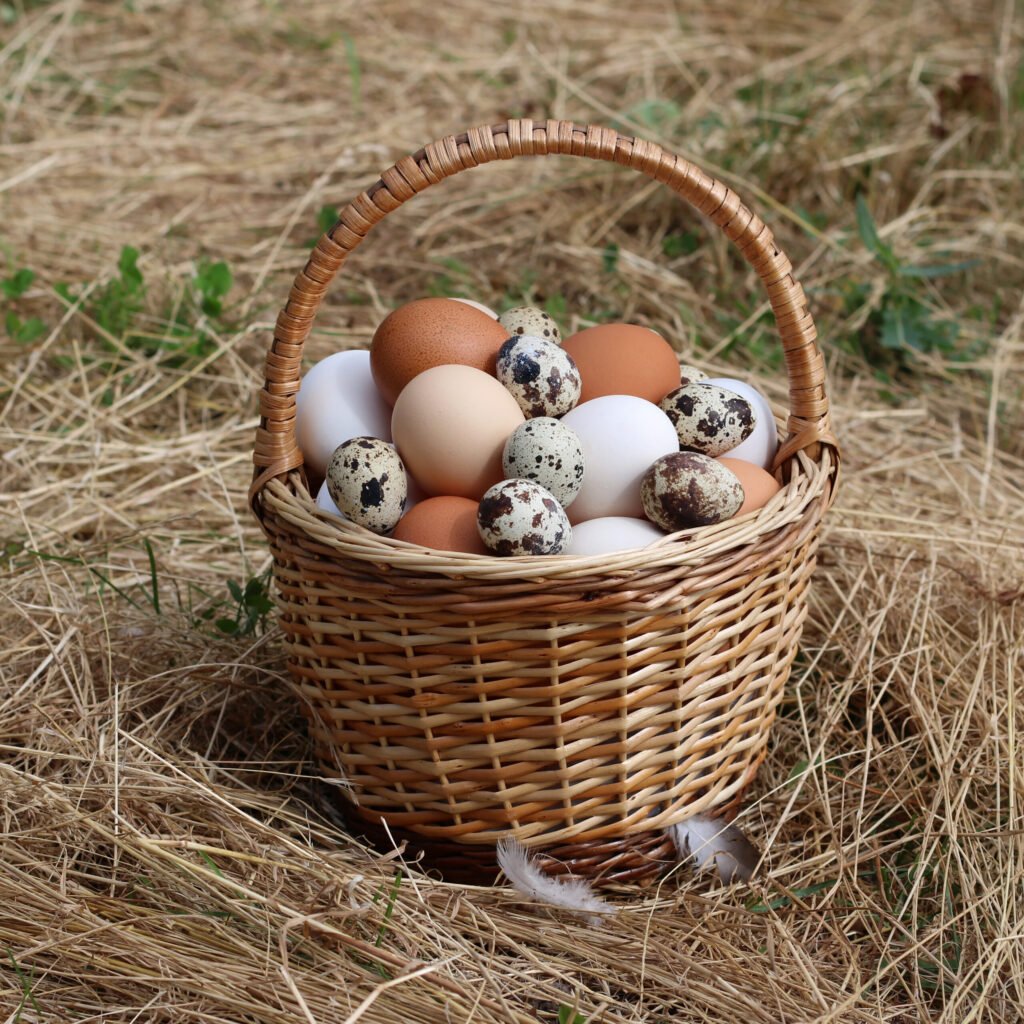
| Eggs | Strong | Both perishable-ish, both produced on a similar homestead schedule |
| Produce (seasonal) | Strong | Classic farmers-market vendor trade; value both at retail-equivalent |
| Labor (fence work, hive help) | Good, harder to price | Agree on an hourly-equivalent value before the work starts, not after |
| Baked goods | Good | Often the OTHER party’s product is the more regulated one — check their side too |
| Cash-value gift cards or services | Workable | Still counts as barter income at fair market value if trading, not gifting |
Vendor Trading at Farmers Markets vs. Customer Sales
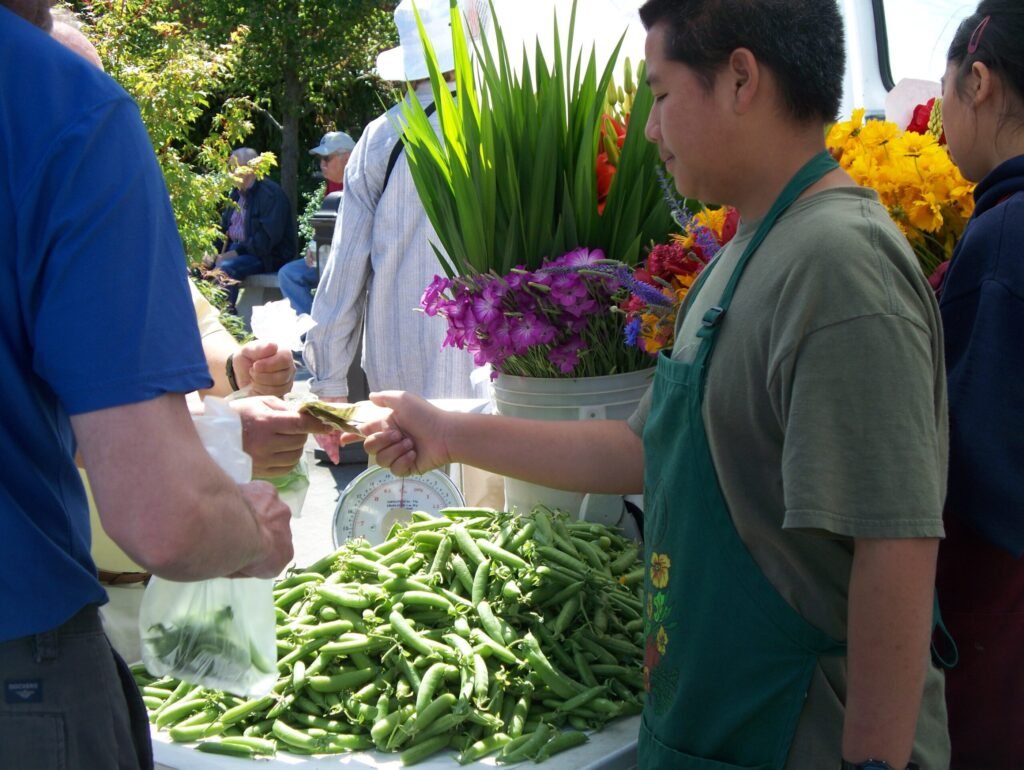
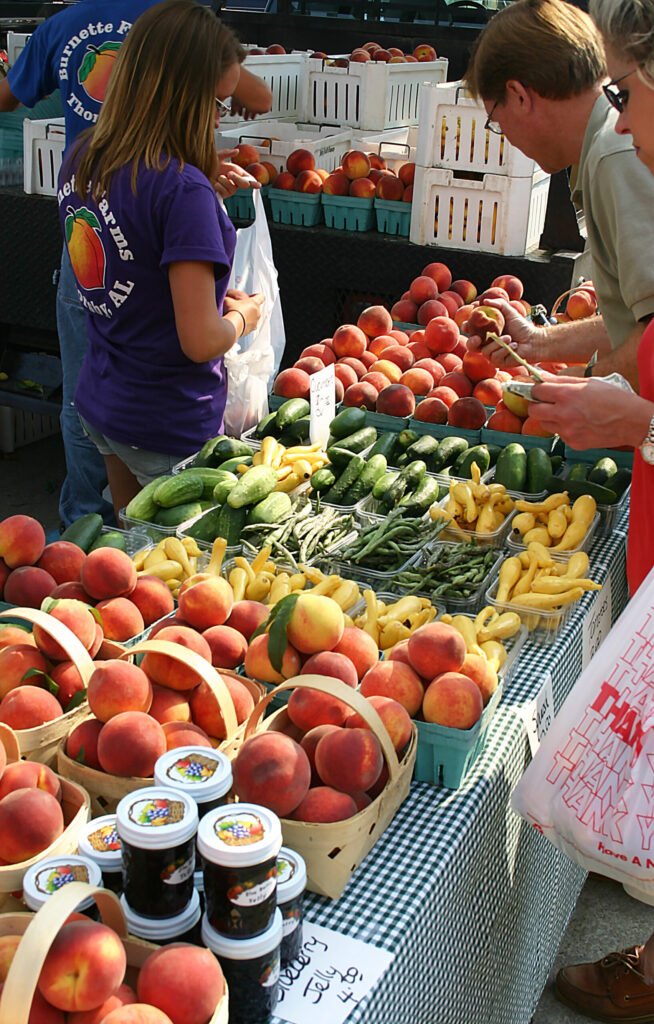
Most farmers markets require an actual cash or card transaction for customer-facing sales, for reasons that have nothing to do with beekeepers specifically — health department rules, the market’s own sales-tax reporting obligations, and liability all get complicated fast if a customer transaction is structured as an informal trade instead of a sale. What markets do generally tolerate, and many vendors actively rely on, is informal trading between vendors themselves, especially after the market closes and everyone’s breaking down their stalls. A honey vendor trading a few jars for a neighboring stall’s extra produce at the end of the day is a long-standing, low-friction market tradition, distinct from trying to barter with a paying customer at the counter. Our roundup of tips for selling raw honey at U.S. farmers markets covers the customer-facing side of the same stall in more detail.
Pricing a Fair Trade
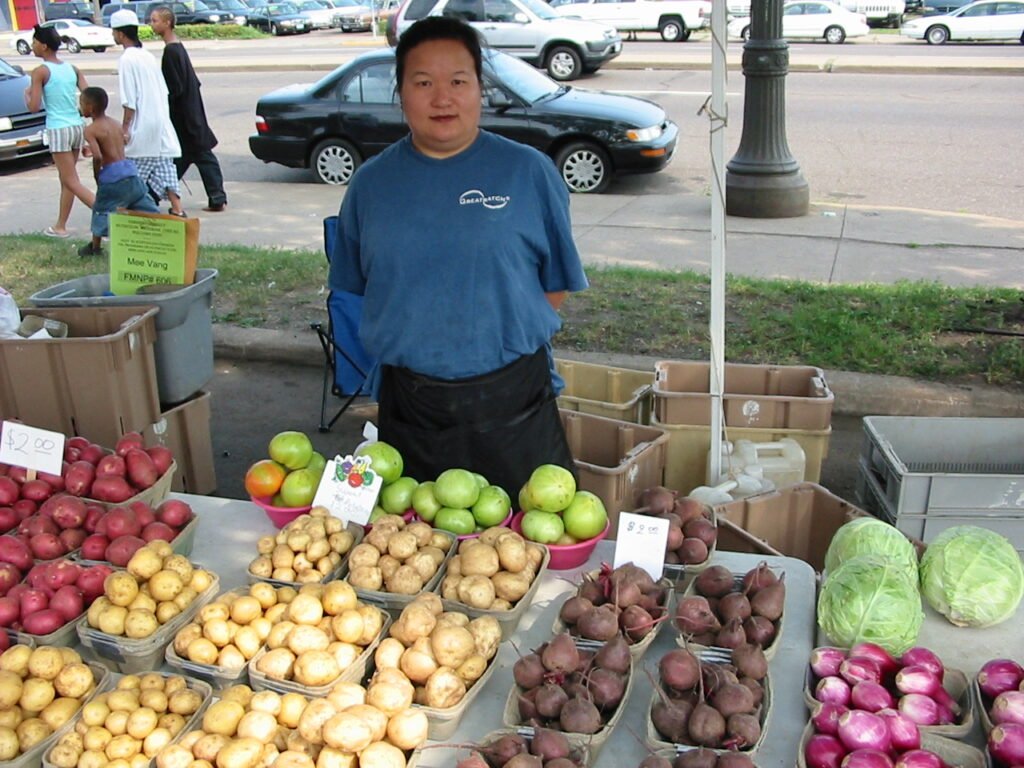
The habit that keeps a barter relationship sustainable over time is pricing both sides at their real retail-equivalent value, not at a “friend price” that quietly favors one side. If a pint of your honey retails for $10 and the other vendor’s produce box retails for $15, an even trade means adjusting quantities to match, not assuming a jar-for-a-box swap is automatically fair just because it feels like a reasonable exchange in the moment. This matters doubly given the tax point above — if you’re going to value the trade for your own records anyway, pricing it honestly at the start avoids having to reconstruct a fair-market estimate later.
Homestead Swaps: The More Reliable Barter Venue
A structured homestead swap — a produce co-op, a seasonal skill/goods swap meet, or a standing arrangement with a few neighboring small producers — tends to work better for regular bartering than a public farmers market stall, precisely because everyone involved already understands they’re there to trade rather than to run a cash register. These venues also tend to be more forgiving of the pricing and record-keeping habits described above, since the group’s whole purpose is mutual, non-cash exchange rather than public retail. If your homestead produces a genuine honey surplus beyond what you sell for cash, cultivating one or two of these standing swap relationships is generally a more sustainable way to move that surplus than hoping for spontaneous trade offers at a market stall — and it’s worth weighing against your other outlets; our comparison of where to sell honey across Etsy, farmers markets, and co-ops and our breakdown of the real economics and workload of bees on a homestead both help put barter’s role in perspective against cash sales.
Frequently Asked Questions
Do I have to pay taxes on bartered honey?
Yes — the IRS treats the fair market value of anything received through barter as taxable income, the same as a cash sale, regardless of whether a formal barter exchange was involved.
Can I trade honey directly with customers at a farmers market?
Usually not as a formal practice — most markets require cash or card transactions with customers for health department and tax reasons, though informal vendor-to-vendor trading is generally tolerated and common.
Do I need a license to trade honey informally?
Often not, since honey is commonly classified as a raw agricultural product rather than a processed cottage food in many states — Mississippi and Florida both confirm this pattern — but requirements vary, so check your own state’s department of agriculture for the specifics.
What trades best for honey on a homestead?
Eggs, seasonal produce, and skilled labor are the most common and best-fitting barter items, provided both sides price their goods at real retail-equivalent value rather than an informal “friend price.”
Does bartering honey count differently than bartering other homestead goods?
No — the IRS’s fair-market-value rule applies to any bartered goods or services, not honey specifically. What differs is the licensing side: honey’s common raw-agricultural-product classification often makes it easier to trade informally than a more heavily regulated processed food.
Is a produce co-op or swap meet a better place to barter than a farmers market?
Generally yes, for regular trading — everyone at a structured swap already understands they’re there to trade, whereas a farmers market stall is primarily a retail setting where barter is more of a side arrangement between vendors.