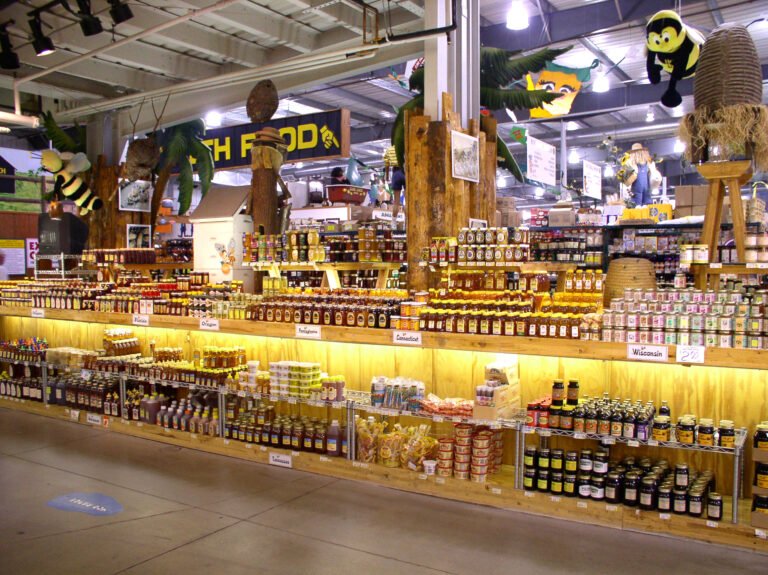
Bartering Honey and Bee Products at Farmers Markets and Homestead Swaps
What the IRS actually says about bartered honey being taxable, where honey sits legally as a raw agricultural product, and how vendor trading really works at farmers markets.

Integrating honeybees into a self-sufficient homestead: land and space planning, off-grid apiary logistics, food preservation with honey, multi-generational skill-building, and bartering bee products alongside other homestead systems.
What the IRS actually says about bartered honey being taxable, where honey sits legally as a raw agricultural product, and how vendor trading really works at farmers markets.
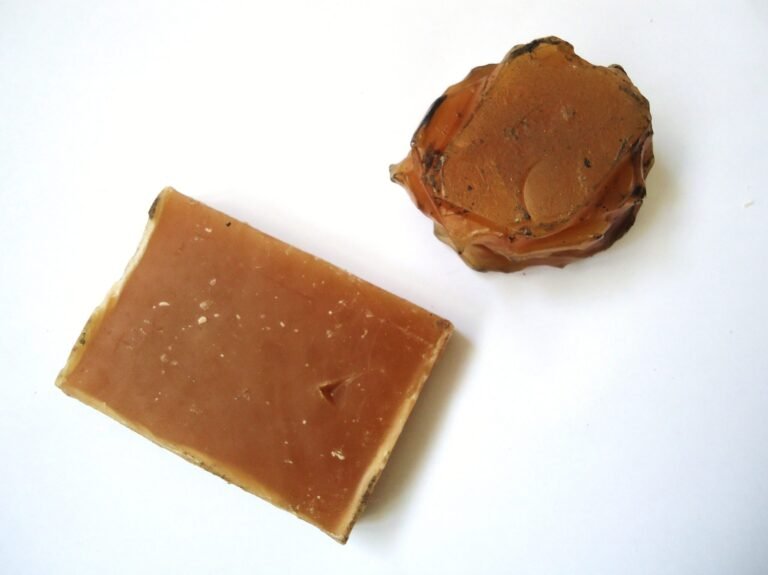
Why a root cellar is actually the wrong climate for stored honey and wax, and the real temperature, humidity, fire-safety, and pest-proofing targets to build around instead.
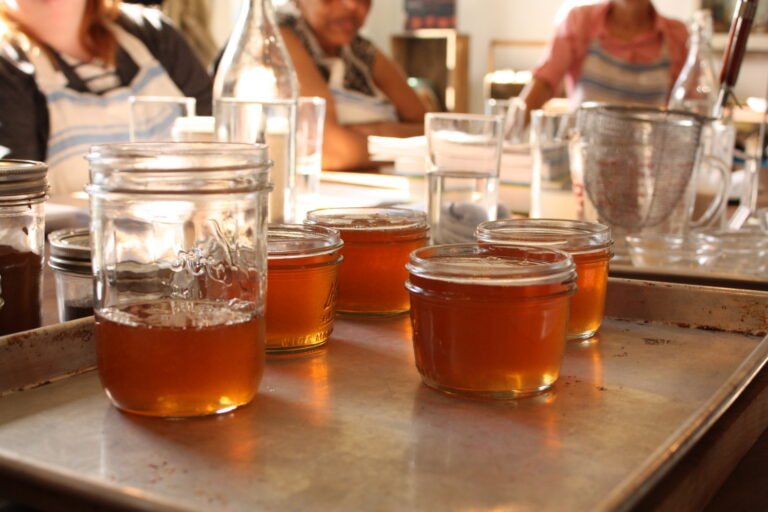
How much sugar honey can safely replace in home canning, the real conversion ratio, and what NCHFP and Penn State Extension guidance actually says about the limits.
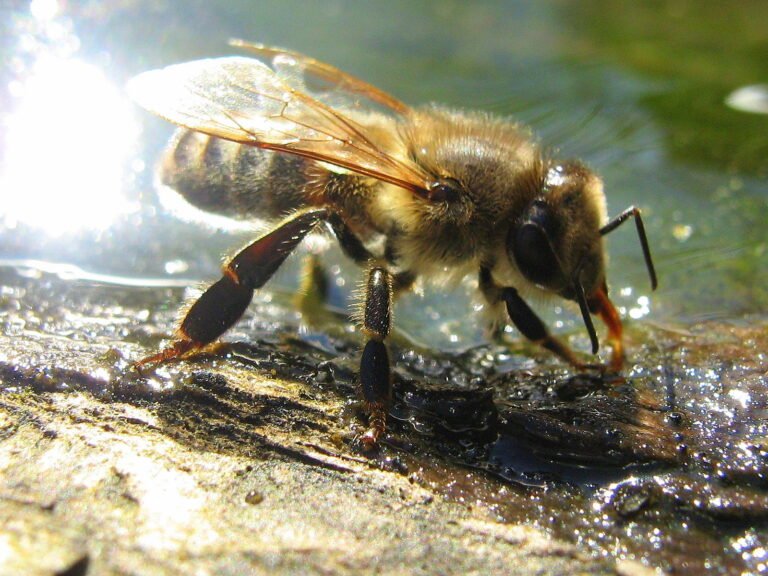
Chickens and bees genuinely coexist well on the same homestead - the one real friction point is shared water access, and it has a simple fix.
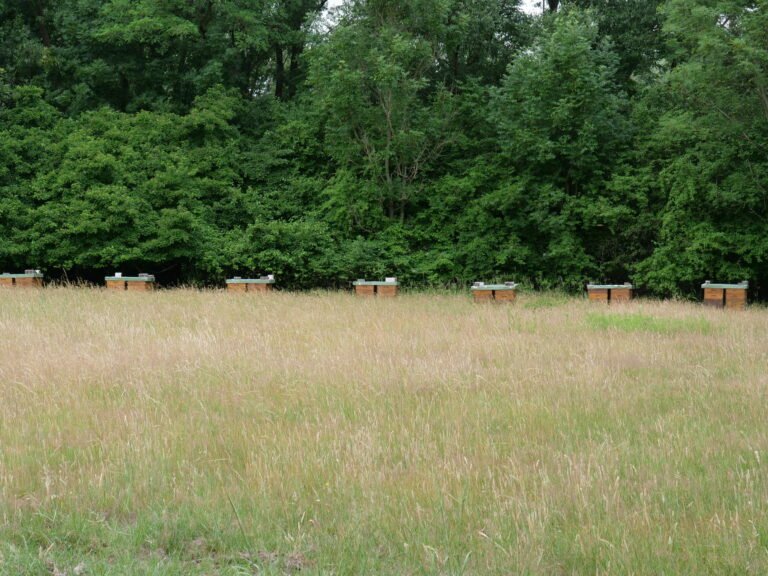
Why beehive placement, flight paths, and forage quality within a few miles matter more than your own acreage, plus how bees actually share space with a garden, orchard, or livestock.
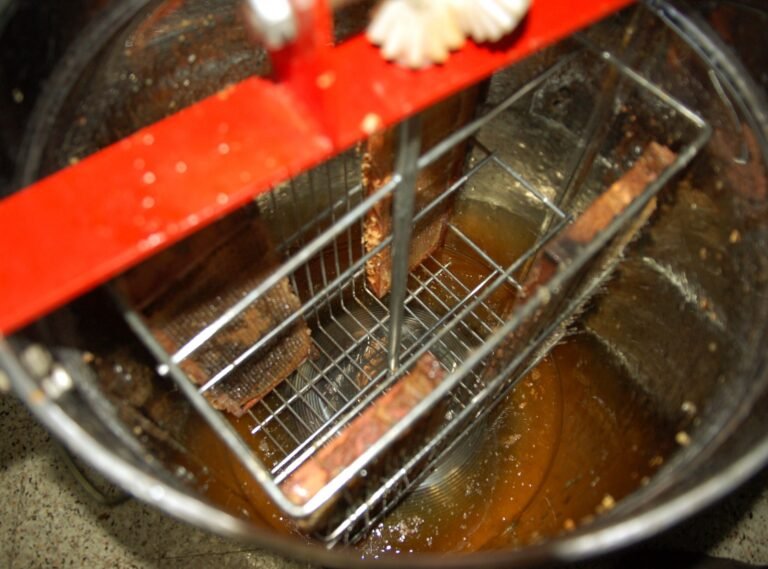
A manual extractor, a small solar setup, and two logistics problems solved: which off-grid beekeeping equipment genuinely needs power, and how to handle inspection access and bee delivery on a remote property.
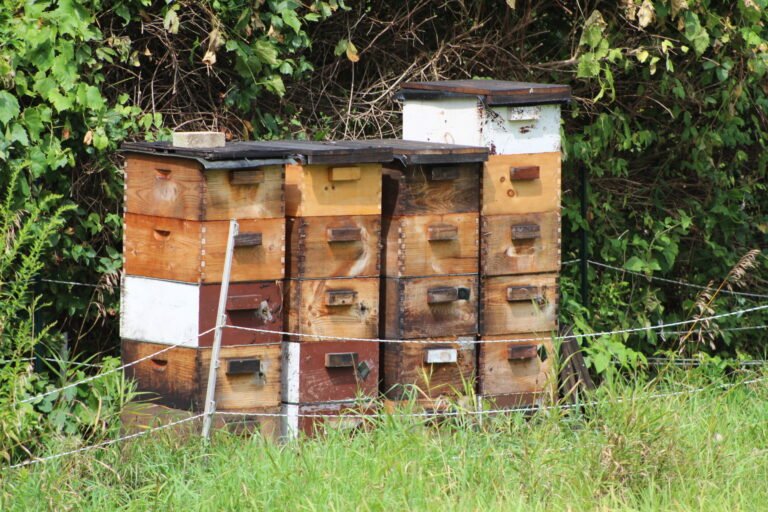
What it actually costs, how many hours a week it takes, and when a hive pays for itself compared to chickens, goats, and a garden on a self-sufficient homestead.