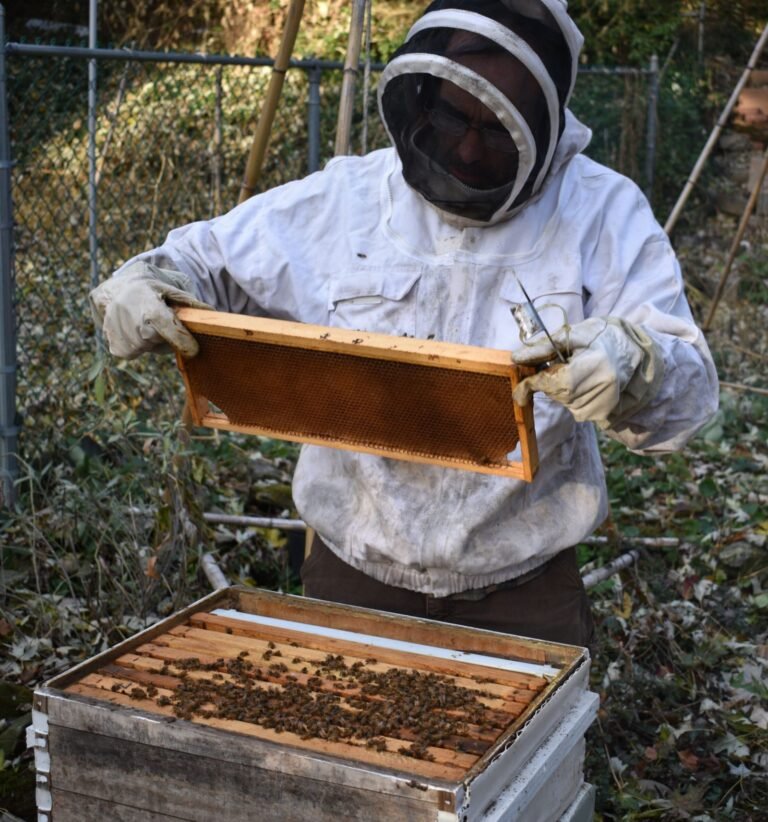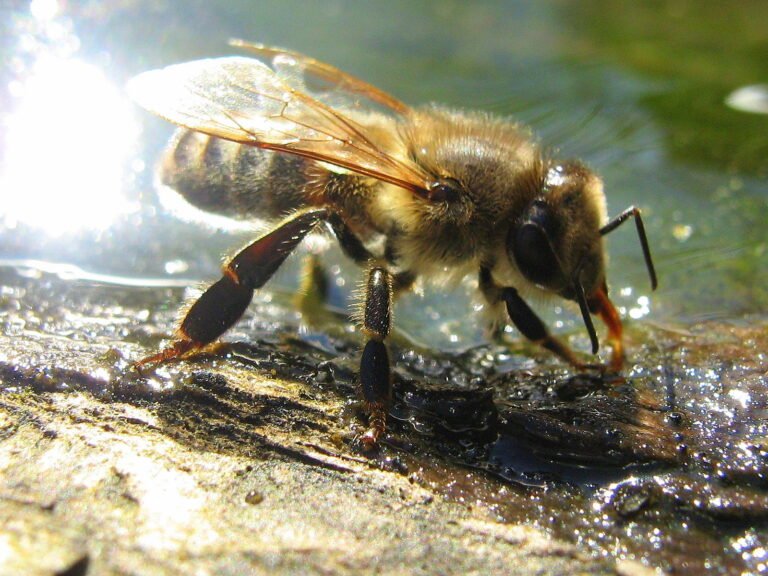
A homesteader with a dozen fruit trees and a vegetable garden almost never needs to think about pollination the way a commercial orchard operator does — one or two of your own hives, placed thoughtfully, is usually plenty, which is a very different math problem than the one behind rented pollination contracts. This site already covers commercial orchard pollination density and bloom-timing logistics for growers renting hives by the acre. This article is written for a different reader: someone who already keeps a hive or two on their own homestead and wants to use those bees deliberately to get more from their own fruit trees and garden, not sell pollination services to anyone else.
Key Takeaways
- University extension research on commercial orchards recommends roughly one strong two-story colony per acre — useful context, but most homesteads have far less fruit-tree area than that, so even one hive is proportionally generous.
- Not every fruit tree needs cross-pollination: many peach and sour cherry varieties are self-fertile, while most apple varieties genuinely need a different compatible variety blooming nearby to set fruit well.
- Bloom-timing overlap between your hive’s buildup and your trees’ flowering matters more than raw bee count — a colony still small in early spring pollinates less effectively regardless of how many hives you have.
- Placement principles from commercial research (open, sunny, wind-sheltered, with clear flight paths) scale down directly to a homestead orchard or garden.
- A vegetable garden benefits from the same hive, but many common garden vegetables (tomatoes, most beans, peppers) are wind- or self-pollinated and don’t depend on bees the way squash, cucumbers, and melons genuinely do.
Table of Contents
- How Many Bees Does a Home Orchard Actually Need
- Which Fruit Trees Actually Need Cross-Pollination
- Matching Bloom Timing to Colony Strength
- Where to Actually Place the Hive
- The Vegetable Garden: Which Crops Actually Depend on Bees
- Quick Reference: What Needs Bees and What Doesn’t
- Frequently Asked Questions
How Many Bees Does a Home Orchard Actually Need
University extension research on commercial tree-fruit pollination — a good, if scaled-up, reference point — generally recommends around one strong, two-story honey bee colony per acre of orchard, with a healthy colony needing a minimum of roughly 20,000 bees to pollinate effectively, according to guidance published by University of Missouri Extension and echoed by Washington State University’s tree-fruit program. That figure is calibrated for commercial growers trying to guarantee a full crop across acres of trees in a limited bloom window. A typical homestead with a dozen or two dozen fruit trees is nowhere near an acre of dedicated orchard, which means even a single, moderately strong hive is proportionally far more pollinator coverage than a commercial grower would consider adequate for the same tree count — good news for anyone assuming they need several hives just to pollinate a small home orchard.
Which Fruit Trees Actually Need Cross-Pollination
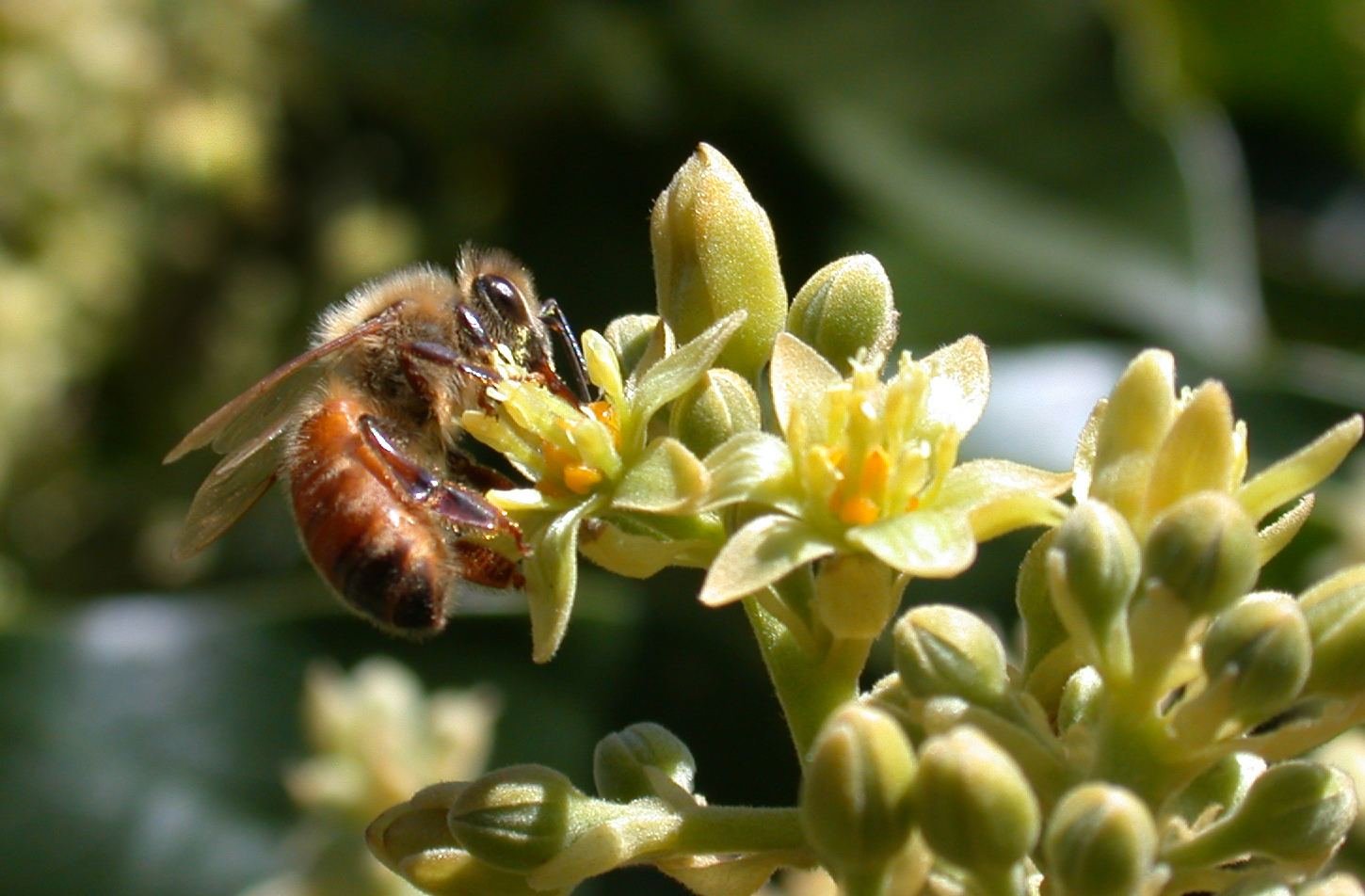
Not every fruit tree has the same pollination requirement, and knowing which of your trees actually depend on bees moving pollen between different varieties changes how much your hive placement matters for each one. Many peach and sour (tart) cherry varieties are self-fertile — a single tree can set fruit with pollen from its own flowers, with bees still improving fruit set but not being strictly required. Most apple varieties are the opposite: they generally need pollen from a different, compatible apple variety blooming at the same time, meaning a single apple tree alone, however well-visited by bees, often won’t produce well without a second variety nearby. Sweet cherries and many pear varieties also typically need a cross-pollinator. This is worth mapping out tree by tree before assuming your hive alone is “handling” pollination for every tree in the yard — some trees need a compatible neighbor more than they need more bees.
Matching Bloom Timing to Colony Strength
A colony’s population size at the moment your trees actually bloom matters more than how many bees the hive will eventually have by summer. Early-blooming fruit trees — many apple and pear varieties bloom quite early in spring — can flower while a colony is still building up from winter, meaning a hive that looks unimpressive in March may simply not have peaked yet, not necessarily be too weak to help. This site’s existing guide to orchard pollination bloom timing, written from a commercial-grower perspective, covers this same underlying biology in more depth and is worth reading alongside this article for the timing mechanics, even though its audience is renting hives rather than keeping their own.
Where to Actually Place the Hive
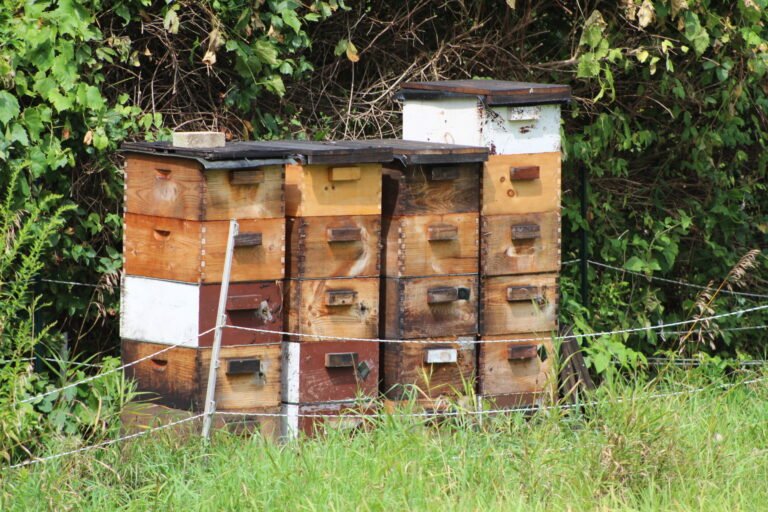
The same placement principles commercial research has established for orchard pollination scale down directly to a homestead: an open, sunny, wind-sheltered spot with a clear flight path to the trees encourages more consistent foraging than a shaded, boxed-in corner. This site’s guide to shade strategies for staging hives in orchards covers the underlying reasoning (bees forage less in cold shade, more in warm sun) in a commercial context that applies just as directly to a single homestead hive positioned near a fruit-tree row or garden bed. A hive doesn’t need to sit inside the orchard itself to be effective — honey bees routinely forage a mile or more from the hive — but placing it within easy sight of your own trees makes casual observation of bloom-time activity simple.
The Vegetable Garden: Which Crops Actually Depend on Bees
Beyond the fruit trees, a homestead vegetable garden has a mixed relationship with bee pollination worth understanding plainly. Squash, cucumbers, melons, and other cucurbits genuinely depend on insect pollination — they produce separate male and female flowers, and without a bee moving pollen between them, fruit set drops sharply or fails entirely. Tomatoes, peppers, and most beans, by contrast, are largely self-pollinating or wind-pollinated and will generally set fruit with or without a honey bee visiting, though bees (and especially the “buzz pollination” native bumblebees perform, which honey bees can’t replicate) can still improve yield and fruit quality on tomatoes specifically. Knowing this distinction prevents over-crediting or under-crediting your own hive for a garden’s actual output.
Quick Reference: What Needs Bees and What Doesn’t
| Crop | Pollination need | Practical note |
|---|---|---|
| Apples, pears, sweet cherries | Typically need cross-pollination from a different variety | A second compatible variety nearby matters as much as bee visits |
| Peaches, sour cherries | Often self-fertile | Bees improve fruit set but aren’t strictly required |
| Squash, cucumbers, melons | Genuinely bee-dependent | Separate male/female flowers make insect pollination essential |
| Tomatoes, peppers, most beans | Largely self- or wind-pollinated | Bees can improve yield but aren’t required for basic fruit set |
Frequently Asked Questions
Do I need more than one hive to pollinate a small home orchard?
Usually not — commercial guidance suggests roughly one strong colony per acre of orchard, and most homesteads have far less dedicated fruit-tree area than that, so a single hive is typically proportionally generous coverage.
Will my apple tree fruit if I only have one tree and one hive?
Often not well — most apple varieties need pollen from a different, compatible apple variety blooming at the same time regardless of how many bees visit, so a second tree matters as much as the hive itself.
Do honey bees pollinate tomatoes?
Not especially effectively — tomatoes are largely self-pollinating and respond best to “buzz pollination,” a vibration technique native bumblebees perform that honey bees don’t, though honey bee visits can still offer some benefit.
How far will my bees actually travel to pollinate my garden?
Honey bees commonly forage a mile or more from the hive when needed, so a hive doesn’t have to sit directly next to your trees or garden beds to contribute meaningfully to pollination, though closer placement makes it easier to observe.