Kew Gardens’ famous walk-in Hive sculpture, covered separately on this site, isn’t the only botanical garden worth visiting for a real bee exhibit — several other gardens across the US and UK maintain genuine working apiaries, native bee exhibits, or annual pollinator festivals that most bee-curious travelers never hear about. This article covers three real, verified examples, each a genuinely different kind of visit: a permanent teaching apiary, a permanent interactive trail built around an active beehive, and a recurring festival weekend built specifically around bees.
Key Takeaways
- Coastal Maine Botanical Gardens maintains a permanent Learning Apiary of 16 honey bee hives alongside a dedicated Native Bee Exhibit covering Maine’s more than 276 native bee species.
- Pittsburgh Botanic Garden’s Pollinator Trail, installed in 2020 with Grable Foundation funding, includes a dedicated Apiary station next to the garden’s active, ongoing beehives.
- The University of Bristol Botanic Garden in the UK hosts an annual Bee and Pollination Festival with live hive demonstrations and guided “bee safaris,” rather than a year-round exhibit.
- These are genuinely different visit types — permanent teaching apiary, permanent interactive trail, and recurring festival weekend — so checking which kind a garden actually offers before planning a trip matters.
- All three gardens’ beekeeping exhibits are staffed by resident beekeepers or garden education staff on at least some visits, not just static signage.
Table of Contents
- Coastal Maine Botanical Gardens: A Permanent Teaching Apiary
- Pittsburgh Botanic Garden: The Pollinator Trail
- University of Bristol Botanic Garden: The Bee and Pollination Festival
- Comparing the Three Visits
- Planning a Visit Around Any of These
- Frequently Asked Questions
Coastal Maine Botanical Gardens: A Permanent Teaching Apiary
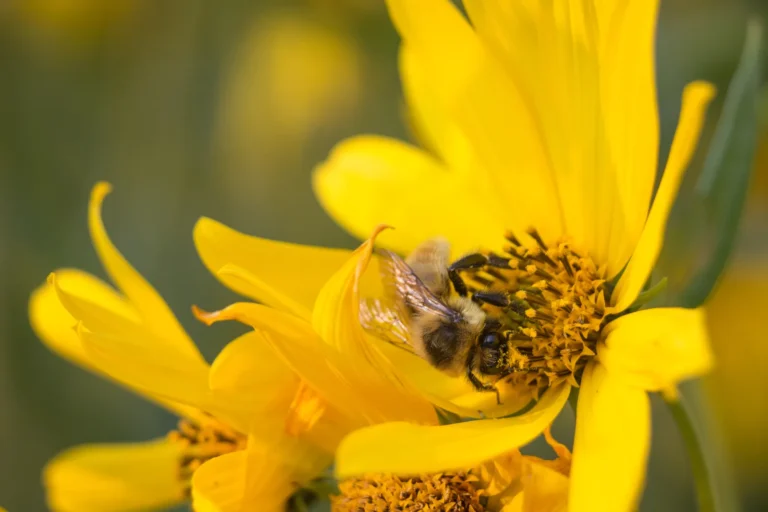
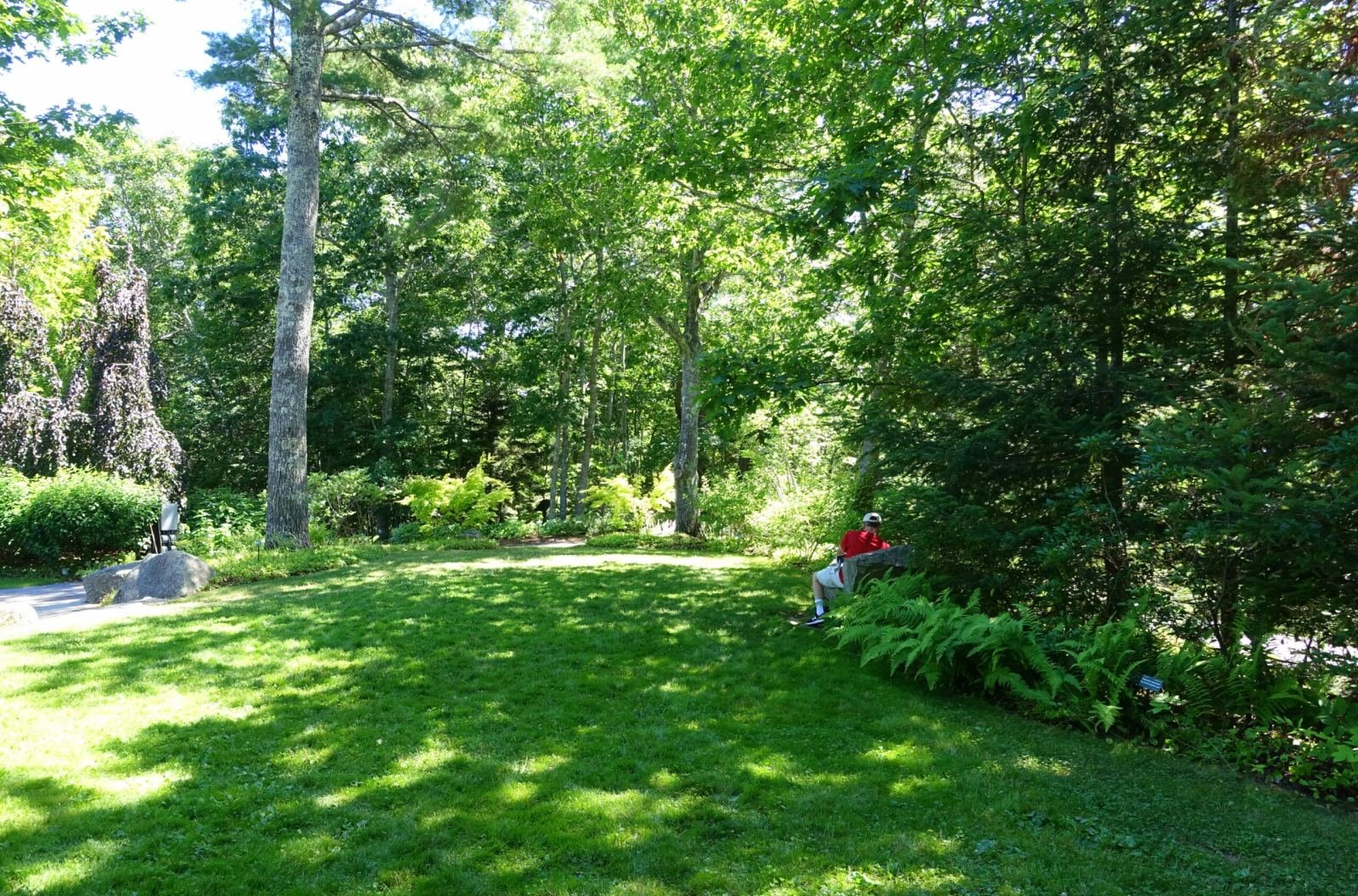
Coastal Maine Botanical Gardens, in Boothbay, Maine, maintains what it calls a Learning Apiary — a fenced, permanent installation of 16 honey bee hives that visitors can safely observe carrying out normal daily colony activity: foraging trips, hive cleaning, comb building, and temperature regulation, with resident beekeepers regularly on hand to answer questions. Beehives first arrived at the gardens in 2016, with the apiary expanding into its current teaching format over the years since. Directly adjacent sits a Native Bee Exhibit focused specifically on Maine’s wild bee diversity — the garden’s own materials note the state is home to more than 276 species of bees beyond the familiar managed honey bee, with exhibit panels covering identification basics and practical tips for supporting native populations. It’s a genuinely rare combination for a single site: a real, active honey bee teaching apiary paired directly with native-bee conservation education, rather than one or the other.
Pittsburgh Botanic Garden: The Pollinator Trail
Pittsburgh Botanic Garden’s Pollinator Trail, a permanent exhibit installed in August 2020 with funding from the Grable Foundation and developed jointly with the Pittsburgh Children’s Museum’s design team, runs through the garden’s Hillside Pollinator Garden and Margaret Lawrence Simon Dogwood Meadow before reaching its dedicated Apiary station. There, visitors can try on a bee suit for photos, learn about real beekeeping tools and European honey bees, and watch the garden’s active, ongoing beehives at a safe distance — the exhibit’s own description specifically notes the hives are “close by to spend time watching.” Other stations along the trail cover how bees perceive flowers differently than humans and how pollen moves by wind versus by bee, making the overall trail as much a hands-on pollination-science exhibit as a beekeeping one.
University of Bristol Botanic Garden: The Bee and Pollination Festival
Unlike the two permanent installations above, the University of Bristol Botanic Garden’s bee programming centers on an annual Bee and Pollination Festival weekend rather than a year-round exhibit — worth knowing before planning a trip specifically to see it. The festival has included a live hive demonstration where visitors watch working bees up close, a guided “bee safari” walk around the garden’s pollinator habitats, talks on beekeeping basics and topics like Asian hornets and bee conservation, a honey exhibition hosted by local Bristol beekeepers, and even a session on making traditional woven bee skeps. It’s a genuinely immersive, if time-limited, way to engage with both honey bees and the garden’s wider pollinator-focused plantings — checking the garden’s own events calendar for the current year’s exact festival dates is essential, since, as an annual event, it doesn’t run every day the way the Maine and Pittsburgh apiaries do.
Comparing the Three Visits
| Garden | Type of exhibit | When to visit | What makes it distinct |
|---|---|---|---|
| Coastal Maine Botanical Gardens | Permanent teaching apiary + native bee exhibit | Year-round during normal garden hours (bee activity most visible in warmer months) | Combines managed honey bee apiary with dedicated native-bee species education |
| Pittsburgh Botanic Garden | Permanent interactive trail with apiary station | Year-round during normal garden hours | Hands-on, child-focused pollination science alongside real active hives |
| University of Bristol Botanic Garden | Annual festival weekend | Specific festival dates only — check current-year calendar | Live hive demo, guided bee safari, and skep-making in one dedicated weekend |
Planning a Visit Around Any of These
For the two permanent exhibits, a visit during a garden’s normal warm-season hours is straightforward — the hives are part of the regular grounds and don’t require special timing beyond checking whether bee-focused staff or demonstrations are scheduled the day you visit. For Bristol’s festival, confirm the current year’s exact dates directly with the garden before planning travel around it specifically, since festival scheduling can shift year to year. Anyone planning a broader beekeeping-themed trip may also want to check this site’s existing roundups of bee and honey museums and real apiary and bee farm tours, which cover a different mix of destinations than the botanical-garden exhibits here.
Frequently Asked Questions
Is Coastal Maine Botanical Gardens’ apiary open to the public year-round?
The Learning Apiary is part of the garden’s regular grounds and viewable during normal visiting hours, though bee activity is naturally most visible during the warmer foraging months rather than winter.
Do I need to book a special ticket to see Pittsburgh Botanic Garden’s Apiary station?
No — the Pollinator Trail and its Apiary station are part of the garden’s standard admission and grounds, not a separately ticketed add-on experience.
When does the University of Bristol’s Bee and Pollination Festival happen?
It runs as an annual weekend event, historically in late summer, but exact dates vary by year — check the garden’s own events calendar directly before planning travel around it.
Are these gardens’ bee exhibits suitable for children?
Yes — all three are explicitly designed with an educational, family-friendly angle, including hands-on stations for kids at Pittsburgh’s trail and a native-species learning focus at Coastal Maine’s exhibit.