The hardware price on a hive sensor’s box is sometimes only part of what it actually costs to run — and unlike a one-time purchase, a subscription fee you didn’t budget for keeps showing up on your card every year the sensor stays in service. Not every smart hive product charges one. Some genuinely don’t. But at least one real, verified example does, and the difference between the two models is worth understanding before you buy, not after your first renewal notice.
Key Takeaways
- BroodMinder‘s basic sensors are confirmed to work with a free companion app and no subscription requirement for standard data access.
- BeeGuard‘s connected weather station, by contrast, has a confirmed, published recurring cost: €36 per year for app access, on top of the €236 hardware price.
- Professional/commercial-tier platforms like Arnia are built around an ongoing data-subscription model as a core part of the product, not an optional add-on, reflecting their cellular-gateway architecture.
- A subscription isn’t automatically a bad deal — it often funds real ongoing costs (cellular data, server infrastructure, continued app development) that a one-time hardware purchase alone doesn’t cover.
- The practical fix is simple: before buying, find the manufacturer’s own pricing page and check specifically for the words “subscription,” “plan,” or “per year” — don’t assume based on what a similar-looking competitor charges.
Table of Contents
- Two Different Business Models
- Verified Examples of Each
- Why Some Products Genuinely Need a Subscription
- Comparing the Real Costs Over Time
- A Contrasting Example: No-Subscription Cameras
- What to Check Before You Buy
- Frequently Asked Questions
Two Different Business Models
Hive-monitoring hardware genuinely splits into two different pricing philosophies. Some products are sold as a complete, one-time purchase: you pay for the sensor, it pairs with a free app over Bluetooth, and nothing further is billed unless you choose to buy another sensor. Others are sold more like a service with hardware attached: the upfront price covers the physical device, but ongoing access to the app, cloud data storage, or a cellular data connection requires a recurring fee. Neither model is inherently the “right” one — they reflect genuinely different underlying costs, covered in the next section — but which model a specific product uses changes its real multi-year cost significantly, and that’s not always obvious from the hardware price alone.
Verified Examples of Each
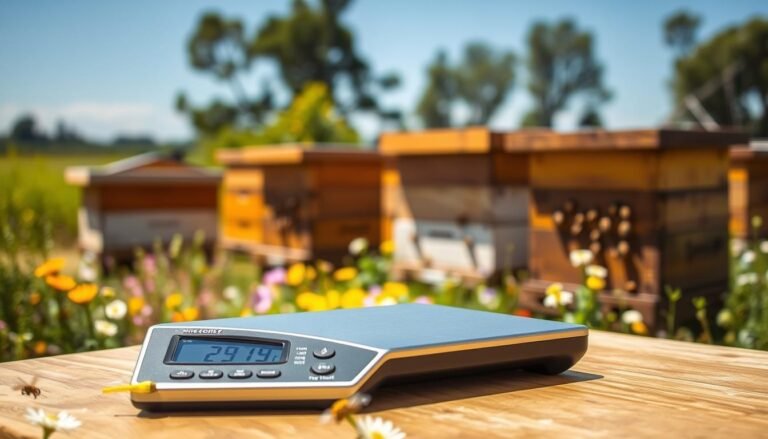
BroodMinder’s basic internal sensors and scales are a real, confirmed example of the no-subscription model: the company’s own product pages describe standard data access through a free companion app, with no recurring fee required to keep reading your sensor’s data over Bluetooth. BeeGuard’s connected weather station is a real, confirmed example of the opposite model: the company’s own pricing, verified directly on its product page, lists the hardware at €236 excluding tax plus a separate €36-per-year charge for continued app access — a genuine, published recurring cost, not a hidden fee uncovered through complaints or forum posts. At the professional end, Arnia markets a dedicated “Annual Data Subscription Plan” as part of its product lineup, reflecting that its cellular-gateway-based system is built around a data plan as a core, ongoing part of the service rather than a one-time accessory.
A cellular gateway requires a data subscription that covers the SIM and data transmission, access to the user interface for all collected sensor data, and an alert system that notifies users of changes within the hive — description drawn from Arnia’s own published product documentation for its cellular hub hardware.
Why Some Products Genuinely Need a Subscription
It’s worth being fair to the subscription model here: a product that relies on a cellular connection — like a gateway serving a remote apiary with no Wi-Fi, covered in more depth in this site’s guide to hive sensor power and connectivity — has a real, ongoing cost behind it: the cellular carrier charges for that data whether or not the device manufacturer marks it up. A cloud-based app that stores years of historical sensor data and continues receiving development updates also has ongoing server and engineering costs a one-time hardware sale doesn’t cover indefinitely. A subscription fee tied to one of these genuine ongoing costs is a fundamentally different thing than a fee charged simply because a company can charge one — the practical skill for a buyer is telling the two apart, which usually just means asking what, specifically, the subscription pays for.
Comparing the Real Costs Over Time
| Product | Upfront hardware cost | Recurring cost | 3-year total (hardware + subscription) |
|---|---|---|---|
| BroodMinder-T2SM (internal sensor) | $47.99 | None confirmed | $47.99 plus ~$3 in batteries |
| BeeGuard connected weather station | €236 excl. tax | €36/year | €236 + €108 (3 years) = €344 |
| Arnia (professional cellular platform) | Priced per package; contact vendor | Confirmed ongoing data subscription plan | Depends on package; budget for the subscription as a permanent line item, not a one-time cost |
The three-year column is the one worth sitting with: a €36/year fee looks trivial next to a €236 hardware purchase in isolation, but it adds nearly 50% to the three-year cost of ownership — a detail easy to miss when comparing two products by their sticker price alone.
A Contrasting Example: No-Subscription Cameras
It’s worth noting the same split shows up outside dedicated bee hardware too. This site’s guide to using a budget wildlife camera for entrance monitoring covers a genuine no-subscription option in a related category: mainstream cameras like the Wyze Battery Cam Pro support free local recording to a memory card, with a cloud-storage subscription offered only as an optional upgrade rather than a requirement. Comparing that model against BeeGuard’s built-in annual fee is a useful reminder that a subscription requirement is a deliberate business choice a company makes, not an unavoidable feature of connected hardware in general.
What to Check Before You Buy
Before buying any hive-monitoring hardware, find the manufacturer’s own pricing or FAQ page and look specifically for whether continued app access, historical data storage, or a required gateway/hub connection depends on an active subscription. Don’t assume based on a similar-looking competitor’s model — as the verified examples above show, two products in the same general category (BroodMinder and BeeGuard both sell hive-adjacent sensors) can use completely different pricing structures. If a subscription exists, check whether losing it just limits new features or actually cuts off access to a device you already paid for outright — that distinction matters more than the dollar amount itself.
Frequently Asked Questions
Do all smart hive sensors require a subscription?
No — BroodMinder’s basic sensors are a confirmed example of a no-subscription model, using a free app for standard data access, while other products like BeeGuard’s weather station do carry a confirmed annual fee.
Why would a hive sensor need an ongoing subscription at all?
Products relying on cellular data connections or continuous cloud storage have real, ongoing infrastructure costs behind them — a subscription tied to those costs is a fundamentally different thing than a fee charged with no underlying cost driver, though telling the two apart requires actually asking what the fee pays for.
What happens if I stop paying a hive-monitor subscription?
This varies by product and isn’t always stated clearly upfront — some may simply lose newer features while basic function continues, while others could cut off access to data the hardware is collecting; check this specifically before buying rather than assuming.
Is a one-time-purchase sensor always the better deal?
Not necessarily — for a backyard hobbyist with reliable home Wi-Fi, yes, a no-subscription model usually makes sense; for a commercial operation genuinely needing cellular coverage across remote apiaries, a subscription-based professional platform may be the only realistic option regardless of preference.