The sensor itself is rarely what fails on a smart hive setup — a dead coin-cell battery in February or a Bluetooth signal that can’t punch through a metal telescoping cover is the more common reason a beekeeper stops trusting the data. Every hive sensor on the market, whatever it measures, is really solving two unglamorous problems first: how it stays powered through a full season (or several) without an inspection-disrupting battery swap, and how it actually gets a reading from inside a wooden box back to a phone or laptop. Those two constraints shape almost everything else about how these products are designed.
Key Takeaways
- Coin-cell internal sensors (BroodMinder‘s T2/TH2 family) typically run about one year on a single CR2032 battery; AA-powered weight scales last much longer, often several years, because they draw less frequently and use a larger cell.
- Bluetooth Low Energy is the dominant short-range connection method, with real-world in-hive range often closer to 15–20 meters through a metal lid than the 30-meter open-air spec sheet number.
- A cellular gateway solves the range and Wi-Fi-availability problem for remote apiaries but adds its own power draw — typically 4–6 months per charge — unless paired with a small solar panel.
- Solar add-ons exist specifically to make gateways and hubs run indefinitely rather than needing a seasonal recharge trip to a remote yard.
- None of this is unique to beekeeping — it’s the same battery-life-versus-radio-range trade-off every battery-powered IoT sensor faces, just applied to a wooden box full of bees.
Table of Contents
- Why Power and Connectivity Are the Real Constraint
- Battery Types and Realistic Lifespans
- Power and Range: A Comparison Reference
- How the Data Actually Gets Off the Hive
- Solar Charging: When It’s Worth Adding
- Practical Buying Considerations
- Frequently Asked Questions
Why Power and Connectivity Are the Real Constraint
A hive weight scale, an internal temperature probe, and a GPS anti-theft tracker solve completely different problems, but they share the same two engineering headaches: they need to run for a useful stretch of time without a beekeeper opening the hive just to change a battery, and they need to get a signal out of a location that’s often shaded, boxed in metal, and sometimes miles from the nearest Wi-Fi router. A sensor with perfect accuracy that dies every six weeks, or one that reports flawlessly from the workbench but goes silent the moment it’s under a telescoping cover in the actual apiary, isn’t useful data — it’s a maintenance chore. This is why product pages for hive sensors spend as much space on battery type and wireless range as they do on what the sensor actually measures.
Battery Types and Realistic Lifespans
Most internal hive sensors — units placed directly against or near the broodnest to read temperature and humidity, like BroodMinder’s T2SM — run on a single CR2032 coin-cell battery, the same type used in many watches and key fobs. BroodMinder’s own published specification for the T2SM lists a roughly one-year battery life on that single cell. That’s a reasonable trade-off for a small, cheap, easily-swapped sensor, but it does mean a beekeeper running several internal sensors across multiple hives is doing a small annual battery-replacement round, not a one-time setup.
Weight scales are a different story. Because a load-cell scale typically only needs to wake up, take a reading, and transmit on a schedule — often hourly — rather than continuously sampling, and because scales have more physical room for a larger battery, dedicated hive scales commonly run on standard AA lithium cells and are rated for multi-year service between changes rather than the roughly one-year figure typical of a small coin-cell internal probe. The exact number varies by brand and by how frequently the unit is set to report, so the specific published figure on the product’s own page — not a general rule of thumb — is what to check before buying.
Gateways and cellular hubs sit at the opposite end of the spectrum. A device that has to stay powered on more continuously to relay data from several sensors, and that may include a cellular radio, draws meaningfully more current than a sensor that wakes up once an hour. That’s why a cellular hub is commonly rated in months rather than years on battery alone — closer to four to six months of typical use per charge — before either a recharge or a mains/solar power source becomes necessary.
Power and Range: A Comparison Reference
| Device type | Typical power source | Realistic battery life | Typical wireless range |
|---|---|---|---|
| Internal temp/humidity probe (e.g., BroodMinder-T2SM) | 1x CR2032 coin cell | ~1 year | Bluetooth Low Energy, spec’d around 10m; often less through a metal lid |
| Load-cell weight scale | AA lithium cells | Multiple years (brand-specific; check the product page) | Bluetooth, spec’d around 30m in open air |
| Cellular gateway/hub (no solar) | Rechargeable internal battery | ~4–6 months per charge | Cellular (4G/LTE) — not limited by Bluetooth range at all |
| Cellular gateway/hub (with solar add-on) | Rechargeable battery + small solar panel | Effectively indefinite with adequate sun exposure | Cellular (4G/LTE) |
| GPS anti-theft tracker | Internal rechargeable or replaceable battery, brand-dependent | Weeks to months depending on GPS ping frequency | Cellular or LPWAN, not Bluetooth-limited |
The GPS-tracker row matters for a reason beyond this article’s own scope: this site’s separate guide to hive anti-theft GPS trackers and alarms covers those products’ theft-prevention features in depth, but the same power-and-connectivity trade-offs described here apply directly to that hardware category too — a GPS tracker that pings its location every few minutes will drain its battery far faster than one set to check in a few times a day.
How the Data Actually Gets Off the Hive
Bluetooth Low Energy (BLE) is the dominant short-range option because it sips power compared to Wi-Fi, which is exactly what a battery-powered sensor needs. The trade-off is range: manufacturer specifications for BLE hive sensors are commonly given as open-air figures — on the order of 30 meters for some scale products — but a beekeeper’s real-world experience is routinely shorter once a metal telescoping cover, a stack of supers, and typical apiary spacing get involved. Placement relative to a phone or gateway matters as much as the sensor’s rated range.
For apiaries without reliable Wi-Fi at the site — a common situation for out-yards on rented land or remote leased parcels — a cellular gateway sidesteps the Bluetooth-range problem entirely by using a built-in SIM to send data over the mobile network instead of relying on a nearby router. This is the same approach used by professional-tier systems built for beekeepers managing hives across scattered locations, and it comes with its own recurring cost consideration — covered separately in this site’s look at hidden subscription costs — since cellular data typically isn’t free the way a home Wi-Fi connection is.
Solar Charging: When It’s Worth Adding
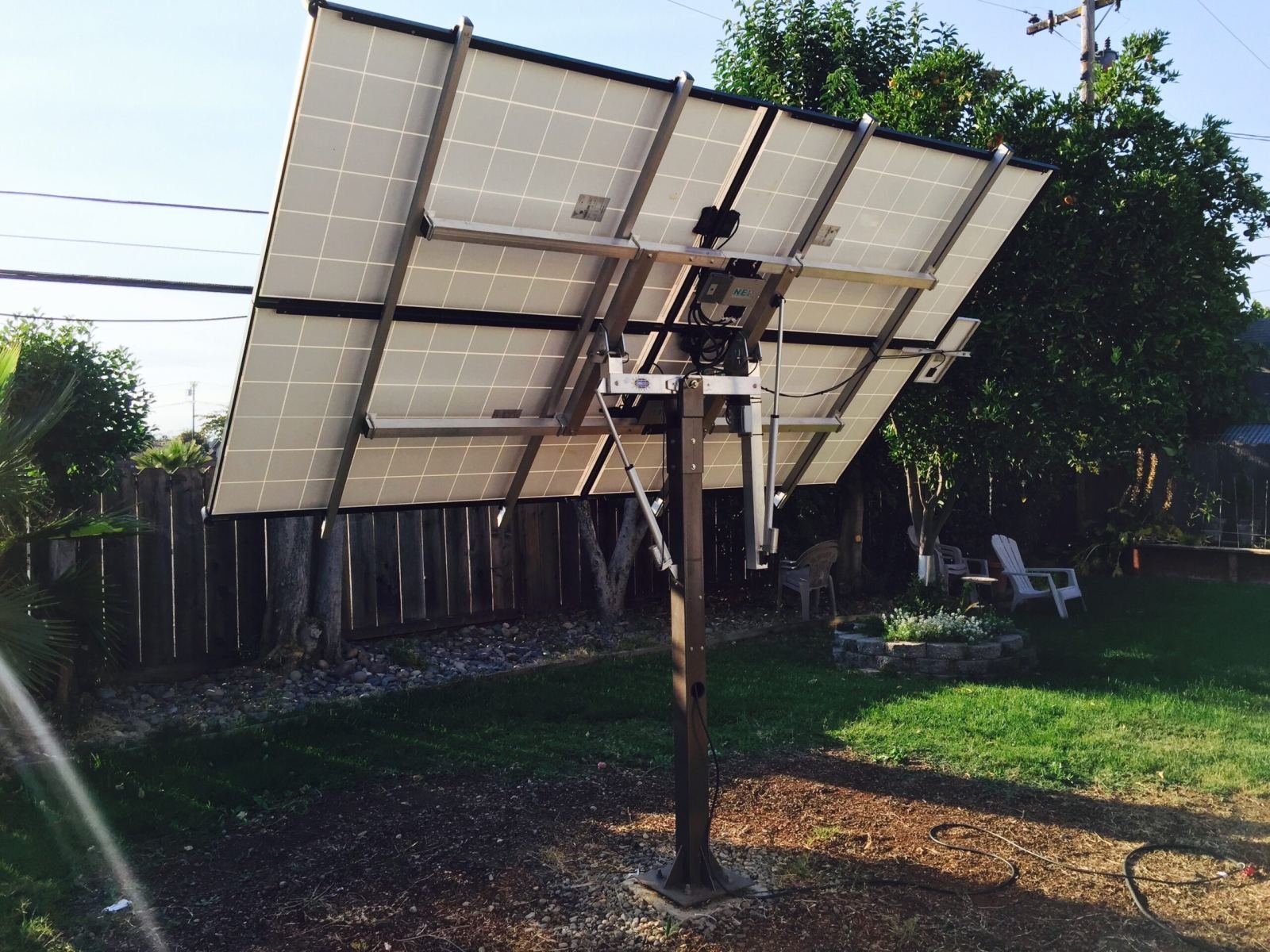
Solar add-ons for hive-monitoring hardware exist specifically to remove the recurring-recharge chore from equipment that would otherwise need attention every few months. BroodMinder, for example, publishes guidance recommending a small 5-watt, 5-volt solar panel (the company points to a Voltaic Systems unit as a compatible option) specifically for its cellular hub, describing the resulting setup as effectively indefinite in typical outdoor light conditions rather than needing a periodic recharge. The same logic applies to any battery-powered gateway sitting in full sun for most of the day — a small panel converts a “charge it every few months” device into a “check on it once a season” device, which matters far more for a remote out-yard than for a backyard hive a beekeeper walks past daily anyway.
Solar isn’t worth adding to every device, though. A coin-cell internal temperature sensor draws too little power, and is usually positioned somewhere too shaded inside the hive stack, for a solar accessory to make practical sense — the juice isn’t worth the squeeze on a $1 battery that already lasts a year. Solar earns its cost specifically on higher-draw, more exposed hardware: gateways, hubs, and cellular units sitting in the open.
Practical Buying Considerations
A few questions are worth answering before buying any battery-powered hive sensor, regardless of brand: What’s the published battery life, and does it match how often the unit needs to report data — a scale that reports hourly doesn’t need continuous power the way a live-alert system might? Is the stated wireless range an open-air lab figure or something the manufacturer has tested through an actual hive body? And for a remote apiary specifically, is Wi-Fi genuinely available at the site, or does a cellular gateway (with its own subscription cost) become a real requirement rather than an optional upgrade? Answering these before purchase avoids the common frustration of a sensor that works perfectly on a kitchen table and then reports intermittently, or not at all, once it’s actually on a hive at the back of a rented pollination yard.
Frequently Asked Questions
How often do hive sensor batteries actually need to be replaced?
It depends heavily on the device: small coin-cell internal temperature/humidity sensors are commonly rated around a year, while AA-powered weight scales are typically rated for several years, and cellular gateways without solar assistance usually need attention every four to six months.
Does a metal hive cover really block Bluetooth signal that much?
Yes — metal telescoping covers and metal roofing on a hive body can noticeably reduce Bluetooth range compared to the open-air distance listed on a spec sheet, which is why real-world range is often shorter than the advertised figure.
Is a cellular gateway worth it for a backyard apiary with home Wi-Fi?
Usually not — a cellular gateway solves the specific problem of no reliable Wi-Fi at the hive location, and adds a recurring data cost, so it makes the most sense for remote or scattered out-yards rather than hives already within normal home Wi-Fi range.
Can I add solar power to any hive sensor?
Not usefully — solar add-ons are designed for higher-draw devices like gateways and cellular hubs sitting in the open; a small internal coin-cell sensor tucked inside the hive body typically doesn’t get enough light exposure or draw enough power to benefit from one.