A basic Raspberry Pi weight-and-temperature rig can be built for somewhere around $55 to $130 in parts — genuinely cheaper than a comparable commercial sensor — but the honest question isn’t which option costs less upfront, it’s which cost you’d rather pay: your own soldering and troubleshooting time, or a manufacturer’s markup for something that just works out of the box. This site’s guide to creating an automated apiary as a beginner walks through a general beginner build; this article is narrower and more specific — it’s a real, numbers-based comparison of what building your own hive-monitoring hardware actually costs and requires, versus buying a finished commercial sensor, so you can decide which is genuinely worth it for your own situation.
Key Takeaways
- Real open-source DIY projects exist and are actively documented — HoneyPi, BeeMonitor, and the German Hiveeyes project are genuine, publicly available builds, not hypothetical concepts.
- A basic Raspberry Pi-based weight/temperature build has been documented at roughly $55–$130 in parts, depending on which sensors and enclosure choices are included.
- BroodMinder sells its own bare circuit boards and load cells as a middle-ground option — a real, official DIY kit that still connects to the same commercial app, rather than a fully from-scratch build.
- DIY makes the most sense when you already have basic electronics comfort, want to learn the underlying tech, or need a sensor combination no commercial product bundles together.
- Commercial hardware makes the most sense when your time is worth more than the price difference, or when you need something working reliably before you’ve learned to troubleshoot it yourself.
Table of Contents
- Real DIY Projects You Can Actually Build
- The Middle Ground: Official DIY Kits
- Cost Comparison: DIY vs. Commercial
- What DIY Actually Demands Beyond Money
- What Buying Commercial Actually Buys You
- The Community Support Difference
- A Real Decision Framework
- Frequently Asked Questions
Real DIY Projects You Can Actually Build
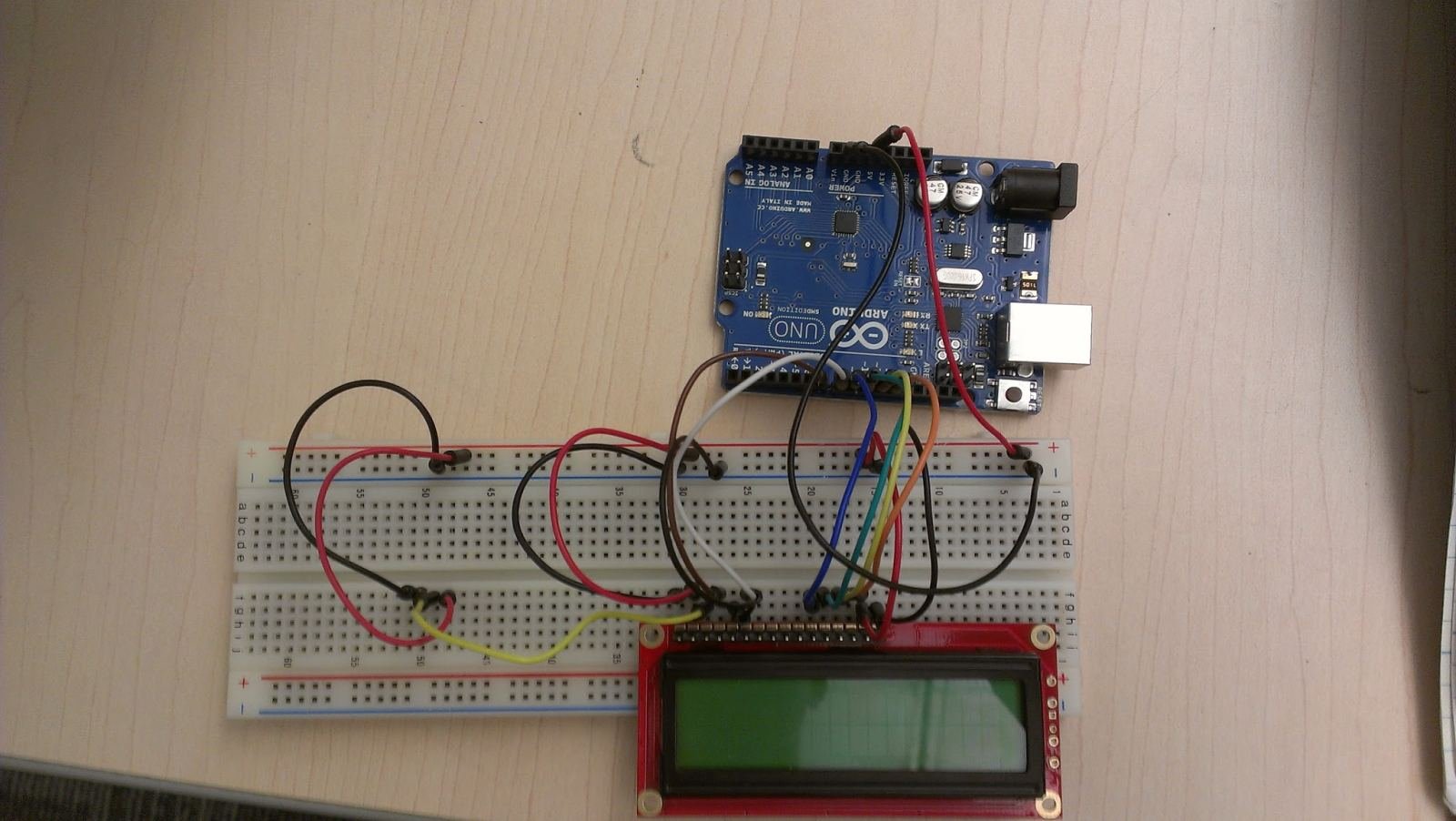
Three genuinely real, publicly documented open-source projects anchor the DIY side of this comparison. HoneyPi (honey-pi.de) is a German-developed Raspberry Pi-based system that logs hive weight, temperature, and humidity, with build instructions and a parts list published for anyone to replicate; one documented build came in around 120 euros, with the load cell typically the single most expensive component. BeeMonitor, covered directly by the official Raspberry Pi Foundation blog and with source code published on GitHub by developer Glyn Hudson, focuses on temperature monitoring and was one of the earlier widely-cited hobbyist bee-monitoring builds. Hiveeyes (hiveeyes.org) is a more actively maintained German open-source ecosystem covering multiple sensor types and hardware variants, with ongoing community documentation rather than a single fixed build guide. All three are real, freely available projects a beekeeper with basic electronics comfort can actually follow today — not aspirational or hypothetical concepts.
The Middle Ground: Official DIY Kits
There’s a genuinely useful middle option between “build entirely from scratch” and “buy a finished sensor”: BroodMinder sells its own bare circuit boards and compatible load cells directly, intended for beekeepers who want to assemble their own hive scale but still have it report into BroodMinder’s existing, established app rather than building custom software from zero. This is a real, currently-listed product option, not a workaround — it exists specifically because the company recognized that some of its customers want the hands-on assembly experience (and lower parts cost than a fully-housed unit) without also having to write firmware and design a mobile app from scratch. For someone who wants to solder and assemble something themselves but doesn’t want to become a part-time software developer to see the data afterward, this is often the more realistic starting point than a fully from-scratch open-source build.
Cost Comparison: DIY vs. Commercial
| Approach | Typical cost | What you get | What it demands of you |
|---|---|---|---|
| Fully DIY (HoneyPi, BeeMonitor, Hiveeyes-style build) | Roughly $55–$130 in parts | Full customization; the sensor combination you actually want | Soldering, basic programming/config, ongoing self-support, no customer support line |
| Official DIY kit (e.g., BroodMinder bare boards + load cell) | Lower than the fully-assembled product, higher than pure from-scratch parts | Assembly experience plus compatibility with an established, maintained app | Basic soldering/assembly; no firmware or app development needed |
| Fully commercial, assembled sensor | Roughly $50 for a basic internal sensor up to $150+ for a weight scale, brand-dependent | Out-of-box reliability, weatherproofing already engineered, manufacturer support | Nothing beyond mounting and pairing it to the app |
What DIY Actually Demands Beyond Money
The parts-cost comparison above is the easy part to quantify; it’s also the least important part of the real decision. A DIY build demands genuine troubleshooting time when something doesn’t work the first time — a loose solder joint, a firmware update that breaks compatibility, a weatherproofing gap that lets moisture into a joint you sealed yourself. None of this is a reason to avoid DIY; plenty of beekeepers genuinely enjoy this kind of tinkering, and open-source projects like Hiveeyes exist specifically because a community of people wanted to solve these problems together. But it is real time and real risk of an outdoor electronics project failing in ways a commercial product’s engineering and warranty already account for. Being honest about whether you actually have — and want to spend — that time is more important than the dollar-cost comparison.
What Buying Commercial Actually Buys You
The premium a commercial sensor charges over raw parts cost is mostly paying for three things: weatherproofing that’s already been engineered and tested rather than improvised, an app and data platform that’s already built and maintained rather than something you’d need to write or adapt yourself, and a support channel to contact when something doesn’t work. For a beekeeper whose priority is reliable data with minimal fuss — especially someone managing several hives or out-yards where troubleshooting a DIY sensor in person costs real travel time — that premium is often a reasonable trade, not an unnecessary markup.
The Community Support Difference
One factor the cost table doesn’t capture: open-source projects like Hiveeyes and HoneyPi come with active community documentation, forums, and shared build logs from other beekeepers who’ve hit the same problems you will — a genuine, if informal, support network built by the DIY community itself rather than a manufacturer. A commercial product’s support is more predictable (a defined channel, defined hours, a defined warranty) but often narrower — a support line can tell you your sensor is broken, but it generally can’t help you add a measurement the product wasn’t designed to take. Weighing predictable-but-narrow commercial support against broader-but-informal community support is a real part of this decision, not just an afterthought.
A Real Decision Framework
A genuinely useful way to decide: if you already have basic electronics or Raspberry Pi/Arduino experience, want to learn how the underlying sensors work, or need a specific combination of measurements no single commercial product bundles together, DIY (fully from-scratch, or BroodMinder’s official board-and-load-cell option as a gentler middle path) is a legitimate, well-documented route with real community support behind it. If your priority is data you can trust starting on day one, you manage enough hives that troubleshooting time has a real opportunity cost, or you simply don’t want an outdoor electronics project as a hobby alongside beekeeping itself, a finished commercial sensor is the more honest choice — and not a less serious one.
Frequently Asked Questions
Is DIY hive monitoring actually cheaper than buying a commercial sensor?
On raw parts cost, often yes — documented builds have come in around $55 to $130, versus roughly $50 to $150-plus for comparable commercial sensors — but that comparison leaves out your own assembly and troubleshooting time, which is a real cost even if it isn’t a dollar figure.
Do I need to know how to code to build a DIY hive sensor?
For a fully from-scratch build like HoneyPi or Hiveeyes, basic configuration and sometimes light coding is typically involved, though these projects publish instructions for people without a software background; an official DIY kit like BroodMinder’s bare-board option avoids this entirely since it reports into an existing app.
What’s the actual difference between this and a fully commercial sensor kit?
A fully commercial sensor arrives assembled, weatherproofed, and ready to pair with its app; a DIY build requires you to source, assemble, and often weatherproof the components yourself, in exchange for a lower parts cost and full control over exactly what it measures.
Can I mix DIY and commercial sensors in the same apiary?
Yes, practically speaking — many beekeepers run a commercial scale for reliable core data and experiment with a DIY build for an additional measurement a commercial product doesn’t offer, since the two don’t need to share a single app or platform to both be useful.