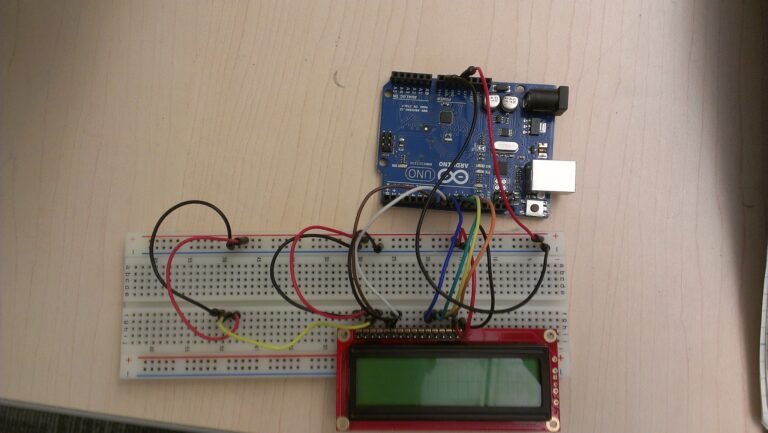
DIY vs. Commercial Smart Hive Monitoring: What to Build
Real open-source projects like HoneyPi and Hiveeyes can undercut commercial hive sensors on cost. Here is a real numbers-based comparison of what building your own actually takes.

A hive sensor tells you that something changed, not why. That single idea separates useful monitoring from expensive noise, and it runs through every article here: what scales, temperature and humidity probes, weather stations, cameras and acoustic research can and cannot show, how to power and connect them in a yard with no mains and poor signal, and when building your own beats buying.
The most valuable signal is the weight curve. A healthy hive gains and loses a little every day as foragers leave and return, so single readings mean nothing, but the shape over weeks does: a steady climb marks the flow, a plateau marks the end of it, and a drop of several pounds inside an hour on a dry day almost always means a swarm has just left. Brood-nest temperature is the second signal; a stable reading in the mid-thirties Celsius means brood is being reared, and its return in late winter is the earliest sign a colony has started building. A common mistake is fitting sensors to every hive at once; one scale under a representative colony shows the flow for the whole yard.
None of it replaces opening the box. The point is to know which day is worth the disruption.
Start here:
Real open-source projects like HoneyPi and Hiveeyes can undercut commercial hive sensors on cost. Here is a real numbers-based comparison of what building your own actually takes.
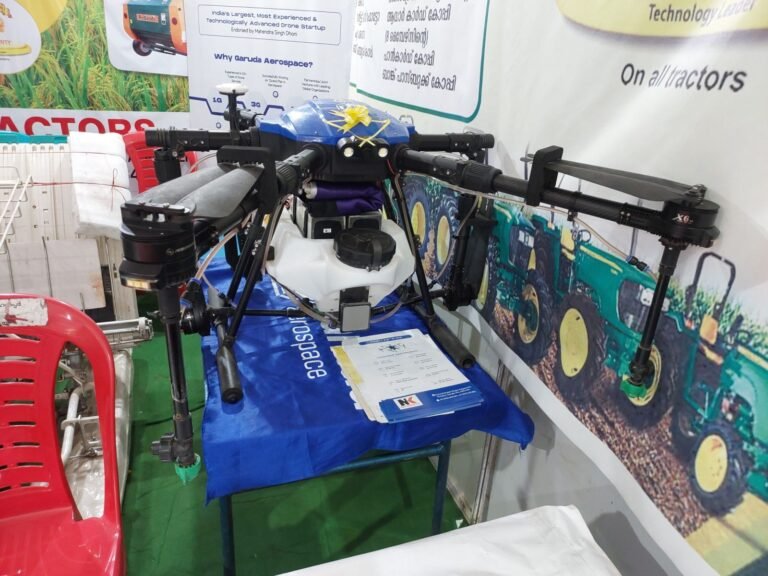
Dropcopter has flown real autonomous pollen-distribution drones since 2018. Bloom-mapping is even more mature. Robotic flower-by-flower pollination is still a lab experiment. Here is what is actually deployed.
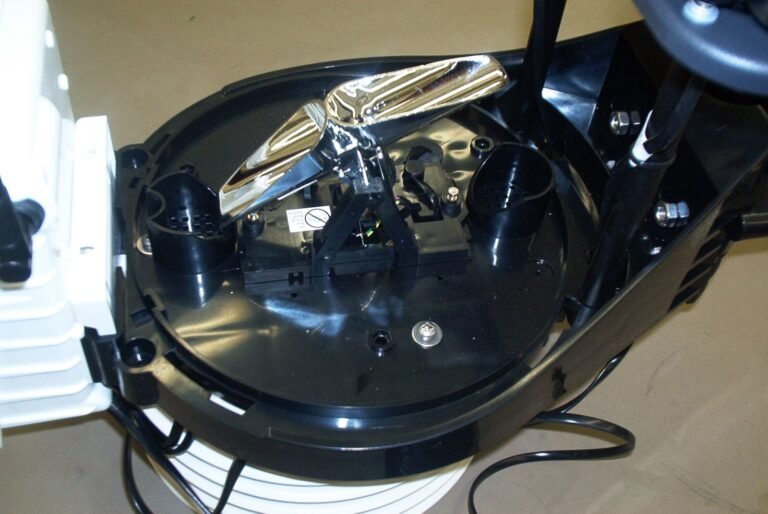
A phone weather app reports conditions miles away; a dedicated apiary weather station measures rainfall, temperature, and pressure exactly where your bees forage. Is the difference worth paying for?
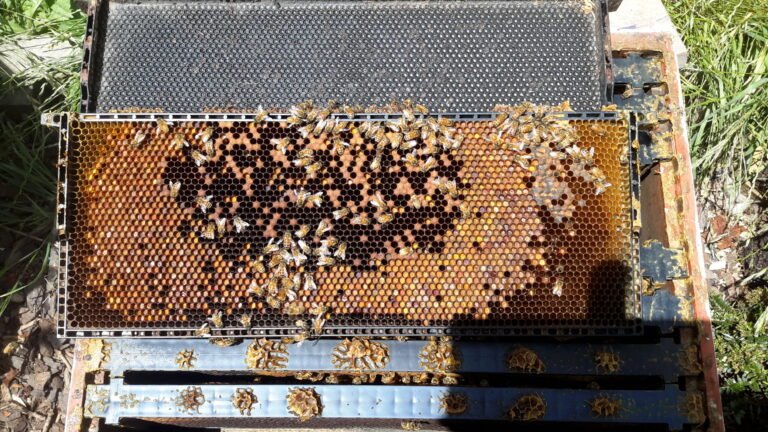
What normal in-hive temperature and humidity actually looks like by season, why the 'December dip, January rise' pattern matters, and how sensor placement changes the reading.
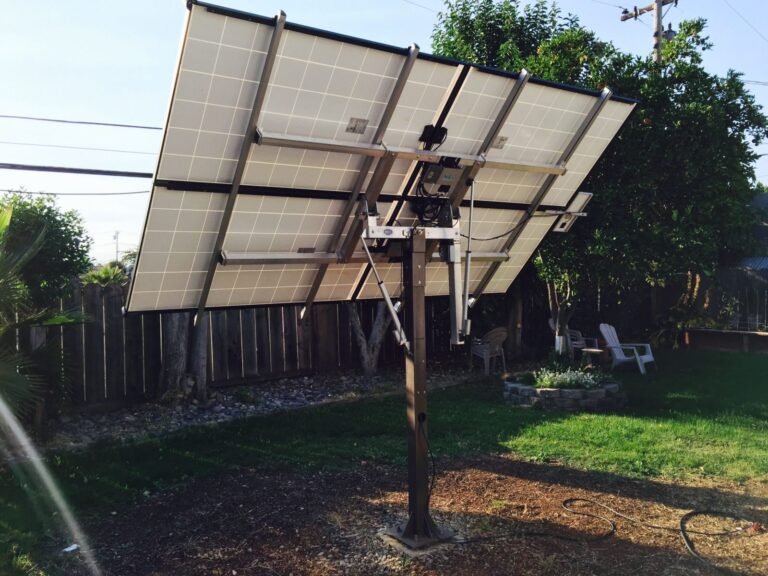
Real battery life, solar charging options, and wireless range for hive sensors, weight scales, and GPS trackers -- what the manufacturer spec sheet doesn't tell you.
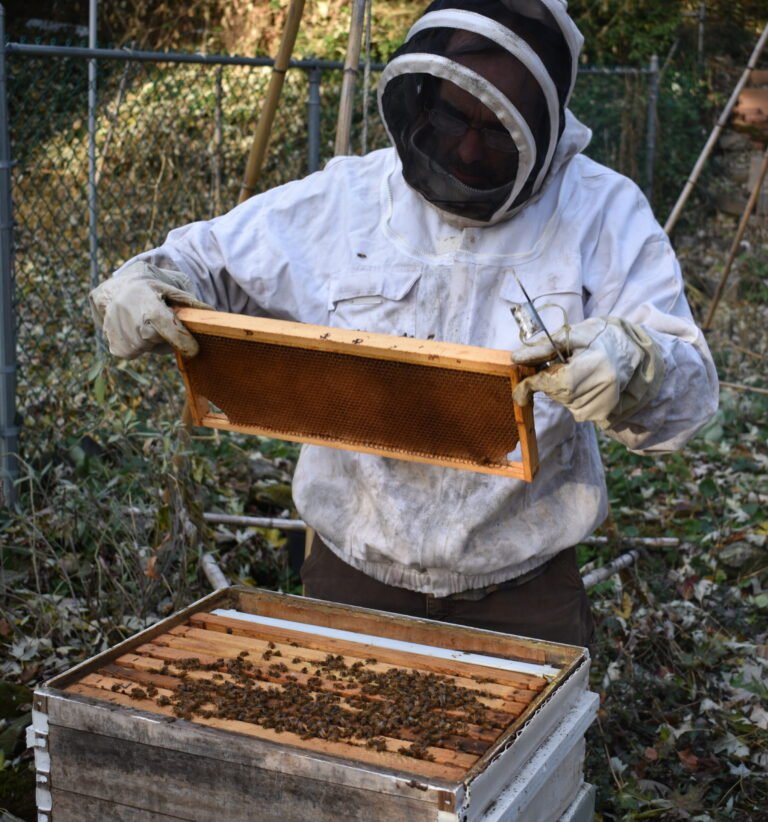
From weight scales to weather stations to bioacoustic research, here's what every smart hive monitoring category actually measures, what it can't tell you, and which real products are worth knowing about.
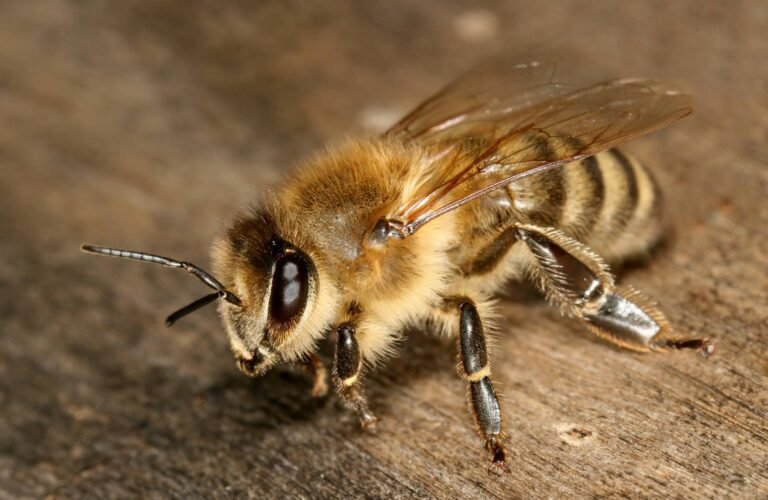
A hive scale is only useful once you know how to read the curve it produces: this guide explains normal daily swings, seasonal patterns, and the specific weight signatures worth investigating.
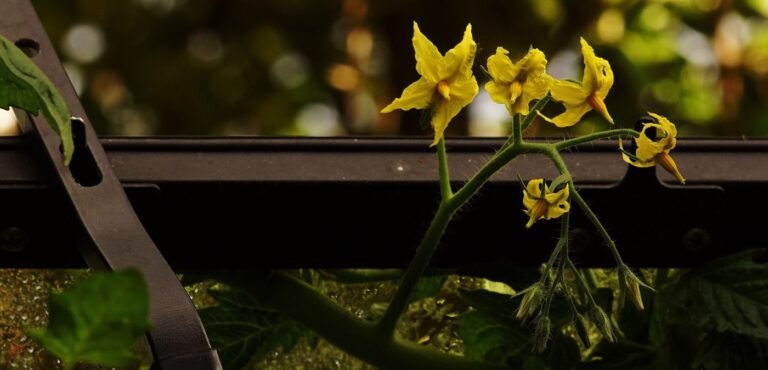
Robotic pollination already works commercially for greenhouse tomatoes, but it's nowhere near replacing what bees do across open-field crops at scale.

Explore our Modular hive systems for research, designed to enhance apiculture studies with advanced technology and precision. Improve your research outcomes today.
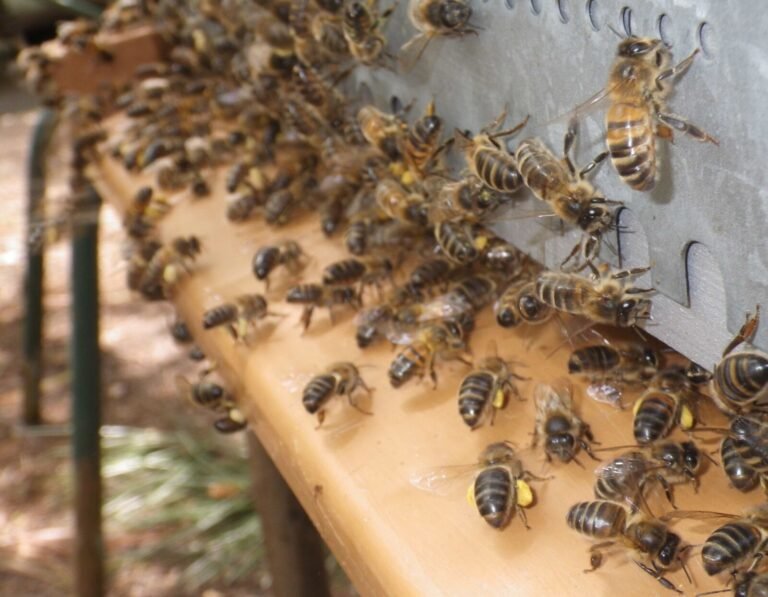
Learn how to monitor bee activity effectively using Smart hive entrance counters. Discover the benefits and step-by-step guide to optimizing your beekeeping practices.

Discover how beekeepers are Using AI to predict nectar flows, enhancing honey production and colony health through data-driven insights.
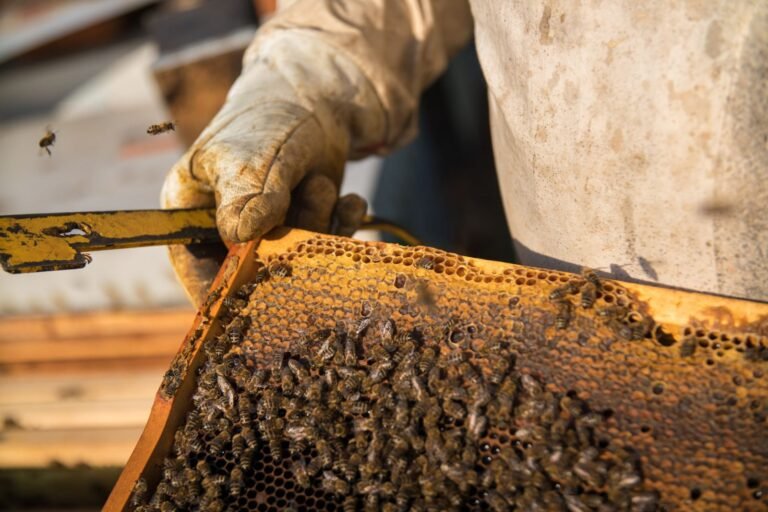
No standalone commercial product yet reliably tells you 'your hive is queenless' from sound alone. Here's what peer-reviewed acoustic hive research actually shows, and what's still just marketing.
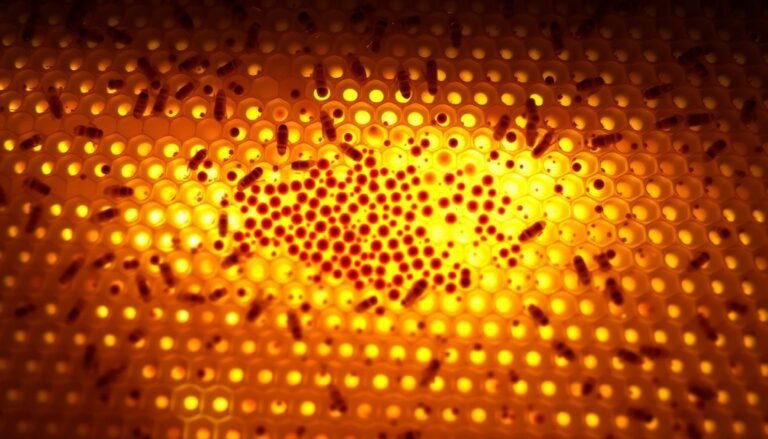
Learn how to use heat mapping for brood pattern assessment effectively. Discover the steps and best practices in our comprehensive guide.
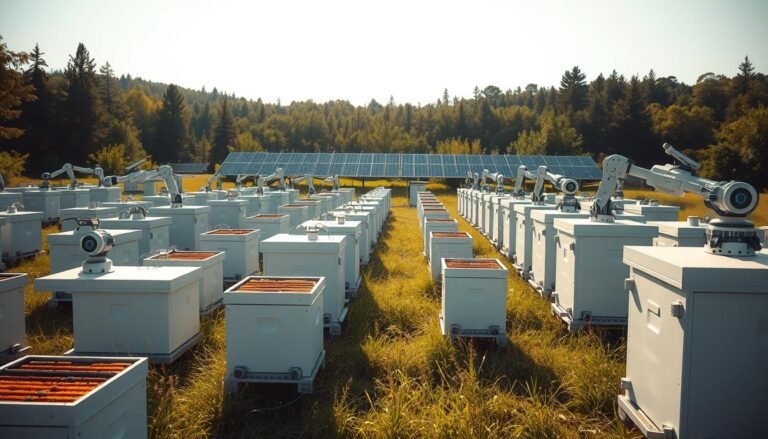
Discover the ultimate guide on How to create an automated apiary. From setting up to maintaining, we've got you covered with expert advice and insights.

Using sensors to detect queenlessness in your apiary? Follow our step-by-step guide to improve your beekeeping practices and boost honey production
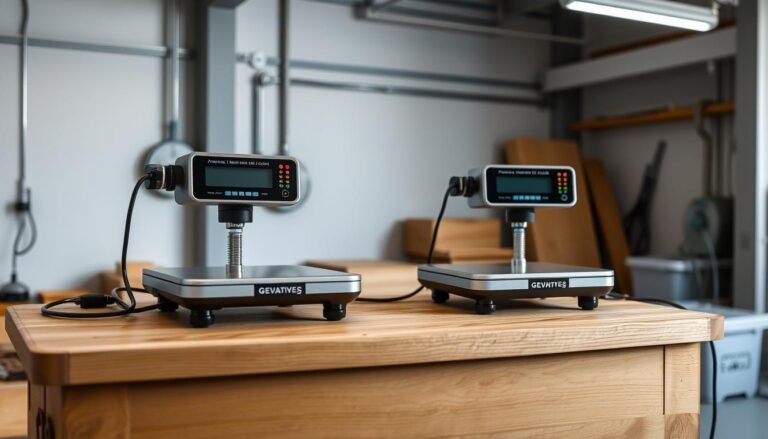
Explore the benefits of Wireless hive scales for nectar flow tracking. Our in-depth review highlights top products and key features for beekeepers.
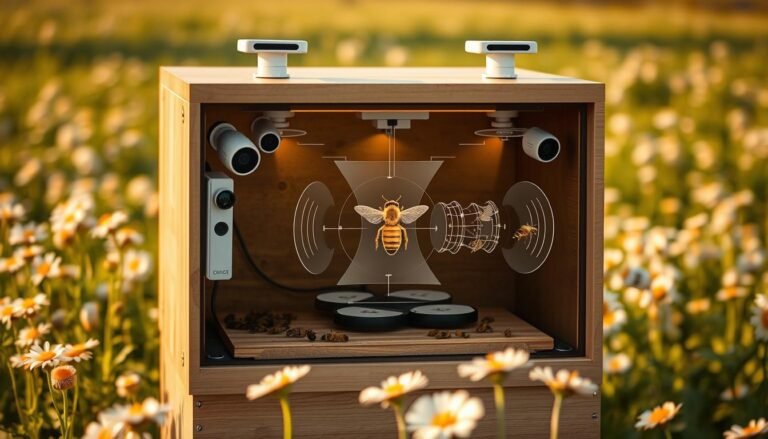
Optimize your apiculture business with AI-based hive monitoring systems. Our buyer's guide provides expert insights into the technology and its applications.
Using thermal cameras for brood pattern analysis can revolutionize your beekeeping. Follow our expert guide to get started with this innovative technique.
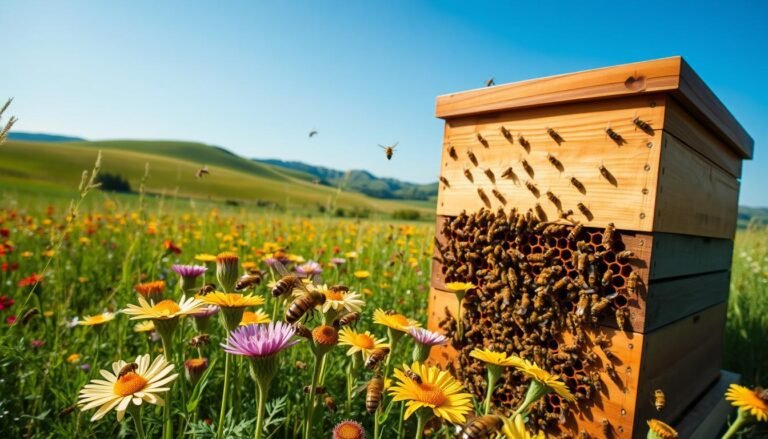
Protect your bees with our advanced Hive monitoring technology. Monitor your colony's health in real-time and take action when needed.
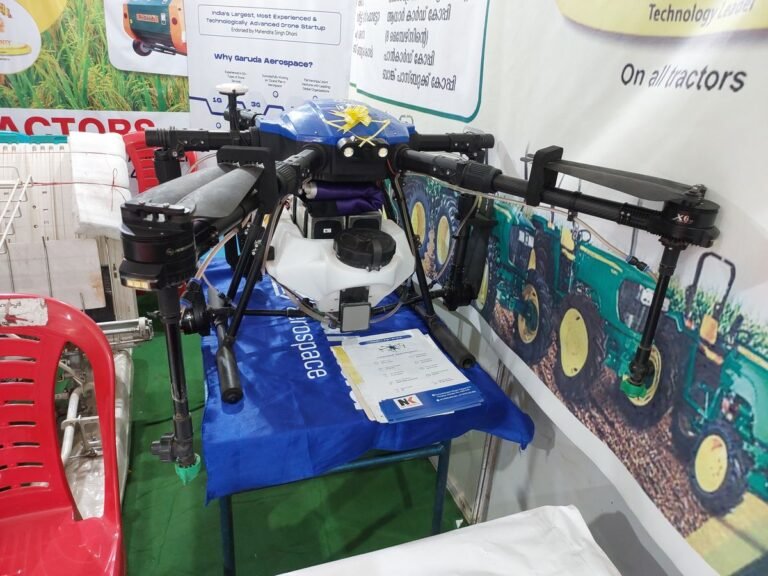
A clear look at pollination drone technology: how it works, where it's being tested, and why it's built to assist bees, not replace them.