Last Updated September 14, 2026
A genuine “solar-powered pollen trap” is not a real, established beekeeping product today — standard pollen traps are simple passive mechanical devices with no moving parts and nothing to power. What does exist, and is genuinely useful, is solar power applied to the equipment researchers and hobbyists pair with a trap: remote monitoring cameras, hive-weight sensors, and DIY automation. This guide separates the real technology from the marketing-sounding name.
Key Takeaways
- Standard pollen traps (Sundance, Betterbee, and similar brands) are passive mechanical grids — they strip pollen from a bee’s corbicula as she passes through, with no battery or power source involved.
- No mainstream manufacturer currently sells a “solar-powered pollen trap” as a single integrated product; search results for the term return standard traps and unrelated solar insect-light traps, not a real combined product.
- Real research does combine solar power with pollen trapping — a 2023 peer-reviewed study on commercial almond pollination used an 80V solar panel to run remote cameras and monitoring equipment alongside standard bottom-mounted pollen traps.
- If you want the benefit of “smart” pollen monitoring today, the realistic path is pairing a standard passive trap with separately available solar-powered hive sensors or a trail-camera-style monitor — not waiting for an all-in-one product that doesn’t exist yet.
- Be skeptical of any listing that uses “solar-powered pollen trap” as a marketing term; verify what’s actually solar-powered (the trap itself, or an attached camera/sensor) before buying.
Table of Contents
- What “Solar-Powered Pollen Trap” Actually Refers To
- How Standard Pollen Traps Work (No Power Required)
- The Real Research Connecting Solar Power and Pollen Trapping
- Real Solar-Powered Tech You Can Actually Buy
- A Realistic DIY Setup: Passive Trap Plus Solar Monitoring
- Real Pollen Traps Worth Buying
- Frequently Asked Questions
What “Solar-Powered Pollen Trap” Actually Refers To
Searching for “solar-powered pollen trap” mostly surfaces two unrelated things: standard mechanical pollen traps from real brands like Sundance and Betterbee (which need no power at all), and solar-powered insect light traps meant for pest control, not pollen collection. A genuine single product that combines a pollen-stripping grid with integrated solar panels, batteries, and digital controls does not appear to exist as an established, reviewable commercial item as of this writing. That doesn’t mean the idea is nonsense — it means the real technology lives one layer over, in the monitoring equipment beekeepers and researchers pair with an ordinary trap.
How Standard Pollen Traps Work (No Power Required)
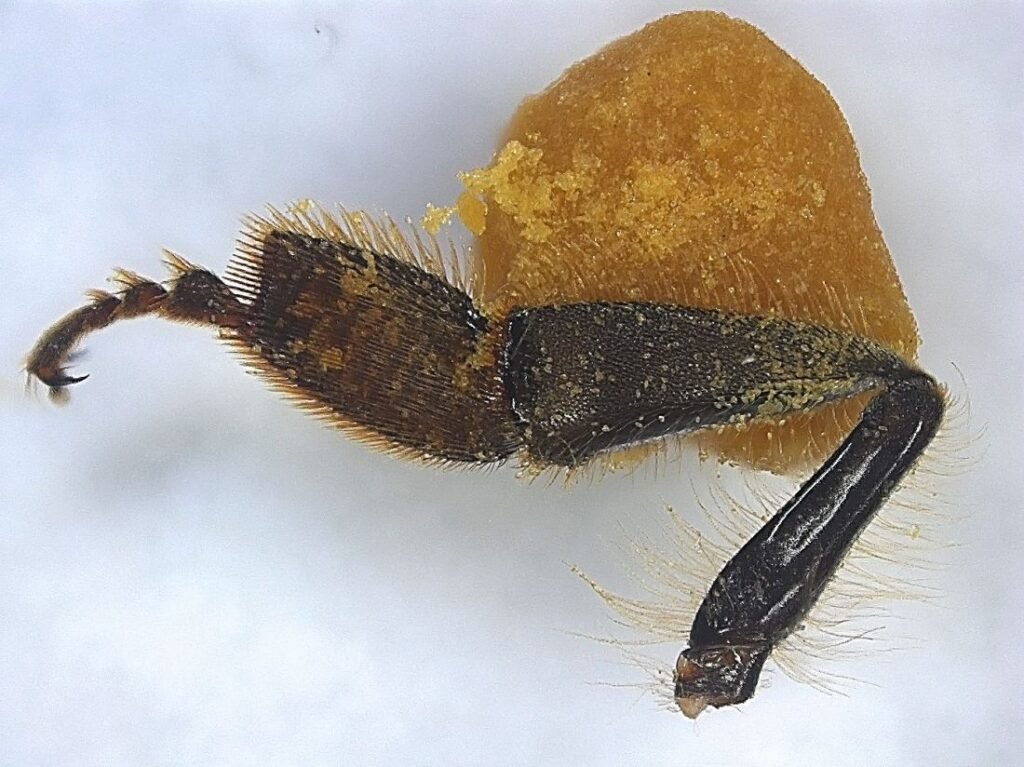
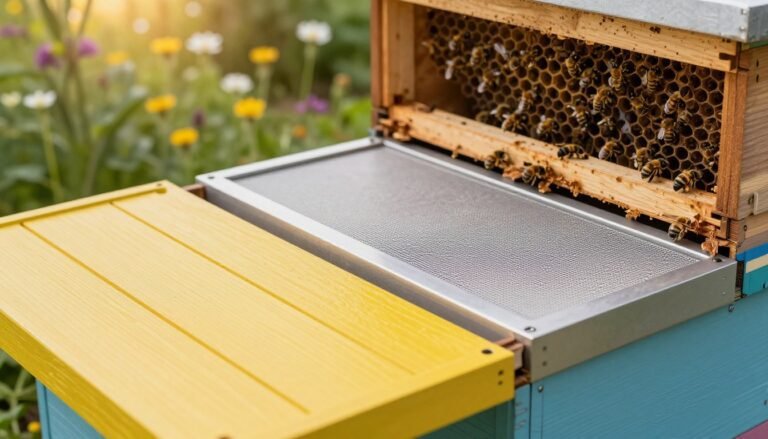
A pollen trap works entirely through geometry, not electronics. Foraging bees return to the hive carrying pollen pellets packed onto the corbicula (pollen basket) on their hind legs. The trap forces them through a grid of holes sized just narrow enough that the pellets get knocked loose and fall into a tray below, while the bee herself passes through unharmed. Bottom-mounted designs replace the hive’s bottom board; front-porch designs slide into the entrance. Either way, there’s no motor, sensor, or power source anywhere in the mechanism — which is exactly why real manufacturers haven’t built a “solar” version: there’s nothing on the trap itself that needs power.
The Real Research Connecting Solar Power and Pollen Trapping
Solar power does show up in real, peer-reviewed pollen-trap research — just not as part of the trap. A January 2023 study in the journal Insects, “Precision Monitoring of Honey Bee Activity and Pollen Diversity during Pollination to Evaluate Colony Health,” tracked commercial honey bee colonies during Australian almond pollination using complete bottom-mounted pollen traps for pesticide-residue and DNA metabarcoding analysis, alongside “Eyesonhives” remote camera surveillance of hive-entrance activity. The camera system ran on an 80V solar panel to stay powered continuously in the field.
“Each battery was kept fully charged by an 80V solar panel.” — McKinnon et al., Insects, January 2023
In other words: the pollen trap was a standard passive device, and the solar panel powered the separate monitoring camera watching the hive entrance next to it.
Separately, solar automation is a real, active research area in apiculture more broadly — a 2023 paper in the Journal of Apicultural Research, “Development of an automatic solar powered honey bee feeding system in a movable multi-shelves apiary,” describes a solar-powered automatic feeding system for mobile apiaries, using timers and sensors to manage syrup delivery rather than pollen collection. It’s further evidence that solar-plus-apiary-automation is genuinely being explored — pollen collection specifically just hasn’t been the target of that R&D yet.
Real Solar-Powered Tech You Can Actually Buy
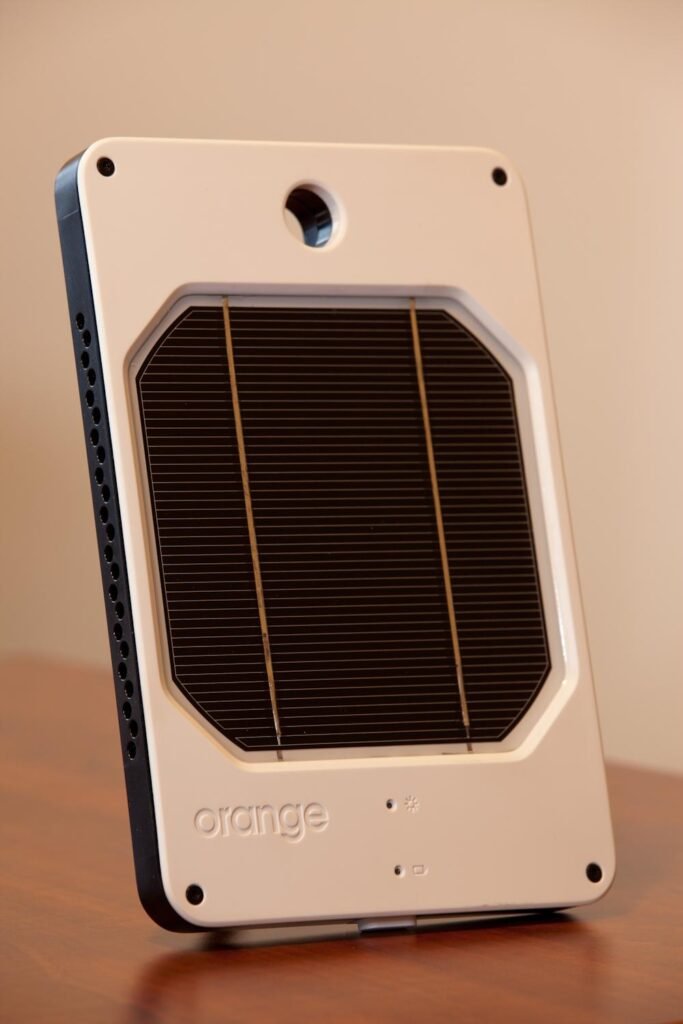
If the actual goal is solar-powered apiary monitoring, several real product categories already deliver that today, just not built into a pollen trap:
- Solar-powered hive scales and sensors — this site’s guides to wireless hive scales for nectar-flow tracking and BroodMinder’s remote hive monitoring system cover real, currently-sold devices that use small solar panels or long-life batteries to track hive weight, temperature, and activity remotely — weight-curve data can indicate a strong nectar/pollen flow even without directly weighing collected pollen.
- Solar charging accessories for hive sensors — covered in detail in this site’s guide to powering and connecting hive sensors, which compares battery life, solar charging, and wireless range across real products.
- Solar-powered trail/wildlife cameras — a generic solar trail camera aimed at the hive entrance, the same category used in the real academic study above, can visually confirm foraging and pollen-carrying activity without needing a dedicated “smart trap” product.
None of these is a pollen trap with a panel bolted on — they’re separate, genuinely solar-capable devices that a beekeeper can combine with an ordinary trap for a monitoring setup that’s honestly “solar-assisted,” even if no single SKU exists yet.
A Realistic DIY Setup: Passive Trap Plus Solar Monitoring
For a beekeeper who wants the practical benefit implied by “solar-powered pollen trap” — automated, low-maintenance pollen monitoring — the honest answer is combining two existing product categories rather than buying one that doesn’t exist:
| Component | What it does | Power source |
|---|---|---|
| Standard bottom-mounted pollen trap (e.g., Sundance) | Physically strips and collects pollen | None needed — purely mechanical |
| Solar-charged hive scale or sensor | Tracks weight/activity trends that correlate with foraging flow | Small solar panel + battery |
| Solar-powered entrance camera (optional) | Visually confirms pollen-carrying traffic without opening the hive | Solar panel + battery |
This combination gives a genuinely “smart,” partly solar-powered pollen-monitoring setup today, built from real, currently-purchasable parts — which is a more honest and more useful answer than waiting for a single integrated product that hasn’t reached the market.
Real Pollen Traps Worth Buying
For the trap itself, stick with an established, real mechanical design. This site covers the category in more depth elsewhere: see effective pollen trap types for small apiaries and the best pollen traps for hobby beekeepers for model-by-model comparisons, and this guide to disinfecting pollen and propolis traps for upkeep once you’re collecting regularly. The Sundance Pollen Trap remains the de facto industry standard, sold through retailers including Betterbee’s pollen-collection catalog.
Conclusion
If a listing calls itself a “solar-powered pollen trap,” look closely at what’s actually being sold. Real pollen traps don’t need power; real solar apiary tech today is hive scales, sensors, and cameras sold separately. Combining a standard trap with one of those is the genuinely useful, currently-available version of the idea.
Frequently Asked Questions
Do solar-powered pollen traps actually exist as a real product?
Not as a single, established, integrated product from a known manufacturer as of this writing. Standard mechanical pollen traps and separate solar-powered hive-monitoring devices both exist and are real; a combined “solar pollen trap” SKU does not appear in current beekeeping-supplier catalogs.
Why don’t regular pollen traps need any power?
Because they work purely through mechanical geometry — a grid sized to brush pollen pellets off a bee’s legs as she passes through. There are no moving parts, sensors, or electronics involved, so there’s nothing to power.
Is there any real research combining solar power and pollen trapping?
Yes. A 2023 peer-reviewed study on commercial almond pollination in Australia used standard pollen traps alongside a solar-powered remote camera system monitoring hive-entrance activity — the solar panel powered the camera, not the trap itself.
What’s the closest real product to a “smart” pollen-monitoring setup?
Pairing a standard passive pollen trap with a solar-charged hive scale, sensor, or entrance camera — all separately available, real products — gets close to the automated monitoring the marketing term implies, without needing a single all-in-one device.
Which pollen trap brands are actually real and worth buying?
Sundance Pollen Trap is the widely-recognized industry standard, available through suppliers like Betterbee; several other bottom- and entrance-mounted designs are covered in this site’s dedicated pollen-trap buying guides.
Should I be suspicious of a listing marketed as a “solar-powered pollen trap”?
Yes — verify specifically what component is solar-powered before buying. If a listing can’t clearly explain what the solar panel actually runs (since the trap mechanism itself needs nothing), treat the “solar-powered” label as a marketing term rather than a genuine feature.