Real, currently operating bee farms and apiaries that welcome visitors do exist on nearly every continent, from a family-run Northumberland honey farm with a vintage bus café to a 1970s organic operation on Hawaii’s Big Island — but most “best bee farms to visit” lists online are recycled filler, so this guide only names places that were directly verified as real, current, and actually open to the public. Here’s how to actually find one worth the trip, plus a handful of specific, verified examples to start from.
Key Takeaways
- Chain Bridge Honey Farm in Horncliffe, Northumberland, UK, is a real, currently operating family business (started 1948) with free admission, a beekeeping museum, an observation hive, and a café built inside a vintage double-decker bus.
- Big Island Bees in Captain Cook, Hawaii, has run guided beekeeping tours since 1972 and is one of the few farms producing the rare, single-source Ohi’a Lehua honey.
- Smaller operations like Iron Bee Apiary (Sammamish, WA) and Neshanic Station Apiaries (NJ) offer hands-on, suit-up-and-open-a-hive experiences rather than passive walkthroughs.
- Before planning a trip around any apiary tour, verify current hours and booking requirements directly on the farm’s own site — small, seasonal operations change their schedules year to year more often than typical tourist attractions.
- Always confirm bee-sting-allergy policy and protective-gear provisions before booking, especially for a hands-on hive-opening tour rather than a behind-glass observation visit.
Table of Contents
- What Actually Counts as a “Bee Farm You Can Visit”
- Verified, Currently Operating Bee Farms Open to Visitors
- How to Find a Real, Legitimate Apiary Tour Near You
- What to Check Before You Book
- Frequently Asked Questions
What Actually Counts as a “Bee Farm You Can Visit”
Apitourism operations generally fall into three distinct categories, and knowing the difference matters before you plan around one. A visitor-centre farm is a working commercial apiary that has built out a museum, shop, and observation hive for walk-in guests — no booking needed, bees viewed safely behind glass. A guided tour farm requires advance booking, walks a small group to live hives with a beekeeper narrating, and usually keeps guests behind a screened barrier or at a safe distance rather than suited up. A hands-on experience apiary actually suits visitors up in a full veil and gloves and opens a real hive with them present — this is the most memorable option but also the one where allergy risk and weather-dependent cancellations matter most.
None of these require you to know anything about beekeeping beforehand. The distinction mostly determines how close you’ll actually get to live bees, and how far in advance you need to plan.
Verified, Currently Operating Bee Farms Open to Visitors
These four were each independently confirmed as real, active businesses at the time of writing — not names pulled from an outdated list or assumed from a vague memory of “somewhere that does bee tours.”
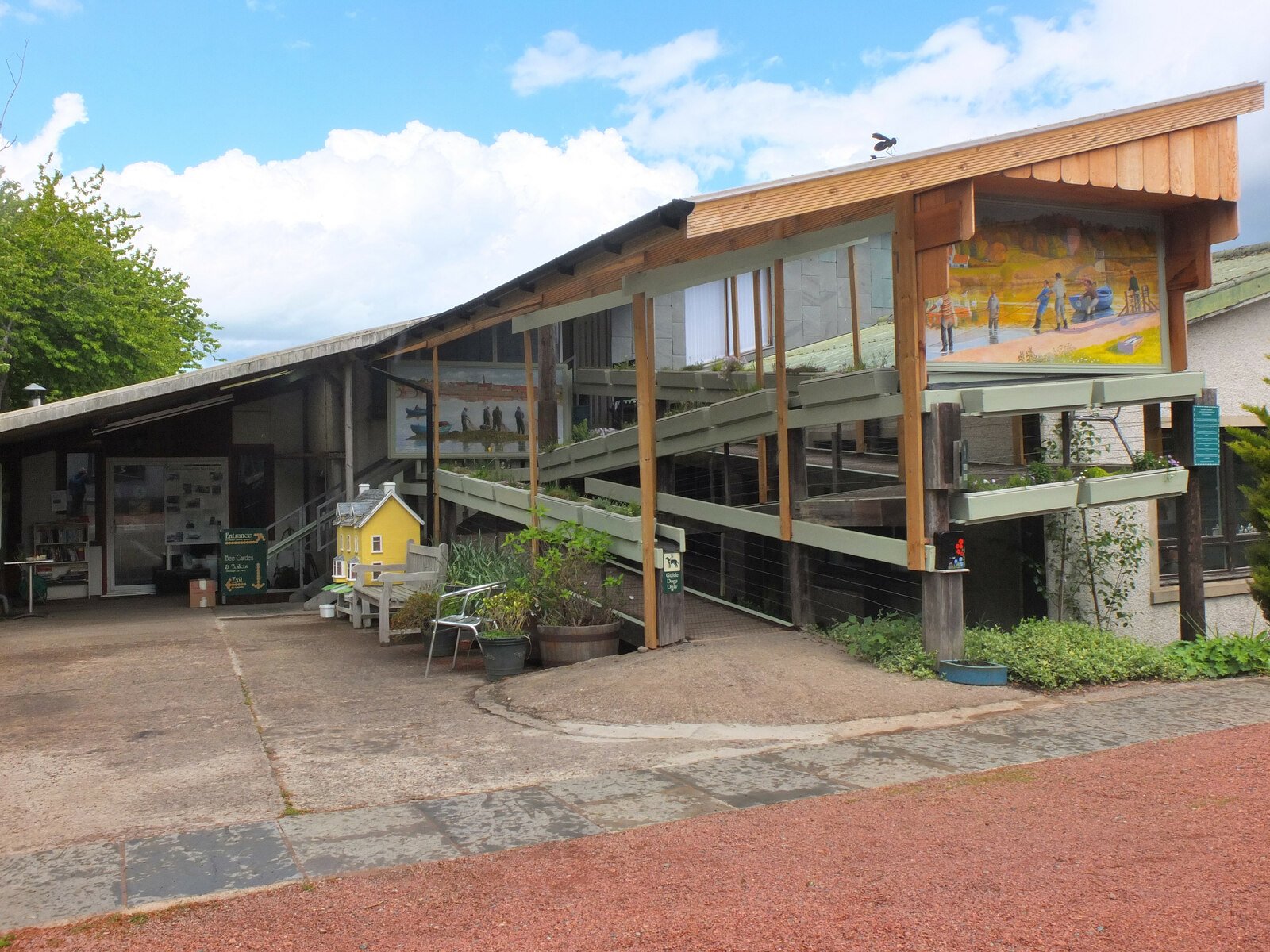
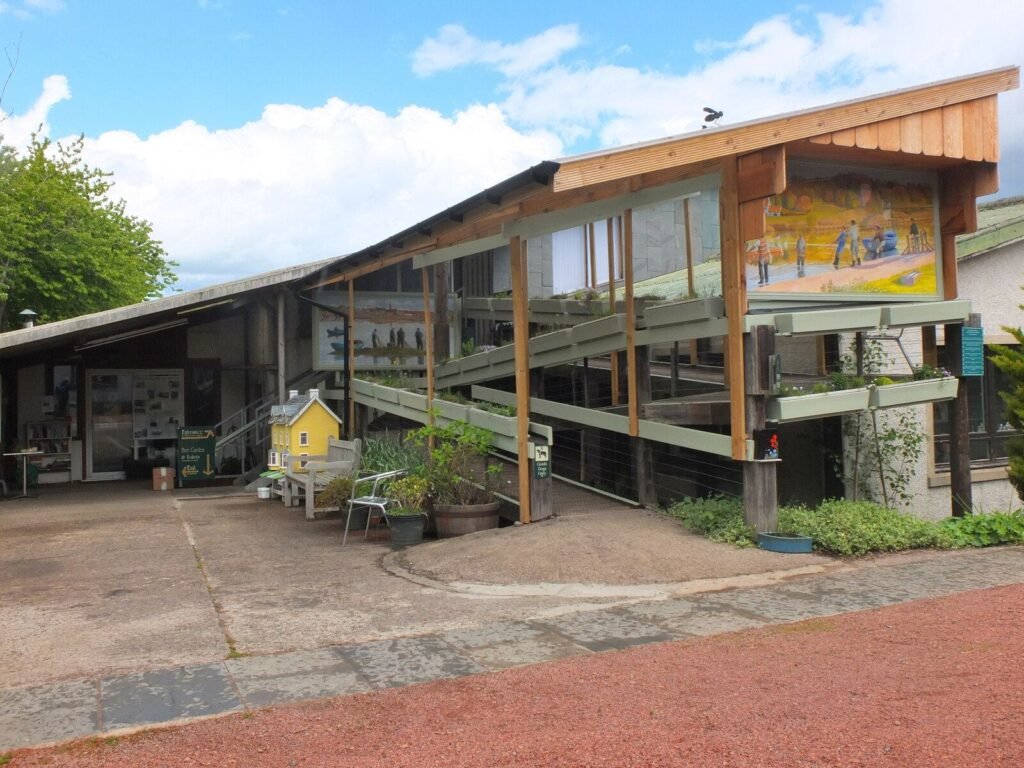
- Chain Bridge Honey Farm — Horncliffe, Northumberland, England. A genuine working apiary of more than 1,800 hives, started by William Selby Robson in 1948 and still family-run. The free visitor centre includes a beekeeping museum, a vintage vehicle collection, an observation hive with a living colony visible behind glass, and a café built inside a converted Bristol Lodekka double-decker bus. Wheelchair-accessible ramped walkways are in place throughout.
- Big Island Bees — Captain Cook, Hawaii. A family-run organic honey operation producing honey since 1972, notable for Ohi’a Lehua honey — one of the world’s rarest single-source honeys, harvested only from Ohi’a blossoms in Hawaii’s Mauna Loa forests. The on-site museum and store are free, walk-in, no-reservation; the guided beekeeping tour (roughly 90 minutes, live hive viewed from behind a screened area) requires advance booking and runs at set times Monday through Friday.
- Iron Bee Apiary — Sammamish, Washington. A family-owned apiary serving the greater Seattle area (Redmond, Bellevue, Sammamish, Issaquah) with fully hands-on apiary tours designed for families and children to safely encounter live hives, plus separate honey-tasting classes.
- Neshanic Station Apiaries — New Jersey. Suits visitors up head-to-toe and takes them directly inside a working beehive, including the chance to hold a frame covered in live bees under supervision — a genuinely hands-on option rather than a behind-glass visit.
This is a deliberately short, verified list rather than a padded one. Dozens of other small, real apiaries around the world offer similar experiences but weren’t independently confirmed for this article — which is exactly why the next section matters.
How to Find a Real, Legitimate Apiary Tour Near You
Most regions with active beekeeping have at least one farm offering some form of visitor experience, even if it never shows up on a generic “best bee farms” listicle. A few reliable ways to find one that’s actually real and currently operating:
- Search your regional beekeepers’ association’s own directory rather than a general travel-blog list — state and national beekeeping associations often maintain member-farm directories, and a listed member is far more likely to be a real, currently active operation than an anonymous “top 10” article.
- Check the farm’s own website or social media for a recent post before planning around it — a apiary tour page with no updates in several years, dead booking links, or no current-season pricing is a strong sign the offering may no longer be active.
- Look for farms already selling at your local farmers market and ask directly whether they offer tours — many small operations that do apiary visits don’t advertise it widely online at all.
- Use a booking platform’s reviews, not just its listing — a tour listed on a platform like Viator or Tripadvisor with recent (not years-old) reviews mentioning specific, current details is a good current-operation signal.
What to Check Before You Book
A few practical questions are worth resolving before you commit a travel day to any apiary visit:
- Is this a hands-on tour or a behind-glass observation visit? Confirm which one you’re booking — the two experiences are very different, and marketing copy doesn’t always make the distinction obvious.
- What’s the policy for guests with a known bee-sting allergy? A responsible operation will have a clear answer, not a vague reassurance. If anyone in your group carries an EpiPen for insect-sting anaphylaxis, get specifics before booking a hands-on hive-opening experience specifically.
- Is protective gear provided, and in what sizes? Family-oriented farms usually stock child-sized veils and suits, but it’s worth confirming for younger children.
- What happens in bad weather? Bees are far less active — and hive inspections far less advisable — in cold, wet, or high-wind conditions, so many outdoor apiary tours have a real weather-cancellation or reschedule policy worth knowing in advance.
- Is the visit seasonal? Some observation hives and live-bee experiences are only viewable in warmer months when the colony is actively foraging — Slovenia’s Museum of Apiculture in Radovljica, for example, only displays a living bee colony in its observation hive from May to October.
Frequently Asked Questions
Do I need beekeeping experience to visit a bee farm?
No. Every farm covered here, and the vast majority of visitor-oriented apiaries generally, are designed for complete beginners — that’s the entire point of a visitor-centre or guided-tour format.
Is it safe to visit a working apiary if I’ve never been near bees before?
Reputable tour operations manage risk carefully: observation-hive visits keep you behind glass entirely, and guided or hands-on tours provide protective gear and keep group sizes small with an experienced beekeeper present. The real risk factor is an undisclosed bee-sting allergy, which is why confirming the farm’s allergy policy before booking matters more than general nervousness about bees.
What’s the difference between a bee farm tour and just visiting a honey shop?
A honey shop or roadside stand sells product with no live-hive component at all. A genuine bee farm tour — whether a free walk-in visitor centre or a booked hands-on experience — involves actually seeing a working apiary and, in most cases, a real live colony, not just purchasing the finished honey.
Can young children go on an apiary tour?
Many farms, including Iron Bee Apiary and Chain Bridge Honey Farm, specifically design their visitor experience for families with children, though a hands-on hive-opening tour is a different commitment than a behind-glass museum visit — check the specific farm’s minimum age policy if traveling with young kids.
How do I know if a “bee farm tour” I found online is actually still operating?
Check for a current-season booking calendar or recent reviews mentioning specific up-to-date details, look for a recently updated social media presence, and when in doubt, contact the farm directly before building travel plans around it — a listing appearing in a search result is not proof an offering is still active.
For additional context, see American Beekeeping Federation.