In 2008, a Toronto hotel put three honeybee colonies on its roof to pollinate its own garden — and accidentally started a trend that’s since spread to luxury hotel rooftops across multiple continents, turning honey harvested a few floors above the lobby into a genuine amenity rather than a gimmick. The Fairmont Royal York’s rooftop apiary is now widely credited as the first hotel beekeeping program in the world, and more than fifteen years later it’s grown into one of the more unusual, and better-documented, corners of the hospitality industry’s sustainability efforts.
Key Takeaways
- The Fairmont Royal York in Toronto introduced the world’s first known hotel rooftop apiary in 2008, when then-Executive Chef David Garcelon and colleague Melanie Coates added three queen bees and their colonies to pollinate the hotel’s existing rooftop garden.
- That single colony has grown into seven hives housing roughly half a million bees at peak season, tended by the Toronto Beekeepers Collective and Melanie Coates, producing an average of 400 to 450 pounds of award-winning honey a year.
- Fairmont expanded the idea sitewide under its formal Bee Sustainable program, which now spans more than 20 honeybee apiaries and over 20 additional wild-pollinator “bee hotels” across its properties worldwide, from Vancouver and Whistler to Mexico, where Fairmont Mayakoba keeps native stingless Melipona bees instead of honeybees.
- Rooftop-harvested honey isn’t a novelty display item at these properties — it’s actively used in-house, appearing in cocktails, pastries, afternoon tea service, ice cream, salad dressings, and even hotel-branded beer and gin collaborations.
- Other major hospitality brands have since added their own rooftop apiaries, including Marriott, InterContinental, Jumeirah, and the 73-property Relais & Châteaux network across Japan, New Zealand, Chile, France, and the U.S. — following the same basic model Fairmont pioneered.
Table of Contents
- How a Toronto Rooftop Started It All
- Inside the Fairmont Royal York’s Apiary Today
- From One Rooftop to a Global Program
- Beyond Fairmont: Who Else Is Doing This
- Why Hotels, Specifically, Keep Doing This
- Frequently Asked Questions
How a Toronto Rooftop Started It All
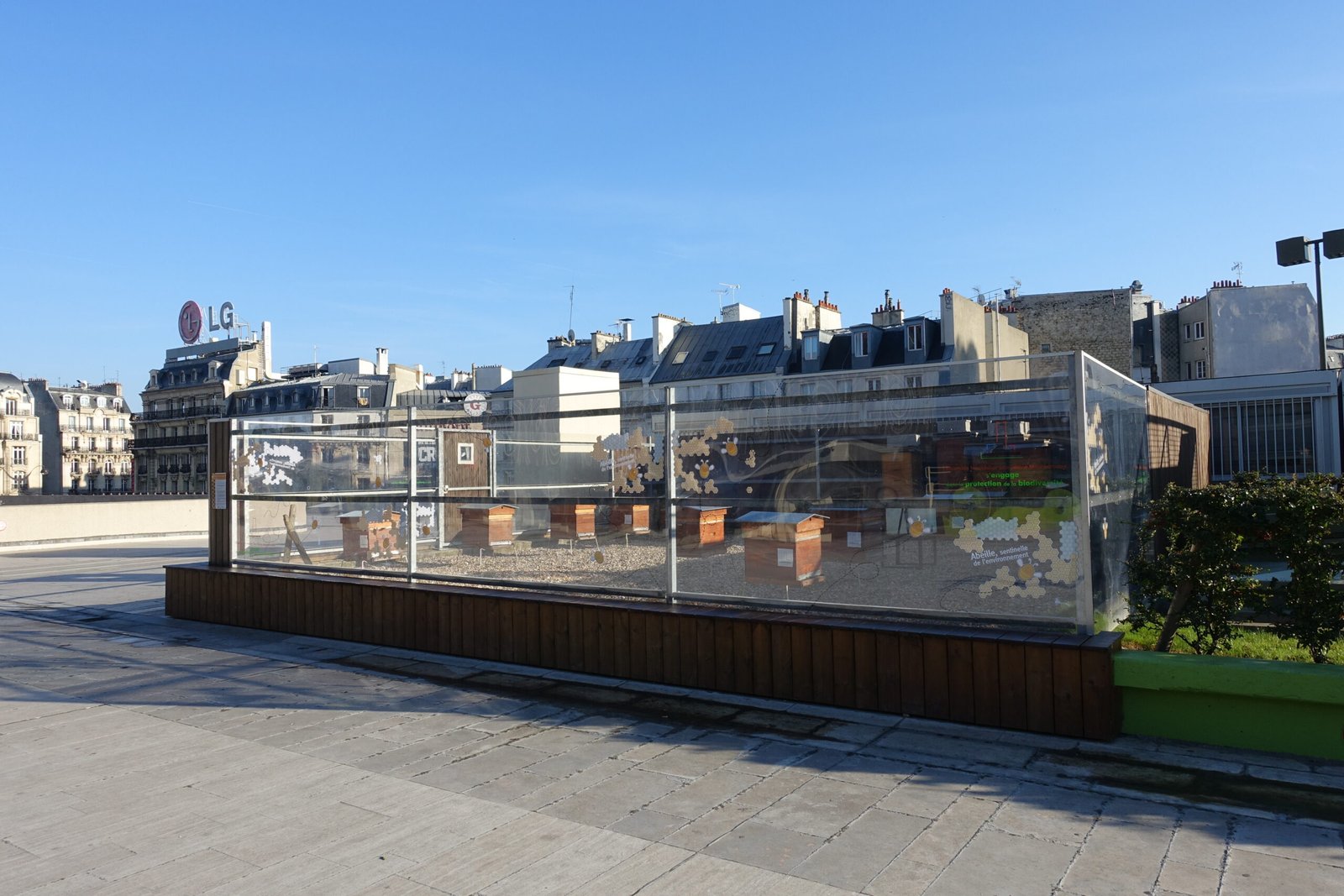
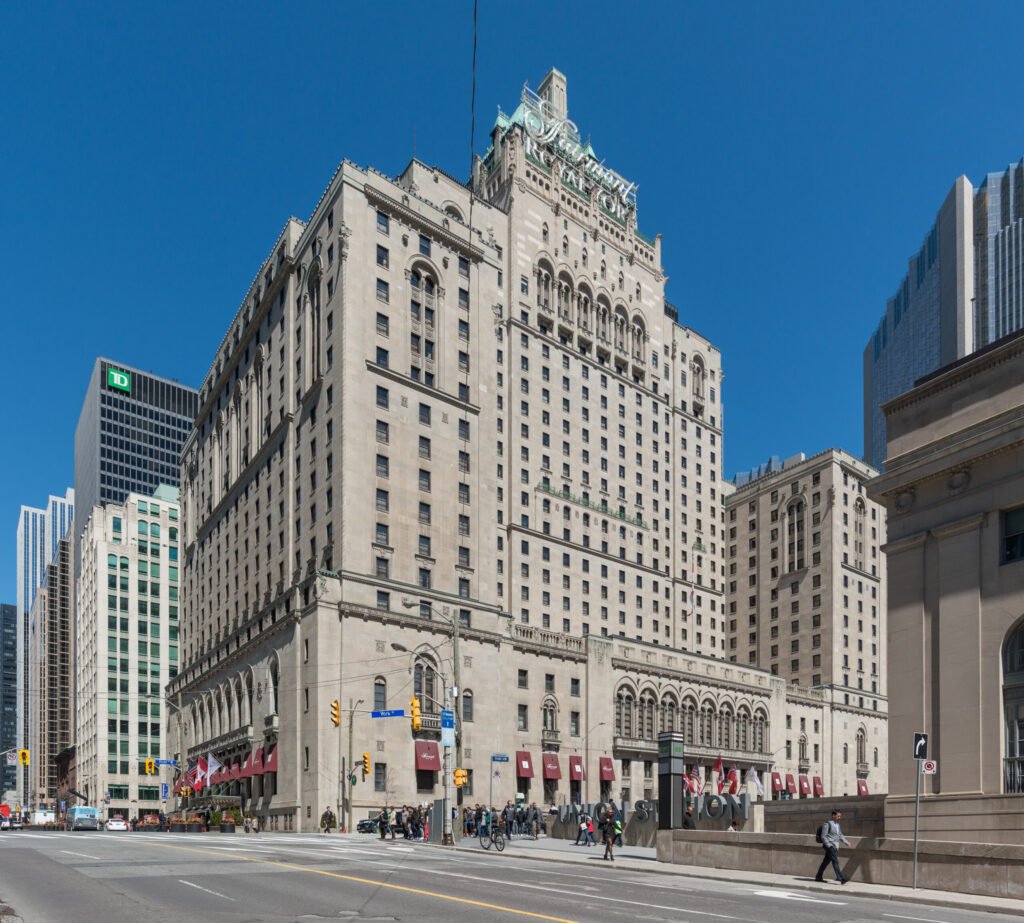
The Fairmont Royal York in downtown Toronto already had one distinction long before the bees arrived: it was one of the first hotels in the world to build its own rooftop garden. In June 2008, the hotel’s then-Executive Chef, David Garcelon, working alongside colleague Melanie Coates, added three queen bees and their colonies to that same rooftop specifically to pollinate the garden’s plants more effectively — a practical horticultural fix rather than a planned publicity move. Together, they became the first team in the world to install an apiary on a city-center hotel roof, a genuinely small decision that ended up setting the template an entire segment of the hospitality industry would later follow.
Inside the Fairmont Royal York’s Apiary Today
Well over a decade on, that original rooftop experiment has scaled considerably. The Royal York’s apiary now runs seven hives — each with its own name, like the Honeymoon Suite and the Royal Sweet — home to roughly half a million bees and seven queens during peak season, maintained in partnership with the Toronto Beekeepers Collective and Melanie Coates, who has stayed involved with the program since its founding. Each September’s harvest has pulled roughly 2,100 frames of honeycomb from the seven hives, producing an average of 400 to 450 pounds of honey annually — honey that has gone on to win awards at Toronto’s Royal Winter Fair for more than five years running. Today the hotel’s Apiary Team is led by Executive Sous Chef Andrew Wilson, continuing the kitchen-driven approach Garcelon started.
None of that honey sits in a display case. The hotel’s culinary team uses it directly across its menus — worked into cocktails, pastries, and the hotel’s afternoon tea service — which is the detail that separates a genuine working apiary program from a rooftop hive kept purely for optics. The bees are doing a job the hotel’s kitchen actually depends on, not just posing for sustainability marketing.
From One Rooftop to a Global Program
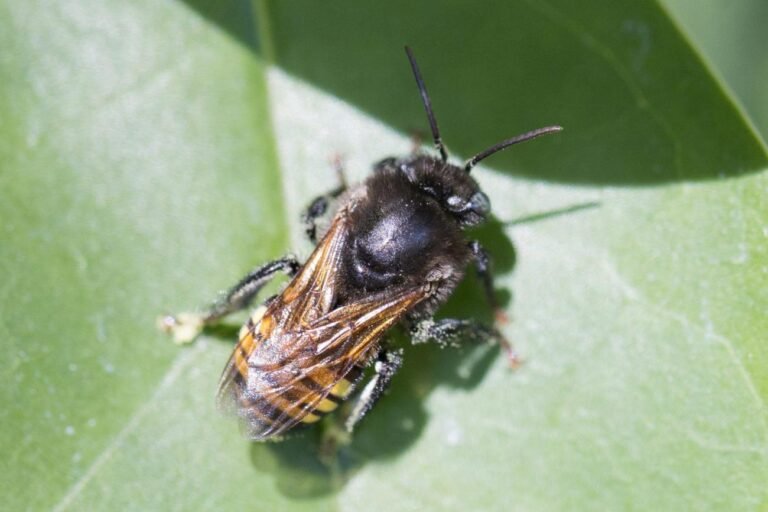
Fairmont formalized the idea across its full portfolio of properties in direct response to growing public awareness of Colony Collapse Disorder, under what it calls the Bee Sustainable program. The program deliberately went beyond managed honeybees from the start, adding wild pollinator “bee hotels” — small nesting structures for solitary mason bees and other native species — alongside the honeybee apiaries; sixteen of these bee hotels have gone up in cities across Canada alone, from Quebec City and Ottawa to Winnipeg, Edmonton, and Vancouver. Today, Fairmont’s Bee Sustainable program spans more than 20 honeybee apiaries and over 20 wild-pollinator bee hotels across its hotels worldwide.
The Fairmont Waterfront in Vancouver has become something of a flagship for the program, harvesting roughly 600 pounds of honey a year from its rooftop herb garden and terrace — some of which has been distilled into hotel-branded gin and craft beer in partnership with a local distillery, and some of which the hotel sources through the local nonprofit Hives for Humanity to expand what it can offer without expanding the rooftop colonies themselves.
“As we learned how integral bees are to our food supply and of their declining populations, we knew we had to do whatever we could to educate people on their importance and what we can do as individuals to help protect the species.” — Kristyna Vogel, Marketing and PR Director, Fairmont Waterfront, quoted by Fortune, November 2019
The idea has also traveled well beyond temperate climates: Fairmont Mayakoba on Mexico’s Riviera Maya keeps a colony of native, stingless Melipona bees in a traditional hollowed-log hive rather than a standard Langstroth box, with the honey used in the resort’s own spa treatments rather than its kitchens — a genuinely different model built around a species and a Maya beekeeping tradition specific to the region, not just a copy-pasted version of the Toronto program.
Beyond Fairmont: Who Else Is Doing This
The model has since spread well beyond Fairmont’s own properties. The New York Marriott at the Brooklyn Bridge keeps two hives that produce roughly 90 gallons of honey a year and hosts guest receptions in a viewing area built around the hives themselves. InterContinental’s Barclay property in midtown Manhattan runs its own rooftop hives, and Jumeirah Frankfurt in Germany maintains four rooftop colonies. Relais & Châteaux, a global network of independently owned luxury properties, has taken the idea furthest in terms of sheer scale, with bee programs now reported across 73 properties spanning Japan, New Zealand, Chile, France, and the United States.
| Property | Location | Scale | What the honey/program is used for |
|---|---|---|---|
| Fairmont Royal York | Toronto, Canada | 7 hives, ~500,000 bees, 400-450 lbs honey/year | Cocktails, pastries, afternoon tea |
| Fairmont Waterfront | Vancouver, Canada | ~600 lbs honey/year | House-made gin, craft beer, in-house dining |
| Fairmont Mayakoba | Riviera Maya, Mexico | Native stingless Melipona bees, traditional log hive | Spa treatments |
| New York Marriott at the Brooklyn Bridge | New York, USA | 2 hives, ~90 gallons honey/year | Guest receptions, in-house use |
| Relais & Châteaux network | Japan, New Zealand, Chile, France, USA | 73 properties with bee programs | Varies by property |
The industry’s own framing of why this matters lines up closely with what the Royal York started doing by instinct in 2008.
“It is critical that the habitats bees thrive in are restored.” — Philippe Gombert, President, Relais & Châteaux, quoted by Fortune, November 2019
Why Hotels, Specifically, Keep Doing This
Hotels are an unusually good fit for rooftop beekeeping for reasons that have less to do with bees than with real estate. Large hotels routinely have significant flat rooftop space that would otherwise sit unused, on-site landscaping and gardens the bees can pollinate directly, an in-house kitchen that can absorb and market a genuinely local ingredient, and — increasingly — a guest base that responds well to a visible, concrete sustainability initiative rather than an abstract corporate pledge. A rooftop hive checks all four of those boxes at once, which is a large part of why the idea has kept spreading through the industry rather than staying a one-hotel novelty.
It’s also a lower-commitment sustainability move than it might first appear: a hotel doesn’t need in-house beekeeping expertise, since properties like the Royal York and Waterfront work with independent local beekeeping organizations rather than training hotel staff to manage hives themselves — which is part of why the model has been replicable across dozens of properties with very different staff and climates. The same underlying logic shows up in airport apiaries, another large-property, unused-land pollinator program covered elsewhere on this site, and it’s part of why a growing number of businesses and homeowners now access managed hives through “adopt a hive” hosting services rather than beekeeping in-house.
Frequently Asked Questions
Was the Fairmont Royal York really the first hotel with rooftop bees?
It’s widely credited as the first, having introduced its rooftop apiary in June 2008 to pollinate the hotel’s existing rooftop garden, ahead of the broader hospitality-industry trend that followed.
Do hotels actually use the honey their rooftop bees produce?
Yes, at properties like the Fairmont Royal York and Fairmont Waterfront, the honey is used directly in hotel restaurants and bars — in pastries, cocktails, afternoon tea, ice cream, and even distilled spirits — rather than being purely decorative.
Do hotel staff manage the beehives themselves?
Generally no. Most hotel apiary programs, including the Royal York’s, partner with independent local beekeeping organizations or professional urban beekeepers, like the Toronto Beekeepers Collective, to manage the colonies rather than training hotel employees as beekeepers.
Is rooftop hotel beekeeping just for honey production, or does it help pollinators broadly?
Both. Programs like Fairmont’s Bee Sustainable pair managed honeybee apiaries with separate “bee hotel” structures built specifically for wild solitary pollinators like mason bees, which don’t produce honey but are important pollinators in their own right.
Which hotel chains besides Fairmont have rooftop bee programs?
Marriott, InterContinental Hotels Group, Jumeirah, and the independently-owned Relais & Châteaux network (across 73 properties in five countries) all run comparable rooftop or on-site apiary programs, generally following the same basic model of local beekeeping partnerships and in-house honey use.