Last Updated September 15, 2026
Real, currently open bee and honey museums exist on at least three continents — from a centuries-old apiculture museum in a Slovenian manor house to a free Wisconsin museum built around a 19th-century honey company — and each one named here was independently confirmed as real and currently operating, not assumed from a vague memory of “there’s a bee museum somewhere in Europe.” Here’s the shortlist worth actually planning around, plus what distinguishes a genuine dedicated museum from a farm’s small on-site display case.
Key Takeaways
- The Museum of Apiculture in Radovljica, Slovenia, opened in 1959 inside a historic manor house and remains unique in Europe for the scope of its collection, including the country’s famous painted beehive front panels.
- Honey Acres in Wisconsin operates a free, self-guided museum built around a honey company history dating back to 1852, with hands-on exhibits and a real observation hive.
- Big Island Bees in Hawaii runs a free walk-in museum alongside its working apiary, with no reservation required for the museum and store specifically.
- Slovenia’s beekeeping tradition — including its painted beehive panels and apitherapy practices — was formally inscribed on UNESCO’s Representative List of the Intangible Cultural Heritage of Humanity in 2022, which is a genuinely rare level of institutional recognition for a beekeeping tradition.
- Always check a museum’s specific seasonal hours before traveling — several of the museums covered here vary opening days or live-hive viewing by month.
Table of Contents
- Verified, Currently Open Bee and Honey Museums
- A Dedicated Museum vs. a Farm’s Display Case
- Planning a Museum Visit
- More Bee and Honey Museums Worth Knowing About
- Frequently Asked Questions
Verified, Currently Open Bee and Honey Museums
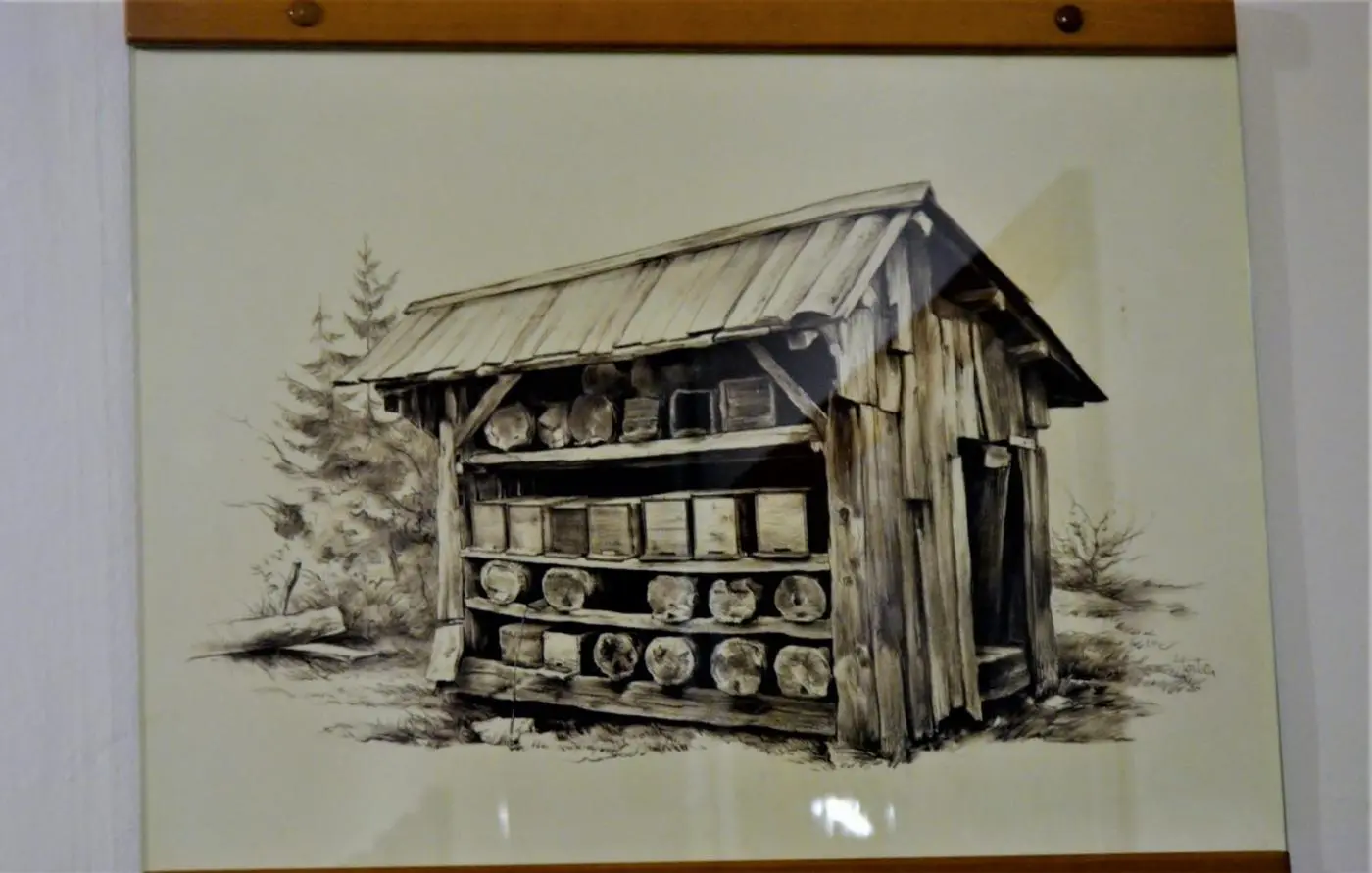
- Museum of Apiculture — Radovljica, Slovenia. Opened in 1959 inside Radovljica Manor and still described as unique in Slovenia and Europe for its scope. The collection includes historic hives, beekeeping tools, and Slovenia’s distinctive painted beehive front panels — a genuine folk-art tradition unto itself. Adult admission runs a few euros, and a living Carniolan grey bee colony is viewable in the observation hive from May through October specifically; the museum is closed Mondays with hours varying by month.
- Honey Acres — Ashippun, Wisconsin, USA. A free, self-guided museum tracing a honey company’s history back to 1852, with hands-on exhibits, historical artifacts, a short explanatory film, and a real observation hive letting visitors see inside a working colony.
- Big Island Bees Museum — Captain Cook, Hawaii, USA. A free, walk-in (no reservation needed) museum covering beekeeping history and tools, attached to a working organic apiary that has operated since 1972, with a live interior demonstration hive on display.
“In Slovenia, beekeeping is a way of life for many individuals, families and communities, who obtain bee products for food and traditional medicine.”
— UNESCO, Representative List of the Intangible Cultural Heritage of Humanity, on the 2022 inscription of “Beekeeping in Slovenia, a way of life”
Beyond these three, smaller dedicated collections exist elsewhere — including a Bee Museum in San Miguel, California, and the Honeybee Discovery Center in Orland, California — worth checking directly for current hours if you’re specifically in those regions, since smaller independent museums can have more limited or seasonal opening schedules than the larger institutions above.
A Dedicated Museum vs. a Farm’s Display Case
It’s worth distinguishing between a genuine dedicated museum — with a formal collection, historical curation, and typically a standalone admission or free-entry policy — and a working farm’s small on-site display of antique tools next to its gift shop. Both are worthwhile, but they’re different experiences: a dedicated museum like Radovljica’s is built around historical and cultural preservation first, with beekeeping as an ongoing commercial activity being secondary or absent, while a farm museum like the ones at Big Island Bees or Honey Acres is explicitly built around and alongside an active honey business. Neither is “better” — a dedicated museum generally offers deeper historical context and curation, while a working-farm museum lets you pair the history with an actual current apiary tour and honey purchase in the same visit.
Planning a Museum Visit
A few things worth checking before traveling specifically for a bee or honey museum:
- Seasonal hours and live-hive viewing windows — as with Radovljica’s museum, a live colony may only be viewable certain months, even though the museum building itself is open year-round.
- Closed days — several museums in this category, again including Radovljica, close on a specific weekday.
- Whether it’s paired with a working farm — if it is, check whether the farm’s separate guided apiary tour (as opposed to the free museum) requires its own advance booking.
- Language — for museums outside English-speaking countries, confirm whether exhibits or guided information are available in your language before traveling specifically for the exhibits’ content rather than the building and artifacts alone.
More Bee and Honey Museums Worth Knowing About
Beyond the three flagship museums above, several smaller, independently verified museums and galleries are worth knowing about — including one recent addition and the first Asia-based entry on this list:
| Museum | Location | Established | Admission | Notable Feature |
|---|---|---|---|---|
| Malacca Bee Gallery (formerly World’s Bees Museum) | Ayer Keroh, Melaka, Malaysia | 2013 | Free | ~250 bee hive and hornet nest specimens; operated by Giant B, Malaysia’s largest honey producer |
| “More Than Just Honey, Honey” | Burbank, California | Opened February 2026 | Free (donor/gift-shop supported) | Micro-museum built as a UC Davis Master Beekeeper capstone project; 3D bee models and a food-security gallery |
| Honeybee Discovery Center | Orland, California | — | Contact center directly | Volunteer-run, limited open hours (Friday and Saturday only as of this writing) |
| California Lavender Honey Farm Bee Museum | San Miguel, California | — | Contact farm directly | Paired with a working lavender and honey farm; hands-on activities |
The Malacca Bee Gallery is a genuinely useful addition if you’re planning travel in Southeast Asia specifically, since the three flagship museums above are otherwise concentrated in Europe and the U.S. mainland/Hawaii. The Burbank micro-museum is worth flagging precisely because it’s new: it opened in February 2026 as the capstone project of a UC Davis Master Beekeeper certification, and unlike the larger institutions above, it’s built inside a working boutique rather than a standalone building — call ahead before a special trip, since a young, donor-supported space like this can have hours that shift more than an established museum’s.
One practical pattern across all seven museums in this guide: the free ones (Honey Acres, Big Island Bees, Malacca Bee Gallery, and the Burbank micro-museum) are all directly tied to either an active honey business or volunteer/community funding rather than ticket revenue, while the only paid admission on this list — Radovljica’s Museum of Apiculture — is a government-supported cultural institution charging a nominal fee typical of European regional museums generally, not a profit-driven attraction. That distinction is a reasonable proxy for what kind of experience to expect: the free, farm-attached museums tend to be smaller and paired with a shop or tour, while Radovljica offers the deepest standalone historical collection of the group.
Frequently Asked Questions
Is the Museum of Apiculture in Radovljica worth visiting if I’m not a beekeeper?
Yes — its collection, including Slovenia’s distinctive painted beehive front panels, is a genuine folk-art and cultural history exhibit as much as a beekeeping-specific one, and Slovenia’s beekeeping tradition carries UNESCO Intangible Cultural Heritage recognition specifically because of this broader cultural significance.
Are bee museums usually free?
It varies. Honey Acres in Wisconsin and the Big Island Bees museum in Hawaii are both free, while the Museum of Apiculture in Radovljica charges a small standard admission fee.
Can I see live bees at these museums?
Most of the museums covered here include a real observation hive with a living colony, though viewing windows can be seasonal — Radovljica’s, for example, is only stocked with a viewable live colony from May to October.
What’s the difference between visiting a bee museum and a bee farm tour?
A dedicated museum focuses on historical artifacts, cultural context, and curated exhibits, often without an active commercial apiary attached. A farm tour is centered on an actual working apiary and current beekeeping practice, sometimes with a small museum component included. This site’s separate guide on what a real apiary tour includes covers the farm-tour side specifically.
Why does Slovenia have such a strong beekeeping museum tradition?
Slovenia has an unusually deep, formally recognized beekeeping heritage — including its distinctive painted beehive panels, the origin of World Bee Day (tied to 18th-century Slovenian beekeeper Anton Janša), and a 2022 UNESCO Intangible Cultural Heritage inscription for its beekeeping practices as a whole.
More detail on this is available from Culture.si (Slovenian Ministry of Culture portal).