Table of Contents
- What Honey Soap Is
- Why Honey Makes Soap-Making Trickier Than It Sounds
- The “Soap Volcano”: A Real Risk, Not an Exaggeration
- Cold Process Honey Soap
- Cold Process: How Much Honey to Use
- Cold Process: When You Add Honey Changes the Color
- Melt-and-Pour Honey Soap
- Melt-and-Pour: How Much Honey to Use
- Which Method Should You Use
- Curing and Storage
- Adding Beeswax Too
- Selling Honey Soap
- Troubleshooting a Batch That Overheated
- Testing Your Own Ratio First
- Does the Type of Honey Matter?
- Common Mistakes
- FAQ
What Honey Soap Is
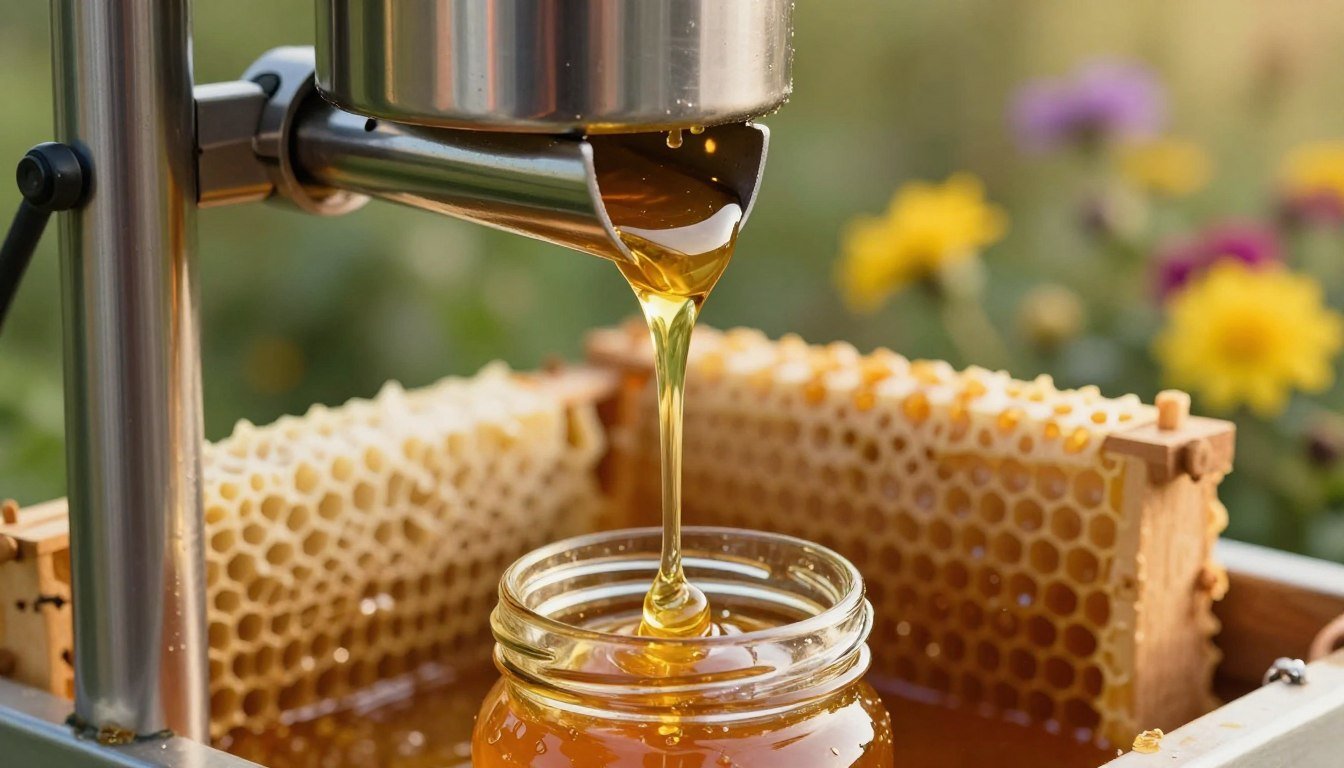
Honey soap is handmade soap made either from scratch through cold process saponification or built on a pre-made melt-and-pour base, with honey incorporated as a key ingredient for its moisturizing properties, mild natural fragrance, and the visual appeal it can add to the finished bar. It’s a genuinely popular product for beekeepers selling hive-derived goods, but it comes with a real technical wrinkle most soap-making guides written for a general audience don’t emphasize enough: honey behaves very differently from most other soap additives because of its sugar content.
Why Honey Makes Soap-Making Trickier Than It Sounds
Cold process soap-making is a chemical reaction (saponification, between lye and oils) that naturally generates heat on its own. Adding honey introduces extra sugar into that reaction, and sugar significantly accelerates and intensifies the heat the reaction produces — enough that honey soap batches are genuinely more prone to overheating than a typical unscented, honey-free batch. This isn’t a minor quirk; it changes several practical decisions you need to make throughout the process, from soaping temperature to how much honey is safe to add in the first place.
The “Soap Volcano”: A Real Risk, Not an Exaggeration
If a cold process batch with too much honey overheats too aggressively, it can enter an extremely hot gel phase that leads to cracking, caramelized discoloration, and in more severe cases, a genuine “soap volcano” — the batch physically erupting out of its mold as the reaction runs away with itself. This isn’t hypothetical: documented tests show that doubling a safe honey ratio (from roughly 1 teaspoon per pound to 2 teaspoons per pound) caused severe overheating even when the batch was placed in a freezer specifically to prevent it. The takeaway is straightforward — honey soap recipes aren’t a place to eyeball measurements or assume “a little more honey can’t hurt.”
Cold Process Honey Soap
Cold process soap is made from scratch, combining lye (sodium hydroxide) with oils or fats in a reaction that produces both the soap itself and heat as a byproduct. This method gives you full control over the recipe and ingredients but also carries real handling requirements (lye is caustic and requires proper safety gear) and the honey-specific overheating risk covered above, which needs active management throughout.
Cold Process: How Much Honey to Use
A widely cited safe starting point is roughly 1 teaspoon of honey per pound of soap — modest, but enough to provide real benefit without pushing the batch toward dangerous overheating. Soaping at a cooler temperature than you might for a honey-free batch, commonly cited around 100°F rather than the more typical 100-120°F range, gives the mixture more thermal headroom before honey’s added heat pushes it into problem territory. As a general rule, the more honey you’re using, the cooler your starting soaping temperature should be, and placing freshly poured honey soap in a freezer for at least a few hours (ideally overnight) is a common preventive step against overheating, though it isn’t a complete guarantee if you’ve used too much honey in the first place.
Cold Process: When You Add Honey Changes the Color
Timing honey’s addition affects the finished bar’s color, not just safety. Adding honey directly into the lye solution tends to produce a darker brown finished soap, since the honey undergoes more extensive chemical change during the reaction. Waiting until the mixture reaches a thin trace (the point where the soap batter has begun to slightly thicken) before stirring in the honey generally produces a lighter-colored result, since the honey is exposed to less of the reaction’s heat and duration. Neither approach is “wrong” — it’s a stylistic choice depending on whether you want a pale or richly dark-brown finished bar.
Melt-and-Pour Honey Soap
Melt-and-pour soap starts from a pre-made base (often a honey-specific melt-and-pour base is available, already formulated to incorporate honey well) that you simply melt down, customize, and pour into molds — no lye handling, no saponification chemistry to manage yourself, since that’s already been done in producing the base. This makes it a considerably more approachable entry point for beginners or for anyone who wants to avoid working with caustic lye directly.
Melt-and-Pour: How Much Honey to Use
Because the base soap is already fully formed, melt-and-pour honey soap actually needs less added honey than cold process — roughly half a teaspoon per pound is a commonly cited guideline, notably less than cold process’s roughly 1 teaspoon per pound. Adding too much honey to a melt-and-pour base doesn’t create an overheating risk the way cold process does, but it causes different problems: the finished bar can turn out too soft, develop excess “glycerin dew” (visible beading moisture on the surface), or the honey can separate out from the base entirely rather than incorporating smoothly. Additional oils or butters beyond what the base was formulated for can also cause the same kind of setting problems, since melt-and-pour bases are more sensitive to ingredient changes than a from-scratch cold process recipe.
Which Method Should You Use
| Cold Process | Melt-and-Pour | |
|---|---|---|
| Skill level | More advanced, requires lye handling | Beginner-friendly, no lye handling |
| Honey ratio | ~1 teaspoon per pound | ~1/2 teaspoon per pound |
| Main honey-related risk | Overheating / “soap volcano” | Softness, glycerin dew, separation |
| Curing time needed | Several weeks | Ready much sooner (already saponified) |
| Full ingredient control | Yes | Limited to what the base allows |
Curing and Storage
Cold process soap needs a genuine curing period, commonly several weeks, during which excess moisture evaporates and the bar becomes harder, milder, and longer-lasting — don’t rush a honey cold-process bar into use or sale before this curing period completes, since honey’s added moisture content can make adequate cure time even more important than usual. Melt-and-pour soap, having already gone through saponification in producing the base, doesn’t need this same curing wait and is generally ready to use much sooner after setting and cooling.
Adding Beeswax Too
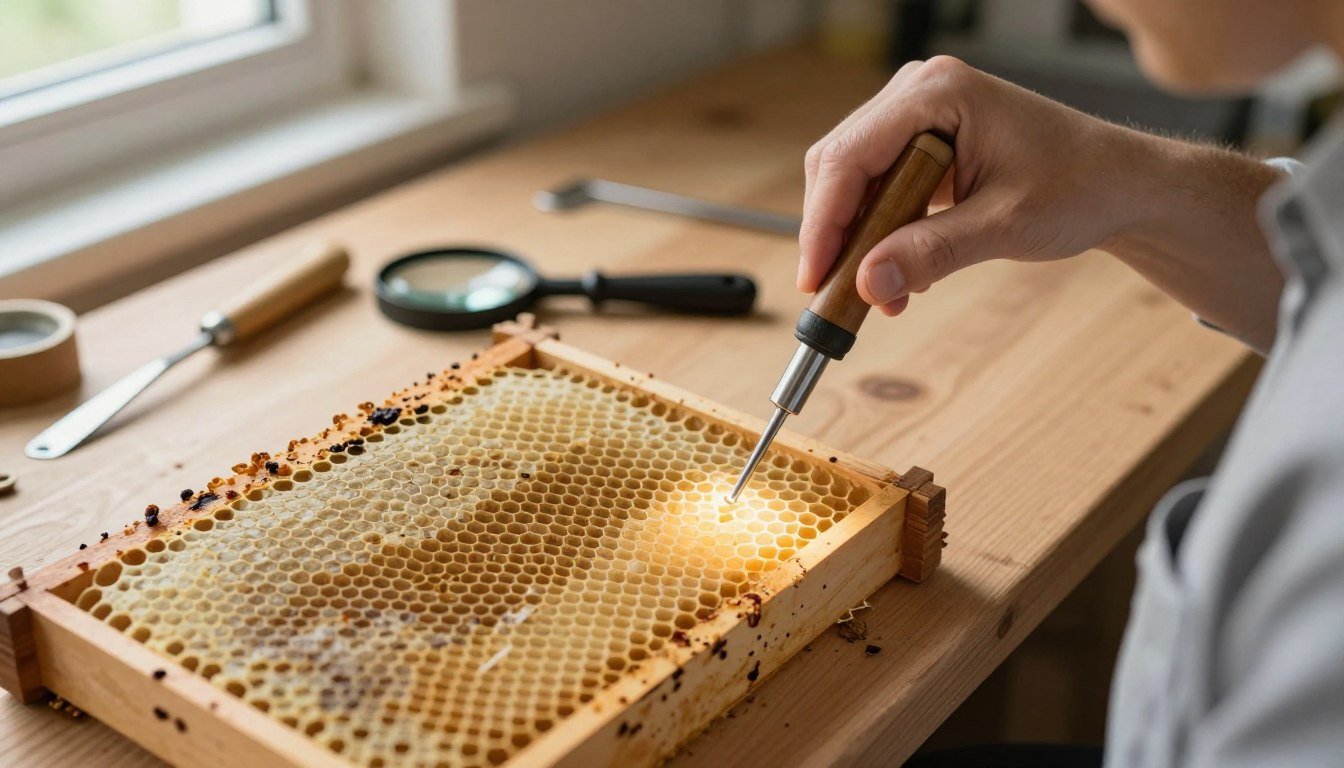
Many honey soap recipes also incorporate a small amount of beeswax, which adds hardness and a subtle natural scent alongside honey’s moisturizing properties — a natural pairing for beekeepers already producing both ingredients from the same hives. Beeswax needs to be properly melted and incorporated at the right stage of either process, and like honey, shouldn’t be added in excessive quantity without testing, since too much can affect lather and hardness in its own way, separate from honey’s overheating risk.
Selling Honey Soap
If you’re making honey soap to sell rather than just for personal or gift use, treat it as a cosmetic/bath product with its own regulatory considerations, generally distinct from the rules covering raw honey sales — labeling requirements, ingredient disclosure, and sometimes registration requirements vary by location and are worth checking with local authorities before selling any quantity commercially. See how to start selling honey legally for the broader legal groundwork worth having in place before selling any hive-derived product, recognizing that soap specifically may carry additional requirements beyond what applies to honey alone. If you’re looking for another honey-based craft product to pair with soap for a fuller product line, see how to make honey vinegar.
Troubleshooting a Batch That Overheated
If a cold process batch shows signs of overheating despite precautions — cracking on the surface, a tunnel or crater forming through the center, or noticeable caramelized darkening beyond what you intentionally added honey for — the soap is very likely still usable, just cosmetically imperfect. A batch that’s cracked or discolored from overheating hasn’t necessarily failed chemically; it can typically still be cut, cured, and used normally once it’s fully cooled and set, even if it doesn’t look as polished as a well-controlled batch. If you’re producing honey soap to sell, though, treat visibly overheated batches as personal-use or gift bars rather than attempting to sell them at full price, since customers reasonably expect a consistent, attractive finished product. Save those bars for your own use or as a low-key gift instead.
Testing Your Own Ratio Before a Full Batch
Given how much honey behavior can vary by exact honey type, soaping temperature, and specific recipe, running a small test batch at your intended honey ratio before committing to a full-size production run is genuinely worthwhile, especially the first time you try a new recipe or a higher honey percentage than you’ve used before. A small test batch that overheats tells you to scale back before you’ve invested a full batch’s worth of ingredients and time into a version of the recipe that isn’t working, and gives you a chance to dial in your specific process (temperature, timing, honey source) before committing to larger runs. Keeping brief notes on each test batch — honey amount, soaping temperature, and how it turned out — builds a genuinely useful personal reference for future batches rather than relying on memory alone.
Common Mistakes
| Mistake | Why it matters |
|---|---|
| Using more than about 1 tsp honey per pound in cold process | Meaningfully raises overheating risk — documented cases show even double this amount causing severe problems |
| Soaping at standard (not reduced) temperature when using honey | Removes the thermal headroom that helps prevent honey’s added heat from causing overheating |
| Using cold-process honey ratios in a melt-and-pour recipe | Melt-and-pour needs less honey — using cold-process amounts risks softness, glycerin dew, and separation |
| Rushing cold-process honey soap into sale before curing completes | Honey’s added moisture makes adequate cure time even more important for a proper final bar |
Does the Type of Honey Matter?
Any honey can technically be used in soap-making, and as with other honey-based craft products covered elsewhere on this site, this is a genuinely practical use for honey that isn’t premium table quality — crystallized or off-flavor honey works just as well in soap, since the soap-making process and any added fragrance will dominate the final scent regardless of the honey’s original flavor profile. Darker, more robust honey varieties tend to contribute a bit more visible color and a slightly stronger natural scent to the finished bar than very light, mild honey does, which is worth keeping in mind if you’re aiming for a specific finished appearance or want the honey’s character to come through more noticeably in the final product. Testing a couple of different honey sources in small batches before settling on one for a full production run lets you compare these differences directly rather than guessing.
Sources
Honey ratios, temperature guidance, and the overheating/”soap volcano” mechanism reflect published, tested soap-making guidance from established soap-crafting educational resources, consistent with widely documented cold process and melt-and-pour honey soap technique. See the National Honey Board’s honey varietal guide for additional authoritative detail.
FAQ
How much honey should I add to cold process soap?
A widely cited safe amount is roughly 1 teaspoon per pound of soap. More than this significantly increases overheating risk, including the possibility of a “soap volcano.”
What is a “soap volcano”?
An extreme overheating reaction in cold process soap, caused by excess sugar (from too much honey) intensifying the natural heat of saponification, that can cause the batch to crack, discolor, or physically erupt from its mold.
Does melt-and-pour honey soap have the same overheating risk?
No — melt-and-pour soap has already been saponified, so it doesn’t overheat the way cold process does. Too much honey there instead causes softness, glycerin dew, or separation from the base.
Does when I add honey to cold process soap matter?
Yes for color — adding honey to the lye solution produces a darker brown bar, while adding it at trace produces a lighter result. Both are safe as long as the overall honey quantity stays within safe limits.