Last Updated September 22, 2026
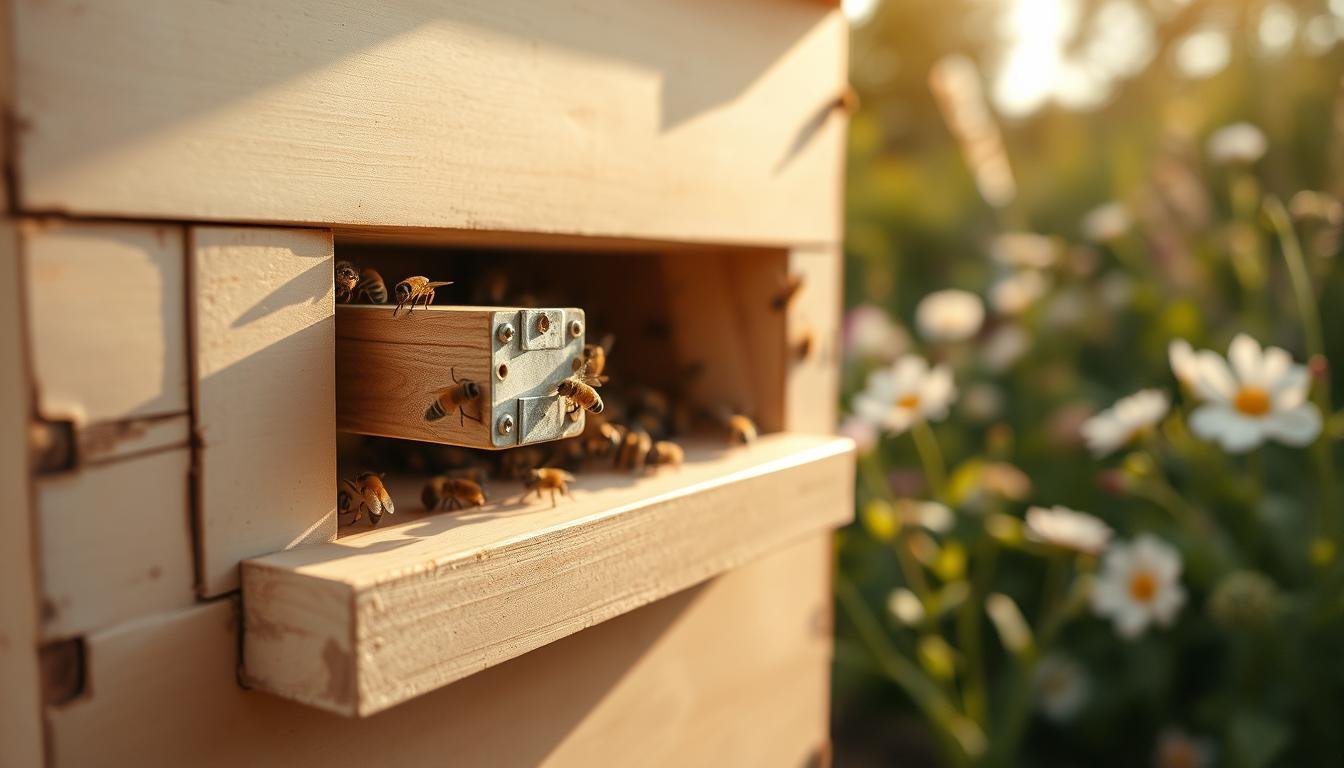
Protecting the hive entrance keeps a colony safe through cold months. Proper entrance protection prevents rodents from entering and damaging frames and comb. A durable entrance reducer or metal screen preserves airflow while blocking pests.
Mann Lake offers a 3.2-ounce stainless steel option that fits standard 10-frame setups. Many beekeepers prefer stainless steel designs because they resist weather better than plastic. A well-installed reducer lets bees exit and defend the bee hive without letting in unwanted visitors.
Choosing the right reducer requires checking frame metal compatibility and fit. For a quick starter solution, see a full entrance reducer included in common kits at starter kit resources. For a ready-made screened option, consider the Langstroth-specific product available at Langstroth Hive Mouse Guard.
Key Takeaways
- Entrance protection is essential for winter hive health.
- Stainless steel reducers offer superior durability outdoors.
- Proper fit to the frame ensures bee access and rodent exclusion.
- Install reducers in fall before cold clusters form.
- Entrance reducers also help manage airflow and robbing risk.
Table of Contents
- Why Your Apiary Needs Protection Against Rodents
- When to Put a Mouse Guard On (and Take It Off)
- Evaluating Materials for the Best Mouse Guard for Langstroth Hives
- Making Your Own Guard from Hardware Cloth
- Understanding Hive Compatibility and Sizing Requirements
- Check for Residents Before You Seal the Entrance
- Installation Techniques for a Secure Fit
- Balancing Airflow and Pest Prevention
- Seasonal Maintenance and Inspection Routines
- Natural Alternatives for Rodent Deterrence
- Final Thoughts on Protecting Your Bee Colony
- FAQ
Why Your Apiary Needs Protection Against Rodents
Winter drives rodents to seek warm cavities, and a hive can look like an inviting home for them.
Mice and other small pests will chew and burrow into comb. They quickly destroy a single frame, eat honey stores, and stress the colony. One rodent inside a hive can trigger worker bees to abandon brood or fight through the winter.
Rodents are persistent. They exploit any gap at the entrance and force their way into protected spaces. To keep rodents out, install a secure metal barrier that preserves airflow while blocking access.
Key reasons to protect your apiary:
- Prevent comb damage and lost honey reserves.
- Reduce stress on bees so colonies stay healthy.
- Protect investment with durable steel or metal solutions.
- Maintain normal clustering behavior and brood development.
Professional keepers treat entrance protection as routine before the first frost. For a practical overview and considerations, see this guide on beehive mouse guards — the pros and.
When to Put a Mouse Guard On (and Take It Off)
Install the guard in early September in most northern regions, as cool evenings send mice looking for nesting sites, and certainly before the first hard frost. Once the colony has clustered for winter, bees can no longer patrol the entrance and a mouse that slips in will stay all season, chewing comb and nesting in the frames.
Monitor boxes through fall. If installation is delayed and a mouse is already inside, sealing the entrance traps it and multiplies the damage to wood, honey, and brood. Metal screens also help deter skunks, which claw at the entrance to draw bees out as prey; a raised stand and a reduced opening are the usual defenses.
| Timing | Benefit | Recommended Equipment |
|---|---|---|
| Early September | Prevents mice entering; protects stores | Metal or plastic guard or entrance reducer |
| Before first frost | Reduces the risk of trapping an intruder inside | Fitted guard, secured to the bottom board |
| Throughout fall and winter | Maintains colony health and airflow | Regular checks, tightened fasteners |
| Spring, once foraging resumes | Restores full traffic for the growing colony | Remove guard; store for next season |
Remove the guard once spring warmth returns and foraging traffic picks up, so returning foragers and drones are not bottlenecked at the entrance.
Evaluating Materials for the Best Mouse Guard for Langstroth Hives
Choosing the right material matters when you want a lasting entrance barrier that still lets bees come and go. Start by weighing durability, weather resistance, and how the piece affects normal colony traffic.
Stainless Steel Durability
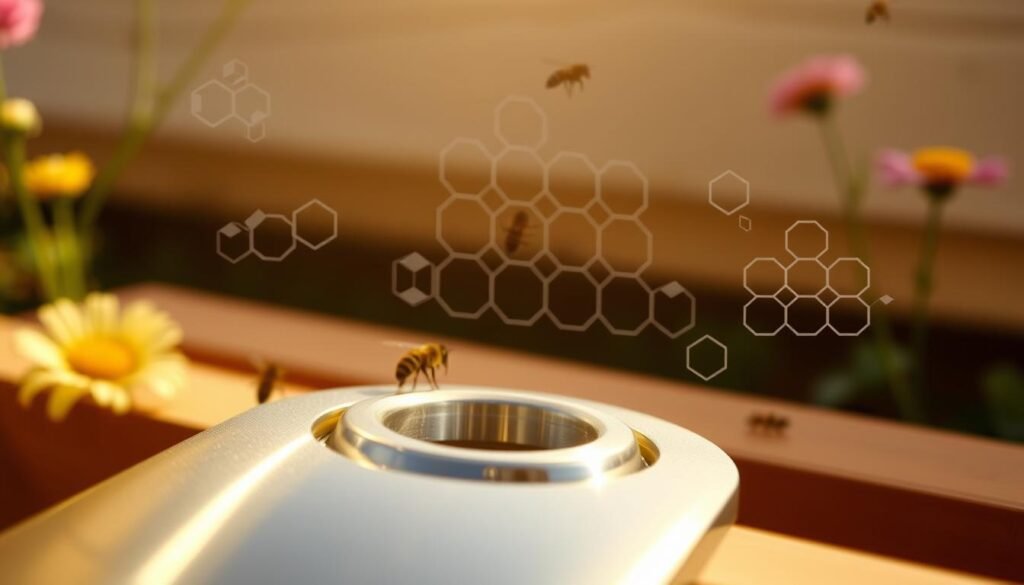
Stainless steel holds up in wet, humid, and cold conditions. The Mann Lake 3.2-ounce stainless steel option resists rust and bending over time.
The BeeCastle stainless steel model uses precision-drilled round holes that block mice while still allowing bees to pass. Metal construction often prevents chewing that can ruin a frame and the honey stores.
Plastic Options and Limitations
Plastic entrance reducers are lightweight and an easy install choice. They are simple to fit and remove in spring or fall.
Over time, plastic may warp, crack, or become brittle with repeated temperature swings. For long-term protection of frames and colony health, metal choices usually win out.
| Material | Durability | Bee Access | Installation |
|---|---|---|---|
| Stainless Steel (Mann Lake/BeeCastle) | High — rust and chew resistant | Holes allow normal traffic | Cut-to-fit or ready size; many report easy install |
| 10 Frame Metal Entrance Reducer | High — can be trimmed to fit | Still allowing bees to enter freely | Permanent, simple trim and fit |
| Plastic Reducer | Moderate — may warp over time | Good short-term access | Very easy install, seasonal use |
When comparing products, factor in frame metal compatibility and whether a single piece can be trimmed to your hive entrance dimensions. For a practical product overview and buying tips, see our mouse guard guide.
Making Your Own Guard from Hardware Cloth
A do-it-yourself guard costs little and can be trimmed to an exact fit. Use 1/2-inch metal mesh (hardware cloth) from a hardware store and cut it to size: 28 squares by 10 squares for a 10-frame Langstroth, or 24 squares by 10 squares for an 8-frame box. Wire cutters and a file to dull sharp edges are the only tools needed.
- Check the fit against the bottom board and entrance before fastening.
- Secure the mesh so it cannot loosen under weather or animal pressure.
- Prefer metal where chewing resistance is critical; plastic is lighter and easier to snap in place but less chew-resistant.
| Option | Pros | Cons |
|---|---|---|
| DIY 1/2-inch metal mesh | Custom fit, durable, inexpensive | Requires tools and time |
| Commercial metal guard | High durability, ready to mount | Higher cost |
| Commercial plastic guard | Lightweight, easy install | Less chew-resistant |
Understanding Hive Compatibility and Sizing Requirements
Sizing an entrance reducer starts with knowing whether your equipment uses eight or ten frames. Measure the hive entrance before purchase so the piece fits snugly and leaves no gaps where pests can enter.
Key sizing notes: 31.5 cm reducers suit many 8-frame setups while 37.5 cm versions fit common 10-frame boxes. The 6Pcs Large Bee Hive Entrance Reducer is made to fit 14-inch openings and matches many standard 8-frame hives.
Choose an adjustable reducer when you want to control traffic and ventilation. That flexibility helps you tune entrance size as the colony changes through the season.
Tip: stainless steel guards need precise measurement, especially with a different hive configuration. A proper fit prevents mice from finding gaps and keeps the colony secure in winter.
Consistent sizing across an apiary simplifies management and reduces the chance of accidental entry points. Always verify compatibility with your frame metal and entrance design before installing a reducer.
Check for Residents Before You Seal the Entrance
Confirm the interior is clear before the guard goes on; a mouse sealed inside will ruin the winter stores. Carry a hive tool, a flashlight, and a lit smoker, and inspect under the frames and above the bottom board for droppings, shredded nesting material, or chewed comb. Dusk, when bees are less active, is a good time to look.
Move slowly and get help: a full hive can weigh 175–260 pounds in fall, so work in pairs when tipping boxes to look underneath. If you find a small guest, evict it gently with a wire clothes hanger or a stick before fitting the guard.
- Inspect with a flashlight and smoker before sealing.
- Work in pairs when handling heavy boxes.
- Confirm the guard still allows steady bee traffic and ventilation once fitted.
Installation Techniques for a Secure Fit
Start by measuring the hive entrance and the bottom board rails. Accurate dimensions help you trim a metal piece to a snug fit and avoid gaps where pests can squeeze through.
Prepare the site by clearing the entrance and placing the reducer in position. Check how the piece aligns with the wood frame and rails before fastening.
Tools and Hardware Considerations
Use a drill to make pilot holes. This prevents splitting and makes an easy install. Choose stainless steel screws to resist rust and hold the guard through wind and snow.
- Screws: stainless steel, short enough to avoid hitting frames.
- Trim: cut the metal around the bottom board rails where needed for a perfect fit.
- Quick removal: select a product design that lets you remove guards during active beekeeping.
| Tool | Purpose | Tip |
|---|---|---|
| Drill | Pilot holes | Use low torque to protect wood |
| Tin snips | Trim metal | File sharp edges after cutting |
| Stainless screws | Secure guard | Drive flush to prevent bee snagging |
After installation, confirm the entrance size still lets bees pass without crowding at the hive entrance. A secure fit keeps mice and other pests out and protects the frame and colony through cold months.
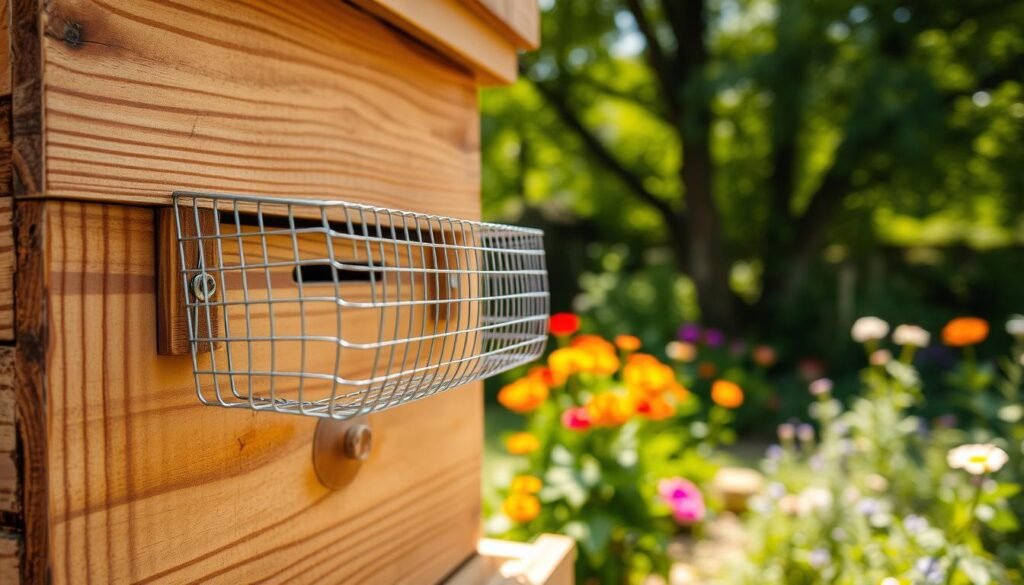
Want a quick how-to? See this short guide on how to use a mouse guard for step-by-step tips.
Balancing Airflow and Pest Prevention
Good ventilation and pest exclusion share one simple goal: a stable colony environment.
Precision-drilled stainless steel guards let air move while stopping rodents. The drilled holes match bee size and block larger pests without cutting airflow.
Proper ventilation reduces moisture build-up in the hive. Too-tight reducers trap damp air and can chill brood or rot comb. Keep the entrance sized so bees can circulate heat and dry the box.
Watch for debris. Snow, leaves, and propolis can clog a guard. Professionals inspect the hive entrance during cold months and clear blockages to keep bees healthy.
Choose a metal design that still allows worker traffic but prevents mice from entering frames and eating stores. A functional reducer supports wintering by securing the hive and preserving internal airflow.
Correct sizing has a natural benchmark: Tom Seeley notes that wild colonies favor an entrance of roughly 10–15 square centimeters. A guard or reducer that leaves an opening near that scale mimics what bees choose for themselves while keeping comb and honey safe.
| Factor | Why it matters | Practical tip |
|---|---|---|
| Hole size | Controls airflow and blocks larger pests | Match holes to worker bee width |
| Material | Durability and resistance to weather | Use stainless steel to avoid rust and chewing |
| Maintenance | Prevents clogging and moisture buildup | Check entrance monthly in winter |
Seasonal Maintenance and Inspection Routines
Keep a simple monthly schedule to catch wear and tear before it threatens the colony. Short checks help protect frames and maintain a clear hive entrance.
Monthly Integrity Checks
Inspect the guard attachment and the board beneath the entrance. Look for chewing, loose screws, or warping of the metal construction.
The LEIFIDE model (39 x 6.5 cm) slides open for quick cleaning and makes checks easier. Verify the entrance size has not been changed by pests trying to widen gaps.

Preparing for Winter
Before cold weather, confirm the reducer is firmly fitted to the wood frame and bottom board. Replace any damaged piece immediately to protect honey stores and brood.
- Check fit and frame metal contact each visit.
- Clear debris from the bottom board and entrance.
- Prefer stainless steel or steel designs when long-term protection matters.
| Check | Why | Action |
|---|---|---|
| Attachment | Prevents gaps | Retighten screws; ensure easy install access |
| Metal condition | Stops chewing and rust | Replace bent or corroded pieces |
| Entrance size | Maintains airflow and defense | Adjust reducer to proper opening |
Regular maintenance saves time and reduces pest risk. For equipment planning and part choices, see a practical guide on choosing beekeeping equipment.
Natural Alternatives for Rodent Deterrence
A scent-based strategy can add a quiet layer of protection around each hive without touching the comb.
Many keepers use BOZFLY peppermint oil balls near the hive entrance to discourage mice and other pests. These scent repellents are safe around children and pets when placed outside the bee home.
Place all repellents outside the hive so honey and frames stay free of contamination. Peppermint works because rodents avoid strong smells, but it does not block access by itself.
Use natural repellents together with a metal or steel entrance reducer or a physical mouse guard to protect frames and the colony. This multi-layered approach helps keep rodents away while preserving airflow and bee activity.
For product ideas and discussions about scent-based tactics alongside physical guards, see this post on beehive mouse guards and an overview of common hive types.
| Method | Primary Benefit | Notes |
|---|---|---|
| Peppermint oil balls (BOZFLY) | Non-toxic scent deterrent | Place outside; replace as scent fades |
| Natural repellents | Safe for families and pets | Use near entrance, not inside frames |
| Metal/steel reducer | Physical barrier at hive entrance | Prevents entry; maintains airflow |
| Combined approach | Layered protection | Peppermint + reducer reduces pest visits most |
Final Thoughts on Protecting Your Bee Colony
A snug metal plate at the hive mouth can be the difference between a healthy winter and lost stores.
Protecting your colony with a reliable mouse guard and regular checks keeps frames intact and helps your bees thrive. Choosing a durable stainless steel design gives long-term resistance to chewing and weather.
Proper installation and monthly inspection preserve the entrance fit and reduce visits by mice and other pests. A well-fitted guard also helps regulate airflow so the colony stays stable through cold snaps.
For practical pros and cons on options and maintenance, see beehive mouse guards. Keep long-term care in mind to protect frames, stores, and the future of your apiary.
FAQ
When should a mouse guard go on the hive?
Fit it in early fall, before temperatures drop and mice start looking for shelter; early September before the first frost is typical in northern states. Check that no rodent is already inside, leave the guard in place through winter, and remove it in spring once foraging resumes and the colony can defend a full-width entrance. Watch weather and bee activity rather than a fixed calendar date.
How do stainless steel guards compare to plastic options and what are the trade-offs?
Stainless steel provides long-term durability, resists chewing and warping, and withstands weather. Plastic units are lighter and cheaper but can crack in cold weather and may not stop determined rodents. For longevity and minimal maintenance, metal construction is usually the better investment.
How do I determine the right entrance size to fit different hive frames and colony needs?
Measure your hive’s bottom board opening and compare with the reducer’s dimensions. For small or new colonies, a narrower opening (around 3/8 to 1/2 inch) helps guard against rodents and robbing. Strong colonies need larger access, so use adjustable reducers or removable inserts to tune the opening as the season and colony size change.
Will adding a reducer restrict airflow and affect hive ventilation?
Properly sized reducers balance pest prevention with airflow. Maintain other ventilation paths such as upper entrances, screened bottom boards, or quilt boxes. During hot weather, remove or widen the reducer to improve airflow; during winter, narrow the entrance while ensuring enough ventilation to prevent moisture buildup.
How often should I inspect entrance protection and what should I look for?
Perform monthly integrity checks during active seasons and more frequent inspections in fall and early winter. Look for chew marks, bent metal, gaps, rust, or loose fasteners. Replace damaged pieces immediately to prevent rodent entry and maintain colony health.
What preparations should I make to protect hives from rodents before winter?
Install a secure reducer or metal screen, clear debris around hives to reduce nesting sites, and elevate hives slightly off the ground if possible. Ensure entrances are tight and free of gaps, and check that lids and inner covers fit snugly to prevent rodents from entering through other weak points.
Can a reducer or metal screen be used on any Langstroth-style hive and bottom board?
Many reducers are designed to fit standard Langstroth bottom boards, but sizes vary. Check product dimensions and, if needed, use simple modifications or adapters—such as a trim piece or custom-cut reducer—to achieve a secure fit. Stainless steel models often come in multiple sizes for common hive types.
Can I make an effective mouse guard from household materials?
Yes. Sturdy hardware cloth or expanded metal with 3/8- to 1/2-inch openings works well. Cut it to span the lower entrance (28 by 10 squares of 1/2-inch mesh for a 10-frame box, 24 by 10 for an 8-frame) so bees can pass but mice cannot, and fasten it securely. Avoid soft plastic that mice gnaw through.