Table of Contents
- What Premier1 Offers Beekeepers
- System Components: Energizer, Netting, and Posts
- Electro-Netting vs. Multi-Strand Wire
- Setting Up Around an Apiary
- Sizing Your Energizer Correctly
- Power Options: AC, Battery, and Solar
- Seasonal Maintenance
- Cost and Effectiveness Tradeoffs
- Who Actually Needs This Level of Protection
- Avoiding Attracting Bears in the First Place
- Testing Voltage Regularly
- Remote Out-Yard Considerations
- Effectiveness Against Raccoons and Skunks Too
- Fencing Multiple Apiary Locations
- Landowner Permission and Local Regulations
- Winter and Snow Considerations
- Combining Fencing With Other Deterrents
- Insurance and Liability Considerations
- The “Training” Effect on Persistent Bears
- Common Mistakes
What Premier1 Offers Beekeepers
Premier1 is a well-established electric fencing manufacturer, originally built around livestock and predator-control fencing, whose products have become a popular named option specifically for apiary bear protection — referenced briefly in our broader guide to the best electric fence for beehives and our guide to protecting hives from bears and raccoons. This guide covers Premier1’s specific product line and setup considerations in more depth.
System Components: Energizer, Netting, and Posts
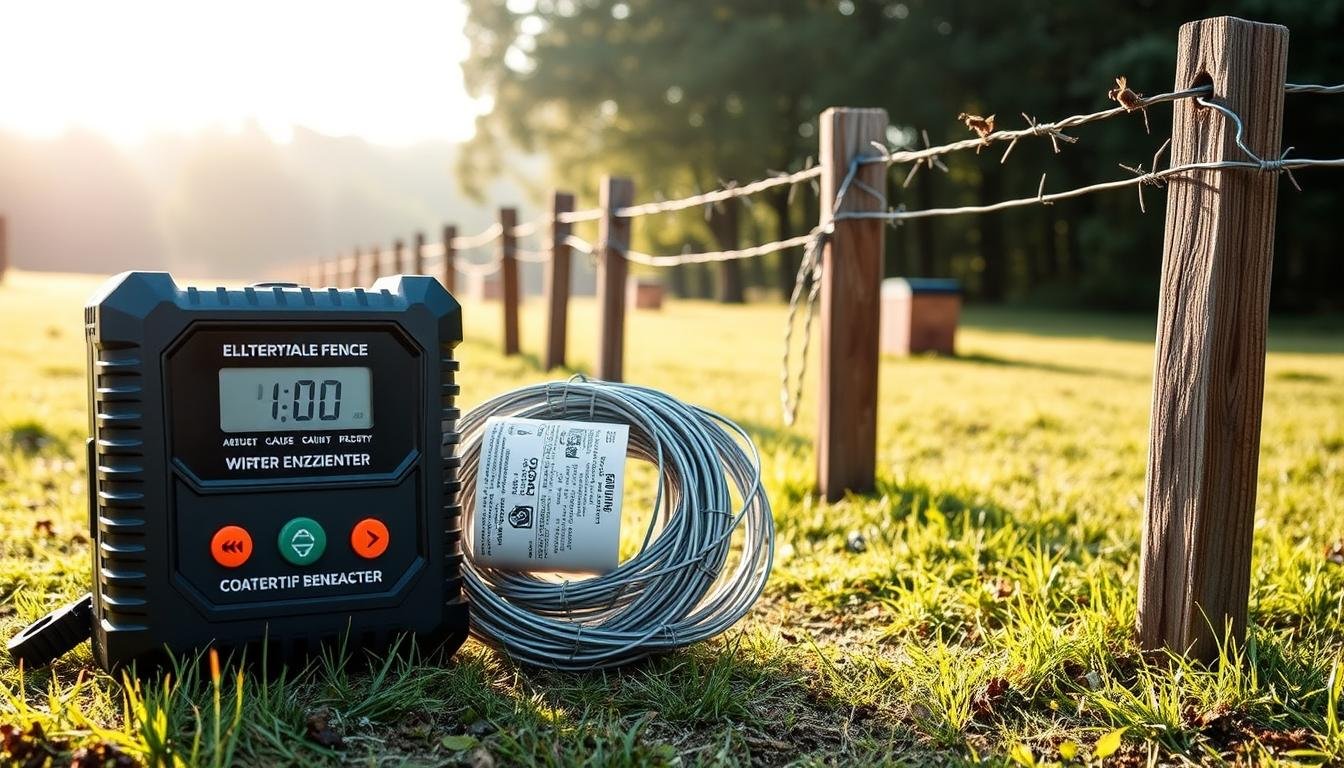
A complete Premier1 apiary fencing setup typically includes an energizer (the unit that generates the electric pulse), either electro-netting or multi-strand polywire with built-in posts, and grounding rods, all designed to work together as a matched system rather than mixed-and-matched components from different manufacturers, which can create compatibility and performance issues.
Electro-Netting vs. Multi-Strand Wire
| Factor | Electro-Netting | Multi-Strand Wire |
|---|---|---|
| Setup speed | Faster — pre-assembled with integrated posts | Slower — posts and strands set up separately |
| Effectiveness against bears | Strong physical + electrical deterrent | Strong electrical deterrent, less physical barrier |
| Portability | Easy to relocate as a unit | More labor to relocate |
| Cost | Higher per linear foot | Lower per linear foot |
Electro-netting is generally the faster, more beginner-friendly option to set up correctly and is particularly effective against bears specifically, since it combines a genuine physical barrier with the electric deterrent — a bear has to push through mesh netting to reach the electrified strands, adding a layer of hesitation beyond the shock alone. Multi-strand wire costs less and works well too, but requires more careful strand spacing and height to be equally effective against a determined bear.
Setting Up Around an Apiary
Position the fence with adequate clearance around the hives (enough room to walk and work within the enclosure comfortably), keep vegetation cleared from the fence line since grass or brush touching the wire drains power and reduces shock effectiveness, and ensure the bottom strand or netting edge sits low enough that an animal can’t simply crawl underneath. Grounding is critical to a functioning system — an inadequately grounded fence delivers a weaker shock than the energizer’s rated output suggests, undermining the whole system’s effectiveness regardless of how well everything else is set up.
Sizing Your Energizer Correctly
Energizer output needs to match your fence length and the level of animal pressure you’re protecting against — an undersized energizer for a longer fence run or heavy vegetation contact delivers a weaker pulse than needed for reliable deterrence, particularly against a large, persistent animal like a bear. Check Premier1’s specific sizing guidance for your fence length and follow it rather than guessing, since this is one of the more common reasons an otherwise properly installed system underperforms.
Power Options: AC, Battery, and Solar
Premier1 offers energizers across AC (plug-in), battery, and solar-powered options, and the right choice depends entirely on your apiary’s access to reliable power — a solar unit makes sense for a remote out-yard without easy electrical access, while an AC-powered unit is simpler and more consistent for a location with reliable outlet access nearby. Battery units offer a middle ground but require monitoring battery charge level, particularly through cloudy stretches if paired with solar charging, to avoid a weakened or fully depleted fence going unnoticed.
Seasonal Maintenance
Check the fence regularly for voltage output using a dedicated fence tester, clear vegetation contact along the entire fence line periodically through the growing season, and inspect netting or wire for damage from weather, wildlife, or general wear. At season’s end, if you take the fence down for winter, clean and store components properly to avoid degradation between seasons — a fence that isn’t actively protecting hives during an active bear season because of neglected maintenance defeats the entire purpose of the investment.
Cost and Effectiveness Tradeoffs
A complete Premier1 system represents a real upfront cost, generally higher than a basic DIY electric fence assembled from generic components, but the matched-system design and established reputation for reliable performance against determined predators like bears is worth weighing against that premium, especially in a region with genuine, active bear pressure where the cost of losing hives to bear damage repeatedly would exceed the fencing investment.
Who Actually Needs This Level of Protection
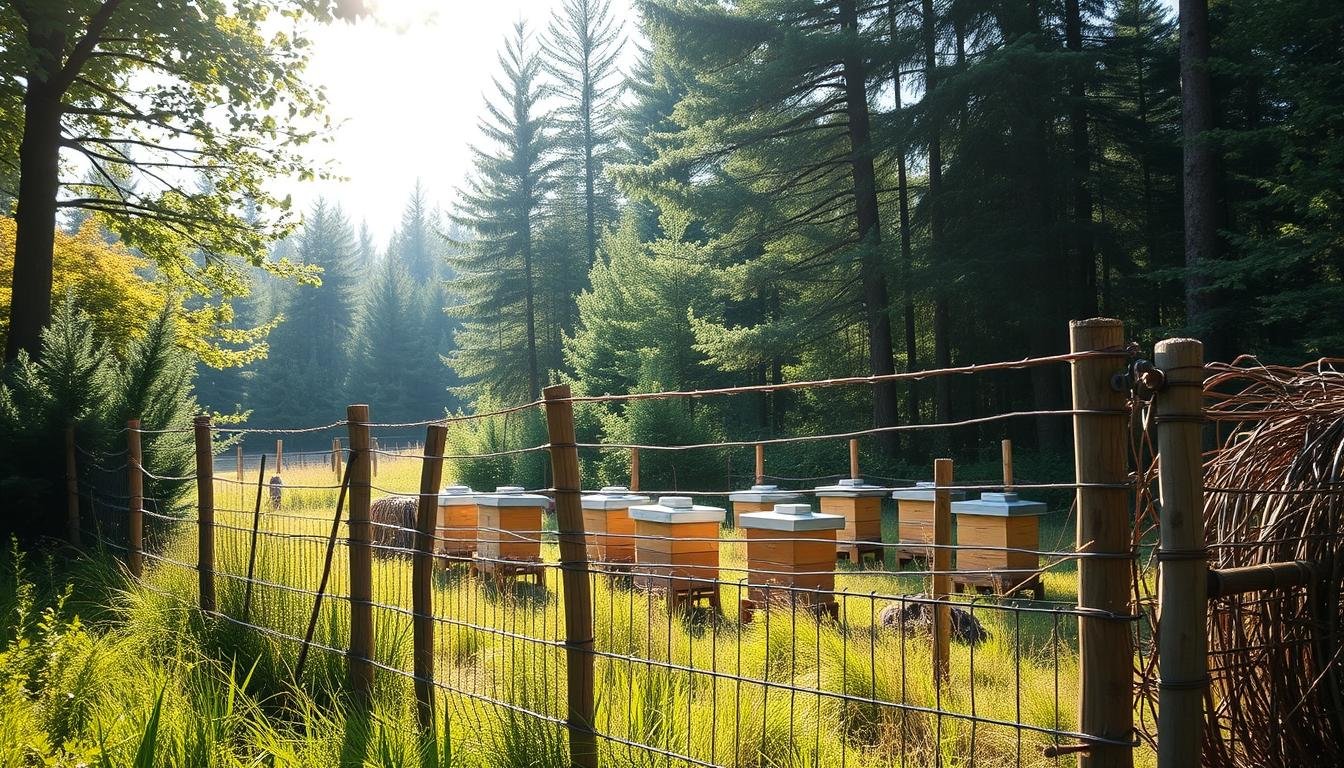
Beekeepers in regions with documented bear activity near their apiary locations are the clearest candidates for investing in a robust, purpose-built system like Premier1, particularly for remote or unattended out-yards where a bear has unhindered access and time to do real damage. In areas without meaningful bear pressure, a more basic deterrent setup or no dedicated fencing at all may be entirely adequate, and the added cost isn’t necessary.
Avoiding Attracting Bears in the First Place
An electric fence is a deterrent, not an invitation, but bears are drawn to apiaries by scent well before they reach the fence line — minimizing spilled honey, propolis, or wax debris around hives, and avoiding leaving supers or equipment with honey residue exposed nearby, reduces the initial scent attraction that brings a bear close enough to test the fence in the first place. A well-fenced apiary that also minimizes these attractants faces less frequent bear pressure than one relying on the fence alone against constant scent-driven visits.
Testing Voltage Regularly
Use a dedicated fence voltage tester at multiple points along the fence line periodically, not just at the energizer itself, since voltage can drop meaningfully across a long fence run due to vegetation contact, a poor connection, or a developing ground fault — a reading taken only at the energizer can look adequate while the far end of the fence delivers a much weaker, less effective shock. Regular testing across the full fence length catches these issues before an actual bear encounter reveals them.
Remote Out-Yard Considerations
Fencing at a remote, infrequently visited out-yard carries added responsibility, since a developing fault (a fallen branch shorting the fence, a dead battery, a ground connection failure) can go unnoticed for a genuinely long stretch compared to a fence you pass daily at a home apiary — consider more frequent scheduled checks for remote locations specifically, or a solar setup with a reliable battery-monitoring routine, since the consequence of an unnoticed failure is higher when you’re not there to catch it quickly.
Effectiveness Against Raccoons and Skunks Too
While bears get most of the attention in apiary predator-protection discussions, a properly set up electric fence also deters smaller predators like raccoons and skunks that raid hives for brood, though the strand or netting spacing that works for a bear (which respects height more than gaps) may need adjustment to also reliably deter smaller animals capable of squeezing through wider gaps or digging under an inadequately anchored bottom edge. Check your specific system’s spacing recommendations for the full range of predator pressure in your area, not bears alone.
Fencing Multiple Apiary Locations
An operation managing several out-yards across a region needs to decide whether to invest in a dedicated fence system for every location or prioritize fencing at the yards with the highest documented predator pressure — electro-netting’s relative portability makes it a genuinely practical option for an operation that wants to relocate a single fence system between yards seasonally rather than owning a complete separate system for every location, though this requires coordinating timing so a currently unfenced yard isn’t left exposed during active bear season.
Landowner Permission and Local Regulations
If your apiary sits on leased or rented land, confirm with the landowner before installing a permanent or semi-permanent electric fence, and check whether your local jurisdiction has any regulations around electric fencing (some areas have specific signage or setback requirements). This is an easy step to overlook when focused on the technical fencing decision, but skipping it can create real problems with a landowner or neighbor after installation rather than before.
Winter and Snow Considerations
In regions with significant snow accumulation, check whether snow buildup along the fence line risks shorting the system or effectively burying the bottom strand or netting edge below the level needed to deter an animal, since heavy snow can insulate ground contact or reduce effective fence height without an obvious visual sign the system is compromised. Some beekeepers in snowy climates take fencing down for the coldest, snowiest months when bear activity is naturally reduced anyway, reinstalling as bears become active again in spring.
Combining Fencing With Other Deterrents
An electric fence works best as the primary layer of a broader deterrent strategy rather than the sole line of defense — motion-activated lights or noise devices, keeping the apiary area clear of food attractants beyond the hives themselves, and choosing hive locations with some natural visibility (rather than dense brush a bear can approach unseen) all complement a properly maintained electric fence rather than substituting for it.
Insurance and Liability Considerations
An active electric fence carries a small liability consideration worth being aware of, particularly if your apiary is accessible to the public or near areas people (or pets) might wander into — appropriate warning signage and confirming your setup follows any relevant local safety guidance for electric fencing is a reasonable precaution, and if you carry liability insurance for your beekeeping operation, checking whether it accounts for the fence specifically is worth a quick conversation with your insurer.
The “Training” Effect on Persistent Bears
A bear that successfully breaches a weak or malfunctioning fence and reaches honey once often becomes more persistent and harder to deter afterward, since it’s now learned the reward is worth pushing through resistance — this is a strong practical argument for getting the fence right the first time and maintaining it consistently, rather than treating an early failure as a low-stakes learning experience, since a single successful breach can make future deterrence genuinely more difficult for that specific animal.
Common Mistakes
Undersizing the energizer relative to fence length and animal pressure is the most common reason a properly installed fence still fails to deter a determined bear. Allowing vegetation to grow into contact with the fence line drains power gradually and often goes unnoticed until an actual predator encounter reveals the fence wasn’t delivering an effective shock. Inadequate grounding, a detail easy to underestimate, silently undermines system performance regardless of how good the rest of the setup is.
Sources
Product and setup guidance reflect publicly available manufacturer information for Premier1 electric fencing products, alongside general USDA/university extension guidance on apiary predator protection. For current, authoritative detail, see UConn Extension’s guide to protecting beehives from bears.
FAQ
Is electro-netting or multi-strand wire better for bear protection?
Electro-netting is generally considered more effective against bears specifically, since it combines a physical mesh barrier with the electric deterrent, though properly spaced multi-strand wire can also work well.
Why isn’t my electric fence delivering an effective shock?
Inadequate grounding and vegetation contact with the fence line are the two most common reasons a fence underperforms — check both with a dedicated fence tester before assuming the energizer itself is faulty.
Should I use solar or AC power for my energizer?
It depends on your apiary’s access to reliable power — solar suits remote out-yards without electrical access, while AC power is simpler and more consistent where an outlet is nearby.
Do I need this level of fencing if I don’t have bears in my area?
Probably not — a robust system like Premier1 is worth the investment specifically for regions with documented bear activity; a more basic deterrent may be entirely adequate elsewhere.
Does an electric fence work against raccoons and skunks too?
Yes, though strand or netting spacing may need adjustment beyond what’s optimal for bears alone, since smaller animals can squeeze through wider gaps or dig under an inadequately anchored bottom edge.
What happens if a bear breaches the fence once?
A bear that successfully reaches honey once often becomes more persistent afterward, having learned the reward is worth pushing through resistance — a strong argument for getting the fence right the first time and maintaining it consistently.
Further Reading
- Best Solar Wax Melter for Backyard Beekeepers
- Honey Warming Cabinet: Complete Guide
- Miller Feeder: Complete Guide
- Duragilt Foundation: Complete Guide
This connects closely with what we cover in our guide on the best electric fence for beehives: protect your hives.