Table of Contents
- What Makes Ultra Breeze Different
- The Three-Layer Mesh Design
- Ultra Breeze vs. Standard Ventilated Suits
- Does More Airflow Mean Less Sting Protection?
- Fit and Sizing Considerations
- Which Climates Benefit Most
- Cleaning and Care
- Cost vs. a Standard Suit
- Who Should Invest in This Suit
- Jacket and Veil vs. Full Suit Options
- Color and Visibility Considerations
- Veil Design and Visibility
- Zipper and Closure Quality
- Breaking In a New Suit
- Considerations for Beekeepers With Sting Allergies
- Realistic Durability Expectations
- Pairing With Compatible Gloves
- Considerations for Commercial Operations
- Checking Real User Reviews
- Storing Between Seasons
- Common Mistakes
What Makes Ultra Breeze Different
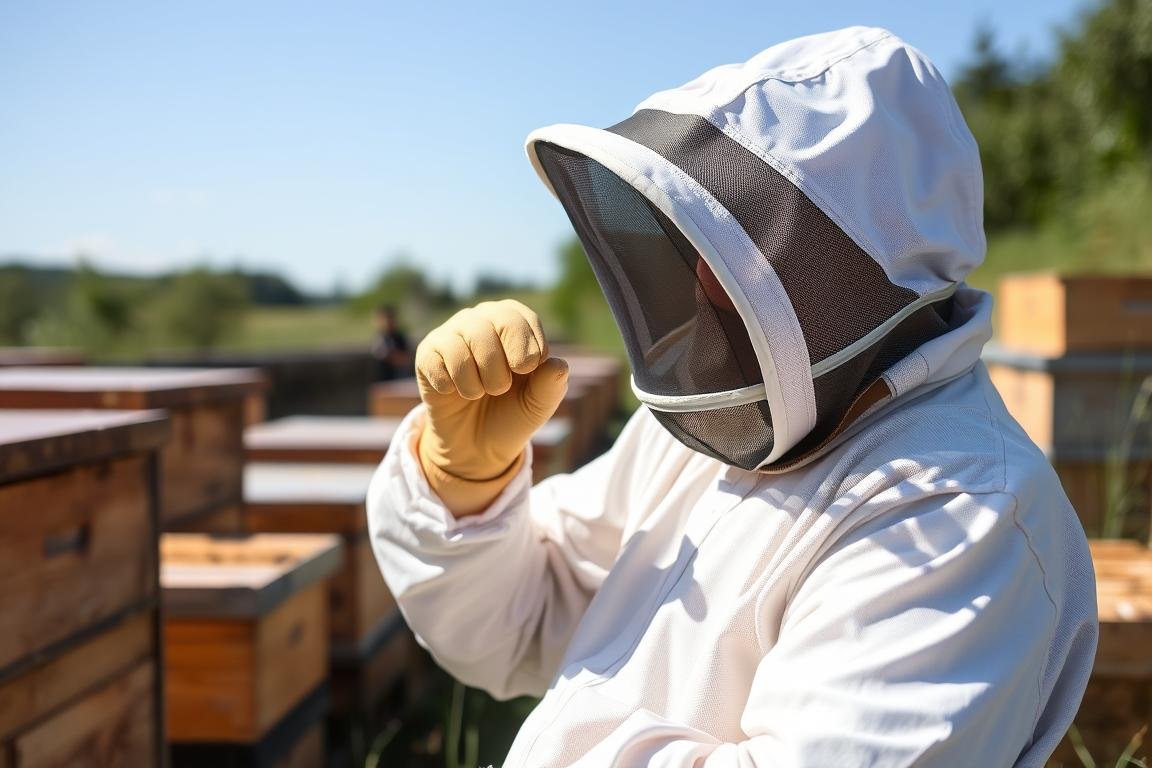
Ultra Breeze is a named brand of ventilated beekeeping suit built specifically around a multi-layer mesh design intended to maximize airflow while still maintaining sting protection, positioned as a premium option within the ventilated-suit category our broader guide to the best bee suit for hot weather covers generally. This guide looks specifically at what distinguishes this named product from ventilated suits generally.
The Three-Layer Mesh Design

The core engineering principle behind Ultra Breeze and similar premium ventilated suits is a multi-layer mesh construction — typically three layers of mesh with enough spacing between them that a stinger can’t reach skin even when a bee lands directly on the fabric, since the layered gap keeps the stinger’s reach shorter than the total fabric thickness. This is a meaningfully more sophisticated approach than a single-layer mesh or a suit that’s simply lighter-weight cotton with more ventilation panels, which don’t inherently provide the same sting-blocking geometry.
Ultra Breeze vs. Standard Ventilated Suits
| Factor | Ultra Breeze (Multi-Layer Mesh) | Standard Ventilated Suit |
|---|---|---|
| Sting protection mechanism | Layered mesh spacing keeps stinger from reaching skin | Varies — some rely on fabric thickness alone |
| Airflow | High — designed specifically to maximize this | Moderate to high, depending on design |
| Cost | Higher — premium positioning | Lower to moderate |
| Weight | Very light | Light to moderate |
The practical difference comes down to how deliberately the ventilation design addresses the sting-protection tradeoff — a cheaper ventilated suit may simply use lighter, more breathable fabric without the specific layered-mesh geometry, meaning it can offer decent airflow but with a somewhat higher risk of a sting reaching skin if a bee lands and stings directly through a single mesh layer.
Does More Airflow Mean Less Sting Protection?
This is the central question any premium ventilated suit has to answer well, and Ultra Breeze’s specific answer is the layered-mesh spacing described above — in practice, this design genuinely delivers both meaningful airflow and reliable sting protection simultaneously, rather than forcing a real tradeoff between the two, which is precisely the engineering challenge that differentiates a well-designed premium suit from a suit that’s simply thinner and more breathable without addressing the sting-reach problem directly.
Fit and Sizing Considerations
Proper fit matters for any bee suit’s protective function, since loose or baggy fabric can press against skin in ways that let a stinger reach through even a well-designed mesh — follow the manufacturer’s specific sizing chart rather than guessing based on your regular clothing size, and consider that ventilated mesh suits sometimes fit differently than a standard cotton or poly-cotton suit due to the different fabric structure and stretch characteristics.
Which Climates Benefit Most
The airflow advantage matters most in genuinely hot, humid climates where heat stress during inspections is a real practical concern — beekeepers in the southeastern and southwestern United States, or anyone doing extended inspection work during peak summer heat, get the clearest benefit from investing in a premium ventilated design. In consistently cooler climates, the airflow advantage matters less, and the added cost may not be justified relative to a standard suit.
Cleaning and Care
Follow the manufacturer’s specific washing instructions for mesh fabric, since improper washing (harsh detergents, high heat drying) can degrade the mesh material’s structure and integrity over time, potentially compromising the sting-protection geometry the suit depends on. Regular gentle washing to remove propolis, sweat, and general grime keeps the suit both comfortable and functioning as designed across many seasons of use.
Cost vs. a Standard Suit
Ultra Breeze and similar premium ventilated suits carry a real price premium over a standard cotton or basic ventilated suit, reflecting the more sophisticated multi-layer construction — weigh this cost against how much time you actually spend in the suit during hot weather and how much heat stress genuinely affects your inspection quality and duration, since for a beekeeper doing extensive summer inspection work, the comfort and safety benefit can be worth the investment in a way that’s less clear for occasional, brief hive checks.
Who Should Invest in This Suit
Beekeepers in hot, humid climates doing frequent or extended inspections, commercial beekeepers spending significant working hours suited up during peak summer, and anyone who has experienced real heat-related discomfort or safety concerns with a standard suit are the clearest fits for a premium ventilated option like Ultra Breeze. A beekeeper in a mild climate doing brief, occasional inspections may find a standard suit entirely adequate without the added cost.
Jacket and Veil vs. Full Suit Options
Premium ventilated designs like Ultra Breeze are typically available in both full-suit and jacket-with-veil configurations, similar to standard suits — a full suit offers complete coverage, while a jacket-only option provides more freedom of movement and slightly less overall heat retention for someone comfortable pairing it with separate pants, generally suited to a beekeeper doing lighter, more routine inspection work rather than intensive full-hive manipulation.
Color and Visibility Considerations
Most ventilated mesh suits come in light colors (white or light gray being common), both because light colors are traditionally understood to be less provoking to bees than dark colors, and because light-colored mesh shows dirt and grime more readily, which can actually be a practical benefit — making it easier to spot when a suit genuinely needs washing rather than continuing to wear a visibly soiled suit past when it should be cleaned.
Veil Design and Visibility
A quality ventilated suit’s veil deserves the same attention as the body mesh, since visibility through the veil affects both comfort and your ability to work confidently and precisely during an inspection — check whether the specific veil design uses a fine mesh that maintains good visibility in various lighting conditions, and whether it’s rigid enough to hold its shape away from your face rather than collapsing inward, since a veil pressed against skin creates the same sting-reach vulnerability the body suit’s layered design is meant to prevent.
Zipper and Closure Quality
Zipper and closure quality matters more than it might seem for a suit’s overall protection, since a gap at a poorly designed or worn zipper seam is a genuine entry point regardless of how good the main body mesh is — look for a suit with a sting-proof zipper design (some premium suits use a double-flap or overlapping zipper guard specifically to close this gap) and check zipper condition periodically for wear that could compromise this protection over time.
Breaking In a New Suit
A new mesh suit sometimes feels stiffer or fits slightly differently than expected right out of the packaging, and a few wears (with appropriate washing per care instructions) often lets the fabric settle into a more comfortable, natural fit — don’t judge comfort or fit permanently based on the very first use alone, particularly for a suit that will be worn regularly for many seasons, since initial impressions don’t always reflect how the suit performs once broken in.
Considerations for Beekeepers With Sting Allergies
A beekeeper managing a known sting allergy should be especially deliberate about verifying any suit’s actual sting-protection design and fit before relying on it, since the stakes of a protection gap are meaningfully higher — consult with your allergist about appropriate precautions generally, and treat suit choice as one part of a broader personal safety plan rather than assuming any premium suit alone fully addresses allergy-related risk. No suit eliminates sting risk entirely; it meaningfully reduces it.
Realistic Durability Expectations
A well-maintained premium mesh suit can last many seasons of regular use, but mesh fabric generally shows wear differently than solid cotton or poly-cotton — watch for thinning, small tears, or areas where the layered mesh spacing has been compromised through repeated stretching or snagging, since these developing issues can be harder to spot at a glance than damage to a solid-fabric suit. Periodic close inspection, not just a quick visual check, helps catch wear before it becomes a genuine protection gap.
Pairing With Compatible Gloves
Consider how your glove choice integrates with a ventilated suit’s sleeve design, since a mismatch (bulky standard gloves with a suit designed for a snug wrist closure, for example) can create gaps at the wrist that undermine an otherwise well-designed suit. Some premium ventilated suits are designed with specific glove-compatible cuff systems in mind — check whether your chosen suit has any specific glove pairing recommendations from the manufacturer before assuming any glove works equally well with it — see our guide to choosing beekeeping gloves for the full picture.
Considerations for Commercial Operations
An operation outfitting multiple staff members faces both the per-unit cost multiplied across several suits and the practical question of sizing accuracy across different body types — budget for properly fitted suits per person rather than a one-size-fits-most approach, since ill-fitting protective equipment is both less comfortable and less protective, a real consideration when equipping seasonal help who may only be with the operation for one season and where investment per person needs to be weighed accordingly.
Checking Real User Reviews
Beyond manufacturer marketing claims, real feedback from other beekeepers who’ve worn a specific model through actual hot-weather field seasons — via local beekeeping association members or online forums — often reveals practical details about long-term fit, durability, and real airflow performance that go beyond what product photos and marketing copy communicate, worth the modest research time before a purchase you’ll likely wear regularly for years.
Storing Between Seasons
Store a clean, dry suit in a breathable garment bag or hanging in a closet rather than compressed in a sealed plastic container long-term, since mesh fabric benefits from airflow during storage the same way it does during use, reducing the risk of mildew or odor developing over an extended off-season period.
Common Mistakes
Buying based on the wrong size, guessing rather than following the manufacturer’s specific chart, undermines the fit-dependent protection any mesh suit relies on. Assuming maximum ventilation automatically means reduced sting protection, without understanding the specific layered-mesh design that addresses this tradeoff, can lead to either overpaying for a feature you don’t trust or underestimating a genuinely well-engineered product. Washing the suit improperly, using harsh detergents or high heat that degrades mesh structure over time, shortens the suit’s effective protective lifespan.
Sources
Product design details reflect publicly available manufacturer information for Ultra Breeze and similar premium ventilated beekeeping suits, alongside general beekeeping protective equipment guidance. See the American College of Allergy, Asthma & Immunology’s guide to insect sting allergies for additional authoritative detail.
FAQ
Does a ventilated mesh suit provide less sting protection than a standard suit?
Not with a well-designed multi-layer mesh — the layered spacing keeps a stinger’s reach shorter than the total fabric thickness, providing comparable protection to a standard suit while delivering meaningfully better airflow.
Is Ultra Breeze worth the extra cost over a standard bee suit?
For beekeepers in hot climates doing frequent or extended inspections, the comfort and safety benefit often justifies the premium; for occasional, brief inspections in a mild climate, a standard suit may be entirely adequate.
How should I wash a mesh ventilated suit?
Follow the manufacturer’s specific washing instructions — harsh detergents or high heat drying can degrade the mesh structure over time, potentially compromising the sting-protection geometry the suit depends on.
Does fit matter for a mesh suit’s protection?
Yes — loose or baggy fabric can press against skin in ways that let a stinger reach through even a well-designed mesh, so follow the manufacturer’s specific sizing chart rather than guessing.
Should beekeepers with sting allergies rely on a premium suit alone?
No — a beekeeper managing a known sting allergy should treat suit choice as one part of a broader personal safety plan developed with their allergist, since no suit eliminates sting risk entirely, it only meaningfully reduces it.
Do I need a jacket or a full suit?
A full suit offers complete coverage, while a jacket-with-veil option provides more freedom of movement and slightly less heat retention, generally suited to lighter, more routine inspection work rather than intensive full-hive manipulation.