A wooden honey dipper is still the best default choice for most kitchens — it’s inexpensive, holds honey through its grooved surface via simple surface tension rather than any mechanism, and needs no special care beyond hand-washing — but silicone and dishwasher-safe options solve real problems wood can’t, so the right pick depends on how you actually store and clean it. Here’s a genuine comparison of the three main types, not just a generic “here are some honey dippers” roundup.
Key Takeaways
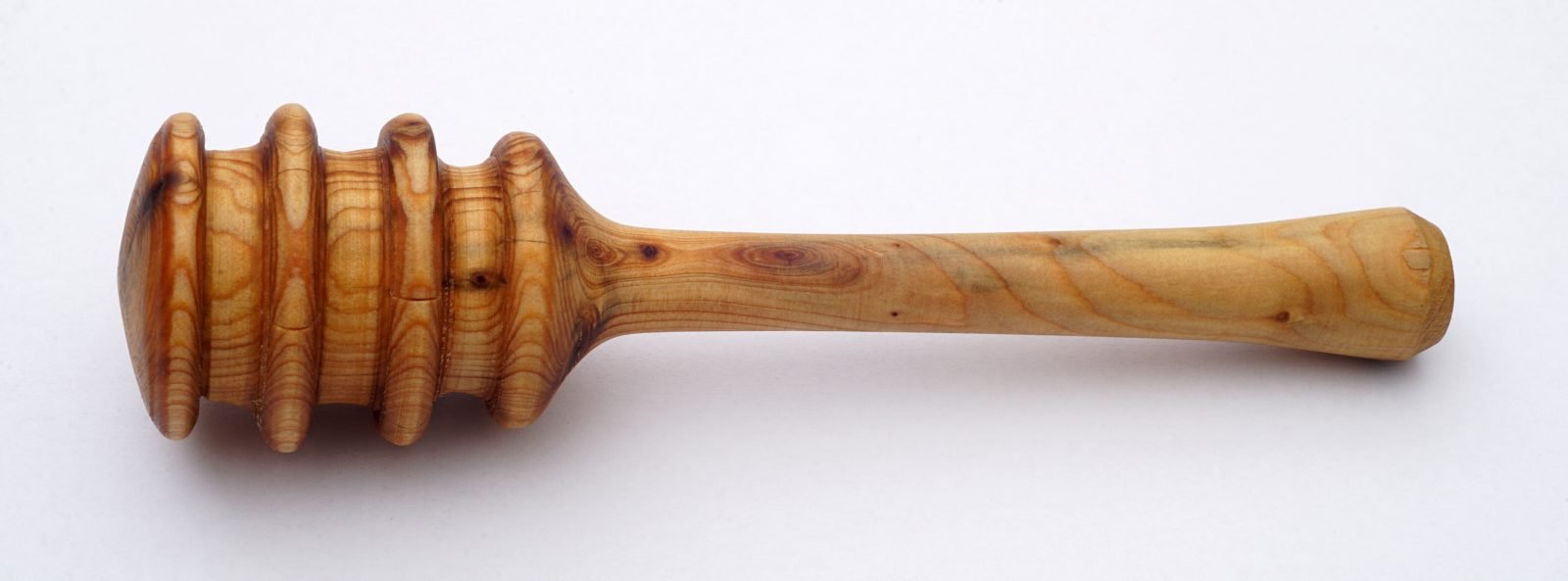
- Traditional wooden dippers (often olive wood, beechwood, or juniper) work by surface tension along their grooved ridges, need only a hand wash and occasional light oiling, and are the least expensive option.
- Silicone dippers are fully dishwasher-safe and won’t absorb honey odor or color over time the way untreated wood eventually can, but the smooth surface holds slightly less honey per dip than a traditional grooved wood design.
- Stainless steel dippers combine dishwasher-safe durability with a design closer to wood’s grooved drip pattern, at a higher price point than either wood or silicone.
- Never put an unfinished or unsealed wooden dipper in the dishwasher — heat and prolonged soaking will crack, warp, or split wood that isn’t specifically treated for it.
- For creamed or crystallized honey specifically, a solid dipper spoon or scoop design outperforms any traditional grooved dipper, wood or otherwise.
Table of Contents
- How a Honey Dipper Actually Works
- Wood vs. Silicone vs. Stainless Steel
- How to Choose the Right One for Your Kitchen
- Care and Maintenance by Material
- Frequently Asked Questions
How a Honey Dipper Actually Works
A traditional honey dipper isn’t a scoop — it works through simple surface tension. The grooved, ridged surface (the classic spiral or ribbed wood design) increases the total surface area honey can cling to as you lift the dipper out of the jar, so honey clings to and drizzles slowly off the grooves rather than dripping straight off a smooth surface the way a regular spoon would. This is also why a genuinely smooth-surfaced dipper — some minimalist silicone or metal designs — holds and drizzles noticeably less honey per dip than a traditionally grooved one, which is worth knowing before assuming all dipper shapes perform identically regardless of material.
Wood vs. Silicone vs. Stainless Steel
- Wood (olive wood, beechwood, juniper, and similar hardwoods) — the traditional, most widely available option and generally the least expensive. Genuinely effective at the surface-tension drizzle function, has a natural non-slip grip when honey-coated, and looks good enough to leave sitting in a honey jar as a permanent fixture. The tradeoff: unfinished or unsealed wood is not dishwasher-safe, can eventually absorb honey’s color and faint scent over years of use, and needs to stay reasonably dry between uses to avoid warping or cracking.
- Silicone — fully dishwasher-safe, non-porous (so it won’t absorb odor, color, or bacteria the way wood theoretically can over a very long service life), and typically the most affordable next to basic wood. The genuine downside is a smoother functional surface on many designs, meaning less honey clings per dip compared to a deeply grooved wood dipper, and some users find the material’s grip and feel less pleasant than wood specifically for a slow-pour presentation at the table.
- Stainless steel — combines dishwasher-safe durability with, on the better designs, a grooved profile closer to traditional wood’s drizzle performance, plus genuine long-term durability with no risk of cracking or warping at all. The tradeoff is cost — steel dippers typically run noticeably more than wood or silicone equivalents — and a less traditional look if that aesthetic matters to you.
How to Choose the Right One for Your Kitchen
Match the material to how you actually use and clean it, rather than picking on looks alone:
- If it’s staying in the honey jar between uses and rarely gets a full wash, traditional wood is genuinely fine — this is exactly the low-maintenance, dry-storage use case wood dippers were designed for.
- If it goes through the dishwasher regularly with everything else, choose silicone or stainless steel — an unsealed wood dipper run through repeated dishwasher cycles will eventually crack or warp.
- If you’re serving honey at the table for guests, a traditional wood dipper still has the strongest visual and tactile association with honey specifically, if presentation matters to you.
- If you work with creamed or partially crystallized honey, skip the traditional grooved dipper design entirely (wood, silicone, or steel) and use a solid spoon or dedicated scoop instead — the grooved surface-tension design is built for liquid honey and performs poorly on thicker, crystallized textures.
Care and Maintenance by Material
Wood dippers should be hand-washed only, dried promptly rather than left to air-dry sitting in standing water, and can benefit from an occasional light food-safe mineral oil treatment (the same basic principle as seasoning a wood cutting board) to prevent the wood from drying out and cracking over years of use. Silicone dippers are dishwasher-safe on either rack and need no special treatment. Stainless steel dippers are also dishwasher-safe and essentially maintenance-free, though hand-drying immediately after washing avoids water spotting on a polished finish.
Frequently Asked Questions
Can I put a wooden honey dipper in the dishwasher?
Not unless it’s specifically finished or sealed for dishwasher use — the heat and prolonged soaking of a standard dishwasher cycle will crack or warp most unfinished wood dippers over time. Hand-wash and dry promptly instead.
Why does my honey dipper have grooves or a spiral shape?
The grooves increase surface area, which is what allows honey to cling to the dipper via surface tension as you lift it from the jar — a smooth-surfaced dipper holds and drizzles noticeably less honey per dip.
Are silicone honey dippers as effective as wood ones?
They’re fully dishwasher-safe and non-porous, which wood isn’t, but many silicone designs have a smoother functional surface that holds slightly less honey per dip than a traditionally grooved wood dipper.
What’s the best honey dipper for creamed honey?
None of the traditional grooved dipper styles — wood, silicone, or steel — work well on creamed or crystallized honey. A solid spoon or dedicated scoop is the better tool for that specific texture.
Do honey dippers actually make a difference, or is a regular spoon fine?
A regular spoon works, but a grooved dipper’s surface-tension design genuinely reduces dripping and mess compared to a smooth spoon, especially when moving honey from a jar to a cup of tea or a piece of toast at the table.
For further reading, see National Honey Board.