Last Updated September 16, 2026
Starting safe matters. New beekeepers should prioritize protection when opening hives. Protective handwear reduces sting risk and helps you learn tasks with confidence.
Many experienced keepers work bare-handed, but that choice comes later. At the start, select gloves that balance dexterity, ventilation, and durability so you can handle frames and inspect bees with care.
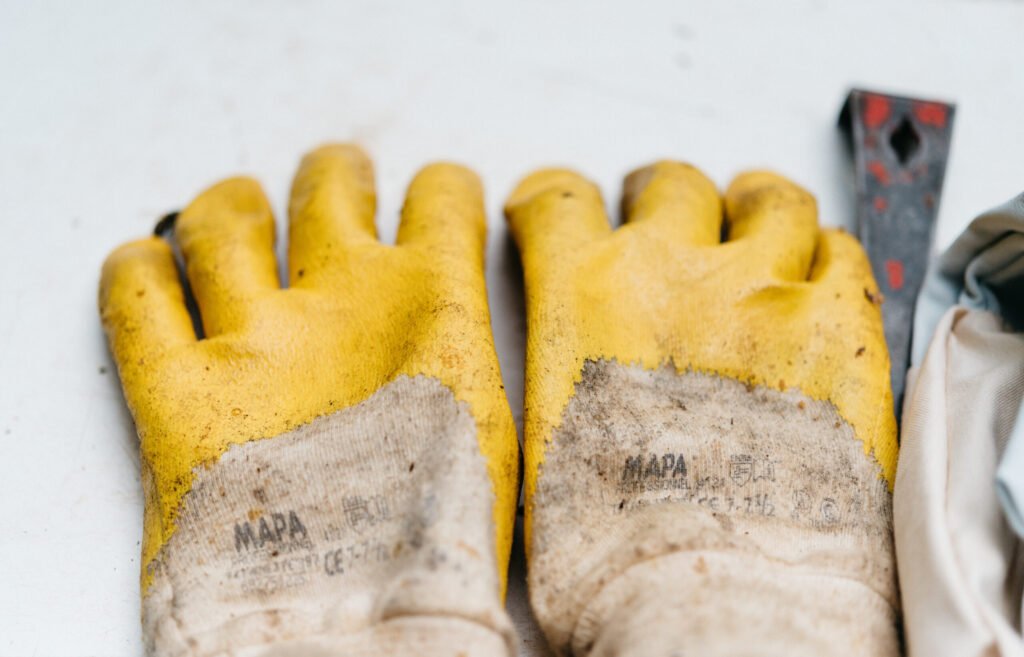
Materials like goatskin, ventilated cowhide, and nitrile-coated palms offer different trade-offs. A soft goatskin glove gives control for delicate work while a nitrile layer boosts grip. Consider cuff seals and sleeve length to keep insects out.
For product options and specs, see this selection of protective bee gloves and a practical gear guide for U.S. climates.
Table of Contents
- Why Proper Hand Protection Matters
- Understanding Materials for the Best Beekeeping Gloves for Beginners
- Achieving the Perfect Fit for Your Hands
- Comparing Leather and Synthetic Options
- Transitioning from Gloves to Barehanded Inspection
- Seasonal Considerations for Apiary Work
- Budgeting for Quality Beekeeping Gear
- Conclusion
- FAQ
Key Takeaways
- Prioritize protection when starting hive work to reduce sting risk.
- Choose material based on needed dexterity, ventilation, and durability.
- Check cuff seals and sleeve fit to prevent bee ingress.
- Keep spare gloves and inspect them regularly for wear.
Why Proper Hand Protection Matters
Video summary: Kingdom Bees Beekeeping compares several current glove models side by side for dexterity, ventilation, and sting resistance — a useful visual companion to the material comparisons below.
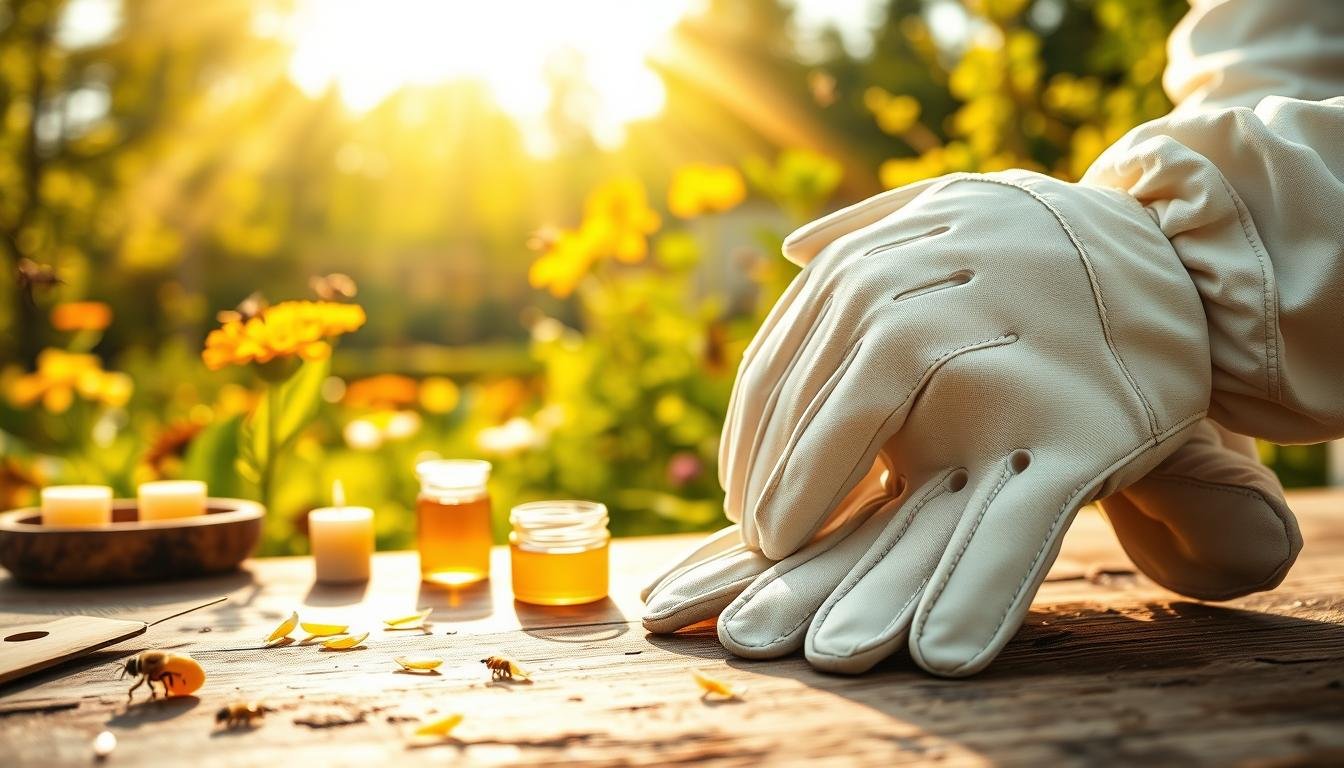
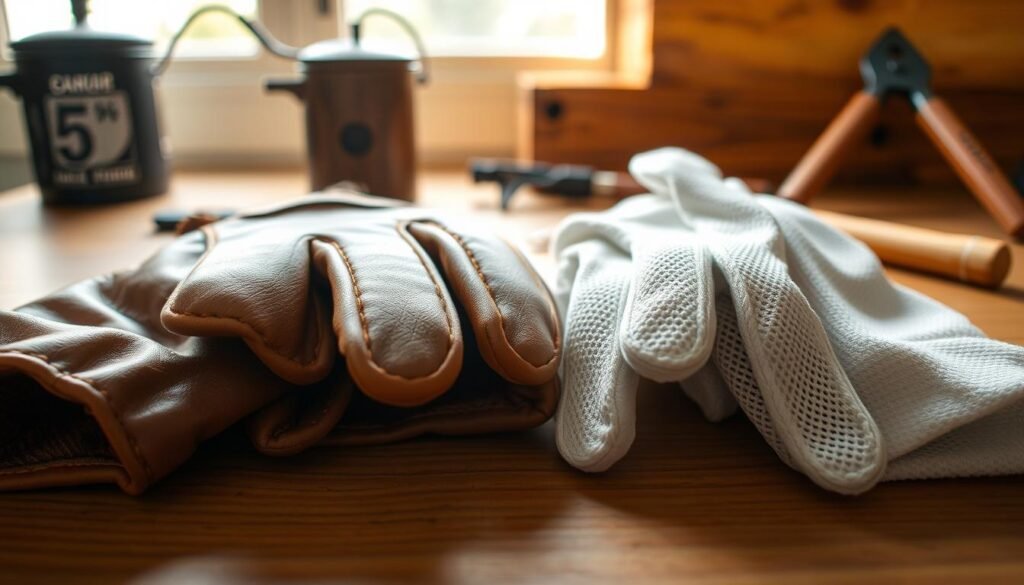
A pair of leather beekeeping gloves resting on a hive box — the balance of protection and dexterity new beekeepers should prioritize.
A reliable barrier on your hands lowers sting risk and preserves the dexterity you need during inspections.
Proper hand protection gives both comfort and defense. It reduces the pain of occasional micro stings, since a stinger often cannot fully penetrate through a barrier.
Maintaining high dexterity is crucial. Good gloves let beekeepers handle frames, tools, and bees without losing control or slowing work.
Even with a barrier you may still feel a sting, but incidents are usually milder when quality protective gear is used.
Learn more about selecting the right fit and material in this guide on how to choose proper gloves.
Understanding Materials for the Best Beekeeping Gloves for Beginners
Choosing the right material affects how much feel and protection you keep while working the hive.
Goatskin Leather Benefits
Goatskin leather gives a rare mix of sensitivity and durability. Walter T. Kelley makes an XS goatskin option that many find fits this balance. Goatskin lets you move fingers freely and still offers solid protection against stings.
Sensitivity is key when lifting frames or spotting brood. Goatskin often wins that range over thicker cow leather.
Synthetic and Mesh Innovations
New synthetics and mesh designs improve airflow and cut heat buildup. Some premium synthetic lines add extra covers and double-layer sting points at the fingertips to raise protection. Some models include antimicrobial coatings to keep gear cleaner between inspections.
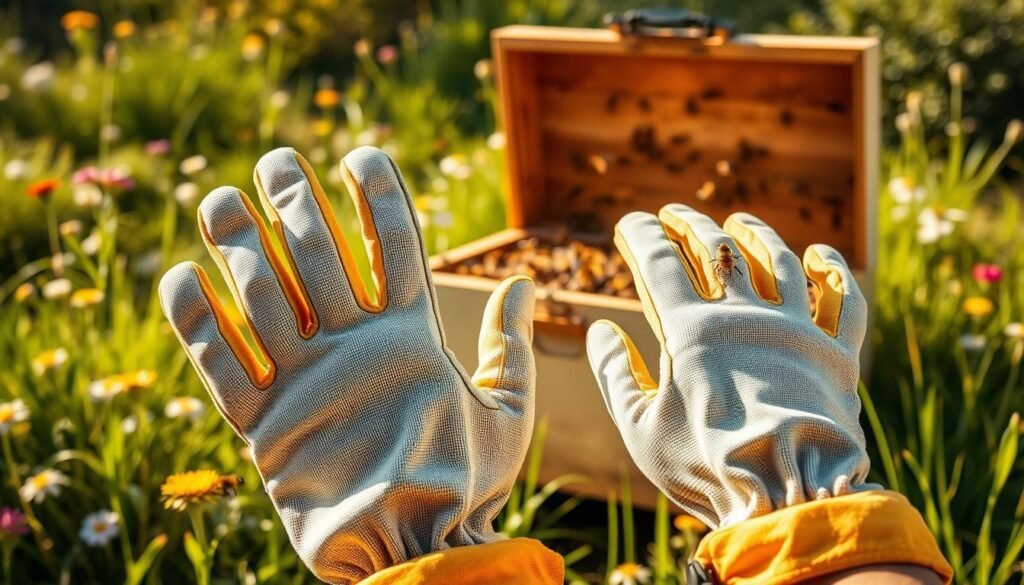
- Goatskin: good feel and durability.
- Synthetic: better ventilation and lighter weight.
- Pro Series: added sting layers and coverage.
| Material | Sensitivity | Durability | Ventilation |
|---|---|---|---|
| Goatskin | High | High | Moderate |
| Synthetic | Moderate | High | High |
| Mesh | Low | Moderate | Very High |
For more on choosing gear, visit gloves beekeeping.
Achieving the Perfect Fit for Your Hands
Getting the right fit starts with a simple hand measurement and a clear size chart. Gloves come in seven sizes: extra-small, small, medium, large, XL, XXL, and 3XL. Knowing your size before you place a shipping order saves time and returns.
Measuring for Accuracy
Measure your hand around the widest part of the palm and compare that number to the manufacturer’s chart. A snug glove improves dexterity and helps you slide frames without catching a cuff on hive hardware.
Note: snug gloves may let a micro sting through the material, yet they still offer better overall protection than loose fits that allow bees access under the cuff.
Tip: A well-fitted glove feels like an extension of your hand; it reduces fumbling and keeps inspections efficient.
- Always check size guides before finalizing a shipping order.
- A glove that is too large limits precise movements in the hive.
For model recommendations and detailed specs on protective options, see our protective gear essentials.
Comparing Leather and Synthetic Options
Compare leather and synthetic options by matching your work style to material traits like feel, airflow, and puncture resistance.
Leather, such as goatskin, usually gives superior sensitivity and a natural fit that helps with delicate hive tasks.
Leather often lasts longer under rough use and maintains a familiar range of motion. It can feel warmer in summer, though.
Synthetic models aim to protect without sacrificing dexterity.
Some balance protection and ease of movement with a textured grip, while others use a thin palm design to boost sensitivity while resisting punctures.
Synthetics usually deliver better airflow, so they suit hot, humid work best.
- Weigh sensitivity, durability, and ventilation when choosing.
Transitioning from Gloves to Barehanded Inspection
Moving from protective handwear to bare hands is a step that demands patience and careful judgment.
Start slowly. Use a trusted leather pair to learn calm handling and frame work. That builds feel and steady hands while you read colony cues.
Building Confidence with Bees
Begin with short checks. Wear thinner gloves after leather to gain dexterity. Practice gentle motions and avoid sudden moves.
Testing Hive Temperament
Observe activity before removing gear. A quiet hive often tolerates closer work. If the colony becomes agitated, put a glove back on and step away.
Safety Precautions
- Keep a spare pair in your pocket; hive mood can change day to day.
- Work when nectar flow is strong and colony is fed—this lowers sting risk.
| Stage | Tool | Risk Level | Action |
|---|---|---|---|
| Intro | Leather gloves | Low | Learn calm handling |
| Practice | Thin gloves | Moderate | Increase dexterity |
| Trial | Bare hands | Variable | Test temperament; keep gloves ready |
To stock smart tools while you progress, see our apiary tools guide.
Seasonal Considerations for Apiary Work
Weather drives what protection you wear; good gear adapts to humidity, temperature, and hive activity.
Summer inspections need high airflow and moisture-wicking materials. Choose models with ventilated palms or mesh panels so your hands stay cool and nimble.
Cold months call for insulated options that still let you move fingers freely. A thin leather liner under an insulated pair preserves dexterity while adding warmth.
Many modern goatskin designs offer year-round comfort by combining a soft leather palm with breathable backs. These hybrids give protection and ease of movement across seasons.
Maintain gear through the year: clean liners, dry leather slowly, and check seams before each use. Proper care keeps protection reliable and extends comfort over multiple seasons.
Budgeting for Quality Beekeeping Gear
Plan your gear budget around how often you work the hives and the level of protection you expect.
Quality beekeeping gloves typically range from $30 for basic models to $150 or more for professional-grade gear. Think of this as an investment in safety and durability rather than a one-time purchase.
Many beekeepers choose mid-range options ($60–$80) because they balance comfort, grip, and long life. If you prefer goatskin palms, expect a higher price but better feel and proven durability.
Bulk orders reduce per-pair cost: 15% off at 5+ pairs, 20% at 10+, and 30% at 20+. Factor discounts and shipping into your total so you can stock spares and avoid urgent replacements during the season.
Buy the right kit today and you protect your hand while handling bees across many inspections.
Tip: Investing in quality gear pays off through fewer replacements and steadier performance.
- Expect $30–$150 per pair; mid-range often offers the best value.
- Use bulk discounts to lower shipping impact and equip a team.
- See our practical choosing equipment page for planning.
For which starter kits include gloves, see the best beekeeping starter kits compared.
Conclusion
Your confidence at the hive grows when your hand protection feels natural and secure.
Selecting the right gloves is a key step in safe beekeeping. Pair them with a veil, suit, and sturdy footwear to reduce sting risk and stay calm during checks.
Choose a pair that balances touch and protection so you can handle frames without hesitation. Use smoke and suit up on each opening to lower colony stress and your risk of injury.
For common setup errors and safety tips, see top mistakes new beekeepers make.
Thanks for reading—equip well, move gently, and enjoy steady progress with your bees.
FAQ
What types of hand protection should a novice beekeeper consider?
Start with durable gloves that balance protection and dexterity. Goatskin leather offers puncture resistance and durability, while synthetic or mesh options provide better ventilation and fingertip sensitivity. Choose a pair that fits snugly at the wrist or connects to a jacket to prevent bees entering.
How do I measure my hand to get the right glove size?
Measure around the widest part of your palm (excluding the thumb) and across the length from wrist to the tip of your middle finger. Compare those inches with the manufacturer’s size chart. A slightly snug fit preserves dexterity; avoid overly loose styles that let bees inside.
Are leather gloves better than synthetic ones?
Leather, especially goatskin, resists stings and lasts long under heavy use. Synthetic gloves often weigh less and breathe better, reducing sweat and improving tactile feedback. Consider your hive climate, how often you work, and whether you need extra sensitivity for queen work.
Can I inspect hives without gloves as I gain experience?
Many beekeepers transition to barehanded inspections, but only after they gain control, learn bee behavior, and test hive temperament. Start with short, calm checks and remain ready to don protection if bees become defensive. Never rush this progression.
What safety precautions should I follow when working near hives?
Wear a veil and jacket, seal openings against bee entry, work during warm, sunny hours when foragers are out, and move calmly. Keep a smoker within reach and avoid strong scents. Have antihistamine or emergency contacts ready if you or helpers have severe reactions.
How do seasonal changes affect glove choice?
Hot months favor breathable synthetics or mesh to reduce sweating and overheating. Cold or wet seasons call for thicker leather or insulated options to maintain warmth and protection. Also factor in hive activity: spring inspections may require greater sensitivity; fall honey handling may need tougher gloves.
What should I do if I have a severe allergic reaction to stings?
Seek immediate medical attention. If you have known severe allergies, carry an epinephrine auto-injector and inform anyone working with you. Wearing complete protective gear reduces sting risk, but preparedness and a response plan are critical.