Reviewed by Thomas B. · How we review
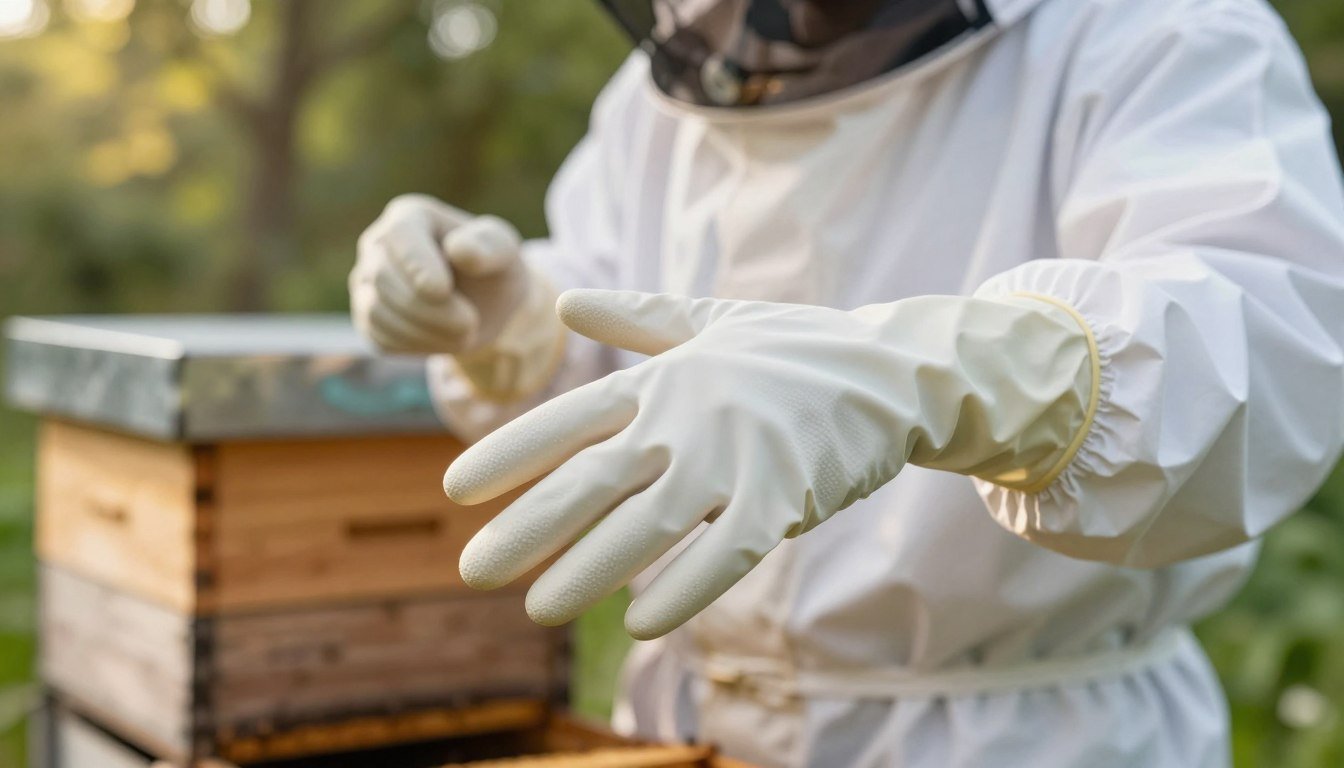
Clean beekeeping gloves are vital for every beekeeper who genuinely cares about colony health and their own personal safety during routine inspections. Regular washing removes sticky honey, wax, and propolis buildup that can otherwise hide pathogens and attract unwanted pests over time.
Dadant & Sons has supported beekeepers with quality gear and practical advice for well over 150 years now. Their guidance consistently highlights that proper, regular cleaning prevents disease spread between colonies and keeps protective gear working reliably season after season.
Choose the right material care approach for leather or synthetic gear, since treating them exactly the same way risks damaging one or the other over time and shortening its usable life. Start with warm water and mild soap, remove any visible debris first, then apply a suitable disinfection method afterward. For more detailed equipment steps, see the research on cleaning and sterilizing beekeeping equipment at Extension resources.
For flame or chemical disinfection options and important safety notes, consult this practical guide on using heat and disinfectants safely: bleach vs. flame sterilization for hive tools.
Key Takeaways
- Keeping beekeeping gloves clean protects both your hands and the broader colony health at once.
- Remove honey, wax, and propolis buildup completely before starting any disinfection step.
- Match cleaning methods carefully to the material: treat leather and synthetics quite differently from each other.
- Follow proven protocols and manufacturer guidance closely for the best long-term gear longevity.
- Store washed gear dry in a ventilated area to avoid recontamination.
Table of Contents
- Why You Must Sanitize Gloves Between Hive Inspections
- Material-Specific Cleaning Techniques
- Cleaning Leather Gear
- Washing Synthetic Gloves
- Advanced Disinfection and Storage Protocols
- Best Practices for Long-Term Maintenance
- Conclusion
Why You Must Sanitize Gloves Between Hive Inspections
Before opening frames, every beekeeper should check protective handwear for damage and contamination first. Inspect carefully for holes, thinning spots, or loose seams along the cuffs and fingertips. Damaged gear quickly loses protection and can let bees through at exactly the wrong moment during an inspection.
Dirty gloves can carry bacteria or fungal spores from a diseased hive and unknowingly spread them across your entire apiary within days. Sticky honey, wax, and propolis buildup stiffen the material and noticeably reduce dexterity over time. That increases the chance of accidental stings and lost control during otherwise routine inspections.
Using a proper disinfectant solution helps kill microbes left behind after a long, hands-on day working closely with the colony. Always remove debris before washing; skipping this step allows contaminants to embed deeper into leather or synthetic fibers where they are much harder to remove later.
- Check gear first: worn or thinning sections generally mean it is time for repair or full replacement.
- Clean residues: remove honey and propolis buildup by hand before ever reaching for water and soap.
- Disinfect: apply a recommended solution afterward for genuinely reliable, consistent hygiene.
If your current pair needs replacing, find the best beekeeping gloves for beginners.
Material-Specific Cleaning Techniques
Material-specific care preserves fit, flexibility, and protection during demanding apiary work. Treat leather and synthetics quite differently from one another so your protective gear lasts noticeably longer and stays genuinely safe to use throughout the season.
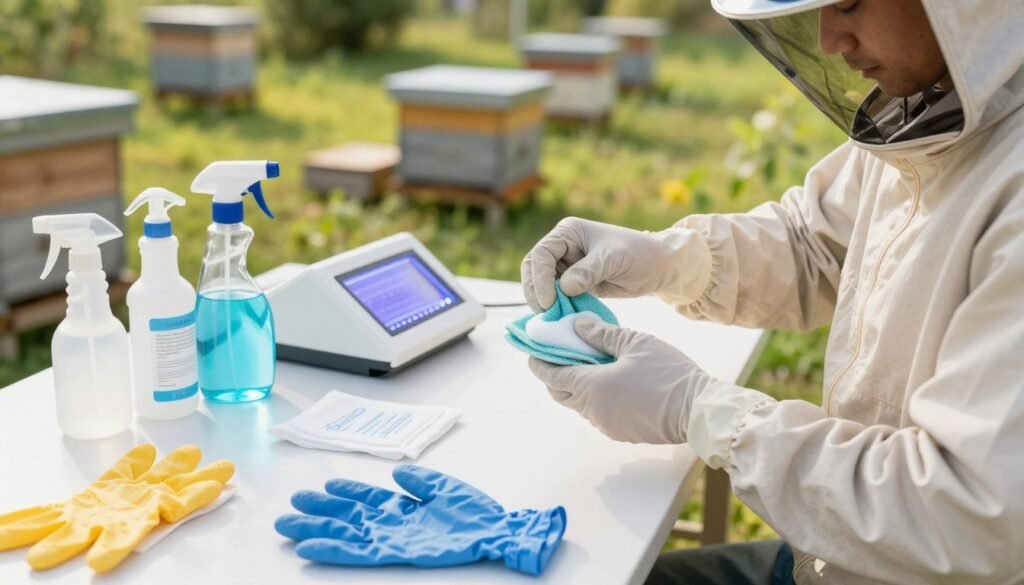
Cleaning Leather Gear
Most leather items, often made from goatskin or cowhide, need a gentle hand wash followed by a proper conditioner applied afterward. Start by using a stiff brush to clear away debris from cuffs and seams before any water ever touches the material.
Apply a small amount of mild soap onto a damp cloth and gently scrub the surface in small circular motions, working from the cuff toward the fingertips. Do not submerge leather in water at any point, since soaking can warp and stiffen the material permanently, shortening its overall usable lifespan.
Pat dry gently with a towel and allow the leather to air dry fully away from direct sunlight or any heat source. Once completely dry, use a leather conditioner to restore natural oils and protect against the acidic effects of propolis and wax over repeated exposure throughout the season.
Washing Synthetic Gloves
Synthetic options like nitrile and rubber are non‑porous and tolerate genuinely thorough washing without the same risks leather faces, which makes them a popular choice for beekeepers who inspect frequently.
- Use a mild soap and warm water solution to fully remove honey and wax residue.
- Rinse well and repeatedly to prevent any lingering soap residue, then allow to fully air dry.
- Avoid machine washing or agitation for leather items entirely; machine use is generally fine for most synthetics only.
For related equipment care, see how to clean plastic foundation.
Advanced Disinfection and Storage Protocols
Consistent cleaning paired with careful storage meaningfully reduces wear and limits the transfer of pathogens among colonies over a full season. Follow clear, repeatable steps for reliable long‑term maintenance that protect both material integrity and colony health at once.
Best Practices for Long-Term Maintenance
Disinfecting solution: mix one part bleach with nine parts water and soak the item fully for at least 10 full minutes. This diluted solution kills many common bacteria and meaningfully lowers cross‑contamination risk between colonies over time.
Rinse thoroughly with cool water after soaking to remove every trace of chemical residue that could otherwise agitate bees or damage the material over time.
- Allow items to air dry completely, taking as long as needed, away from direct sunlight and high heat sources.
- Store clean beekeeping gloves in a cool, genuinely dry place, ideally inside a sealable plastic bag to keep out dust, moisture, and insects.
- Avoid storing them together with other unrelated gear to prevent cross‑contamination across different hives.
- Inspect regularly and thoroughly for thinning material, holes, or damaged cuffs, and replace promptly whenever safety is genuinely compromised.
| Cleaning Step | Recommended Action | Additional Notes |
|---|---|---|
| Prepare the disinfecting solution | Mix roughly 1 part bleach to 9 parts water | Use protective gloves when mixing the solution; work in a well-ventilated area |
| Soak the item fully | Soak for at least 10 minutes, longer for heavily soiled items | Do not exceed the recommended exposure time for delicate leather items |
| Rinse and dry thoroughly | Rinse thoroughly with cool water, then set aside to fully air dry | Keep the drying items away from direct sunlight and any heat source |
| Store and inspect regularly | Use a sealable bag and keep separate from other unrelated tools | Replace promptly if the material shows visible wear, thinning, or holes |
Also consider practical advice about keeping separate tools for sick colonies at separate tools for sick colonies.
Conclusion
Caring for protective handwear is a small, consistent habit that genuinely protects both bees and beekeepers alike, season after season.
Proper, consistent maintenance of beekeeping gear ensures personal safety and directly supports colony health at the same time, season after season. Brush off debris first, wash with mild soap and water, then let items air dry fully for the best results possible.
Match your methods carefully to the material: treat leather gently and treat synthetics with a more thorough wash whenever needed. Disinfect only when genuinely needed and store clean items separately afterward so lingering honey residues do not invite pests into long-term storage.
Keep routines simple and consistent above all else. For a full step‑by‑step guide on cleaning and meaningfully extending the life of your gear, see clean beekeeping gloves.
FAQ
Why disinfect gloves after working with one colony and before opening another?
Cross-contamination between colonies spreads disease, hitchhiking pests, and unfamiliar pheromones from hive to hive. Cleaning prevents the transfer of foulbrood bacteria, varroa hitchhikers, and strong colony-specific scents that can otherwise agitate bees in the next hive you open. It also protects overall honey quality and keeps equipment genuinely safe for continued future use.
What cleaning agents are safe for beekeeping gloves made of leather or synthetic materials?
Use mild soap and warm water for routine cleaning of synthetic gloves like nitrile or latex, which tolerate washing well. For leather, choose a proper saddle soap or dedicated leather cleaner and always condition it afterward to avoid drying out and eventual cracking. Avoid harsh bleach or overly concentrated disinfectants that can weaken materials over time or leave a harmful residue behind on the surface.
Can I use household disinfectants such as bleach or isopropyl alcohol on gloves?
Strong bleach solutions and high-concentration alcohol can degrade glove materials over repeated use and can genuinely harm bees if any residue remains on the surface. If you do need a disinfectant, opt instead for diluted hydrogen peroxide or a commercial veterinary disinfectant used exactly per the label instructions, rinse thoroughly afterward, and allow complete drying before the gloves go back into use.
What is the best step-by-step routine for quick cleaning between colonies?
Remove excess propolis and wax first with a soft brush, rinse thoroughly with warm water, apply a small amount of mild soap and gently scrub the surface, rinse again until no soap residue remains at all, then air dry away from direct sunlight. For synthetic gloves this whole routine takes only a few minutes; leather instead needs gentler cleaning and a proper conditioning step afterward.
How should I dry gloves to avoid damage and contamination?
Air dry gloves flat on a clean towel in shade or indirect sunlight to prevent any heat-related damage to the material. Do not use high heat sources or clothes dryers under any circumstances, since heat can warp both leather and synthetics. Ensure the cuffs stay open so the interior lining dries fully as well. Drying completely, inside and out, prevents mold growth and lingering odors from developing.
How often should I deep clean or replace gloves?
Deep clean gloves whenever they become visibly soiled, immediately after contact with diseased frames, or simply on a periodic basis throughout the season. Inspect regularly for tears, thinning spots, or hardening in the material; replace any gloves that allow stings through or show clear signs of material breakdown. Leather may need fresh conditioning every few months to stay supple; synthetics can typically be replaced yearly, or sooner if visibly damaged.
Is it acceptable to use a small amount of disinfectant spray instead of washing between inspections?
A light mist of an approved disinfectant can work reasonably well for quick turnover between short inspections, but it must still be followed by rinsing or sufficient contact time exactly per the product instructions. Sprays are best treated as a helpful adjunct, never as a full replacement for proper cleaning whenever propolis, wax, or other visible debris is actually present on the gloves.
How do I remove sticky propolis and wax from gloves effectively?
Warm water combined with gentle scrubbing will loosen most wax fairly easily. For stubborn propolis that resists this, soak briefly in warm, soapy water or use a plastic scraper to lift it away. Avoid metal tools entirely, since they can cut or nick the material underneath. After removal, rinse thoroughly and dry completely to prevent any residue from building up over repeated uses.
What storage practices prevent contamination and extend glove life?
Store gloves only once clean and fully dry, in a cool, well-ventilated area away from direct sunlight and any strong chemicals nearby. Use sealed bins for long-term storage to keep out dust, moisture, and pests over the off-season. Keep leather items properly conditioned and stored separately from rough tools that could otherwise cause abrasions or tears.
Can glove hygiene reduce the risk of stings and improve safety?
Clean, well-maintained gloves fit noticeably better and have far fewer weak spots overall, which directly lowers sting risk during handling. Removing debris regularly and maintaining material integrity also prevents unexpected tears at the worst possible moment. Combine consistent glove care with proper veil, suit, and smoker use together for genuinely the best overall protection.
This connects closely with what we cover in our guide on how to reduce stress during hive inspections.