Last Updated September 15, 2026
A poorly chosen bee smoker doesn’t just make hive inspections more annoying; a thin-walled, undersized, or badly designed one can burn out mid-inspection, scorch a beekeeper’s hands through an inadequate heat shield, or simply fail to produce the steady, cool smoke that actually calms a colony effectively. While this site has already covered the fuel that goes inside a smoker, the smoker itself, its size, construction material, and design features, deserves its own dedicated buying guide. This guide covers what actually matters when choosing a bee smoker: construction material and durability, size and burn time, bellows quality, heat shield design, the actual science behind why smoke works, and how to match a smoker to your specific apiary size.
Table of Contents
- Key Takeaways
- Basic Smoker Anatomy
- Why Smoke Actually Calms Bees
- Stainless Steel vs. Galvanized Construction
- Size and Burn Time: Matching a Smoker to Your Apiary
- Bellows Quality and Feel
- Heat Shields: A Genuine Safety Feature, Not an Optional Extra
- Ash Cleanout and Maintenance Features
- Quick Comparison by Size and Material
- Nozzle Shape and Smoke Direction Control
- Handle and Grip Comfort
- Off-Season Storage and Shutdown Technique
- Common Mistakes
- Frequently Asked Questions
Key Takeaways
- Smoke doesn’t sedate bees chemically — it masks the alarm pheromone guard bees release, a mechanism confirmed by entomologist Dr. Stephanie Gage’s 2018 Journal of Insect Science study, reported by the Entomological Society of America.
- Material is the single biggest long-term cost factor: stainless steel resists rust and heat degradation far better than galvanized steel across repeated seasonal heating/cooling cycles, even though it costs more upfront.
- A wire heat shield isn’t cosmetic — it creates a real air gap that meaningfully reduces contact-burn risk, and its absence is a genuine safety gap worth checking for before buying.
- A 4×10 inch wire-guarded stainless barrel is a commonly referenced standard size, adequate for most hobbyist apiaries without constant mid-inspection refueling.
- University of Delaware’s Mid-Atlantic Apiculture Research and Extension Consortium (MAAREC) recommends corking the smoker hole and laying it on its side to shut off airflow at the end of a session — a simple habit that meaningfully extends smoker life and keeps it ready to relight quickly next time.
Basic Smoker Anatomy
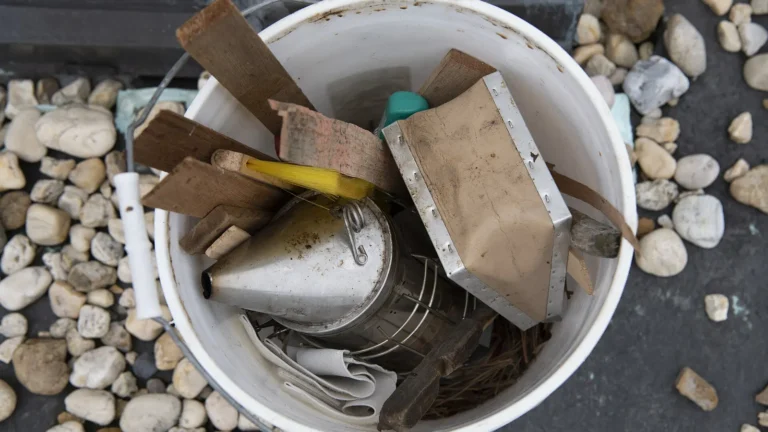
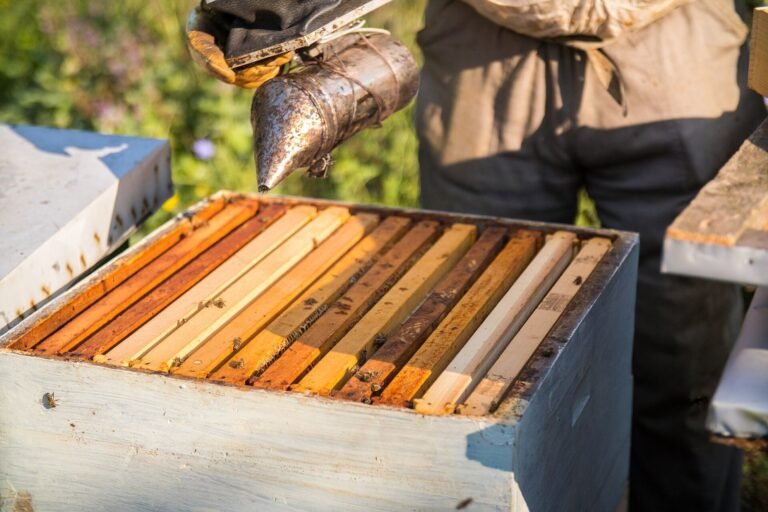
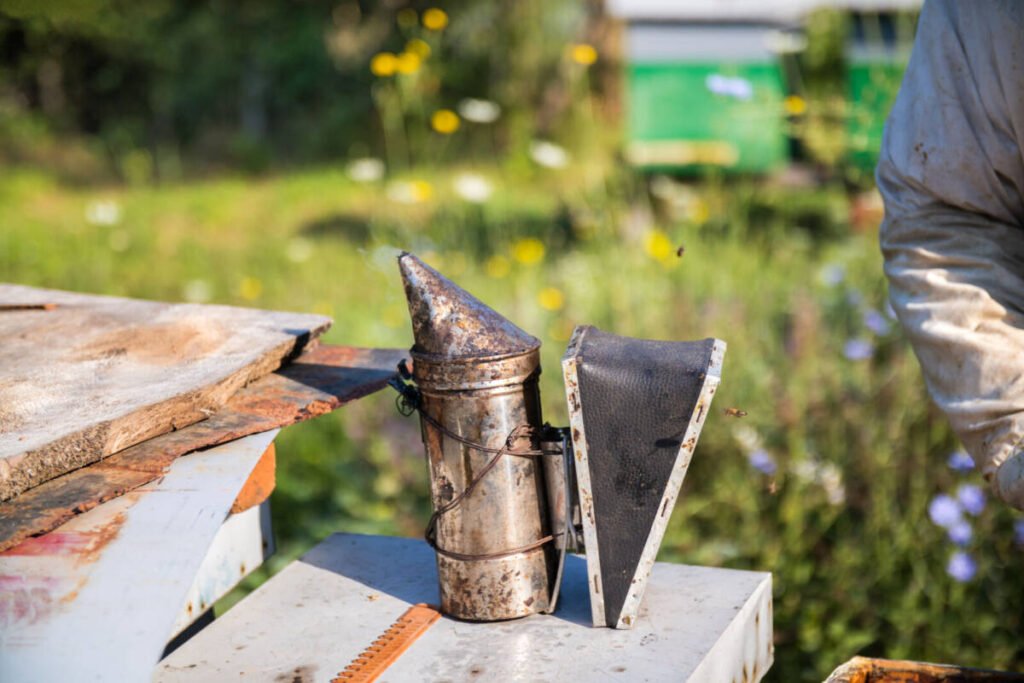
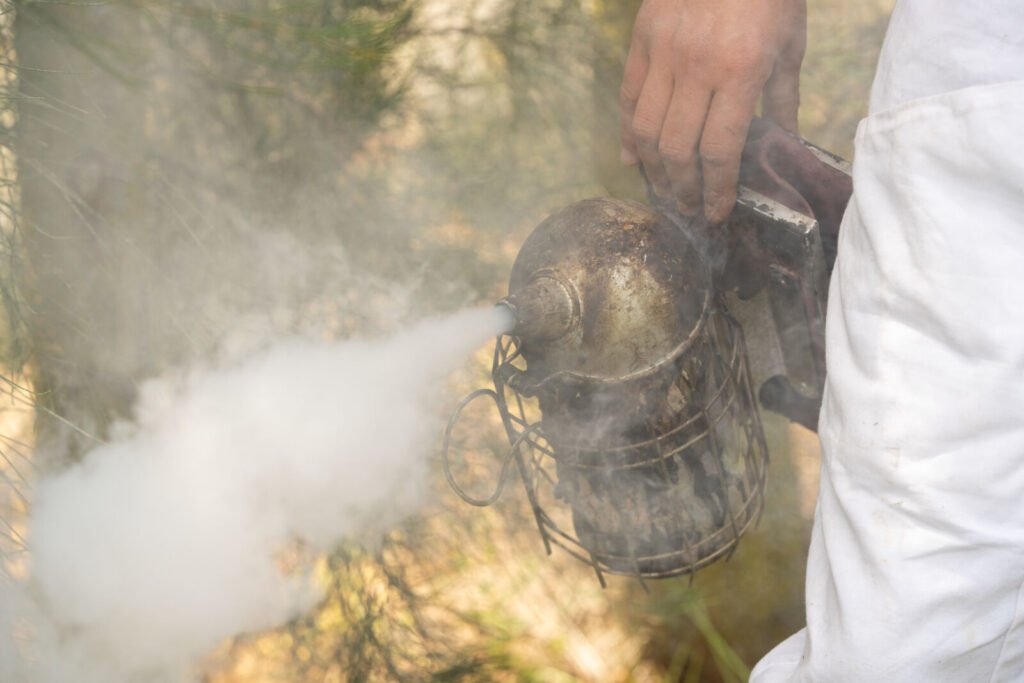
Every standard bee smoker shares the same core components: a metal firebox (often called the barrel) where fuel actually burns, a nozzle at the top that directs smoke output, an attached bellows that pumps air into the firebox to keep the fuel smoldering, and, on better-designed models, a wire heat shield or cage surrounding the barrel.

Understanding these core parts makes it considerably easier to evaluate the genuine quality differences between specific models rather than just comparing price alone. For the genuinely interesting backstory of how this design came to be, including the specific American inventors credited with it, see this site’s history of the bee smoker.
Why Smoke Actually Calms Bees
Most buying guides skip straight to material and size without explaining why any of this works in the first place, but understanding the actual mechanism helps explain why “cool, white smoke” is the real target, not just volume. Guard bees release alarm pheromone (primarily isopentyl acetate) when they sense a threat, and this chemical signal is what recruits nearby bees into a defensive response. Smoke works by masking that pheromone signal and temporarily interfering with the bees’ sense of smell, rather than by sedating the bees directly. A 2018 study by entomologist Dr. Stephanie Gage, published in the Journal of Insect Science and reported by the Entomological Society of America, found that smoke measurably reduces venom droplet release during a bee’s sting response — direct evidence for how smoke interrupts the alarm cascade rather than simply masking a smell.
“We were looking for a repeatable way to ‘pester’ an individual bee that would be consistent among bees.”
This is also why a smoker that produces harsh, hot, or thin smoke genuinely underperforms regardless of price: the goal is a steady volume of cool smoke sustained over the length of an inspection, which is a bellows and airflow design problem as much as a fuel problem.
Stainless Steel vs. Galvanized Construction
Smokers are typically built from either stainless steel or galvanized steel, and this material choice genuinely matters for long-term durability. Stainless steel resists rust and heat-related degradation considerably better over years of regular use and generally holds up longer under the repeated heating and cooling cycles a smoker experiences every time it’s lit, making it the more durable, if typically more expensive, choice for a beekeeper planning to use the same smoker for many seasons. Galvanized steel models are usually more affordable upfront but can show wear, rust, or coating breakdown from heat exposure meaningfully sooner than a stainless equivalent, an honest tradeoff worth weighing against actual budget and expected years of use.

Size and Burn Time: Matching a Smoker to Your Apiary
Smokers are commonly sold in a few standard barrel sizes, generally described by height and diameter — a 4×10 inch wire-guarded stainless barrel, like the reference example pictured above, is a commonly cited standard configuration — with larger barrels holding meaningfully more fuel and therefore burning longer between refills than smaller ones. A hobbyist with just one or two hives can usually get by comfortably with a smaller smoker, since a full inspection round is quick enough that burn time rarely becomes a limiting factor, while a beekeeper managing many hives or doing extended apiary visits genuinely benefits from a larger-capacity smoker that won’t need mid-inspection refueling.
Bellows Quality and Feel
The bellows is genuinely one of the most failure-prone components on a lower-quality smoker, and differences in bellows material and construction meaningfully affect both durability and the actual feel of pumping air during use. Leather bellows are traditionally regarded as offering a smoother, more durable pumping action over time compared to lower-cost synthetic or vinyl alternatives, though quality synthetic bellows on better-made modern smokers can still perform reliably; a genuinely stiff, awkward, or quickly cracking bellows is a real quality red flag worth checking for, ideally by physically testing the pump action before buying when possible.
Does galvanized coating pose any safety concern when heated repeatedly inside a smoker?
Reputable smoker manufacturers design galvanized models to withstand normal smoker operating temperatures safely, though the coating can still degrade with heavy long-term use, which is more a durability and longevity consideration than an acute safety issue for a smoker used and maintained as intended.
Heat Shields: A Genuine Safety Feature, Not an Optional Extra
A wire cage or heat shield surrounding the smoker’s barrel is a genuinely important safety feature rather than a purely cosmetic addition, since it creates a protective air gap between the beekeeper’s hand and the barrel’s hot outer surface, meaningfully reducing burn risk during handling, especially when a smoker is set down on the ground or handed off during an inspection. Smokers without any heat shield at all require considerably more careful handling to avoid accidental contact burns, making a heat shield a genuinely worthwhile feature to prioritize rather than treat as a minor extra, particularly for less experienced beekeepers still building comfortable smoker-handling habits.
Ash Cleanout and Maintenance Features
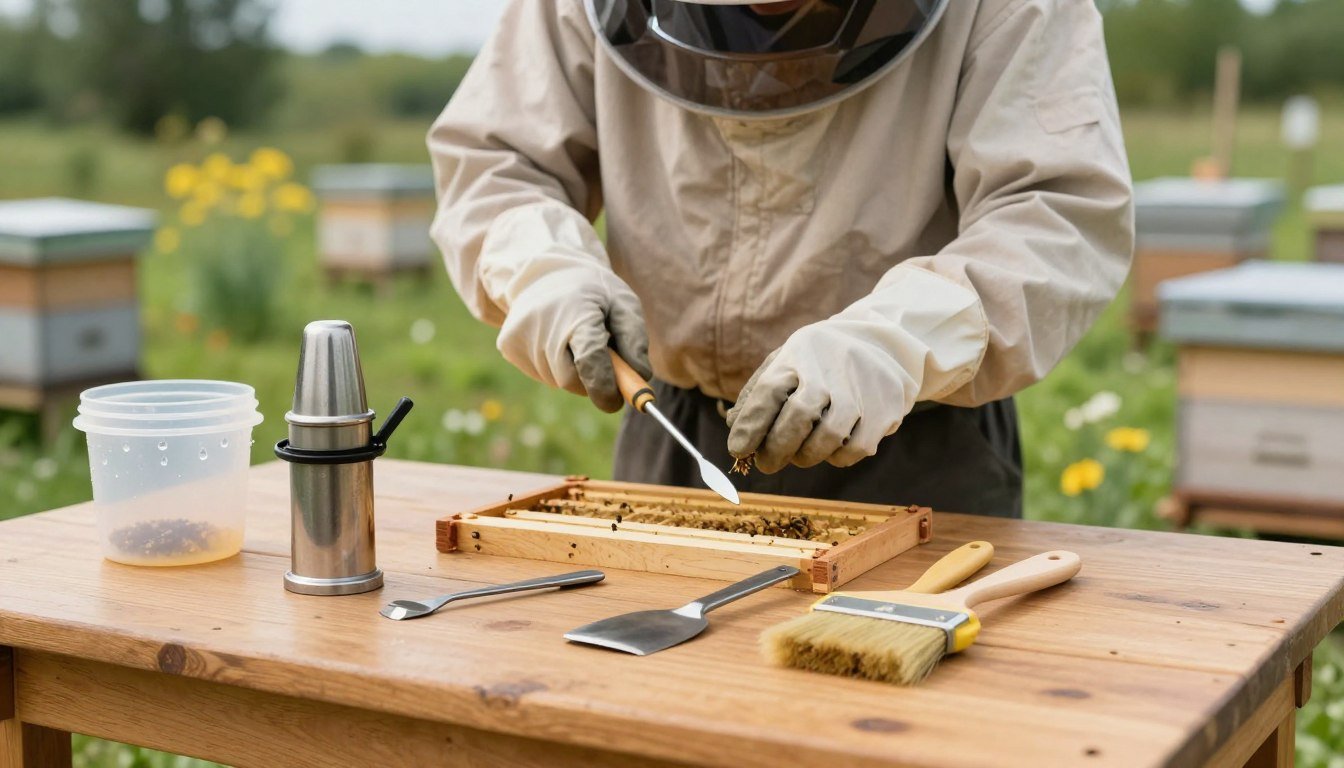
Better-designed smokers include a removable or hinged bottom grate specifically to make ash and spent fuel cleanout easier between uses, a genuinely practical feature that meaningfully affects how quickly a smoker can be prepped for the next use. Readers wanting more detail on keeping a smoker and other hive tools properly sanitized between uses, particularly important when working across colonies with different health statuses, can find more depth in this site’s guide to sanitizing smoker and hive tools.
Quick Comparison by Size and Material
| Configuration | Best For | Tradeoff |
|---|---|---|
| Small, galvanized | Hobbyists with 1-3 hives, budget-conscious buyers | Shorter lifespan, shorter burn time |
| Small, stainless | Hobbyists wanting long-term durability | Higher upfront cost for the size |
| Large, galvanized | Multi-hive beekeepers on a budget | Bulkier, moderate lifespan |
| Large, stainless (e.g., 4x10in wire-guarded) | Commercial or serious multi-hive operations | Highest upfront cost, longest lifespan and burn time |
Nozzle Shape and Smoke Direction Control
The nozzle at the top of a smoker, sometimes a simple open cone and sometimes a more directional, narrower spout, genuinely affects how precisely a beekeeper can direct smoke exactly where it’s needed during an inspection, whether that’s across the top bars before opening a hive or gently toward a specific frame area. A narrower, more directional nozzle generally offers more precise control for targeted smoke application, while a wider opening tends to produce a broader, less focused smoke output, a genuine practical difference worth considering alongside the more commonly discussed material and size factors.
Handle and Grip Comfort
Given how frequently a smoker gets picked up, set down, and repositioned during a typical hive inspection, handle design and overall grip comfort genuinely affects the practical day-to-day experience of using a smoker, even though it’s a feature easy to overlook when comparing specs on a product listing. A well-designed handle, positioned to stay cool even as the barrel heats up and shaped for a secure, comfortable grip, is a genuinely worthwhile detail to check for, particularly for beekeepers who do extended apiary visits or manage multiple hives in a single session.
Off-Season Storage and Shutdown Technique
How a smoker is stored between active seasons genuinely affects its long-term condition just as much as the initial build quality, since leaving unburned fuel residue and moisture inside the barrel over winter can accelerate rust and corrosion, particularly on galvanized models. The University of Delaware’s Mid-Atlantic Apiculture Research and Extension Consortium (MAAREC) recommends a specific end-of-session habit worth adopting every time, not just before winter storage: plug the smoker’s nozzle hole with a cork and lay it on its side to cut off airflow and smother the fire, rather than letting it burn out on its own or dumping hot ash. Cleaning out remaining ash and fuel debris, allowing the barrel to fully dry, and storing the smoker somewhere protected from damp conditions between seasons is a genuinely simple habit that meaningfully extends a smoker’s usable lifespan regardless of which material or price point was originally chosen.
Common Mistakes
The most common mistake is buying the cheapest available smoker without considering material durability, then needing a replacement within a season or two once rust or bellows failure sets in, when a modest upfront investment in stainless construction often proves more economical over several years of use. Another mistake is choosing a smoker size based purely on price rather than actual apiary size, leaving a multi-hive beekeeper constantly refueling mid-inspection with an undersized unit. People also sometimes overlook the heat shield entirely when comparing models, focusing only on barrel size and price, despite it being a genuinely meaningful factor in day-to-day safe handling, and a genuinely dangerous mistake specific to shutdown is dumping still-smoldering ash directly onto dry grass or into a regular trash container rather than dousing or burying it.
A shielded smoker is one of the most practical presents; see more gifts for beekeepers.
Some starter kits already include a smoker; see which beekeeping starter kits include what.
For same-day prices at the three big suppliers, see smoker prices at Dadant, Mann Lake and Betterbee.
Frequently Asked Questions
Do more expensive smokers actually smoke noticeably better than budget models, or is the difference mostly durability?
The core smoke-production function works similarly across most reasonably made smokers regardless of price once properly lit and fueled, so the meaningful differences buyers are actually paying for at higher price points are generally durability, bellows quality, and design refinements like heat shields and nozzle control rather than a fundamentally different smoke-generating capability.
How long should a well-maintained bee smoker realistically last?
A quality stainless steel smoker with proper care and regular cleaning, including the cork-and-lay-on-its-side shutdown habit covered above, can reasonably last many years of regular seasonal use, while a lower-cost galvanized model may need replacement sooner, particularly if used heavily or stored without adequate rust protection between seasons.
Do smoker quality differences actually affect how well smoke calms bees, or is that mostly about fuel choice?
Fuel choice, covered in more depth in this site’s guide to the best smoker fuel for beekeeping, plays the larger role in smoke quality itself, though a well-designed smoker with a properly functioning bellows does make it easier to maintain the steady, controlled airflow needed to keep fuel smoldering cleanly rather than flaring or going out.
Should a beginner beekeeper buy a smoker as part of a starter kit, or purchase one separately for better quality?
Starter kit smokers can be a reasonable, budget-friendly way to get started, though buyers should still check the same core quality factors, material, bellows, heat shield, covered throughout this guide, since kit-included smokers sometimes prioritize low cost over the durability features a standalone purchase might offer at a similar price point.
Are there genuine smoke-free alternatives worth considering instead of a traditional smoker?
Yes, some beekeepers do use smoke-free calming methods in certain situations, and readers curious about that alternative approach can find a full discussion in this site’s guide to smoke alternatives for hive calming, though a traditional smoker remains the standard, most widely used tool for the vast majority of beekeepers.
Can a damaged bellows on an otherwise good smoker be repaired rather than replacing the whole unit?
In many cases yes, since bellows leather or fabric can sometimes be patched or professionally repaired, and replacement bellows are available for some smoker models, making a bellows repair or replacement a genuinely reasonable option to extend the life of an otherwise sound, well-built barrel rather than automatically buying an entirely new smoker.
For further verification of the material covered in this guide, see the American Bee Journal, the beekeeping industry’s longest-running trade publication.
Further Reading
- The History of the Smoker: From Ancient Bee Hunters to Modern Bellows
- Best Smoker Fuels for Calm Bees
- Bleach vs Flame Sterilization for Hive Tools Compared
- Smoke Alternatives for Hive Calming
- Beekeeping Equipment: Essential Tools for Every Beekeeper
Image credits: Photo: Ivan Radic, via Wikimedia Commons. Licensed CC BY 2.0; Photo: Robert Engelhardt, via Wikimedia Commons. Licensed CC BY-SA 3.0 / GFDL; Photo: Skander Zarrad, via Wikimedia Commons. Licensed CC BY-SA 4.0.