Reviewed by Thomas B. · Last Updated September 23, 2026 · How we review
Quarantine used beekeeping equipment in six stages. Before you pay, check where it came from. At pickup, refuse the high-risk items. Store what you keep in a bee-tight holding area away from your apiary. Sort every piece into keep, clean, or destroy, then sterilize what you keep. Finally, watch the first colony you house in it through at least two full brood cycles. The main danger is American foulbrood (AFB). Its spores can survive in stored equipment for decades, and washing or airing out the boxes does not kill them.
The checklist below takes you from the classified ad to the day the gear goes back into service. It explains the reason behind each step and marks the points where you should walk away from a deal.
Key Takeaways
- Penn State Extension notes that AFB spores can stay dormant in used equipment for 70 years or more. Equipment that has been empty for years is not automatically safe.
- Used brood comb is the riskiest item you can buy. It can carry disease spores and years of accumulated pesticide residue, so replace it rather than reuse it.
- Your bees are at risk before you ever use the gear. Honey residue in stored boxes draws robbing bees, so keep incoming equipment sealed and bee-tight.
- Scraping and scorching wooden boxes to a light brown is the standard at-home treatment. Gamma irradiation is the only method that treats frames and comb as well.
- Before you buy, you can send a comb sample to the USDA Bee Research Laboratory in Beltsville for free disease diagnosis.
Table of Contents
- Why Used Gear Needs a Quarantine
- Stage 1: Before You Pay
- Stage 2: At Pickup
- Stage 3: The Holding Area
- Stage 4: Sort Every Item
- Stage 5: Clean and Sterilize What You Keep
- Stage 6: Return to Service and Watch
- Rules and Help in North Dakota and Minnesota
- Frequently Asked Questions
Why Used Gear Needs a Quarantine
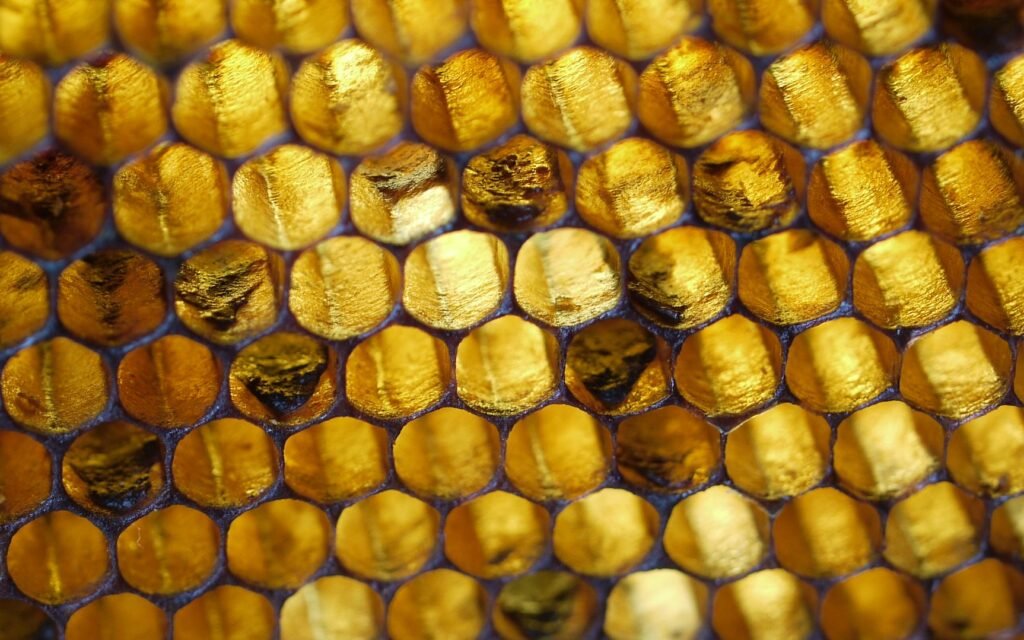
American foulbrood is a bacterial disease of bee larvae, and its spores are extremely tough. Penn State Extension’s American foulbrood fact sheet (López-Uribe and Underwood) says the spores can remain dormant in colonies or used equipment for 70 or more years. It also says a single dried scale left by a dead larva may hold perhaps 100 million spores. Washing, bleaching, or leaving boxes in the sun does not reliably kill them. A box that looks clean can still infect a colony.
AFB is not the only concern:
- Other brood diseases. European foulbrood and chalkbrood can also travel on comb and in debris.
- Pests. Wax moth eggs and larvae, and small hive beetle stages, hide in stored comb and in cracks in the woodwork.
- Pesticide residue. A 2010 study in PLoS ONE by Mullin and colleagues (High Levels of Miticides and Agrochemicals in North American Apiaries) found 121 different pesticides and metabolites across 887 samples. It found fluvalinate and coumaphos in 98 percent of comb and foundation wax samples. Old brood comb carries whatever its previous owner and their neighbors used.
The quarantine protects your bees in two ways. It keeps the gear away from your colonies until you have checked and treated it. It also stops your own bees from robbing out honey residue from boxes stacked in the garage, which is how disease from a seller’s yard can reach yours before you even use the equipment.
Stage 1: Before You Pay
Most of the risk can be screened out with a few questions. Ask them before you hitch the trailer.
- Why is it for sale? A retiring beekeeper or someone who quit after a season is a lower risk. Colonies that “just died out” with no clear cause need a closer look.
- Has the seller ever had AFB, or been told to burn equipment? If yes, or if they are not sure, walk away. Penn State’s advice is simple: do not buy equipment from a beekeeper who has had AFB.
- Are there inspection records? A licensed seller in a state with an inspection program may have them. Ask to see the paperwork.
- When were the boxes last in use, and how have they been stored? Boxes stored bee-tight are a better bet than boxes left open in a shed, where robbing may already have spread whatever was inside.
- Can you see it before you pay? If there is brood comb with dead brood in it, ask the seller for a sample. You can send it to the USDA ARS Bee Disease Diagnosis Service, which examines samples from U.S. beekeepers free of charge. It asks for a piece of comb at least 2 by 2 inches, wrapped in paper, not plastic or foil.
If a seller will not answer these questions, count that as an answer in itself.
Stage 2: At Pickup
Bring a flashlight, a hive tool, and a matchstick or twig. Open a sample of boxes and frames on the spot. Take a close look at anything that held brood.
- Dried scales. Look for dark, flat scales stuck to the lower side wall of brood cells that the bees could not remove. These are a classic sign of AFB. Any you find mean the whole lot should be refused.
- Sunken or perforated cappings on old capped brood left in a deadout.
- Odor. A sour or rotten smell from stored brood comb is a warning sign. Our guide to what foulbrood smells like explains what to note, and why smell alone never confirms a diagnosis.
- Pest damage. Webbing, cocoons, and gouged wood point to wax moth. Slimed, fermenting comb points to small hive beetle.
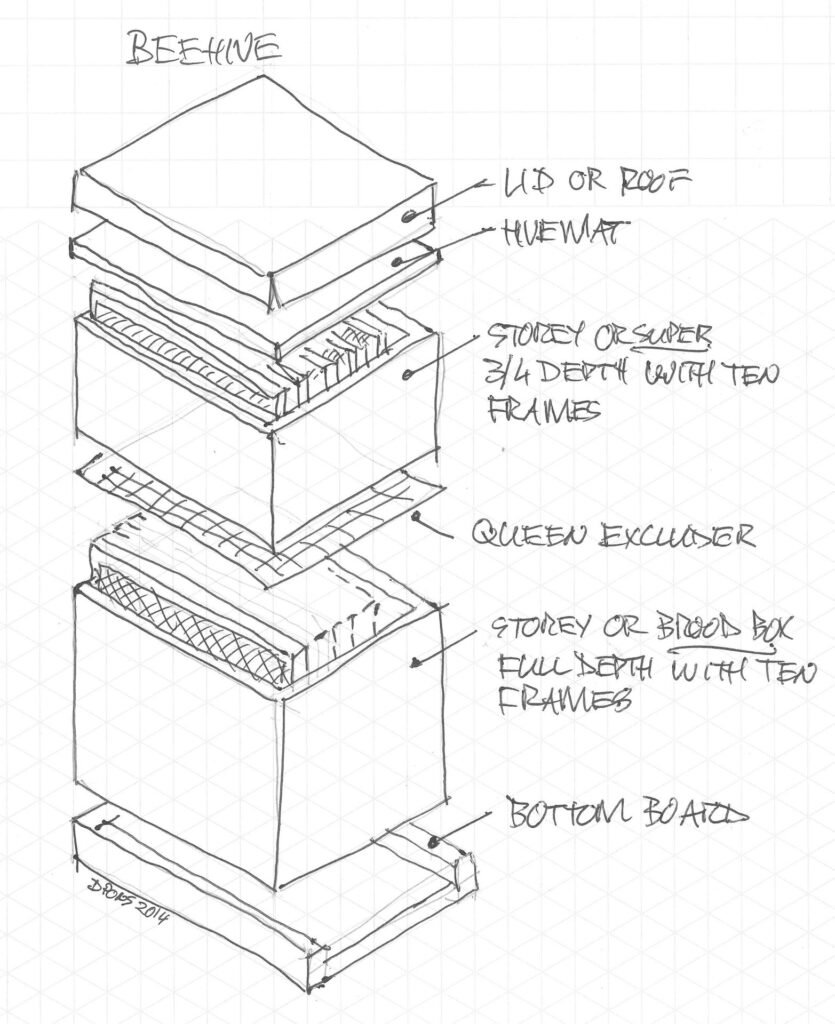
- Structural condition. Rot, broken joints, and mismatched dimensions can make a bargain box useless. Check that frames and boxes match the size you already run. Langstroth boxes come in 8-frame and 10-frame widths and several depths, and older or home-built boxes can be far enough off standard to break bee space, leaving gaps the bees fill with burr comb and propolis. Measure before you buy.
Load everything into sealed bins, or wrap the stack in a tarp for the drive home. This stops bees from finding honey residue at stops along the way and keeps comb debris from blowing onto the road.
Stage 3: The Holding Area
Pick a holding spot before the gear arrives. It needs to be:
- Bee-tight. Use a closed building, sealed totes, or a stack with a solid lid and floor and all gaps taped. Robbing is the main way stored equipment spreads disease to healthy colonies.
- Away from your apiary. Do not store it in the bee yard or in the shed next to it.
- Labeled. Mark every box, frame bundle, and bin with the source and date, and keep it separate from your own gear. The same system we use for labeling quarantined hives works for equipment. Use a status tag such as “QUARANTINE: source, date, not yet treated.”
- Treated as off-limits. Nothing moves from the holding area into the apiary until it has been through Stage 5. This is the same rule we recommend in our guide to preventing disease spread between apiaries: anything of unknown health stays quarantined.
Handle quarantined gear with your own tools, and clean them afterward using the steps in how to disinfect hive tools after disease.
Stage 4: Sort Every Item
Not every item carries the same risk. Sort each one into a pile before you spend time cleaning.
| Item | Risk | Verdict |
|---|---|---|
| Drawn brood comb | Highest: spores, pests, pesticide residue | Destroy or render the wax. Keep it only if irradiated, and even then consider replacing it. |
| Honey supers with drawn comb (never used for brood) | Moderate: honey residue can carry spores | Keep only from a known-clean source; otherwise irradiate or replace. |
| Frames without comb | Moderate: residue in grooves and joints | Scrape and scorch, or replace, since new frames are cheap. |
| Plastic foundation or plastic frames | Moderate: cannot be scorched | Scrape and wash, then soak in chemical disinfectant; irradiate if from an unknown source. |
| Brood boxes, supers, bottom boards, inner covers (wood) | Moderate: spores in corners and cracks | Scrape, then scorch the inside faces and edges to light brown. |
| Outer covers, stands | Low | Scrape and scrub. |
| Metal tools, smokers, queen excluders | Low to moderate | Scrape, then flame or disinfect. |
| Feeders | Moderate: syrup and honey residue | Clean and disinfect thoroughly, or replace. |
| Suits, veils, gloves | Low | Launder suits; replace leather gloves if heavily soiled. |
| Extractors, uncapping tanks | Low to moderate: honey residue | Wash thoroughly with hot water before any honey contact. |
Frames and comb are where the value of a used lot and its risk both sit. If the deal only works because of the drawn comb, it is often not worth it.
Stage 5: Clean and Sterilize What You Keep
Scrape first
Remove every bit of wax and propolis with a hive tool or paint scraper, paying close attention to corners, frame rests, and hand holds. Spores hide in the residue, and neither heat nor chemicals work well through a layer of wax.
Scorch woodenware
Penn State recommends scorching wooden surfaces with a propane torch until they turn light brown. Focus on the inside walls, corners, and top and bottom edges. Work outdoors, away from anything flammable, and keep a bucket of water nearby.
Disinfect what cannot be flamed
Plastic, painted surfaces, and feeders need chemical disinfection after scraping. Our guide to disinfecting tools after disease sets out bleach strengths for U.S. bottle concentrations and explains which methods kill AFB spores and which do not.
Irradiation for frames and comb
Gamma irradiation kills microorganisms on and inside equipment, including comb, without leaving residual radiation. Penn State researchers describe it on the López-Uribe Lab site. Access usually comes through club-organized pallet runs to a commercial facility, and these are more common in the eastern U.S. Ask your state beekeepers’ association whether a run is planned.
What freezing does and does not do
Freezing kills wax moth and small hive beetle stages in comb, which is useful before storage. It does nothing to foulbrood spores. For freezing comb you already trust, see how to clean a deadout for reuse.
Stage 6: Return to Service and Watch
Once the equipment is treated, put it back into use gradually and keep an eye on it.
- Start with one colony. House a single strong colony or a new package in the treated equipment, rather than spreading the gear across your yard.
- Inspect the brood closely. Look at the brood pattern at every inspection for at least the first two full brood cycles (roughly six weeks). Watch for a spotty pattern, sunken or perforated cappings, discolored larvae, and scales.
- Know the look-alikes. Not every problem is AFB. Compare what you see against our guides to early signs of European foulbrood and sacbrood versus chilled brood.
- Keep the label on. Record the source and treatment date on the boxes, so any later problem can be traced back.
If you see anything suspicious, stop moving frames between colonies and send a sample for diagnosis.
Rules and Help in North Dakota and Minnesota
North Dakota. The North Dakota Department of Agriculture requires every beekeeper with one or more colonies to hold an annual license, register each yard location, and post a sign in each yard with the beekeeper’s name, phone number, and ID number. Under North Dakota Century Code chapter 4.1-16, the agriculture commissioner can inspect an apiary at a beekeeper’s request and may charge a fee for it. The commissioner can also impose quarantines that control movement of colonies and beekeeping equipment. The license and yard signs make it easier to check who a seller is.
Minnesota. The Minnesota Department of Agriculture offers apiary inspections for a fee ($50 plus mileage at the time of writing), mainly for beekeepers who need certificates to move colonies to other states. It does not run routine yard inspections, so many Minnesota sellers will have no inspection records. That makes the questions in Stage 1 and a Beltsville sample more important.
For anyone across the Red River Valley, the free USDA lab service is the simplest way to check a seller’s comb before money changes hands.
For what new beekeeping equipment costs, item by item, see beekeeping equipment: what you need and what it costs.
Frequently Asked Questions
Is it safe to buy used beekeeping equipment?
It can be, if you know where it came from and you treat it before use. Woodenware and tools from a known-clean seller carry modest risk once scraped and scorched. Used brood comb from an unknown source is the item most likely to bring disease into your apiary.
How long do American foulbrood spores last in old equipment?
Penn State Extension says AFB spores can stay dormant in used equipment for 70 years or more. The age of a box, or how long it has sat empty, tells you nothing about whether it is safe.
Can I reuse old frames from a used hive?
Frames with brood comb from an unknown source are best destroyed or rendered, since new frames and foundation are cheap. Empty wooden frames can be scraped and scorched. If you want to keep drawn comb, irradiation is the only method that sterilizes it.
Does freezing used frames kill foulbrood?
No. Freezing kills wax moth and small hive beetle stages, but it has no useful effect on foulbrood spores. Treat freezing as pest control, not disease control.
How long should used equipment stay in quarantine?
There is no fixed number of days, because spores do not die off with time. Keep equipment quarantined until it has been sorted and treated. Then watch the first colony housed in it through at least two brood cycles before you mix the gear with the rest of your apiary.
What should I do if I find signs of disease in equipment I already bought?
Keep it sealed and away from bees, and send a sample to the USDA Beltsville lab or your state apiary program. Do not sell or give the equipment away. If AFB is confirmed, contact your state department of agriculture for guidance on burning or disposal.
The Bottom Line
Used equipment is a good way to save money, but only if you check it before you pay, keep it bee-tight, sort out the high-risk comb, and scorch or irradiate what you keep. Then watch the first colony that lives in it. The whole process costs an afternoon and a tank of propane. Skipping it can cost you the apiary.