Reviewed by Thomas B. · Last Updated September 23, 2026 · How we review
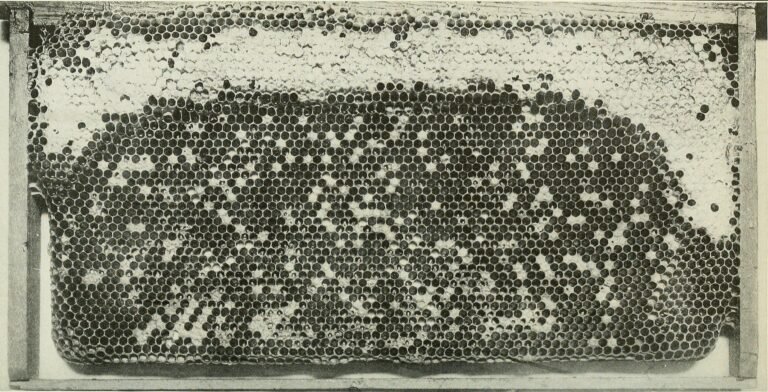
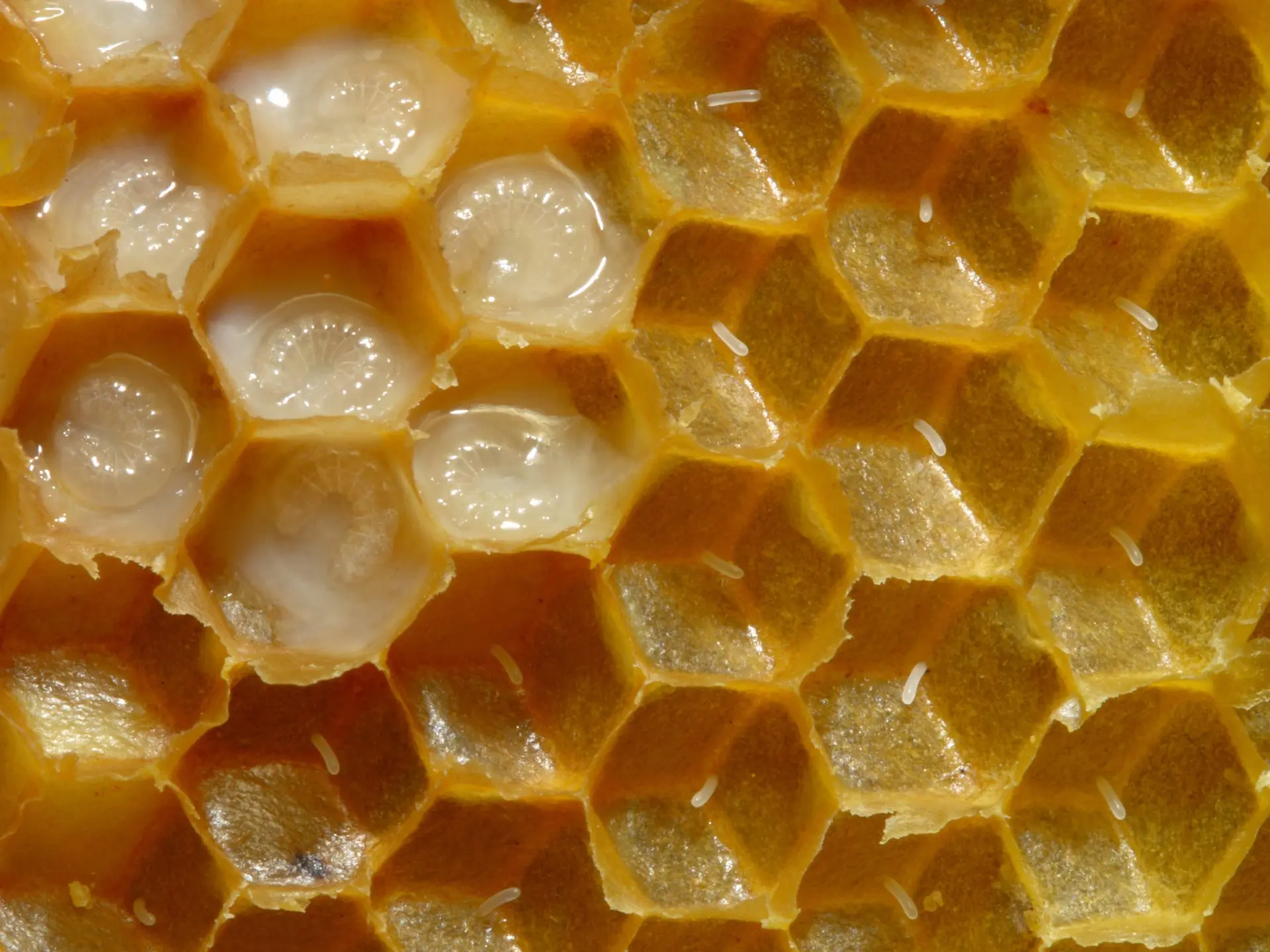
The earliest signs of European foulbrood (EFB) are in the open, uncapped brood, not the capped brood most beekeepers scan first. Look for young larvae that have lost their plump, glossy C-shape, sit twisted or slumped in the cell, and have turned faintly yellow or dull white next to healthy pearly-white neighbors. Often a creamy line of gut shows through the body wall. A spotty brood pattern, sour smell, and brown rubbery scales come later, once the infection is well established.
EFB is caused by the bacterium Melissococcus plutonius. It is less destructive than American foulbrood and often treatable, but a colony caught late can lose weeks of brood and spread the infection through robbing and shared equipment. This guide shows what to look for first, how to scan open brood so you catch it early, and what to do in the first 48 hours after you find it.
Key Takeaways
- EFB usually kills larvae around four to five days old, before their cells are capped, so the first signs are in open brood.
- Early warning signs are posture and color: larvae that are twisted, slumped, or “melted,” slightly yellow, with a visible creamy gut or silvery breathing tubes.
- A handful of odd larvae on one frame is an early case. Hundreds of affected cells, a patchy pattern, and a sour smell mean the disease has progressed.
- Confirm before you treat. A field lateral flow test, a free USDA lab diagnosis, or your state apiary inspector can separate EFB from American foulbrood and look-alikes.
- EFB is most common in spring and after stressful moves such as pollination contracts, and it often fades once a strong nectar flow starts.
Table of Contents
- The Earliest Signs, in the Order You Will See Them
- How to Scan Open Brood for Early EFB
- How Bad Is It? Counting Affected Cells
- EFB vs Look-Alike Brood Problems
- Confirming a Suspected Case
- Why EFB Shows Up in Spring and After Pollination
- What to Do in the First 48 Hours
- Frequently Asked Questions
The Earliest Signs, in the Order You Will See Them
Larvae pick up M. plutonius from contaminated brood food. The bacteria multiply in the larval gut and compete with the larva for its food. According to the USDA Bee Research Laboratory, infected larvae move restlessly in their cells and usually die about four days after hatching, while the cells are still open. That timing is why the first clues are in young, unsealed brood.
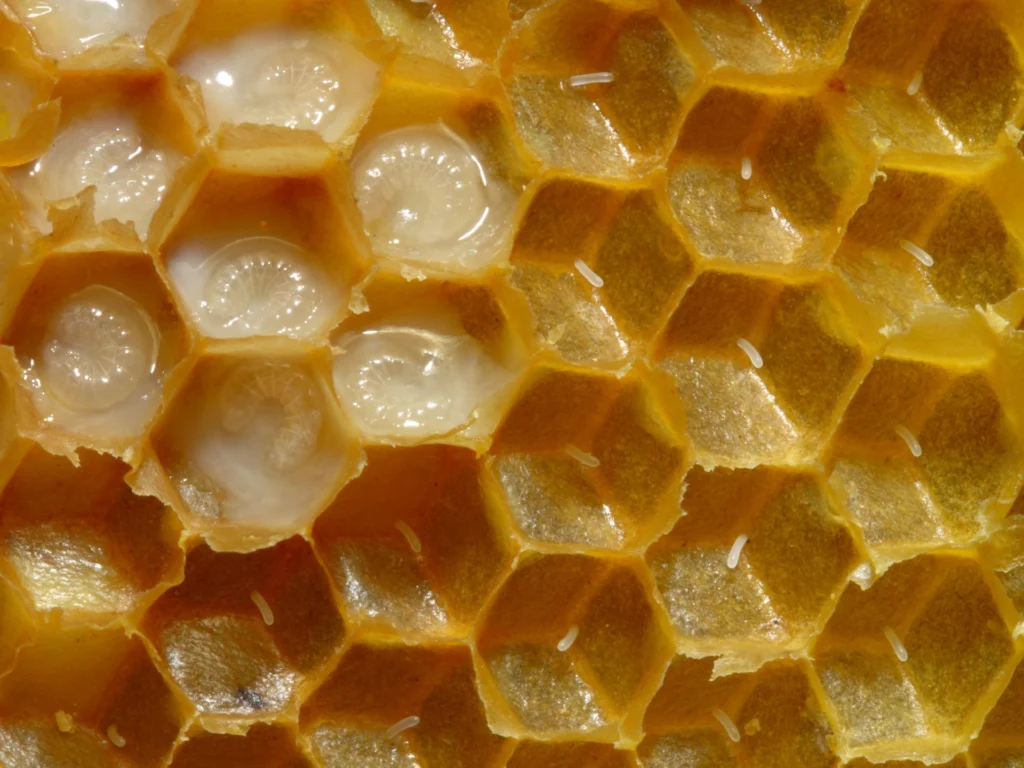
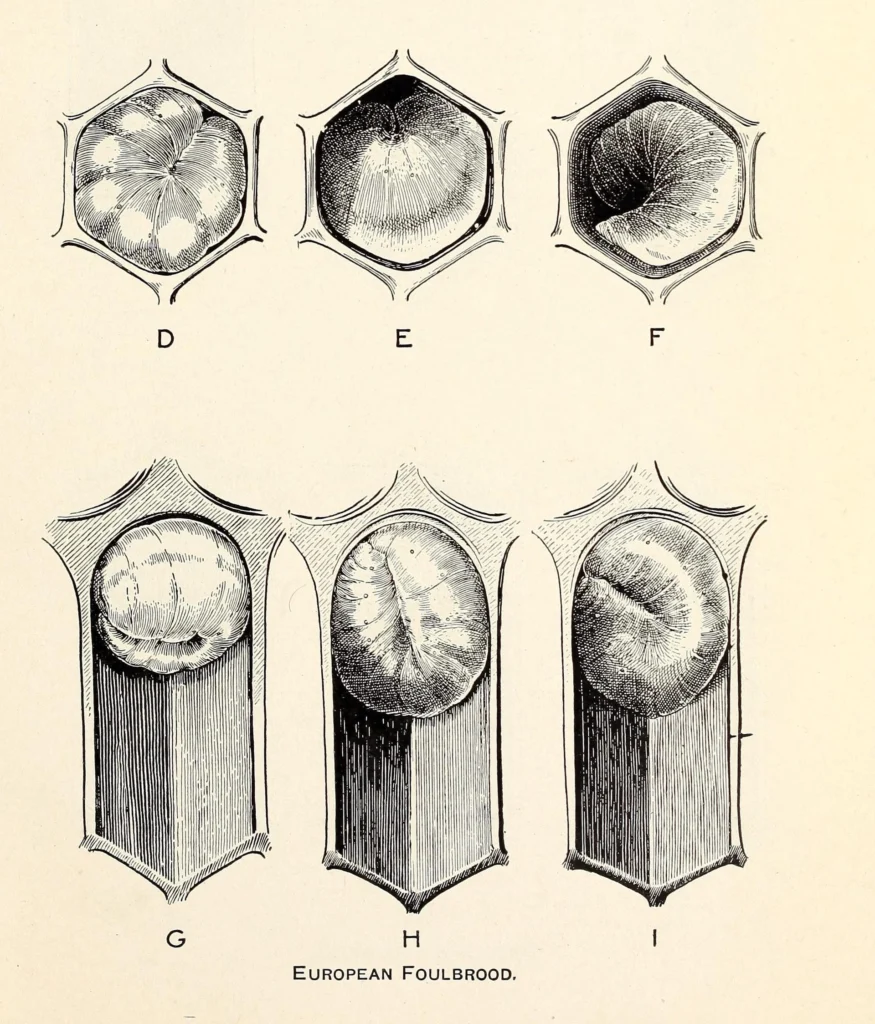
- A larva out of place. Healthy young larvae lie in a neat, glossy C at the bottom of the cell. An early EFB larva may sit up the cell wall, lie across the cell, or be twisted with its segments pointing the wrong way.
- A change in shine and color. Instead of pearly white, it looks dull, off-white, or faintly yellow. Seen next to healthy larvae, the difference is subtle but real.
- A visible gut. The UK’s National Bee Unit notes that the gut of an infected larva may show through its thin body wall as a creamy mass of bacteria. Early on it is a small creamy line; later it fills most of the body.
- Silvery tracheae. As the larva weakens, its breathing tubes can stand out as fine white or silvery lines along the body.
- The “melted” larva. The larva loses its segmented, plump look and slumps into the bottom of the cell as though it had melted, turning yellow to brown.
- Scales. Dead larvae dry into brown to black, rubbery scales that are twisted in the cell and come away easily.
- Pattern and smell. Only when enough larvae have died and been removed does the brood pattern turn patchy. A sour or vinegary smell, caused by secondary bacteria, is common in heavier infections but varies from case to case.
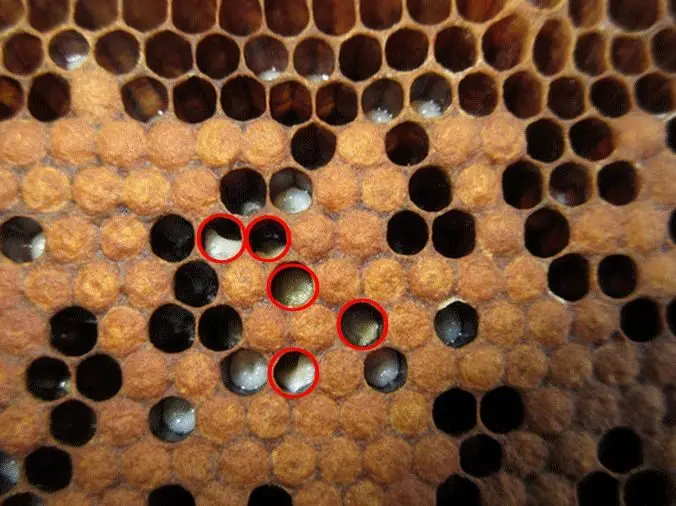
Some infected larvae survive to be capped and die afterward, so you may also see a few sunken or perforated cappings. That can confuse the picture with American foulbrood, which is why confirmation matters. Our page on brood disease photos and field signs shows how these stages compare.
How to Scan Open Brood for Early EFB
Most inspections focus on capped brood and eggs. To catch EFB early, spend an extra two minutes on the youngest brood.
- Pick the right frames. Choose two or three frames with lots of young, open larvae, usually near the center of the brood nest.
- Get the light right. Stand with the sun behind you and tilt the frame so light falls into the bottom of the cells. On a cloudy day a small headlamp helps.
- Shake off some bees. Gently shake or brush nurse bees off part of the frame so you can see the larvae.
- Sweep in rows. Move your eyes across the frame in strips and look for anything that breaks the pattern of identical glossy Cs: a larva out of position, a duller color, or a slumped outline.
- Compare neighbors. Hold a suspect cell next to healthy ones in your view. EFB shows up as a difference, not as an obvious color.
- Record what you find. Note how many odd larvae you saw per frame and on which frames, and take a close photo. A count you can compare next week is more useful than a vague memory.
Healthy colonies may have a few dead or displaced larvae for many reasons. The goal is to notice a trend early, not to panic over a single cell.
How Bad Is It? Counting Affected Cells
A 2023 Michigan State University study of colonies used for blueberry pollination (Fowler and colleagues, Journal of Insect Science) scored EFB by counting symptomatic cells across the brood frames. That scale is a practical way to judge where a colony stands.
| Symptomatic cells in the colony | Study category | What it usually means for you |
|---|---|---|
| 0 | No disease | Keep inspecting open brood during spring buildup |
| 1 to 10 | Possible disease | Early stage. Confirm with a test, reduce stress, recheck within a week |
| 11 to 100 | Moderate disease | Established infection. Contact your inspector or veterinarian and isolate the colony’s equipment |
| More than 100 | Severe disease | Colony growth badly affected; treatment or a shook swarm is likely needed |
In that study, 62% of colonies developed moderate to severe EFB during the pollination period, and severely affected colonies grew about 54% less than healthy ones. The difference between catching a case at five cells and at 150 cells is a whole brood cycle of lost bees.
EFB vs Look-Alike Brood Problems
Several conditions produce dead or discolored larvae. The table below covers the ones most often confused with early EFB, based on the USDA Diagnosis of Honey Bee Diseases handbook.
| Condition | Which brood dies | Key difference from EFB |
|---|---|---|
| European foulbrood | Young, unsealed larvae, often still coiled | Twisted or melted, yellow to brown, rubbery scale that lifts out easily |
| American foulbrood | Older sealed larvae and pupae | Sunken, greasy, perforated cappings; coffee-brown remains that rope out several centimeters; scale stuck tight to the cell |
| Sacbrood | Larvae just after capping | Stretched out with a dark raised head; lifts out as a fluid-filled sac; no strong odor |
| Chilled brood | All stages at the edges of the nest | Follows cold weather; no infection signs in the center of the nest |
| Parasitic mite syndrome | Mixed larvae and pupae | Heavy Varroa load and deformed-wing adults |
The quick field aid is a gentle stick test. Australia’s BeeAware notes that EFB remains may draw out only about 1.5 cm, while American foulbrood usually ropes 3 to 5 cm. See our rope test guide, our full comparison of American vs European foulbrood, and sacbrood vs chilled brood for the milder look-alikes.
Confirming a Suspected Case
EFB is variable enough that experienced inspectors still confirm it. You have three practical options in the United States:
- Field lateral flow test. Test kits that work like a home pregnancy test give a result at the hive in minutes. A 2021 study on 78 US commercial colonies found the device detected about 89% of cases confirmed by microscopy, with no false positives. A positive result is reliable; a negative on a frame that still looks wrong deserves a lab check. Our guide to the AFB/EFB field test kit explains how to use one.
- USDA lab diagnosis. The Bee Research Laboratory in Beltsville, Maryland, examines comb samples for foulbrood free of charge. The USDA handbook asks for a piece of comb about 4 square inches with as much affected brood and as little honey as possible, wrapped in paper rather than plastic or foil.
- Your state apiary inspector. In North Dakota, the Department of Agriculture apiary program inspects hives on request and checks for American and European foulbrood. Rules on reporting vary by state, so check yours.
If you smell a strong foul odor, it can help to describe it accurately to an inspector; see our note on what foulbrood smells like.
Why EFB Shows Up in Spring and After Pollination
Many colonies carry M. plutonius without obvious disease. Symptoms appear when the balance tips: too many young larvae for the number of nurse bees, too little pollen, or a stressful move. The USDA notes EFB is most common in spring and usually subsides by midsummer, though it can linger or reappear in fall.
That pattern fits our experience in eastern North Dakota and the Red River Valley. Colonies that return from California almond pollination in April, or overwintered colonies building up through a cold, wet May, are the ones where we most often find a few twisted, yellowing larvae in late May and June. When the main flow from sweet clover and alfalfa begins in early July, mild cases often clear without treatment as nurse bees and food catch up with the brood.
Pollination stress is well documented. North American beekeepers report EFB after blueberry pollination in particular, and the Michigan study above found it developed in most of the colonies it followed through a blueberry contract. If your colonies go out on pollination, inspect open brood carefully in the weeks after they come home.
What to Do in the First 48 Hours
- Do not move frames or boxes from the suspect colony into other hives.
- Keep your tools and gloves clean between colonies. Scrape and wash hive tools or flame them; see how to sterilize hive tools with flame.
- Reduce robbing risk. Narrow the entrance, avoid open feeding, and do not leave honey or comb exposed in the yard.
- Confirm the diagnosis with a test kit, a lab sample, or an inspector before treating.
- Relieve stress. If pollen is scarce, feed a protein supplement. Keep the colony in a box size it can cover.
- Plan treatment with a professional. In the United States, oxytetracycline for bees has required a veterinary feed directive or prescription since 2017. Non-drug options include a shook swarm onto new comb and requeening to break the brood cycle.
For the treatment choices in detail, see whether you can save a hive with European foulbrood and our guide to Terramycin (oxytetracycline) for foulbrood.
Frequently Asked Questions
What does early European foulbrood look like?
A few young, open larvae that have lost their glossy C-shape. They sit twisted or slumped in the cell, look dull or faintly yellow beside healthy pearly-white larvae, and may show a creamy gut or silvery tracheae through the body wall.
Does European foulbrood smell?
Sometimes. Heavier infections often have a sour or vinegary smell from secondary bacteria, but early cases and some strains have little odor. Do not rely on smell to rule EFB out.
Are EFB larvae capped or uncapped?
Mostly uncapped. EFB usually kills larvae about four to five days old, before capping. Some infected larvae are capped and die later, leaving a few sunken or perforated cappings, which is why a lab or kit test is useful.
Can a colony recover from European foulbrood on its own?
Mild cases often clear when a strong nectar flow starts and the colony has plenty of nurse bees and pollen. Moderate and severe cases usually need intervention, such as a shook swarm, requeening, or veterinarian-directed antibiotics.
How is EFB different from American foulbrood?
EFB mainly kills young, open larvae that twist or melt, and its scale lifts out easily. American foulbrood kills older capped brood, leaves sunken, perforated cappings, and ropy coffee-brown remains, and forms a scale stuck tight to the cell. AFB is far more serious.
Is European foulbrood reportable?
It depends on where you keep bees. It is legally notifiable in the UK, and some US states have their own reporting or movement rules. Check with your state apiary program, and contact them if you suspect foulbrood of either kind.
Conclusion
Catching EFB early comes down to looking at the right brood. Spend a couple of minutes each spring inspection on the youngest open larvae, notice any that are out of position or off-color, and count them. A few cells caught early can usually be managed with less stress; hundreds found late mean a lost brood cycle. When something looks wrong, confirm it before you treat.