
Reviewed by Thomas B. · Last Updated September 23, 2026 · How we review
To clean a deadout for reuse, close the hive up the day you find it. Then rule out American foulbrood and pesticide kill, sort every frame into keep, feed-back, brood-nest-only, render or destroy, and knock out the loose dead bees and debris without scrubbing the comb. Finally, freeze the comb you keep and store it where mice and wax moths can’t reach it. Drawn comb from a colony that died of mites, starvation or cold is valuable, and the new bees will finish the fine cleaning better than you can. Getting the order right matters more than any cleaning product.
This guide covers the clean-out itself. To work out why the colony died first, use our deadout autopsy checklist.
Key Takeaways
- Seal the dead hive right away. Open honey draws robbers, and a dead hive is an easy home for mice.
- Only two findings rule out reuse outright: suspected American foulbrood and suspected pesticide kill. Most other causes leave the comb usable.
- Sort frames into five piles instead of making one keep-or-toss decision. Old brood comb, frames of capped dead brood and frames packed with old pollen go for rendering.
- Don’t dig dead bees out of cells or bleach the comb. A new colony cleans comb more thoroughly than a beekeeper can.
- In the Northern Plains, winter cold kills wax moths for you, but only once the comb itself gets cold enough. Have everything frozen and sealed before April warms up.
Table of Contents
Step 1: Close It Up the Day You Find It
In eastern North Dakota and western Minnesota, most deadouts turn up on the first warm day of late winter or early spring, when the other colonies are out on cleansing flights. That’s also when those colonies start looking for easy food. A dead hive full of honey will be found and robbed within a day or two. If disease killed it, robbing carries that disease back to your healthy hives.
So close the entrance with a reducer block or screen the day you find the deadout. Then either carry the boxes into a shed or garage or strap them shut where they stand. Don’t leave frames leaning against the hive while you think about it. Mice are the other early visitor: a dead colony in March is an empty, honey-stocked box, and a mouse nest can ruin several frames in a few weeks.
Step 2: Rule Out the Two Causes That Stop Reuse
Most deadouts are caused by varroa and the viruses it spreads, by starvation, or by a small cluster that couldn’t stay warm. None of these makes the comb unsafe. Two causes change everything:
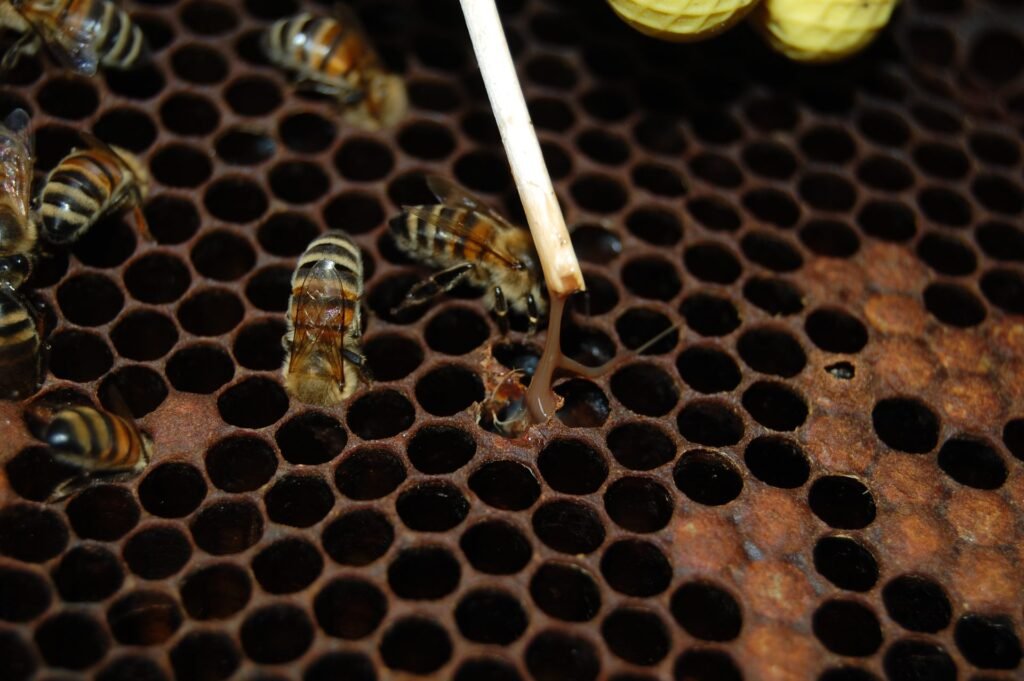
- American foulbrood (AFB). Look for sunken, greasy or perforated cappings, brood remains that string out when drawn up with a matchstick, and dried scale stuck tight to the lower cell wall. AFB spores last for decades. Betterbee’s guide to preparing old hive equipment for reuse puts it plainly: the spores remain in comb, frames and equipment for decades after the bees die. If you suspect AFB, stop, bag the frames, and contact your state apiary program before you clean, render, store or share anything. In North Dakota that’s the Department of Agriculture’s apiary program. Our summary of North Dakota beekeeping laws explains the licensing side.
- Pesticide kill. A sudden die-off of a strong colony in season, with piles of dead bees at the entrance, points to poisoning. The comb and stored pollen may hold residues, so don’t feed it to a new colony.
If you can’t tell, treat it as suspect. A few frames of drawn comb are worth much less than a disease outbreak in the rest of the yard. And follow one more rule from the same Betterbee guide: only reuse comb from your own deadouts, where you know the history.
Step 3: Sort Every Frame Into Five Piles
A single keep-or-toss decision wastes good comb or keeps bad comb. Pull every frame and sort it into one of five piles. The culling rules follow Michigan State University Extension apiculture educator Ana Heck’s answer on reusing deadout frames and the Betterbee guide above.
| Pile | What goes in it | What to do with it |
|---|---|---|
| 1. Reuse | Sound drawn comb, light to medium color, less than about four years old, with only scattered dead bees | Knock out loose bees, freeze, store |
| 2. Feed-back honey | Capped or crystallized honey from a colony that did not die of disease or poisoning | Freeze and store sealed; give to packages, splits or light colonies in spring |
| 3. Brood nest only | Comb soiled by mice, dysentery streaks, or light mold | Give to a strong colony to clean up. Keep it out of honey supers you’ll extract for people. |
| 4. Render | Brood comb older than about 4–6 years, frames with capped dead brood, heavy mold, frames packed with old pollen, bad wax moth damage | Cut out the comb, render the wax, and keep the frame if it’s sound |
| 5. Destroy or hold | Anything from a suspected AFB colony | Bag it and hold for the inspector; follow state rules for burning |
Pile 4 gets overlooked the most. Heck’s guidance is to cull frames full of pollen, because stored pollen loses its nutritional value over time and bees can’t clean it out. She also advises culling frames of capped dead brood, since you can’t know what killed it. For more detail on the reuse decision itself, see can you reuse frames from a dead colony. If your deadout ran on plastic foundation, cleaning plastic foundation after colony loss covers scraping it back to the base.
Step 4: Clean Without Over-Cleaning
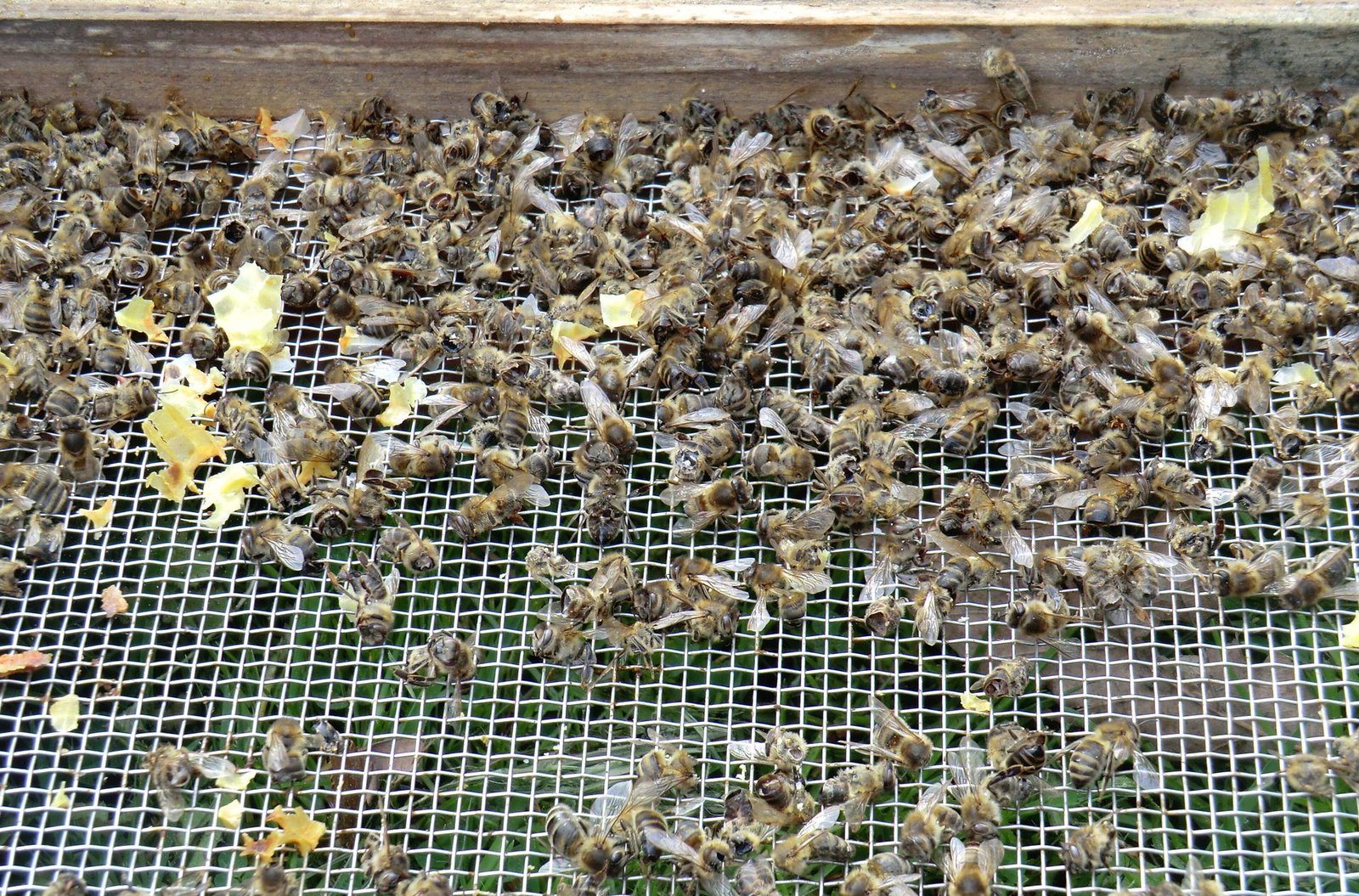
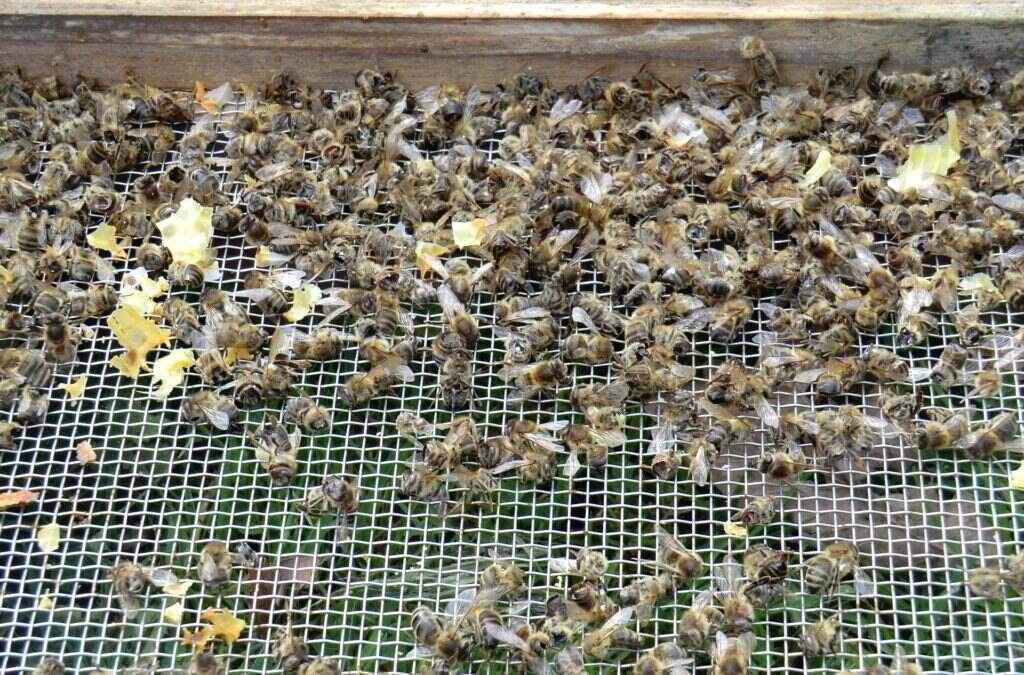
The most common mistake is doing too much. A starved colony often leaves a patch of bees head-first in cells. Tap each frame firmly over a bucket and let the loose ones fall. Leave the rest. Trying to pick every bee out tears cell walls, and a new colony will remove them quickly.
“The molds and bacteria that may be growing on the combs now will be cleaned very efficiently by your new bees.”
Betterbee, “Preparing Old Hive Equipment for Reuse”
- Bottom board: Scrape off the layer of dead bees and debris. Wear gloves and bag it rather than dumping it in the bee yard.
- Boxes and inner cover: Scrape burr comb and propolis with a hive tool. Scorching the inside of empty wooden boxes lightly with a torch is a common extra step for boxes. It’s not a substitute for the AFB rules above. Our hive cleaning guide covers scraping and sanitizing woodenware.
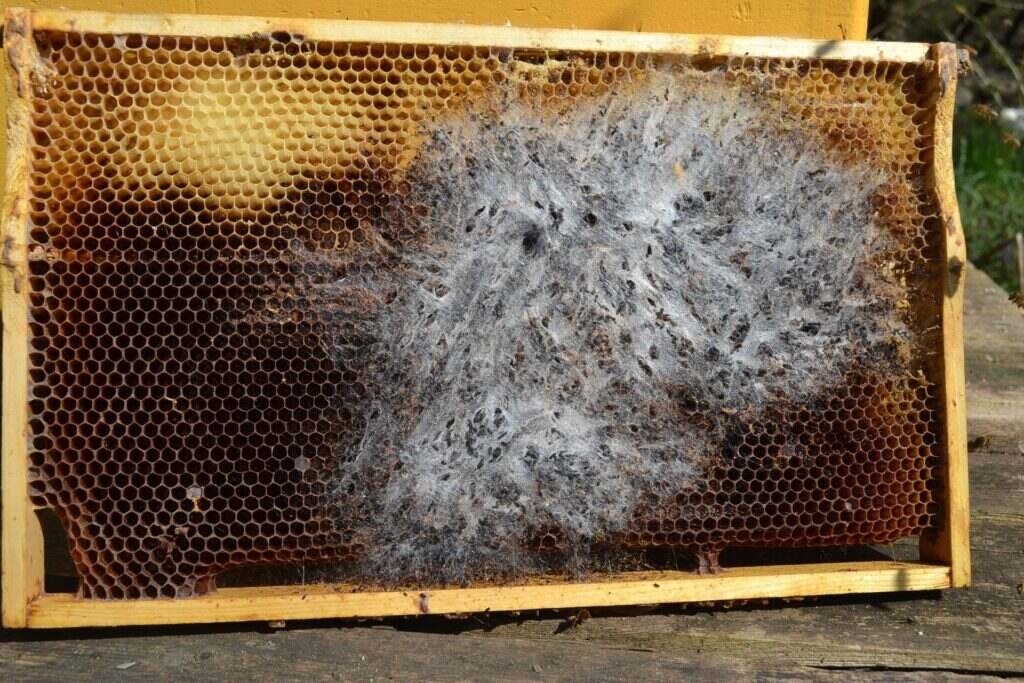
- Comb: No bleach, disinfectant spray or pressure washer. Betterbee specifically advises against chemical disinfectants on comb. Light mold and dysentery streaks are jobs for the bees. If the dysentery was heavy, see our notes on bee dysentery after winter to understand what the streaks mean.
Step 5: Use the Cold, Then Beat the Thaw
Wax moth eggs and larvae hidden in comb will ruin stored frames once it warms up, and freezing kills them. MAAREC’s guideline is 20 °F for 4.5 hours or 5 °F for 2 hours, and Honey Bee Suite’s review of freezing guidelines notes the time should be counted from when the comb reaches that temperature, not from when it goes into the freezer. The USDA figure often quoted is 24 hours at 0 °F. That extra margin is sensible, because a packed box of frames cools slowly.
Here our winters do some of the work. Fargo’s January average low is 1.2 °F under NOAA’s 1991–2020 normals. So comb in an unheated shed through a hard cold snap will usually reach those thresholds. The catch is timing. A deadout found in late March has often missed the deep cold, and Fargo’s average April high is already 54 °F. Any frame that didn’t get properly cold in winter should go through a chest freezer before the first run of warm afternoons. After that, it needs to be sealed so moths can’t lay new eggs on it. Our guides to freezing drawn comb and storing comb without freezer space cover the details.
Step 6: Store It and Restock It
Stack the frozen boxes on a solid base with a tight cover on top. Seal both ends against mice and moths, and keep them somewhere dry. Label the feed-back honey frames and the brood-nest-only frames so they go where they belong in spring.
Drawn comb gives a new colony a real head start. A package installed onto drawn comb can start using it right away instead of first building wax, and a frame or two of the dead colony’s honey saves on syrup. Before you do it, read whether you can install a package on old drawn comb. Keep the brood-nest-only frames for a strong colony, not a new package.
Frequently Asked Questions
Do I need to remove every dead bee from the comb?
No. Tap out the loose bees and leave the ones wedged head-first in cells. A new colony removes them quickly, and digging them out damages the cells.
Can I reuse honey frames from a deadout?
Yes, if the colony didn’t die from American foulbrood or poisoning. Freeze the frames, store them sealed, and give them to packages, splits or light colonies in spring. Don’t feed honey from someone else’s deadout.
Is mold on deadout comb dangerous to a new colony?
Light mold isn’t a reason to throw comb away. The new colony will clean it up. If mold covers more than a few square inches of a frame, or the comb is soft and slimy, render it.
Should I bleach or disinfect frames from a dead hive?
Not the comb. Chemical disinfectants leave residues in wax. Scrape and, if you like, scorch empty wooden boxes, but let the bees clean the comb. Suspected AFB equipment is a different case and should go to your state inspector.
How long can I store deadout comb before reusing it?
Comb that has been frozen and then sealed against moths and mice keeps well until the next season. The risk comes from unfrozen comb stored loosely into a warm spring.
What if I can’t tell why the colony died?
Treat it as suspect until you know more. Work through our deadout autopsy checklist, and if anything points toward brood disease, contact your state apiary program before reusing anything.
The Bottom Line
A deadout is a loss, but the drawn comb doesn’t have to be. Close it up quickly and rule out AFB and poison. Then sort frames into five piles, clean lightly, and use the winter cold, or a freezer, before the spring thaw. Done this way, most of a dead colony’s comb goes straight back to work next season.


.jpg)
