Reviewed by Thomas B. · How we review
Protecting colony health starts with small, consistent actions taken during everyday apiary work throughout the season. Clean tools, mindful frame handling, and clear records make a big difference for bees and honey yield, and none of these habits require expensive equipment to put into practice.
Varroa mites and other pests spread fast when equipment is shared or suspect comb is moved carelessly. A healthy hive resists parasites better, so regular inspection and targeted comb rotation are essential parts of any ongoing management plan.
Use trusted, well-established guidance for disease management and strict hygiene steps during every inspection you perform. For detailed, practical protocols on equipment cleaning and colony quarantine, see disease management guidelines along with additional local hygiene notes and checklists at hygiene best practices.
Labeling gear, handling weak colonies last, and limiting comb swaps all reduce risk across an entire apiary, even a small backyard one with just a few hives. For beekeepers expanding their operations while keeping standards consistently high, consult advice on safe apiary growth at beekeeping expansion tips.
This guide is about hive-to-hive spread inside one apiary: what happens on an ordinary inspection day as you move from colony to colony. If you keep bees in more than one location, the bigger risks are equipment, honey and colonies moving between yards, which our guide to preventing disease spread between apiaries covers.
Key Takeaways
- Keep tools consistently clean and always use dedicated equipment for any suspect or unhealthy colonies.
- Rotate brood combs regularly throughout the season to lower overall mite and disease loads.
- Label boxes clearly and track treatments carefully for clear, easy-to-follow hygiene records.
- Handle weak or infected colonies last during any inspection round, and isolate them fully when needed.
- Choose mite-tolerant stock whenever possible and monitor varroa levels often throughout the entire season.
Table of Contents
- Essential Strategies to Prevent Cross-Contamination Between Hives
- Managing Internal Parasites and Disease
- Protecting Your Apiary from Wildlife and Livestock
- Structural Improvements for Hive Security
- Maintaining Long-Term Colony Health and Conclusion
- FAQ
Essential Strategies to Prevent Cross-Contamination Between Hives
Small, repeatable habits practiced consistently at inspections protect colony health and preserve overall honey quality. These routines reduce disease transfer and make each visit faster and noticeably safer for both the bees and the beekeeper doing the inspection.
Maintain strict hygiene standards by using clear labeling, dedicated boxes for suspect frames, and a checklist for cleaning tasks. This keeps weak, struggling colonies from compromising the health of otherwise strong, thriving ones nearby.
Sanitize tools carefully between every inspection and handle supers with real care. Proper frame management lowers the risk that pests move from one beehive to another, especially during a busy inspection day when it is tempting to skip steps to save time.
Maintaining Strict Hive Hygiene Standards
Keep an organized kit and clean components after each use. A tidy, well-organized setup shortens inspection time and limits stress on the bee population, since fumbling for the right tool mid-inspection tends to keep the hive open longer than strictly necessary.
Best Practices for Handling Beekeeping Equipment
Use heat or a mild disinfectant on frequently used tools and store clean gear separately from used frames, so a single overlooked step does not undo the rest of the entire routine.
When working with top-bar hives or suspect comb, be sure to follow specialist advice on handling cross-comb carefully from experienced keepers at top-bar guidance. This preserves brood integrity and maintains honey quality even when working with unfamiliar or irregular comb.
- Label gear clearly and consistently, and treat weak colonies last during each round.
- Sanitize tools thoroughly after each and every hive visit.
- Rotate frames on a regular schedule and inspect supers carefully during each visit.
Managing Internal Parasites and Disease
Early detection of internal pests gives keepers the best chance at saving a struggling colony. Regular checks keep small, manageable issues from snowballing into apiary-wide problems that are far harder to control.
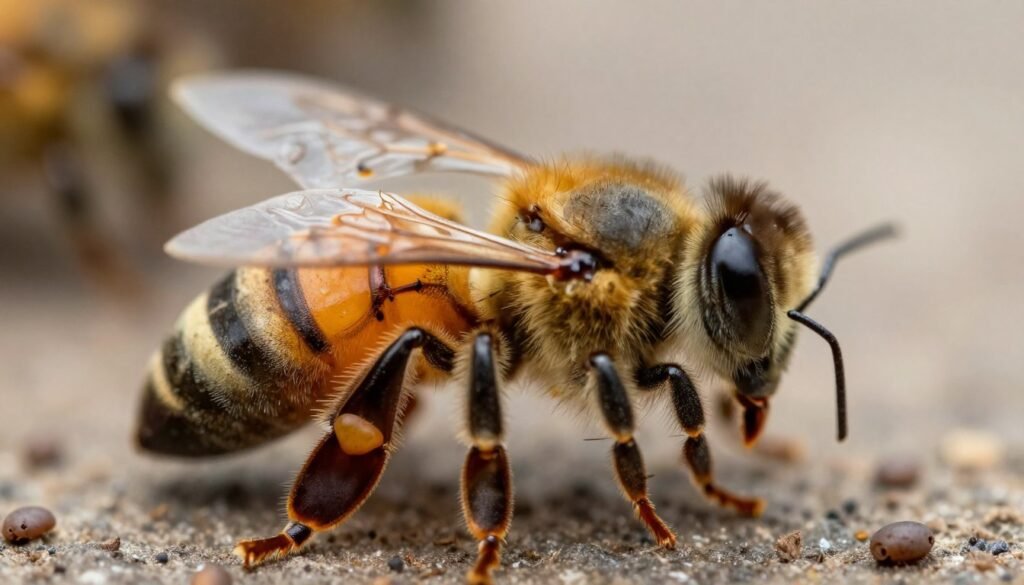
Monitoring for Varroa Mite Infestations
Varroa mites feed on the fat bodies of adult bees and developing brood and spread viruses that can lead to collapse if left unmanaged for even a single season.
Monitoring for varroa mites is essential. Use sticky boards and timed checks to track levels without disturbing brood comb, giving a clear numerical trend rather than a rough guess.
HiveIQ slide rails make insertion simple; the boards sit under the hive so inspections stay quick and noninvasive, letting a beekeeper get a mite count without opening the brood chamber at all. For further practical monitoring guides and step-by-step instructions, see varroa control methods.
Implementing Integrated Pest Management Techniques
Integrated pest management (IPM) blends mechanical, cultural, and chemical tactics together for genuinely lasting, long-term protection.
Removing infested brood, keeping equipment clean, and strengthening bees through nutrition all work together to lower pest pressure and disease spread across the whole colony.
Rotating Chemical Treatments to Prevent Resistance
Rotate treatments to stop mites from developing resistance. A varied plan extends miticide effectiveness and keeps colonies healthy through winter, when a struggling colony has the least margin for error.
Protecting Your Apiary from Wildlife and Livestock
A single determined bear or a quiet night-time raid by small mammals can undo months of careful hive work in one visit.
North American black bears target brood and honey and often return to the same beehive repeatedly once they have found it once. Skunks and raccoons forage at night and can knock bees from the entrance, leaving the colony exposed and agitated well into the following day.
Install AntCant on the legs of stands as a simple, genuinely effective solution that blocks ants from climbing up and eventually reaching the combs. In winter, the number of hungry animals and shelter-seeking livestock rises sharply, so secure setups matter more than ever during the coldest months.
| Threat | Behavior | Risk Level | Suggested Action |
|---|---|---|---|
| Black bear | Return raids for brood and honey | High | Electric fencing, elevated beehive stands |
| Ants | Climb legs to access food | Medium | Install AntCant on legs |
| Skunks / Raccoons | Nocturnal entrance raids | Medium | Night guards, close entrances slightly |
Protecting bees from wildlife preserves hive integrity and keeps honey yield stable, sparing the colony a setback it may not fully recover from in a single season. For more detailed, producer-level biosecurity steps, consult this producer guide for practical measures you can apply on site.
Structural Improvements for Hive Security
A few simple structural fixes can turn a genuinely vulnerable hive into reliable, long-lasting protection for the bees inside.
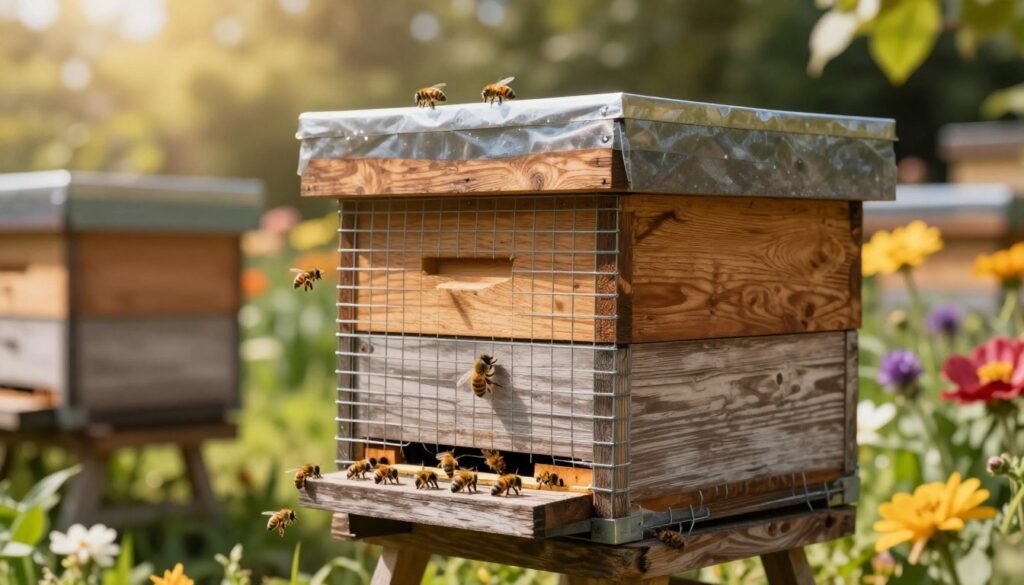
Mice often chew through frames and combs during the colder winter months looking for a warm, sheltered place to nest. This causes lasting structural damage to the woodenware and increases the chance of disease spreading throughout the beehive.
Install a metal entrance reducer as the primary solution. It blocks rodents right at the entrance and preserves the internal combs from unnecessary damage.
- Elevate the hive on sturdy, stable stands so pests cannot reach the entrance easily or quietly.
- Use physical deterrents like a bed of nails placed near the stand to discourage skunks from standing up on their hind legs.
- Inspect equipment regularly for any gaps, cracks, or rot that could create an entry problem for pests.
Routine checks keep damage small and manageable, catching a chewed corner or loose seam long before it becomes a real structural problem.
Maintaining Long-Term Colony Health and Conclusion
A healthy, productive apiary grows from routine checks combined with robust, well-maintained physical protections. Dadant & Sons, with 180 years of experience in the beekeeping industry, stresses that a fortified beehive gives bees the best possible chance to thrive.
Consistent monitoring, secure entrance fittings, and solid physical barriers keep colony stress low and the overall number of bees stable across the seasons. A well-kept hive supports strong productivity and consistently high-quality honey through even the toughest seasonal challenges.
Note: practical research such as the crushing test and colony impacts offers useful context for understanding winter risks and making informed management choices. Use those findings alongside your own field judgment and direct observation of your colonies.
Final thought: steady care, clear records, and basic physical defenses create resilient colonies that reliably repay the effort with long-term health and strong honey yield.
FAQ
What daily hygiene steps should a beekeeper follow to reduce contamination risk?
Wear clean protective gear at all times and disinfect all tools thoroughly between inspections. Salt, diluted bleach (properly mixed and rinsed), or commercial disinfectants like Virkon S can be used on hive tools and gloves. Replace or heat-treat any frames showing visible signs of brood disease right away. Keep boots and clothing dedicated exclusively to apiary use to limit any transfer of spores and mites between different visits or locations.
How can equipment management lower the chance of spreading pests and disease?
Label and dedicate specific equipment for individual apiaries whenever it is realistically possible. Sterilize used supers, frames, and feeders thoroughly and carefully before any reuse across different colonies. Avoid sharing combs among different colonies unless they are brand new or have been thoroughly treated first. Use disposable or easily sanitized feeding devices during active disease outbreaks to avoid cross-contaminating other equipment.
What are effective methods for spotting Varroa mite problems early?
Conduct regular mite counts using alcohol wash or sugar shake tests on a sample of worker bees every few weeks during the active season. Inspect brood carefully for signs of deformed wing virus and spot-check drone brood, which usually harbors noticeably higher mite loads than worker brood. Keep written records of counts to track trends carefully over time and across all colonies in the apiary.
Which integrated pest management (IPM) techniques work best in an apiary?
Combine cultural, mechanical, and biological controls: drone brood removal, screened bottom boards, and powdered sugar dusting. Add biotechnical measures like queen caging or scheduled brood breaks during periods of low nectar flow. Use IPM decision thresholds to time interventions carefully and minimize any unnecessary chemical reliance across the whole operation.
Why is rotating chemical treatments important and how should it be done?
Rotating actives reduces the buildup of resistance in Varroa populations over time. Alternate products with different modes of action—such as formic acid (MiteAway Quick Strips), oxalic acid vaporization, and amitraz-based treatments—following label guidance and local regulations closely. Limit application frequency and always monitor treatment efficacy afterward with post-treatment mite counts.
How can wildlife and livestock be kept from compromising hive safety?
Install sturdy fencing or electric netting to deter deer and livestock from wandering too close. Use predator guards along with elevated stands to protect the hive against skunks and raccoons alike. Place hives in open, sunlit areas with clear flight paths to reduce attacks by birds or bears; in bear country, consider investing in heavy-duty electric fencing.
What structural hive upgrades enhance protection and reduce contamination?
Fit hives with screened bottom boards to improve overall ventilation and allow fallen mites to safely drop away from the colony below. Add entrance reducers during periods of small colony populations or winter to limit both robbing and pest entry. Weatherproof roofs and tight-fitting boxes keep moisture out and reduce the ongoing environmental stress that makes colonies vulnerable to disease.
Are there physical barrier options that protect comb and brood from invaders?
Yes. Mesh screens, predator guards, and front entrance constrictors limit access by mice, beetles, and wasps looking for an easy way in. Use beetle traps and oil-pan inserts in hive bottom boards to capture small hive beetles before they can establish a foothold. Ensure any barriers do not impede normal bee traffic or interfere with overall hive ventilation.
What long-term practices maintain strong, resilient colonies?
Prioritize genetic diversity by sourcing queens from reputable, trusted breeders, practice regular brood health checks, and maintain colony nutrition with supplemental pollen and syrup during dearths. Keep accurate, detailed, up-to-date records of interventions, mite levels, and colony performance to guide future management decisions.
How should a beekeeper respond to a suspected disease outbreak in one colony?
Isolate the affected hive immediately by moving it away from the rest of the apiary if feasible. Avoid moving frames or equipment away from that particular colony under any circumstances whatsoever. Contact your local extension services or experienced apiarists, perform diagnostic tests promptly, and follow all legal reporting and treatment protocols closely. Consider humane removal as an absolute last resort if the disease truly cannot be controlled.