Reviewed by Thomas B. · How we review
Choosing the right hand protection is a critical decision for every beekeeper today. It affects how safely you manage a hive and how well you handle delicate tasks like marking a queen.
The debate over disposable gloves vs reusable gloves in apiary work balances protection with manual dexterity. Professionals and hobbyists both want beekeeping gloves that offer comfort and reliable safety.
Proper equipment makes routine work with honey and frames less stressful and more productive.
Deciding which option fits your operation depends on task precision, budget, and contamination control. Learn practical tips and protective options to match your routine and keep your colony healthy.
Key Takeaways
- Select hand protection that balances safety and dexterity for hive tasks.
- High-quality beekeeping gloves boost comfort and control during delicate work.
- Consider contamination risks and cleaning needs when choosing equipment.
- Read more on reducing plastic and material choices at reducing plastic use in apiaries.
Table of Contents
- The Core Conflict: Protection vs. Dexterity
- Understanding Disposable vs Reusable Gloves in Apiary Work
- The Case for Traditional Leather Gauntlets
- Evaluating Vented Leather Options
- The Rise of Disposable Nitrile Gloves
- The Reality of Working Without Gloves
- Critical Factors for Proper Fit and Hygiene
- Managing Bee Behavior and Alarm Pheromones
- Conclusion: Selecting the Right Protection for Your Apiary
- FAQ
The Core Conflict: Protection vs. Dexterity
When you open a hive, the need to feel delicate parts often clashes with the need for solid protection. Beekeepers must pick an approach that keeps their hands safe while letting them work precisely.
The Importance of Tactile Feedback
Good tactile feedback helps you move gently. Thin material lets you sense frames and brood patterns. That sensitivity reduces rough handling and lowers the chance of harming bees or crushing comb.
Balancing Safety and Skill
Thicker coverage increases protection but can dull touch. Using a hive tool becomes harder and clumsier, which may trigger defensive behavior and cause stings.
Experienced beekeepers keep a calm, steady hand to avoid alarmed bees. The best way to prevent a bee sting often lies in gentle technique more than heavy coverage.
- Prioritize fit and feel for tasks that demand precision.
- Choose a strategy that matches your routine inspections and honey handling.
- Train your hands to be steady—skill often beats extra bulk for safety.
Understanding Disposable vs Reusable Gloves in Apiary Work
Picking the right hand protection affects every task at the hive, from routine checks to queen handling.
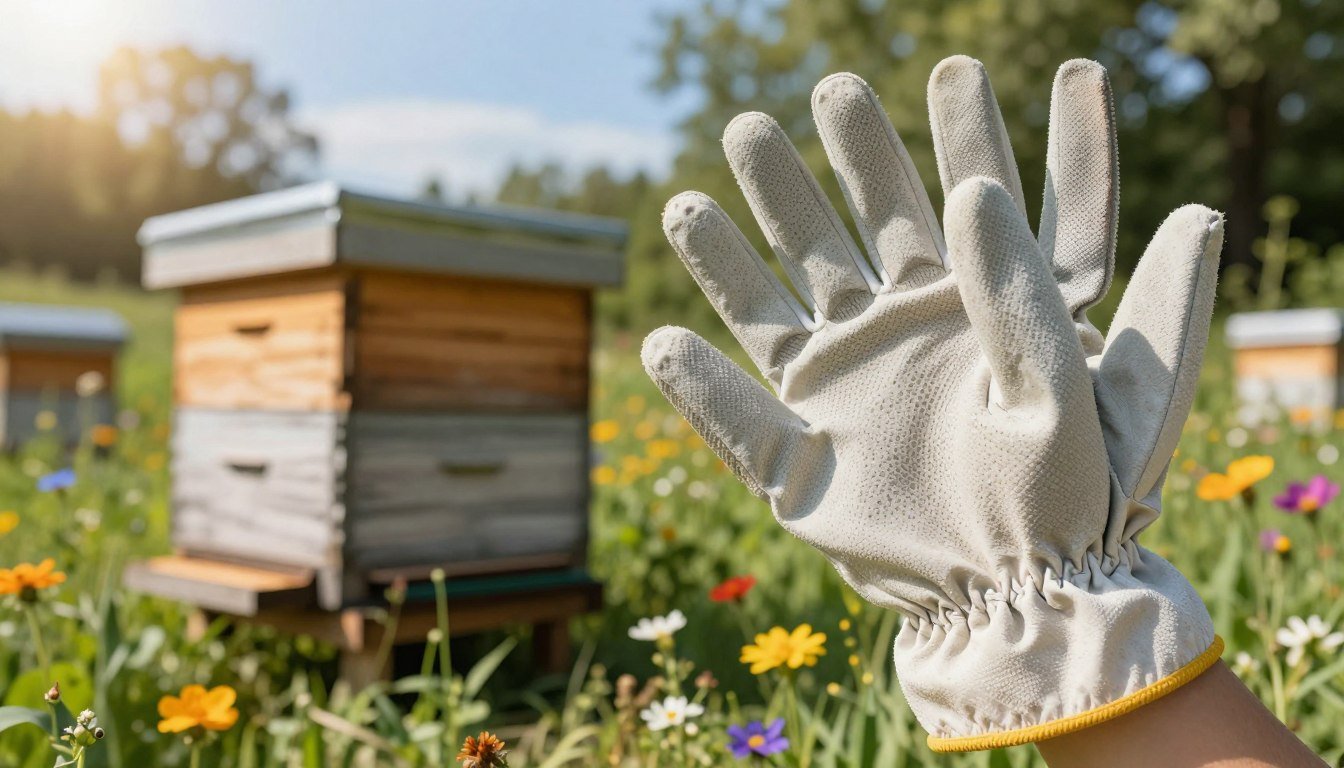
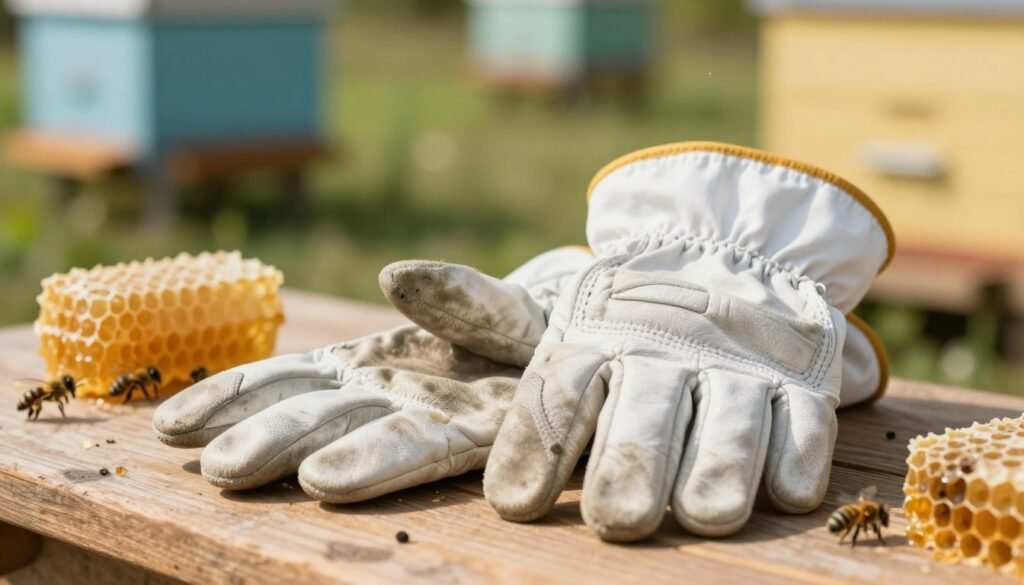
Knowing the common types of beekeeping gloves helps you stay comfortable during long hive inspections. Leather, gauntlet-style covers, and thin synthetic options each offer different trade-offs for protection and touch.
Temperament of the bees and the aim of the inspection for the day often guide your choice. Calm colonies may let you use thinner handwear for better dexterity while aggressive hives need thicker coverage.
Fit matters: a well-fitted glove gives protection without losing the feel needed to move frames or lift a queen gently.
- Consider task: honey extraction or delicate queen work demands different feel and control.
- Match material to hive temperament and cleaning practices.
- Maintain hygiene to reduce disease spread between hives.
For testing options and recommendations, check a buying guide for thin protective options and dexterity at best protective options. For temperature and gear selection across climates, see beekeeping gear for U.S. climates.
| Type | Key Benefit | Best For |
|---|---|---|
| Leather/gauntlet | Durable, strong protection | Aggressive hives, heavy lifting |
| Thin synthetic | High tactile feedback | Queen handling, fine inspections |
| Vented/mesh hybrids | Cooling and moderate protection | Hot days and routine checks |
The Case for Traditional Leather Gauntlets
Traditional leather gauntlets are a staple for beekeepers who handle heavy hive tasks. Made from cow leather, they deliver rugged protection that limits painful bee sting contact during inspections and honey harvests.
Durability matters: full-grain cow leather resists tears and soaks, so your equipment lasts through seasons. This makes thick leather a cost-effective way to protect your hand over the long term.
Durability and Long-Term Use
Leather gauntlets reduce the chance of a bee sting and help new beekeepers build confidence while learning hive routines.
Thicker leather can limit dexterity, making precise tasks and using a hive tool more awkward. Many teams balance this by owning one pair for heavy lifting and a thinner option for queen work.
- Brand choice: Walter T. Kelley goat leather models are praised for durability and better feel when handling a queen.
- Maintenance: Wipe off honey and store dry to preserve cow leather performance.
For guidance on sourcing reliable beekeeping equipment in the U.S., see a focused buying guide at choosing beekeeping equipment.
| Feature | Benefit | Best Use |
|---|---|---|
| Cow leather construction | Maximum protection, long life | Aggressive hives, heavy frame work |
| Goat leather models | Better flexibility, lighter feel | Queen handling, fine inspections |
| Thick gauntlet design | Reduced risk of stings | New beekeepers, honey pulls |
Evaluating Vented Leather Options
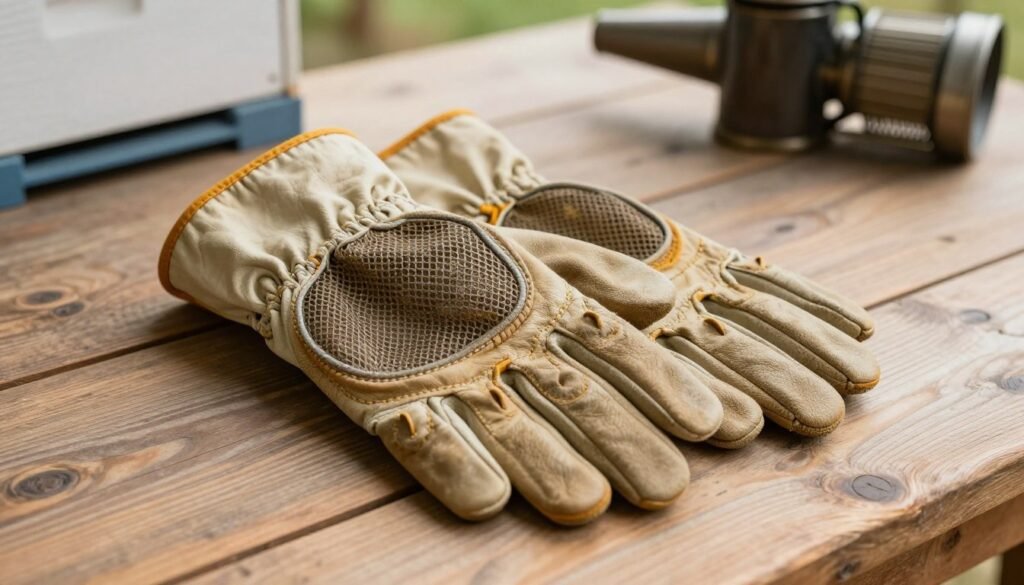
Vented leather models bring airflow without giving up hard-wearing protection.
These designs pair cow leather panels with breathable mesh to keep hands cooler during long hive inspections.
Comfort matters when you spend hours checking frames or harvesting honey. Air circulation reduces sweat and slows material breakdown.
- Durability: leather sections shield against stings and abrasion.
- Breathability: mesh panels improve airflow on hot days.
- Fit: a snug cuff stops bees from slipping under the sleeve.
Many beekeepers report that vented models prevent a bee from reaching skin while letting them handle delicate tasks with less heat fatigue.
Care is simple: brush off debris, air dry away from direct sun, and treat leather with a suitable conditioner to extend life.
| Feature | Benefit | Best Use |
|---|---|---|
| Cow leather panels | Strong protection against stings | Honey harvests and heavy handling |
| Mesh ventilation | Improved comfort and airflow | Hot-season inspections |
| Extended cuff | Added sleeve coverage | Routine hive inspections |
The Rise of Disposable Nitrile Gloves
Nitrile options have grown popular among beekeepers who need fine touch without heavy bulk. This thin layer keeps hands clean from honey while letting you feel frames and small queen markings.
Benefits for Delicate Tasks
Enhanced dexterity: Nitrile preserves fingertip sensitivity so you can use a hive tool and handle a queen with precision.
Lightweight protection also cuts down on heat and sweat compared with thick leather gloves, helping you stay focused during a long day at the hive.
Managing Waste and Reuse
Many beekeepers wash and air-dry a single pair to reduce waste and stretch a busy day’s supply. This method helps control costs while keeping hands hygienic between hives.
- Thin nitrile provides a clean barrier against honey and minor contaminates.
- Washing can extend use but inspect for tears before each shift.
The Reality of Working Without Gloves
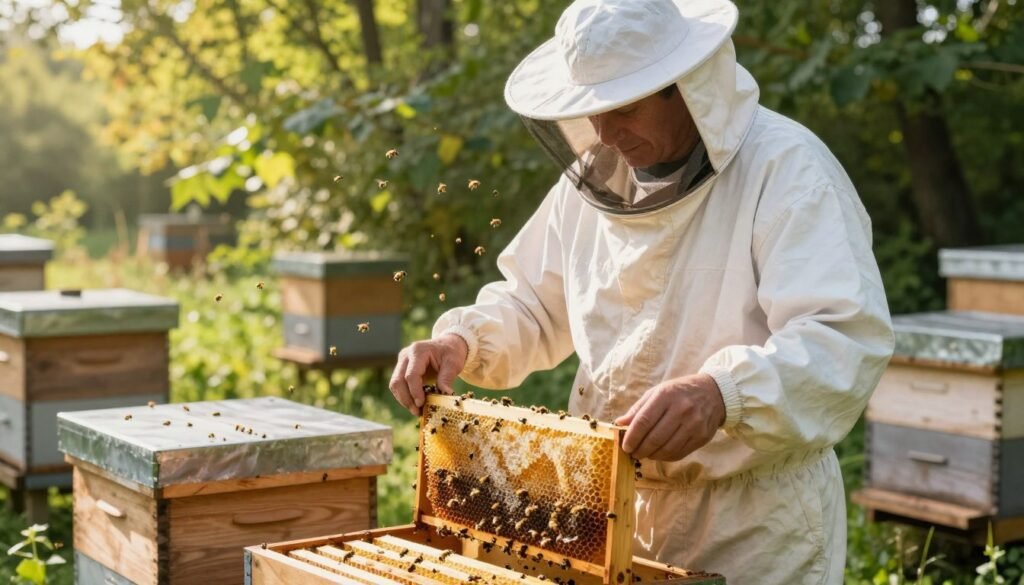
Some beekeepers prefer bare hands to gain the finest possible fingertip control during frame work.
Many experienced beekeepers choose this approach for maximum dexterity. It helps them handle queen cups, brood frames, and small hive parts with care.
Before you ever remove protection, you must judge colony temperament. Calm behavior often lets a beekeeper proceed with confidence. Agitated bees signal you to stay covered.
Working without gloves carries risk: a single sting can occur. That risk is one every practitioner must weigh against the benefit of touch.
Some inspect while wearing protection, then remove them once the hive calms. This staged method balances safety and feel, and it is a common part of measured inspections.
| Method | Benefit | When to Use |
|---|---|---|
| Bare hands | Highest dexterity for delicate tasks | Calm colonies, experienced beekeepers |
| Start with protection | Safer, then switch for precision | Uncertain temperament or new beekeeper |
| Conservative cover | Reduced sting risk | Honey harvests and heavy lifts |
For related safety steps during honey processing, see wax extraction safety.
Critical Factors for Proper Fit and Hygiene
Proper fit and simple hygiene rules protect both you and your colony. Fit prevents snags on a hive tool and stops a bee from slipping inside during hive inspections.
Snug but not tight: a well-fitting glove preserves dexterity. That reduces accidental crushing of bees and lowers the chance of a bee sting.
Preventing Disease Transfer
Hygiene is key to stopping pathogens like American Foulbrood from moving between hives. Using single‑use nitrile options during sensitive tasks limits cross‑contamination.
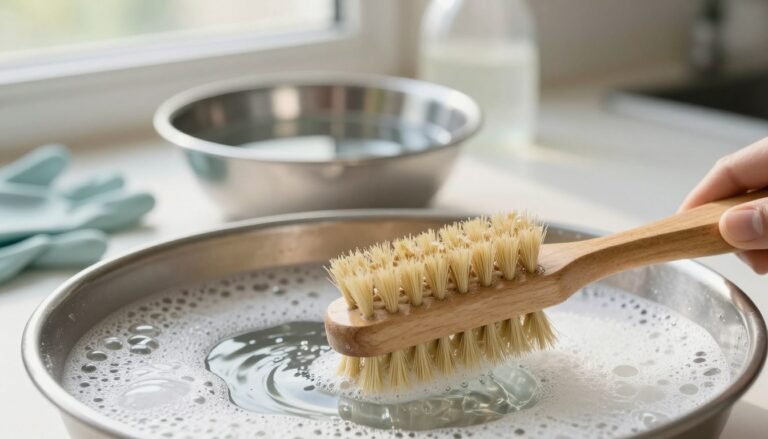
If you prefer dish gloves or leather gloves, keep them clean. Wipe off honey, air dry, and inspect seams before each use. Regular cleaning preserves comfort and equipment life.
- Fit check: try a full range of motion with your hive tool and lift a frame before heading to the yard.
- Hygiene habit: change or wash after handling honey or an infected frame.
- Quick rule: replace any damaged pair to maintain protection and safety during inspections.
| Factor | Why it matters | Action |
|---|---|---|
| Fit | Prevents snagging and internal gaps | Choose snug sizing and test with a hive tool |
| Hygiene | Reduces disease transfer between hives | Use single‑use nitrile where needed; clean reusable items |
| Material care | Extends life and comfort | Dry leather, wash synthetics, inspect seams |
| Replacement | Maintains protection | Replace torn or worn items promptly |
Managing Bee Behavior and Alarm Pheromones
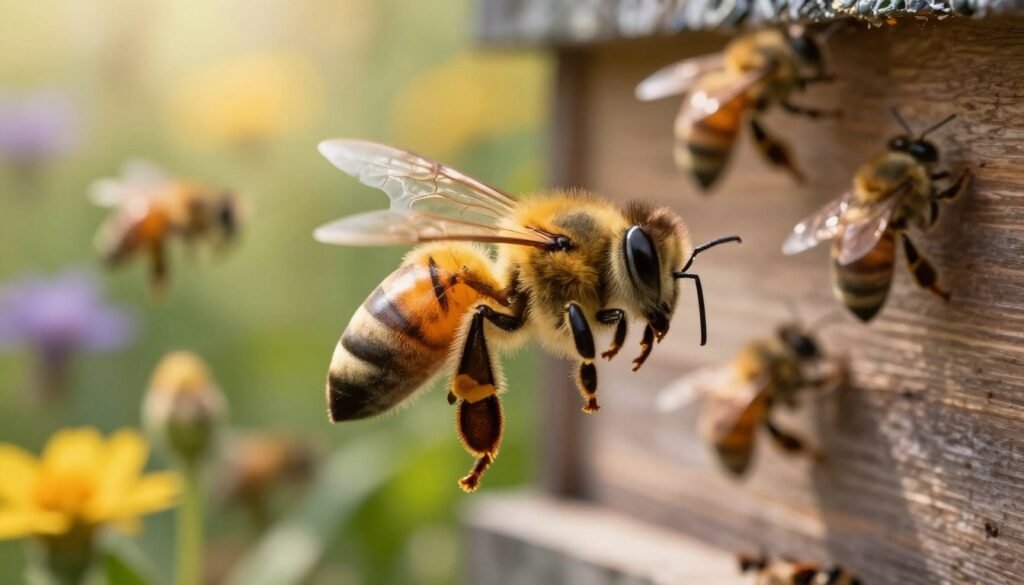
A single crushed bee can send a clear chemical alarm that shifts an entire colony into defense. That alarm scent tells other bees to guard the hive and makes them more likely to deliver stings.
When you handle frames, aim for steady, guided motion. Use the right tool and keep movements slow. A careless pinch can release pheromone and change the day’s work.
- Reduce crushing: use thin nitrile gloves or thin dish gloves for tasks that need fingertip sensitivity around the queen.
- Use the correct tool: a hive tool and gentle lifts keep bees calm and lower the chance of agitation.
- Know your colony: a hive of 25,000 bees reacts faster; adjust your method and wear protection when needed.
Note: if you choose to work without gloves, be ready for a single sting to alter behavior for the rest of the day. Many beekeepers switch strategies mid‑inspection to balance dexterity and safety.
| Trigger | Effect | Action |
|---|---|---|
| Crushed bee | Alarm pheromone; rapid defensive response | Slow movements; avoid pinching; use a hive tool |
| Single sting | Raised colony alert for the day | Consider wearing leather or nitrile for sensitive tasks |
| Rough handling | Increased stings and agitated bees | Train steady technique; use thin protection when handling queen |
For basic steps on safe handling and when to wear gloves, review our beekeeping safety for beginners guide.
If you choose reusable gloves, follow a glove sanitizing routine between inspections.
Conclusion: Selecting the Right Protection for Your Apiary
Choosing the right hand protection shapes how safely and effectively you manage each hive visit.
Selecting between leather gloves and nitrile gloves is a personal choice that changes as you gain experience as a beekeeper. Many beekeepers move from thick leather to thinner nitrile, and some work without gloves for delicate tasks once they learn to read their bee’s behavior.
Always prioritize fit, good hygiene, and equipment that supports dexterity and beekeeping safety.
FAQ
What are the main differences between leather gauntlets and nitrile options for beekeepers?
Leather gauntlets, often made from cowhide or goatskin, offer strong puncture resistance and long service life. They protect well during heavy hive work like lifting supers or handling frames. Nitrile alternatives provide superior tactile feedback and fingertip dexterity, making them useful for delicate tasks such as queen handling, grafting, or inspecting brood. Choose leather for rugged protection and nitrile when precision matters.
Can I wear thin nitrile during full hive inspections safely?
Thin nitrile gives excellent sensitivity but less puncture resistance than thick leather. For full inspections, many experienced beekeepers pair a thin nitrile liner under a leather gauntlet or use nitrile alone only when colonies are calm and smoke and protective clothing are in use. Prioritize fit and ruching to avoid gaps at the wrist.
How do ventilated leather styles compare for summer work?
Vented leather models include perforations or mesh panels to reduce heat and sweat. They increase comfort during hot-day inspections but can slightly lower sting protection where perforations exist. Use ventilated styles for routine checks when colonies are docile and switch to solid gauntlets for defensive hives or heavy handling.
Are nitrile options cost-effective considering frequent replacement?
Nitrile tends to be inexpensive per pair, especially the thin examination types. Frequent replacement can add cost, but many beekeepers find the improved dexterity and hygiene justify it. Reusable thicker nitrile or industrial-grade options last longer. Consider task-specific use to manage expense—nitrile for inspection and leather for lifting.
What hygiene benefits do single-use nitrile pairs provide?
Single-use nitrile reduces cross-contamination risk between colonies by limiting disease and pest transfer on hands. They are easy to change between apiaries or after handling suspect frames. Proper disposal and avoiding reuse are key to this biosecurity advantage.
How should gloves be sized to maintain dexterity and protection?
Proper fit must balance snugness and freedom of movement. Too tight reduces circulation and comfort; too loose increases snagging and gives bees room to sting between material folds. Measure hand width and length, and choose a size that allows fingertip control without excessive slack at the wrist. Adjustable cuffs or elastic closures help seal the gap.
What risks come with working bare-handed during hive inspections?
Bare-handed inspections give the best tactile feedback and can speed delicate tasks like queen marking. However, you risk multiple stings, allergic reactions, and disease transfer between colonies. Many veteran beekeepers use bare hands only with very gentle colonies and after years of experience; beginners should avoid this approach.
Can wearing gloves affect bee behavior or trigger alarm pheromones?
Materials with strong odors or residues (like dish soap or certain leather treatments) can irritate bees and increase defensiveness. Properly cleaned equipment and unscented hand products minimize this effect. Gentle, calm handling and smoke application remain the primary ways to reduce alarm pheromone responses.