Last Updated September 16, 2026
Most homeowners pay between $150 and $500 to have a beehive removed, with a commonly cited national average around $280 to $445. That range covers a lot of ground, though — a small, easily accessible hive in a backyard shed might run as little as $150, while a large, established colony deep inside a second-story wall with structural repairs afterward can climb past $2,500. Whether the job is a straightforward extermination or a full live removal and relocation changes the price just as much as the hive’s size and location do.
This guide breaks down what actually drives beehive removal costs, the real difference between extermination and live removal pricing, and how to avoid overpaying for a job that a phone call to a local beekeeper might solve for free. Understanding these factors before you call anyone puts you in a much stronger position to evaluate whether a quote is reasonable or padded.
Key Takeaways
- Typical beehive removal costs run $150 to $500, with a national average commonly cited around $280 to $445, though difficult jobs can exceed $2,500 with repairs.
- Extermination is usually cheaper ($150-$400) than live removal and relocation ($250-$800+), but it kills the colony and can leave behind honey and wax that attracts pests.
- Hive accessibility drives labor cost more than any other single factor — a hive inside a wall, chimney, or high roofline costs significantly more than one in an open shed or low tree branch.
- Some local beekeepers will relocate a honey bee colony for free, since a captured swarm or established colony is a genuine asset for their own apiary.
- Structural repairs after removal — opening and resealing a wall, replacing damaged siding — are a separate cost that can rival or exceed the removal fee itself.
Table of Contents
- What Beehive Removal Typically Costs
- Extermination vs. Live Removal: A Real Price Difference
- What Actually Drives the Price Up or Down
- When Removal Can Be Free
- Structural Repair Costs After Removal
- Regional Price Differences
- Why DIY Removal Almost Never Saves Money
- How to Choose Between a Beekeeper and a Pest Control Company
- Getting an Accurate Quote
- Frequently Asked Questions
What Beehive Removal Typically Costs
| Method | Typical Cost Range | What It Includes | Best For |
|---|---|---|---|
| Extermination | $150 – $400 | Kills the colony; no comb/honey removal guaranteed | Wasp/hornet nests, or hives too difficult for live removal |
| Live Removal & Relocation | $250 – $800+ | Careful extraction of bees, comb, and queen intact | Honey bee colonies you’d rather see relocated than killed |
| Removal + Structural Repair | $400 – $2,500+ | Removal fee plus opening/resealing a wall or replacing siding | Established colonies built into a wall cavity or chimney |
| Free/Low-Cost Beekeeper Pickup | $0 – $150 | Basic swarm or easily accessible colony capture | Exposed, accessible swarms that don’t require carpentry |
Published cost guides vary somewhat in their exact numbers, but they converge on a similar overall picture: most homeowners pay somewhere between $150 and $500 for beehive removal, with a national average commonly cited in the $280 to $445 range. That figure typically covers locating and removing the hive itself. It usually doesn’t include separate costs like a pre-removal inspection (often $50 to $150 on its own) or any carpentry and repair work needed afterward, which can add substantially to the final bill depending on where the hive was built. Reputable companies will typically break these costs out separately in a written estimate rather than folding everything into one vague number, which makes comparing multiple quotes considerably easier.
Extermination vs. Live Removal: A Real Price Difference
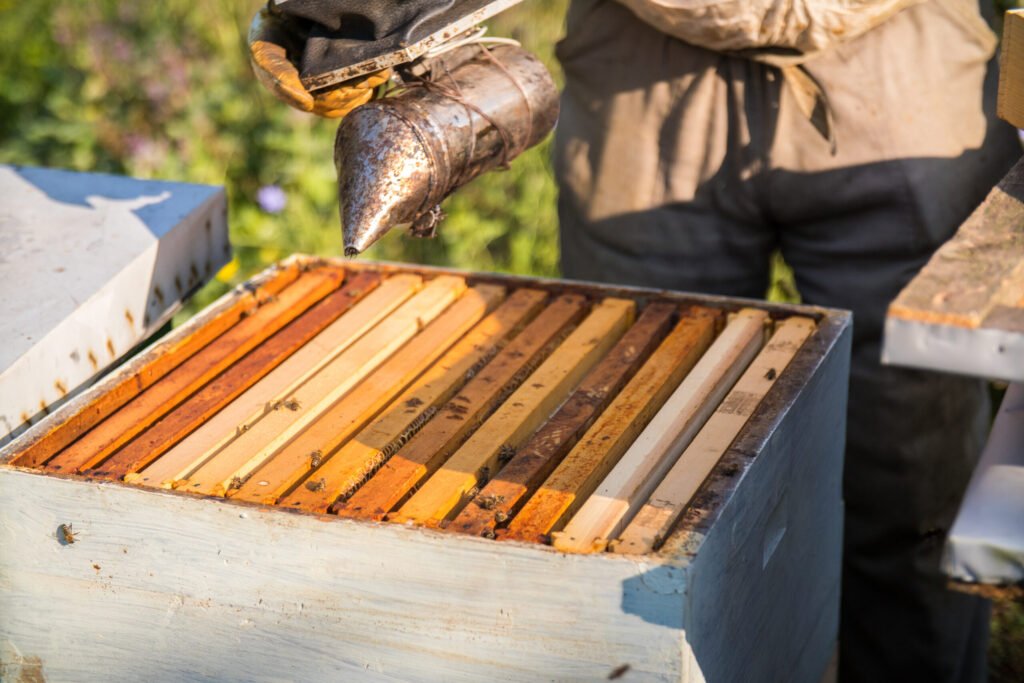
The single biggest decision that affects price is whether you want the colony exterminated or relocated alive. Extermination is generally the cheaper option, averaging $150 to $400, since it’s a faster process that doesn’t require carefully extracting live bees, comb, and a queen intact. Live removal and relocation costs more — typically $250 to $800 or higher — because it takes more time, more skill, and specialized equipment to remove a colony without destroying it in the process. The tradeoff is real: extermination can leave dead colonies, abandoned honey, and wax behind inside a wall cavity, which can attract other pests and occasionally leach honey through drywall or paint if not fully cleaned out, while live removal generally leaves the site cleaner precisely because the goal is an intact, undamaged structure the colony can be lifted out of. Some homeowners choose extermination anyway simply because it’s faster and less expensive up front, accepting the tradeoff of a potential cleanup step later rather than paying more for a gentler process now.
What Actually Drives the Price Up or Down
A handful of factors explain most of the variation between a $150 job and a $1,500 one:
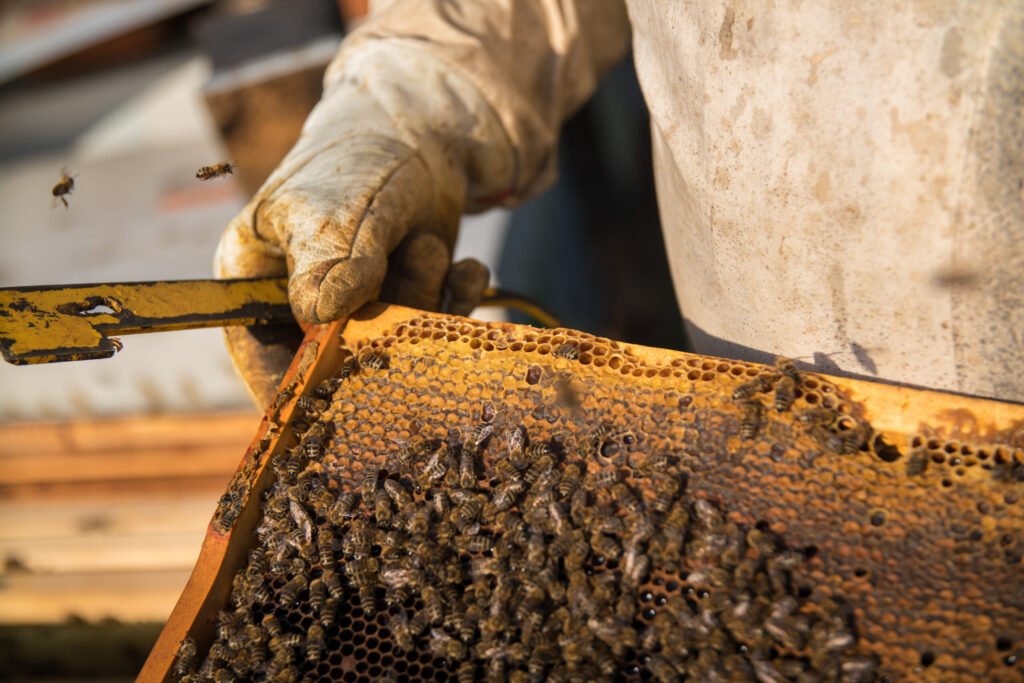
- Hive size: A small, recently established colony with a few thousand bees and a few pounds of comb is far cheaper to remove than a large, mature colony with tens of thousands of bees and 40-plus pounds of comb.
- Location and accessibility: This drives labor cost more than any other single factor. A hive in an open shed or a low tree branch is straightforward; a hive inside a soffit, behind siding, inside a chimney, or high up on a second story requiring ladders, scaffolding, or a lift adds real time and risk, which shows up directly in the price.
- Bee species: Removing honey bees, which many removal specialists prefer to relocate rather than kill, can differ in price from removing a wasp or hornet nest, which is typically handled as straightforward extermination.
- Time of year: Colonies are often larger and more established by late summer than in early spring, which can mean more comb and more bees to deal with later in the season.
- Emergency or same-day service: Rush jobs typically carry a surcharge on top of the base removal fee, so if the situation isn’t a true emergency – no one is being actively stung, and the hive isn’t blocking an entrance – waiting a day or two for a standard appointment slot can meaningfully reduce the total cost.
When Removal Can Be Free
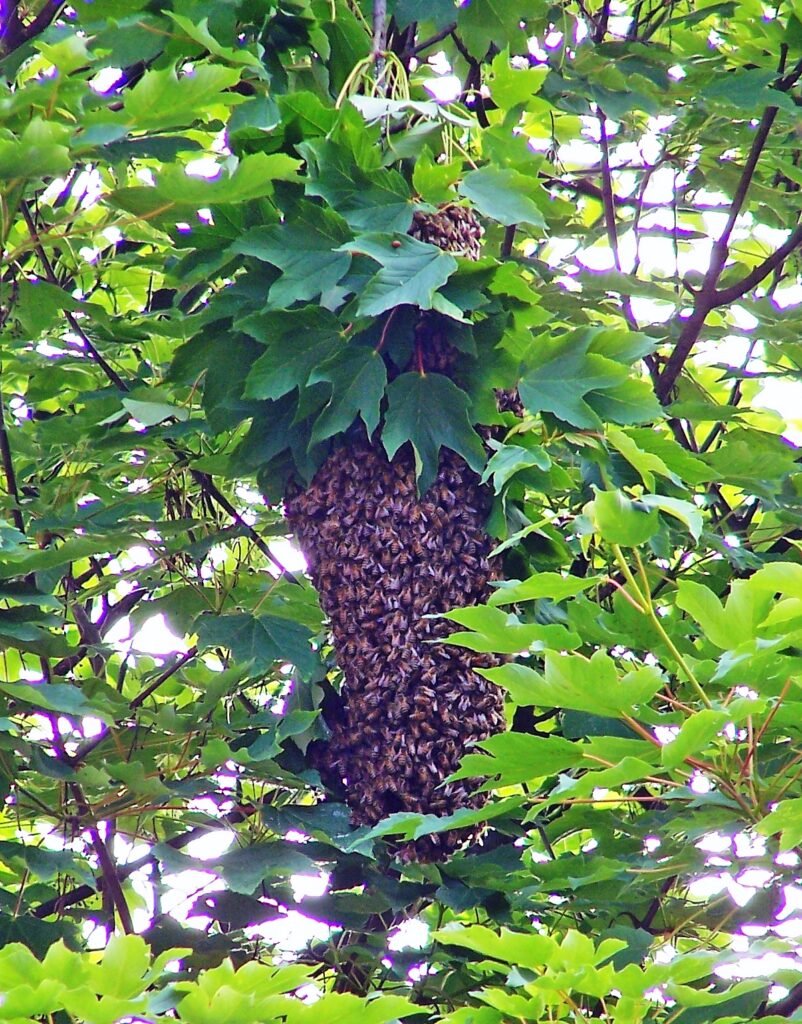
It’s genuinely possible to have a honey bee colony removed for free, or close to it. Local beekeepers are sometimes willing to perform a live removal at no charge, or for a reduced fee, because a captured swarm or an established colony is a real asset for their own apiary — free bees, essentially, in exchange for the labor of extracting them safely. This is more likely to work out for a genuinely accessible hive that doesn’t require extensive carpentry to reach, and less likely for a difficult job buried deep inside a wall, where the labor involved outweighs the value of the bees themselves to a hobbyist beekeeper. Reaching out to a local beekeeping association before calling a paid pest control service is worth the extra step if your situation isn’t urgent. Many associations maintain a public list of members willing to handle swarm calls and removals, and starting there rather than a general internet search often turns up someone genuinely local who can respond faster and cheaper than a larger regional pest control franchise.
If watching a removal sparks an interest in keeping bees yourself, our full breakdown of what beekeeping actually costs is a reasonable next read before buying equipment.
Structural Repair Costs After Removal
Removal itself is often only part of the total cost. If a colony has been established long enough to build substantial comb inside a wall cavity, removing it can mean opening drywall or siding to physically extract the comb and any residual honey, since leaving comb behind can lead to lingering odor, staining, and secondary pest problems. Homeowners dealing with a hive that caused real structural involvement should budget for this separately — repair costs can run anywhere from a couple hundred dollars for minor drywall patching to $2,500 or more when significant carpentry, insulation replacement, or siding repair is required. Getting a separate repair estimate from a general contractor, rather than relying solely on the removal company’s in-house repair pricing, is a reasonable way to make sure you’re not overpaying for that portion of the job.
Regional Price Differences
Like most home service costs, beehive removal pricing varies by region. Major metro areas — New York City and Los Angeles are commonly cited examples — tend to run higher than rural areas, particularly in the rural Midwest, reflecting the same general cost-of-labor differences that show up across most home service categories. Getting a local quote rather than assuming a national average applies exactly to your area is the more reliable way to budget, and calling two or three local providers for comparison is usually enough to get a realistic sense of what removal actually costs in your specific market.
Why DIY Removal Almost Never Saves Money
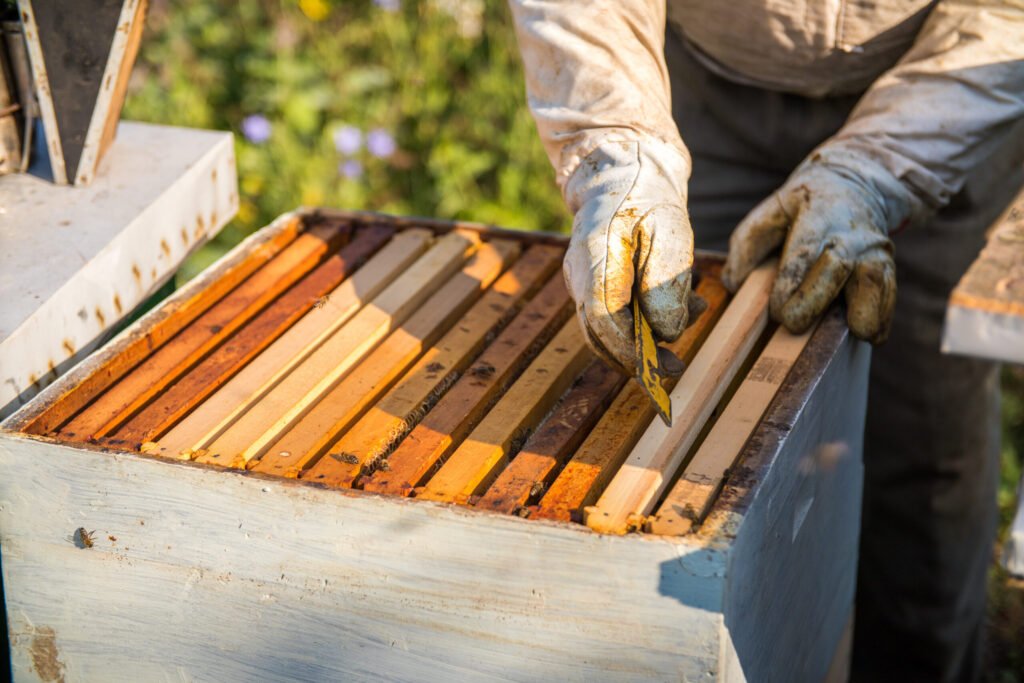
Removing a beehive yourself can seem like an obvious way to avoid paying for a professional, but it’s genuinely risky without the right equipment and experience — a poorly executed DIY attempt can provoke defensive stinging, damage the structure worse than a professional removal would have, or fail to fully remove the comb and honey, leaving the underlying problem to resurface. If you’re comfortable with basic beekeeping and the hive is genuinely accessible, our guide to how to do a bee cutout walks through what a proper removal actually involves — but for most homeowners without hands-on beekeeping experience, the safer and often cheaper-in-the-long-run choice is hiring someone who does this regularly.
How to Choose Between a Beekeeper and a Pest Control Company

A local beekeeper or a beekeeping-focused removal specialist is generally the better choice when the colony is honey bees and you’d rather they be relocated than killed — many are more affordable than general pest control companies specifically because they want the bees. A general pest control company makes more sense for wasp or hornet nests, or for a honey bee colony in a location so difficult that live removal genuinely isn’t practical. If you’re weighing whether removal work might be a viable side business rather than just a one-time cost, our guide to starting a bee removal business covers the licensing, equipment, and pricing side from the other direction.
Getting an Accurate Quote
Because location and accessibility affect price more than almost anything else, the most useful thing you can do before calling for quotes is take a few photos of the hive and its exact location — height off the ground, whether it’s inside a wall or exposed, how close it is to windows or doors. Sharing that detail up front, along with roughly how long you’ve noticed bee activity (a rough proxy for colony size and maturity), will get you a far more accurate phone or video quote than a vague description, and it reduces the odds of a surprise price increase once the technician actually arrives on site.
First check whether it's a swarm or a colony, because that changes the cost.
For wasps, see wasp nest removal costs and when to call a pro.
Frequently Asked Questions
How much does it typically cost to remove a beehive?
Most homeowners pay between $150 and $500, with a national average commonly cited around $280 to $445, though difficult or large jobs with structural repairs can exceed $2,500.
Is it cheaper to exterminate bees or have them removed alive?
Extermination is usually cheaper, averaging $150 to $400, compared to $250 to $800 or more for live removal and relocation, though extermination can leave behind honey and wax that attracts other pests.
Can I get a beehive removed for free?
Sometimes. Local beekeepers occasionally perform free or low-cost removals for genuinely accessible hives, since a captured colony is a real asset for their own apiary.
Why is bee removal from inside a wall so much more expensive?
Accessibility drives labor cost more than any other factor, and removal from inside a wall, chimney, or high roofline often requires ladders, scaffolding, and post-removal repair work that a simple exposed nest doesn’t.
Should I try to remove a beehive myself?
Generally no, unless you have hands-on beekeeping experience and the hive is genuinely accessible. A poorly executed DIY removal risks defensive stinging, structural damage, and an incomplete removal that lets the problem resurface.
Related Reading
For more on this topic, see the EPA's pollinator protection resources.
Image credits: Photo: T.Voekler, licensed CC BY-SA 3.0, via Wikimedia Commons.