Last Updated September 22, 2026
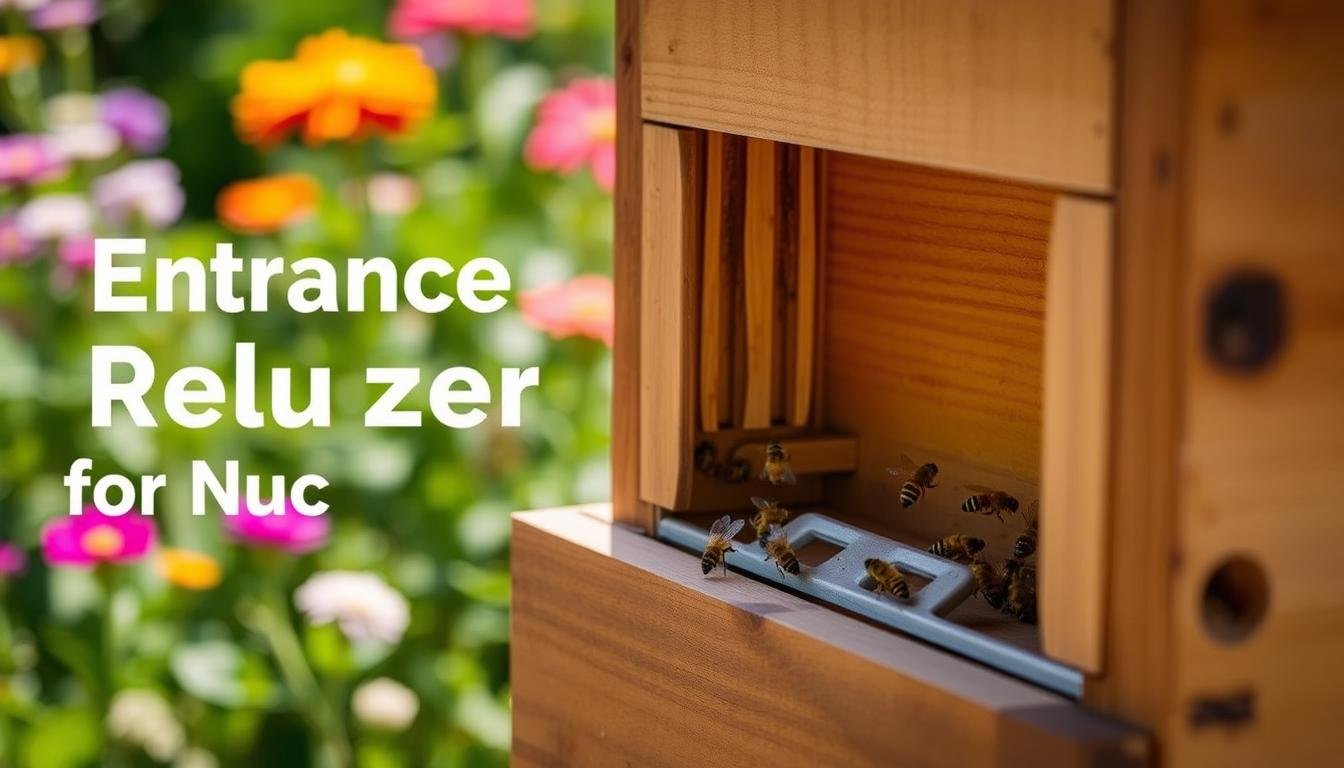
Protect your nucleus colony with a reliable entrance tool. This short guide explains why a properly sized reducer is vital for 5-frame setups in modern beekeeping. It fits standard 5-frame bottom boards and helps keep pests out while letting bees move freely.
Shopping is simple: many orders over $150 ship free within the lower 48 states. Our product page includes detailed customer reviews and current price details so you can add the item to your cart with confidence.
For more specs and a full gear guide, visit the detailed metal guide here: metal entrance reducer guide.
Key Takeaways
- Designed to fit 5-frame bottom boards for professional use.
- Blocks pests while allowing controlled bee traffic.
- Orders over $150 qualify for free standard shipping in the lower 48.
- Customer reviews on the page confirm real-world effectiveness.
Table of Contents
- Why You Need the Best Entrance Reducer for Nuc Boxes
- Premium Design and Technical Specifications
- Sizing the Opening: Small Side vs. Large Side
- Installing the Reducer: Notch Up, at the Front
- Managing Colony Growth and Hive Ventilation
- Overwintering a Nuc: Drafts, Moisture, and Monthly Checks
- Common Mistakes and When to Open Up in Spring
- Conclusion
- FAQ
Why You Need the Best Entrance Reducer for Nuc Boxes
A reduced opening gives guard bees a simple way to spot and repel intruders before they enter the hive. This small change makes a big difference for weak colonies that must defend stores and brood.
Protecting Against Robber Bees
Honeybee colonies are always on alert. A narrow entrance helps workers control traffic and focus defense on a smaller area.
“When guard bees can concentrate at a single point, the colony repels robbers more easily.”
Supporting Newly Started Colonies
New 5-frame nucs benefit most from the small cutout opening. It reduces stress on the colony and lets them prioritize growth over nonstop defense.
For guidance on timing, check when to add or remove a and explore alternatives at hive entrance reducer alternatives.
- Tip: Use the small opening on a new frame setup to protect the developing colony.
Premium Design and Technical Specifications
Crafted in the U.S. from Eastern White Pine, this unit measures 1.00 x 1.00 x 8.20 inches and weighs just 0.10 lbs. The size fits standard 5-frame bottom boards and slips into place with minimal fuss.
The timber resists seasonal wear while keeping the opening consistent across multiple hives. Customer reviews praise the fit and longevity on small frame setups.
“A durable insert that fits right and endures changing weather on active hives.”
- Material: Eastern White Pine — U.S. made.
- Dimensions: 1.00 x 1.00 x 8.20 inches; Weight: 0.10 lbs.
- Compatibility: Designed for standard 5-frame bottom boards; a 7-frame option is available from Apimaye USA.
| Feature | Specification | Notes |
|---|---|---|
| Material | Eastern White Pine | U.S. crafted for durability |
| Size | 1.00 x 1.00 x 8.20 inches | Fits 5-frame bottom boards |
| Weight | 0.10 lbs | Lightweight and easy to handle |
| Alternate | 7-frame option | Available from Apimaye USA for larger setups |
If you are assembling starter gear, check a recommended kit here: starter kit guide.
Sizing the Opening: Small Side vs. Large Side
A 5-frame nuc holds far fewer adult bees than a full hive body, which changes how the colony defends itself and holds heat. The common reversible 5-frame reducer gives two settings: a 1-inch notch on one side and a 1 1/2-inch notch on the other. Use the 1-inch side when a newly installed or overwintering nuc needs defense and warmth; flip to the 1 1/2-inch side in warm weather to improve ventilation and let foragers return with nectar and pollen without bottlenecks.
| Reducer Side | Width | Primary Benefit |
|---|---|---|
| Small side | 1″ | Greater defense; conserves heat |
| Large side | 1 1/2″ | Improved airflow; easier traffic |
| Reversible use | Both | Adjusts as colony size changes |
Fit matters as much as the notch. A reducer cut for a full-size 10-frame box will leave gaps or misalign on a nuc, inviting robbers and drafts, so use a piece made to the length of a standard five-frame bottom board. Rusty Burlew of Honey Bee Suite describes the reducer simply as a barrier that restricts the size of the opening so the bees can manage their hive, and notes that a reduced mouth gives a weak nuc a fighting chance against aggressive robbers.
Installing the Reducer: Notch Up, at the Front
Always set the reducer with the notch facing up. When the opening sits low against the bottom board, dead bees can pile up and block the passage during cold spells; a top-facing notch keeps the passage open and ventilation steady. Slide the piece into the front of the box so returning foragers land and enter without congestion.
- Position the notch upward to prevent blockage by dead bees.
- Flip the piece to switch between the smaller and larger notch during routine checks; no spare parts needed.
- Seat it snugly across the full width so no side gap is left for robbers or mice.
Managing Colony Growth and Hive Ventilation
Watch hive behavior closely during warm spells; heavy bearding often signals a need to widen the opening.
Proper airflow keeps a 5-frame nuc healthy and reduces stress on the colony. If many bees gather on the landing board, switch the cutout to the larger opening to let more air into the hive.
Give bees room before they swarm. Without adequate entry space, overcrowding raises the chance that the colony will swarm. Remove the insert entirely when the colony grows strong enough.
- Monitor bearding in hot months and increase airflow when needed.
- Move to the larger opening if bees accumulate out front.
- Remove the insert when the colony fills the available frames to avoid swarming.
For timing guidance on adjustments, see when to add or remove and consider noise-reducing stands at noise-reducing stands.
“Watch the front of the hive — the bees will tell you when they need more room.”
Overwintering a Nuc: Drafts, Moisture, and Monthly Checks
Cold air and trapped moisture are the twin threats to a small colony in winter. Keep the reducer on its 1-inch side through the cold months so the cluster loses less heat, and rely on a small upper vent or quilt box to shed moisture rather than a wider front opening. A narrow front also blocks mice, which gnaw wooden boxes in winter, and concentrates guard bees against late-season robbing by other colonies and yellowjackets.
- Keep the opening small in winter to limit cold air reaching the cluster.
- Pull the reducer out about once a month, or any time activity slows, and clear dead bees and debris from behind it. A blocked passage stresses bees and raises the risk of moisture problems.
- Keep checks brief and quiet after big temperature swings to avoid breaking the cluster.
For the rest of the cold-weather checklist, see the winter prep guide, and for rodent protection on full-size boxes, the best mouse guard options.
Common Mistakes and When to Open Up in Spring
A restricted front can turn a productive season into a bottleneck. Rusty Burlew warns that leaving a reducer on at peak bloom slows honey production and raises stress in the hive; bees may even chew at painted reducers when the gap is too tight.
- Keeping the opening too small once the colony needs more space during a nectar flow.
- Leaving a large gap on a weak nuc during robbing conditions instead of narrowing it.
- Ignoring signs of congestion: piled bees at the notch or long delays for returning foragers.
Timing the spring change matters as much as the size of the opening. Before widening or removing the reducer, confirm the nuc is strong enough to defend a larger entrance: steady nectar coming in, orientation flights, an expanding brood nest, and few dead bees behind the block. Removing it too early leaves the colony vulnerable to robbing; leaving it too long limits growth. Go from the small notch to the large one first, and remove the piece entirely only when the colony fills its frames.
Conclusion
Good hive care means matching opening size to colony strength and local weather each season. Use an entrance reducer when colonies are small, then widen the cutout as traffic grows.
Proper sizing reduces robbing risk and helps ventilation without overworking guard bees. Check one frame at a time and watch how bees use the landing board.
Before you add a unit to your cart, confirm the current price and read customer reviews on the product page.
Learn more about timing and setup at when to add or remove, or read hive choices and minimalist options at how to choose a beehive and minimalist setups.
FAQ
How small should the opening be for a weak or overwintering nuc?
Use the small notch, typically about 1 inch wide, on the front of a standard 5-frame box; the larger 1 1/2-inch notch is for warm weather and heavy foraging. The aim is a gap that lets only a couple of bees pass side by side, which improves defense and heat retention while still allowing forage returns and fanning.
Can a reducer improve hive ventilation during hot months?
Yes. Many reducers include adjustable notches or removable inserts so you can widen the gap on warm days. Open the entrance slightly to increase airflow while still providing a visual barrier that guides bees and reduces drifting between hives.
How does a reducer help prevent robber bees and wasps?
A smaller opening limits attackers’ ability to swarm the entrance and lets guard bees more effectively monitor traffic. Combined with routine hive checks and reducing exposed honey frames, a proper reducer reduces stress and lowers the chance of robber outbreaks.
Are there materials that last longer in outdoor conditions?
Durable options include hardwood, marine-grade plywood, and UV-stable plastics. Metal components can work but may corrode. Choose weather-resistant builds from reputable suppliers like Mann Lake or Brushy Mountain to ensure longevity and minimal maintenance.
When should I remove or widen the reducer during colony growth?
Widen the opening as population and foraging traffic increase—typically late spring to early summer. If bees are consistently carrying pollen and congestion at the entrance drops, gradually open the reducer. Keep monitoring for signs of robbing before fully removing it.
Can I use a reducer when shipping or moving a nuc colony?
Yes. A reduced opening helps limit bee movement and damage during transport. Secure the entrance with a ventilated stopper or small reducer and ensure adequate airflow to prevent overheating. Many beekeepers use screened transport boxes with a restricted opening for safety.
What are signs that my reducer is too large for a small colony?
Repeated robbing attempts, foreign bees fighting at the front, missing stores, and guard bees that look overwhelmed all point to an opening the colony cannot hold. Flip to the smaller notch to give the guards an advantage until the population grows.
How often should I check the entrance area during winter?
Every few weeks in mild conditions and after big temperature swings. Keep checks brief and quiet so you do not break the cluster, and clear dead bees or debris from behind the reducer so the passage stays open.