Table of Contents
- What an Uncapping Tank Actually Does
- The Two-Piece Design
- Frame Support While You Work
- Dual-Purpose Strainer Function
- Uncapping Tank vs. Cappings Spinner
- Material Options: Plastic vs. Stainless Steel
- Sizing for Your Operation
- DIY Uncapping Tanks
- Using an Uncapping Tank With a Harvest Team
- Who Actually Needs One
- The Honey Gate Valve Feature
- Cleaning and Maintenance Between Uses
- Strainer Mesh Size Considerations
- Positioning the Tank in Your Extraction Space
- Realistic Cost Range
- Covers and Contamination Prevention
- Planning Tank Capacity for a Full Harvest Day
- Pairing With Your Chosen Uncapping Tool
- Tracking Recovery Efficiency Over Time
- Off-Season Storage
- Humidity and Ambient Conditions
- Humidity and Ambient Conditions
- Common Mistakes
What an Uncapping Tank Actually Does
An uncapping tank is the dedicated workspace container beekeepers uncap frames directly over, catching wax cappings and drips of honey as the uncapping tool does its work, then straining and separating the two so both the honey and the cappings can be recovered cleanly rather than lost or mixed together on an improvised work surface. It’s a genuinely foundational piece of extraction equipment most serious hobbyist and commercial beekeepers eventually add to their setup.
The Two-Piece Design
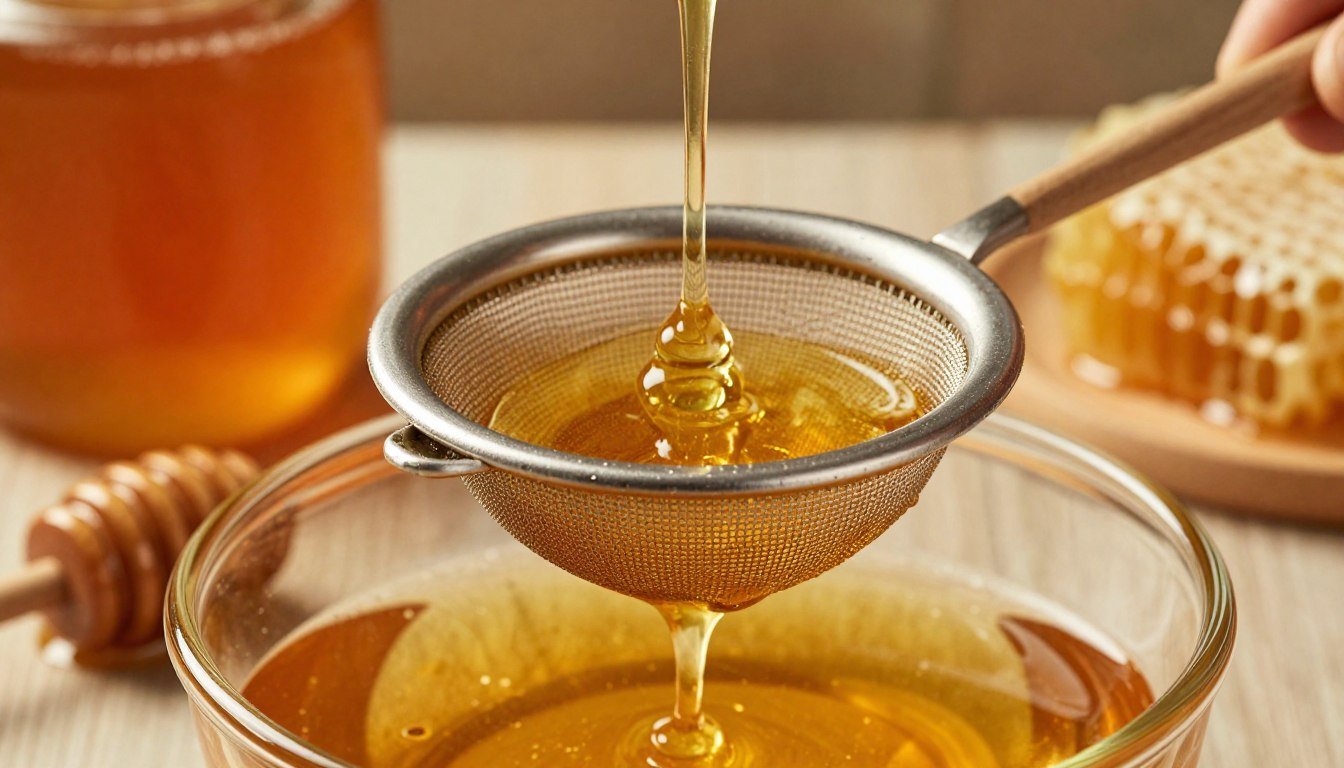
Standard uncapping tanks use a two-piece nested design — an upper section with a metal strainer grid or mesh bottom that holds cappings while letting honey drain through, sitting inside a lower tank that collects the strained honey underneath. This straightforward gravity-based separation is the core mechanical principle behind the whole design, requiring no power or moving parts to function.
Frame Support While You Work
Most uncapping tanks include built-in wooden slats or rails across the top specifically designed to rest a frame securely while you work, freeing one hand to hold the frame steady (or letting it rest hands-free) while your other hand operates the uncapping knife or plane, letting removed cappings and drips fall directly into the tank below rather than onto your work surface or floor. This dedicated frame-support feature is a genuine practical convenience over improvising with a bucket or basin alone.
Dual-Purpose Strainer Function
Many uncapping tank models are specifically designed to double as a general honey strainer tank when flipped or reconfigured, giving the equipment a second practical use beyond the uncapping step itself — straining honey coming out of the extractor before bottling, using the same basic mesh-and-collection-tank principle. This dual-purpose design meaningfully improves the equipment’s overall value, since it earns its keep at two separate points in your extraction workflow rather than only during uncapping.
Uncapping Tank vs. Cappings Spinner
| Factor | Uncapping Tank | Cappings Spinner |
|---|---|---|
| When used | During uncapping, catches drips in real time | After uncapping, processes collected cappings separately |
| Mechanism | Passive gravity draining | Active centrifugal spinning |
| Honey recovery from cappings | Partial — passive drainage only | Much higher — roughly 98% via active spinning |
| Cost | Lower | Higher |
These two pieces of equipment are genuinely complementary rather than competing — the tank catches and does initial passive draining during uncapping itself, while a cappings spinner actively recovers the additional honey a tank’s passive drainage alone leaves behind in the cappings.
Material Options: Plastic vs. Stainless Steel
Uncapping tanks are available in both food-grade plastic and stainless steel construction, with plastic offering a lower-cost entry point suitable for hobbyist use and stainless steel offering greater long-term durability and easier deep cleaning for operations using the equipment heavily season after season. Neither material choice changes the core two-piece straining function; it’s purely a durability-versus-cost decision layered on the same basic design.
Sizing for Your Operation
Uncapping tanks come in a range of sizes matched roughly to expected frame volume per session, with smaller tanks suiting occasional hobbyist use and larger models better matched to sideline or commercial operations processing many frames in a single sitting — buying a tank sized realistically for your actual typical session volume, rather than the largest available model regardless of need, avoids both an undersized bottleneck and unnecessary cost for capacity you won’t use.
DIY Uncapping Tanks
Some beekeepers build functional DIY uncapping tanks from food-grade plastic totes fitted with a purchased mesh straining insert and simple wooden slats, achieving a genuinely usable setup at meaningfully lower cost than a purpose-built commercial tank, though generally without the honey gate valve convenience and refined design details a dedicated commercial model includes. This DIY route is a reasonable starting point for beekeepers wanting to try dedicated uncapping-tank workflow before investing in commercial equipment.
Who Actually Needs One
Any beekeeper regularly harvesting and uncapping frames — from serious hobbyists processing a handful of supers to full commercial operations — genuinely benefits from a dedicated uncapping tank over improvising with buckets or open containers, given how directly it improves cleanliness and honey recovery during a normally messy step. This is one of the more universally worthwhile extraction equipment purchases across nearly every scale of operation.
The Honey Gate Valve Feature
Most commercial uncapping tanks include a honey gate valve near the bottom of the lower collection tank, letting you drain accumulated strained honey directly into a filter bucket or bottling container without lifting or tilting the tank itself — a genuinely convenient feature that avoids the mess and physical awkwardness of pouring honey from a heavy, partially full tank by hand. Checking that a specific model includes a quality, properly sealing honey gate is worth confirming before purchase, since a poorly sealing gate can drip or leak during storage between uses.
Cleaning and Maintenance Between Uses
Prompt cleaning after each uncapping session, before honey and wax residue has a chance to dry and harden in the mesh strainer, keeps the tank functioning as designed and prevents an unpleasant buildup that becomes considerably harder to remove later. Stainless steel tanks generally clean up faster and more thoroughly than plastic, though both materials benefit genuinely from being rinsed and dried promptly rather than left sitting between uses.
Strainer Mesh Size Considerations
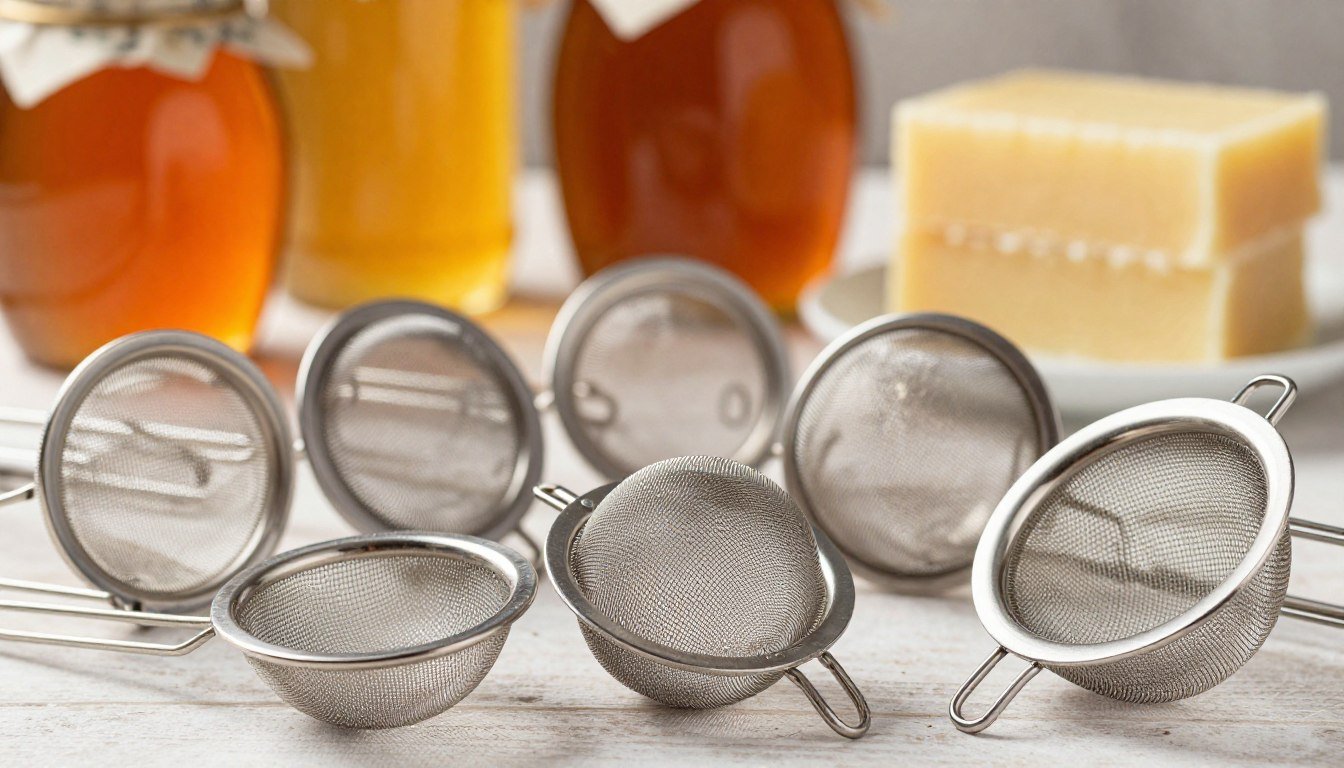
The strainer grid or mesh size affects how much fine wax particulate passes through into the collected honey alongside the larger cappings caught on top — a coarser mesh lets more fine debris through requiring additional downstream straining before bottling, while a finer mesh catches more debris at this earlier stage but can also slow drainage somewhat. Most commercial tanks use a mesh size intended as a first-pass rough strain, with finer straining still recommended as a separate downstream step before final bottling regardless of the uncapping tank’s own mesh coarseness.
Positioning the Tank in Your Extraction Space
Placing the uncapping tank at a comfortable working height, typically on a sturdy table or dedicated stand, and positioned logically between where frames arrive from the hive and where they’ll go into the extractor next, keeps your overall extraction workflow moving smoothly rather than requiring awkward repositioning or extra carrying steps between each stage of the process. Thinking through this physical layout before harvest day, rather than improvising on the spot, meaningfully reduces wasted motion during an already busy, time-sensitive activity.
Realistic Cost Range
Basic plastic uncapping tanks are relatively inexpensive and represent one of the more accessible extraction-equipment purchases for a beekeeper just starting to invest in dedicated harvest equipment, while larger stainless steel commercial models cost meaningfully more, reflecting both the material upgrade and increased capacity. Given how directly this equipment improves the messiest, most honey-loss-prone step of the extraction process, many beekeepers consider it one of the better value-for-cost purchases in their overall equipment lineup.
Covers and Contamination Prevention
Some uncapping tank models include an optional cover or lid to keep bees, wasps, and other insects away from the exposed honey and cappings during a harvest session, particularly relevant if uncapping happens outdoors or in a space bees can access — an uncovered tank of fresh honey and cappings is a genuine attractant that can trigger robbing behavior or simply draw unwanted insect attention during the work session itself.
Planning Tank Capacity for a Full Harvest Day
Estimating how many frames you’ll realistically process in a single harvest session, and how much accumulated honey and cappings volume that represents, helps you choose appropriate tank capacity so you’re not stopping mid-session to empty an undersized tank repeatedly — a genuine workflow interruption worth avoiding through reasonable upfront capacity planning rather than discovering the limitation on your first actual harvest day.
Pairing With Your Chosen Uncapping Tool
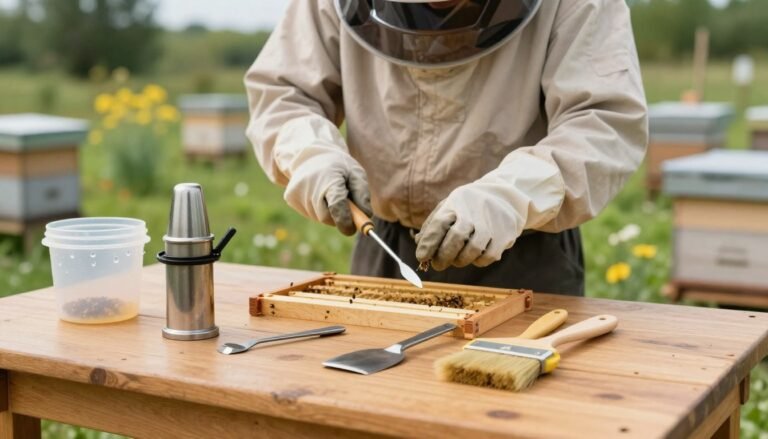
Whichever uncapping tool you use, whether a cold knife, electric knife, steam knife, or uncapping plane, all work over the same basic tank design without any tool-specific compatibility concerns — the tank simply catches whatever falls as you work, regardless of which cutting method produced it, making this a genuinely universal piece of equipment that doesn’t lock you into a specific tool choice.
Tracking Recovery Efficiency Over Time
Keeping simple notes on approximate honey volume recovered per frame or per session helps you notice if recovery efficiency changes over time, potentially signaling a maintenance issue like a clogged or damaged strainer mesh worth addressing, and gives you a useful personal baseline for evaluating whether pairing your tank with a cappings spinner for the additional recovery step is genuinely worthwhile for your specific operation’s honey volume.
Off-Season Storage
Between harvest seasons, a thoroughly cleaned and fully dried uncapping tank should be stored somewhere protected from dust and pests, ideally with the honey gate valve left open or disassembled if removable to prevent any residual moisture from sitting inside the closed valve mechanism over an extended storage period, which can otherwise contribute to mold or unpleasant odors developing before the equipment’s next use.
Humidity and Ambient Conditions
Working in a genuinely humid environment can slow honey’s natural drainage rate through the strainer mesh somewhat, since ambient moisture affects honey viscosity, so beekeepers in especially humid climates may notice slightly slower straining performance than the same equipment would show in a drier setting — a minor practical detail worth knowing rather than assuming a slower-than-expected drain rate signals an equipment problem.
Common Mistakes
Uncapping directly over an open bucket or basin without a proper straining mechanism loses honey recovery efficiency and makes a genuinely messier workspace than a dedicated tank’s designed drainage system provides. Buying a tank sized for occasional small-batch use when your actual operation processes significant frame volume creates an avoidable bottleneck during harvest. Skipping regular cleaning between uses, letting honey and wax residue harden in the strainer mesh, makes future cleaning considerably more difficult than staying on top of it after each session.
Using an Uncapping Tank With a Harvest Team
For operations working extraction as a team, a single dedicated uncapping tank generally works best staffed by one person handling that specific step continuously, while other team members manage frame supply and extractor operation in parallel, rather than multiple people trying to share the same tank and tool simultaneously, which mainly creates congestion around a single fixed workstation rather than actually speeding up the overall process.
Sources
Equipment design and functional details reflect published beekeeping equipment supplier documentation on standard uncapping tank construction and dual-purpose strainer designs. See the National Honey Board’s honey varietal guide for additional authoritative detail.
FAQ
Is an uncapping tank the same as a cappings spinner?
No — an uncapping tank is a passive gravity-draining container you uncap directly into, while a cappings spinner is a separate, more active piece of equipment that spins already-collected cappings afterward to recover significantly more residual honey.
Can an uncapping tank also be used to strain extracted honey?
Many models are specifically designed for this dual purpose, using the same mesh-and-collection-tank principle to strain honey coming out of the extractor before bottling.
Should I buy plastic or stainless steel?
Plastic offers a lower-cost entry point suitable for hobbyist use, while stainless steel offers greater durability and easier cleaning for heavier, repeated seasonal use — neither changes the core straining function.
Can I build my own uncapping tank instead of buying one?
Yes — a food-grade plastic tote fitted with a mesh straining insert and wooden slats makes a functional DIY version at lower cost, though without the refined convenience features (like a honey gate valve) commercial models include.
Does an uncapping tank remove all the wax from the honey?
The mesh strainer catches most cappings and larger wax particles, but finer wax debris can still pass through into the collected honey, so an additional downstream straining step before bottling is still generally recommended regardless of the tank’s own mesh coarseness.