After extraction, most beekeepers run their honey into a bottling tank: a container with a honey gate (a valve) near the bottom. The honey sits long enough for air bubbles and fine bits of wax to rise, and then you fill jars from the gate. Bottling tanks come in two main materials: food-grade stainless steel and food-grade plastic. This guide compares them on cost, weight, cleaning, heating, durability and capacity so you can choose the right one for the size of your operation.
Key Takeaways
- Plastic bottling buckets (food-grade pails fitted with a honey gate) are the cheapest, lightest way to settle and bottle honey from a handful of hives. A 5-gallon pail holds about 60 lb of honey.
- Stainless steel tanks cost more but last longer, clean up easily, do not stain or hold odors, and come in larger sizes, commonly 110 lb and 200 lb for hobbyist and sideline tanks.
- Heating is the biggest functional difference. Larger stainless bottling tanks are available with water jackets and heaters. Plastic should only be warmed gently and indirectly.
- Honey weighs about 12 lb per gallon, so size any tank by the weight of honey you extract in one session.
- Whatever the material, it must be food grade. Never reuse a bucket that has held chemicals, paint or non-food products.
Table of Contents
- What a Bottling Tank Does
- Plastic Bottling Buckets and Tanks
- Stainless Steel Bottling Tanks
- Side-by-Side Comparison
- Heating and Honey Flow
- Cleaning and Food Safety
- Which Should You Choose?
- Conclusion
- FAQ
What a Bottling Tank Does
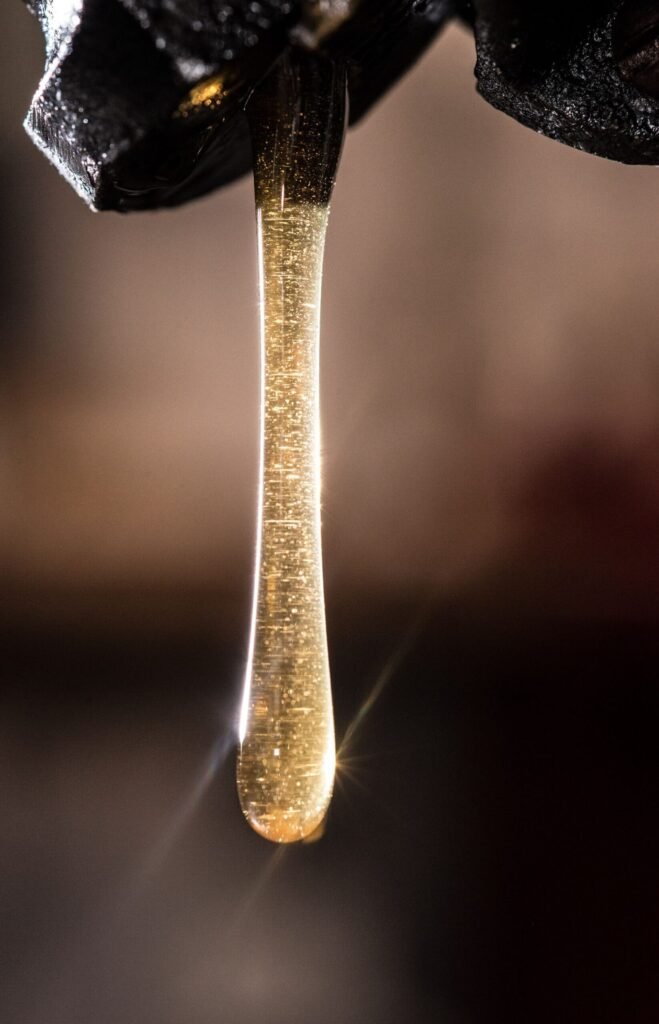
A bottling tank has two jobs. First, it is a settling tank. Freshly extracted, strained honey is full of tiny air bubbles and fine wax particles. Left undisturbed, those rise to the top as a layer of foam you can skim off, so the honey drawn from the bottom gate comes out clear. Our guide on how long honey can sit in a settling tank covers timing.
Second, it is a filling station. The honey gate at the bottom lets you fill jars one at a time with good control and little mess. The gate is a wear part on either type of tank, and replacements are sold separately. See our guide to the best honey gate replacement for bottling buckets if yours drips.
Plastic Bottling Buckets and Tanks
For most new and small-scale beekeepers, the first bottling tank is a food-grade plastic pail with a honey gate fitted near the base. Bee suppliers sell them ready-drilled with a gate and lid, or you can buy the pail and gate separately. Lappe’s Bee Supply, for example, describes its 5-gallon food-grade pail as holding 60 lb of honey.
Advantages:
- Low cost, often a small fraction of the price of a stainless tank.
- Light when empty and easy to carry, stack and store.
- Easy to keep several on hand so different honey varieties or harvests stay separate.
- Honey gates can be replaced when they wear.
Drawbacks:
- Plastic scratches. Scratches are harder to clean and can hold residue, so avoid abrasive scrubbers.
- Plastic can stain and pick up odors over time.
- Limited heating. Plastic should never go on a burner or have direct heat applied. Warm it indirectly in a warm room or a warming cabinet.
- Shorter service life. Cracked pails and worn gate fittings eventually need replacing.
- Capacity tops out quickly. A 5-gallon pail holding about 60 lb of honey weighs roughly that much when full, which is about as much as most people want to lift onto a bench.
Stainless Steel Bottling Tanks
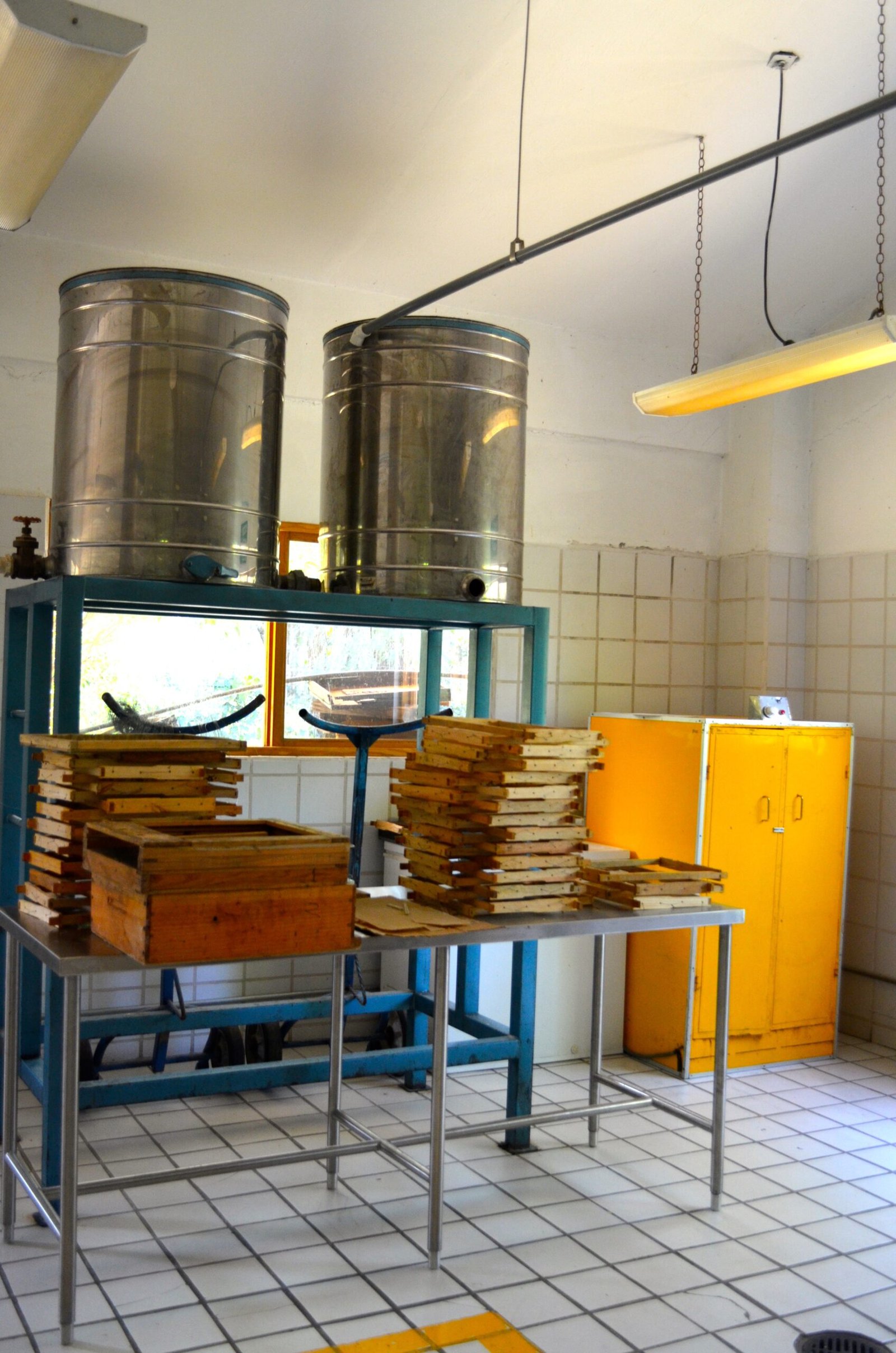
Stainless steel tanks are the standard once a beekeeper is processing more honey or wants equipment that will last for decades. Mann Lake’s stainless steel storage tanks, for example, are made from 304 food-grade stainless steel and come in 110 lb (about 9 gallon) and 200 lb (about 18 gallon) sizes with a full cover and a standard honey gate.
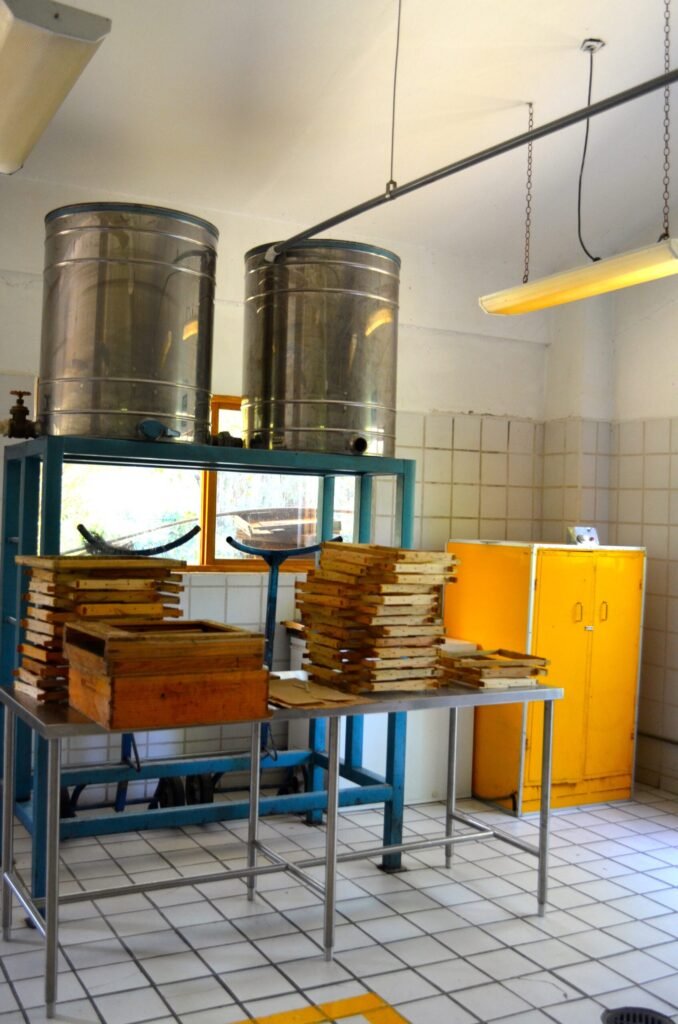
Larger bottling tanks are built for heat. Mann Lake’s 55-gallon, 660 lb bottling tank is stainless steel with a water jacket around the honey and a 3,000-watt, 220-volt immersion heater, plus a floor designed to drain fully.
Advantages:
- Durable. With reasonable care, a stainless tank can outlast many plastic pails.
- Smooth, non-absorbent surfaces that are easy to clean and do not hold odors or stains.
- Available with water jackets and heaters, which keep honey flowing during long bottling sessions and in cool rooms.
- Larger capacities, so one tank can hold a full day’s extraction.
Drawbacks:
- Much higher purchase price, especially for heated tanks.
- Heavier, and large tanks need a sturdy stand to raise the gate to jar height.
- Heated models need the right electrical supply. Check the voltage before you buy.
- Stainless can dent if dropped, and a damaged gate fitting on a welded tank is harder to fix than swapping a pail.
Side-by-Side Comparison
| Factor | Food-grade plastic | Food-grade stainless steel |
|---|---|---|
| Upfront cost | Low | High, highest for heated tanks |
| Weight when empty | Light | Heavier; large tanks need a stand |
| Typical capacity | Around 5 gallons (about 60 lb of honey) per pail | From about 9 gallons (110 lb) up to 55 gallons (660 lb) and beyond |
| Heating | Indirect only (warm room or warming cabinet) | Can be warmed; larger tanks available with water jackets and heaters |
| Cleaning | Easy when new; scratches make it harder over time | Easy; smooth surface stays that way |
| Durability | Several seasons; pails and fittings wear out | Many years with reasonable care |
| Best for | A few hives, small batches, keeping varieties separate | Sideline and commercial volumes, long bottling sessions |
Heating and Honey Flow
Cool honey is thick and slow to settle, and it runs slowly from the gate. Gentle warmth helps with both, but too much heat damages flavor and color. Heat is where stainless steel pulls ahead. A jacketed tank warms the honey evenly through water rather than hot metal, so you can hold a steady, moderate temperature for a whole bottling session.
With plastic, warm the room or use a warming cabinet, and never put a pail on a burner or hot plate. Our guides to honey warming cabinets and ideal honey bottling temperatures go into more detail.
Cleaning and Food Safety
- Buy food-grade containers. Pails sold by bee suppliers for honey are food grade. Do not reuse buckets that held paint, chemicals, pool supplies or anything else that is not food.
- Wash with warm water. Honey dissolves readily in warm water, so a thorough warm-water rinse and a wash with a food-safe detergent usually does the job. Rinse well.
- Dry completely before storage and before refilling. Water left in a tank adds moisture to the next batch of honey.
- Keep lids on. A covered tank keeps out dust and insects and stops honey from absorbing moisture from humid air while it settles.
- Take the gate apart. Honey and wax collect inside the gate, so disassemble and clean it after each season.
Which Should You Choose?
Size the tank by the honey you extract in a single session. At roughly 12 lb per gallon, the math is simple: 60 lb needs about a 5-gallon container, 200 lb needs about 17 gallons. Our honey settling tank size guide works through more examples.
- One to a few hives: one or two food-grade plastic bottling buckets with gates. They are inexpensive, and they are enough.
- A growing sideline: a 110 lb or 200 lb stainless tank handles a full extraction day and will last. Many beekeepers keep plastic pails as well for small or single-variety batches.
- Commercial volumes or cool honey houses: a heated, jacketed stainless bottling tank saves time on every batch.
For more product-level comparisons, see our roundup of the best honey bottling tanks for small producers.
Conclusion
Plastic and stainless steel bottling tanks do the same job: they let honey settle, then let you fill jars cleanly from a gate. Food-grade plastic wins on price, weight and convenience for small harvests. Stainless steel wins on durability, easy cleaning, capacity and especially heating. Most beekeepers start with plastic and add stainless steel as their honey volume grows.
FAQ
Is a plastic bucket safe for storing and bottling honey?
Yes, if it is a food-grade pail intended for food use, such as the honey pails sold by bee suppliers. Do not use buckets that previously held non-food products, and replace pails that are cracked or badly scratched.
How much honey does a 5-gallon bottling bucket hold?
About 60 lb. Honey weighs roughly 12 lb per gallon, so a 5-gallon pail holds about 60 lb when full.
Can I heat honey in a plastic bottling bucket?
Only gently and indirectly, for example in a warm room or a honey warming cabinet. Never place a plastic pail on a burner or hot plate. If you need to warm honey regularly, a stainless tank with a water jacket and heater gives much better control.
What grade of stainless steel is used for honey tanks?
Food-grade stainless steel. Mann Lake’s 110 lb and 200 lb storage tanks, for example, are made from 304 stainless steel. Check the listing for the grade before you buy.
Is a stainless steel bottling tank worth the extra cost?
It is worth it once you regularly extract more than a pail or two at a time, or if you want to warm honey during bottling. For a few hives, food-grade plastic buckets with gates do the job for much less money.
How do I clean a honey bottling tank?
Rinse out the honey with warm water, wash with a food-safe detergent, rinse thoroughly, and dry completely before storing or refilling. Take the honey gate apart and clean it too. Avoid abrasive scrubbers on plastic.